A crystal ball can brighten a room—or scatter energy everywhere if you place it carelessly.
When a glass orb helps, and when it makes the room restless
I still remember a cramped Seattle home office where a purple glass orb sat on a black metal shelf beside a blinking router and a pile of unopened bills. The room felt twitchy the moment I stepped in. In my experience, that is exactly how a feng shui crystal ball behaves when it is placed without thought: it can soften a hard corner, but it can also bounce light, motion, and visual clutter all over a space.
Most people buy one because they want a room to feel easier to live in. Some are trying to brighten a dull corner. Others want a small focal point that does not add more clutter. A few are hoping for more focus, a calmer mood, or a subtle nudge toward prosperity. The object matters, but the setting decides whether it works.
The first question is not size. It is intent. Are you trying to quiet a fast-moving room, lift a dark spot, or place a gentle wealth cue in the right part of the home? Once you know that, the material and the location become much easier to choose. If you want a wider comparison of related pieces, see the crystal types people actually use well.
And yes, the wrong placement can feel irritating almost immediately.
A reflective sphere beside a mirror in a bedroom is not the same thing as one on a reading table in a den.
Budget-friendly pieces for simple energy correction
If you want to try the idea without spending much, start with a modest glass orb. That is the route I usually suggest for renters and first-time buyers, because glass is easy to move, easy to clean, and forgiving while you learn how light behaves in your home. Put it where daylight can touch it, but not where it throws glare directly into your eyes.
I once placed a small clear orb on a white bookshelf in a child’s study in Portland, right next to a navy notebook and a brass lamp. The shelf had looked sharp and a little tired for months. By the next afternoon, the corner felt less severe, not because the room had transformed, but because the eye finally had one smooth place to rest. That is often enough.
Use a simple piece in a hallway, guest room, or forgotten corner. Keep it away from piles of mail, tangled cords, and hard-edged decor. A clean sphere can look elegant. A fingerprint-covered one under fluorescent light just looks neglected.
Maintenance changes everything.
Mid-range choices for living areas and shared rooms
For a family room, den, or open sitting area, a heavier crystal sphere usually feels steadier than glass. Homes with lots of shelving, screens, and straight furniture lines often benefit from a round object that breaks up all that rigidity. I have seen this in more than 200 homes: one soft, rounded form can make a room feel less mechanical without adding another thing to dust.
In one living room with a charcoal sofa and a large red print on the wall, I moved a faceted sphere from the coffee table to a lower oak sideboard. On the table, it kept stealing attention during conversation. Once it sat lower and slightly off-center, the space felt easier on the eyes and the family stopped glancing at it every few seconds. If you are thinking about the whole room, pair that kind of adjustment with better living room balance rather than treating the object like a magic fix.
For a wealth-oriented placement, some people set the sphere near the southeast sector, but only if that area is clean and intentional. Do not bury it beside old receipts and dead batteries and expect the room to respond. That is not feng shui. That is wishful thinking with better packaging.
If your room already has mirrors, polished metal, and glossy screens, choose a wood base or another matte stand. Otherwise the piece can get too active and start making the space feel wired.
More specialized pieces for focused goals
Some buyers want a sphere for a particular mood, such as concentration, ease, or softness in a stagnant corner. That is where material becomes more important than people realize. Clear quartz feels crisp and open. A rose-toned sphere reads gentler and is often chosen for bedrooms or dressing areas, though I would still keep it away from mirror reflections. If stone quality matters to you, this is also where amethyst’s more contemplative quality can be useful in the right room.
These are not just decorative objects. They are atmosphere tools.
A student might set one on a desk to ease a cramped study corner. A retiree might place one near a favorite chair so a reading nook does not feel flat. I even worked with a home cook who kept a small orb on an open shelf near the kitchen entry because the tile and appliances made the space feel too hard. The sphere did not do the work alone. It supported an intention that was already there.
Colored spheres can overwhelm a small room faster than buyers expect. Deep red and saturated blue look dramatic in photos, but in real homes they can dominate the eye and change the emotional tone too aggressively. If you want a quieter result, stay with clear or lightly tinted material.
How placement changes the result
Placement matters more than price. A well-chosen sphere on a stable table can soften a hallway or take the edge off a desk corner. The same object shoved beside stacked mail and charging cables becomes decoration with no job to do. The surface beneath it matters too. Wood warms the effect. Glass and metal make it feel busier. A black shelf can make the orb stand out, but it can also make it feel stranded if the rest of the room is already severe.
Do not aim it at a bed, sink, or doorway unless you have a clear reason. Reflections can create movement where you actually want rest. If you are unsure, sit where you normally sit and look at the piece from that angle. If it feels sharp, busy, or distracting, move it.
Your body usually notices the problem before your notes do.
Simple comparison of common options
| Item | Best for | Price range |
|---|---|---|
| Small glass orb | Renters, first tests, brightening a corner | $10–$30 |
| Clear crystal sphere | Shared rooms, gentle focus, subtle decor | $30–$80 |
| Colored stone sphere | Specific mood work and intentional placement | $40–$120 |
| Large decorative orb | Entry tables, open shelves, visual anchor points | $80–$250+ |
If you buy just one thing, buy for placement, not drama
If you only purchase one piece, choose a medium-sized clear sphere that you can move from room to room. That gives you room to learn. It can sit in a study, hallway, living area, or near a wealth corner without demanding attention from every person who walks by. Once you see how the light shifts in your home, you can decide whether you need something more specific.
A sphere should settle the space, not compete with it.
If it starts competing, it is in the wrong spot.
Questions people ask before they bring one home
Can I put a crystal ball in a bedroom?
Yes, but keep it simple. Mirrors, bedside reflections, and shiny finishes can make the room feel too active at night. In bedrooms, I usually prefer less visual movement, not more. If the piece feels busy from the bed, move it elsewhere.
Does size matter more than material?
They do different jobs. Material changes the feeling first, while size changes how much attention the sphere commands. A tiny orb can disappear into the background. A large one can take over a shelf. I usually choose material for the purpose and size for the room.
Where should beginners place it?
Start with a steady shelf or side table that gets natural light and is not crowded. Leave it there for a few days and notice what happens at different times of day. If it throws glare, catches clutter, or makes the room feel jumpy, that is your answer.
Is a crystal ball better than other feng shui cures?
Not automatically. Sometimes a simpler fix works better than a beautiful object. I have seen a front door adjustment change a home more than any ornament on a shelf. If the entrance is the problem, a better setup there may help more than another decorative cure, including a better front-door setup.
People often want reassurance that one object will solve the whole room. It will not. But when the placement is thoughtful, the surface is clean, and the intention is clear, it can change the feel of a space in a quiet, believable way.
Mei Chen
Traditionally informed guidance • Cross-referenced with classical Chinese source texts
Content draws from both Compass (Luopan) and Form (Xingshi) school traditions. Illustrative examples are composites based on consultation experiences.
Practitioner-Selected Tools for This Topic
Items our team has tested and found effective for the principles discussed above. Individual results may vary.
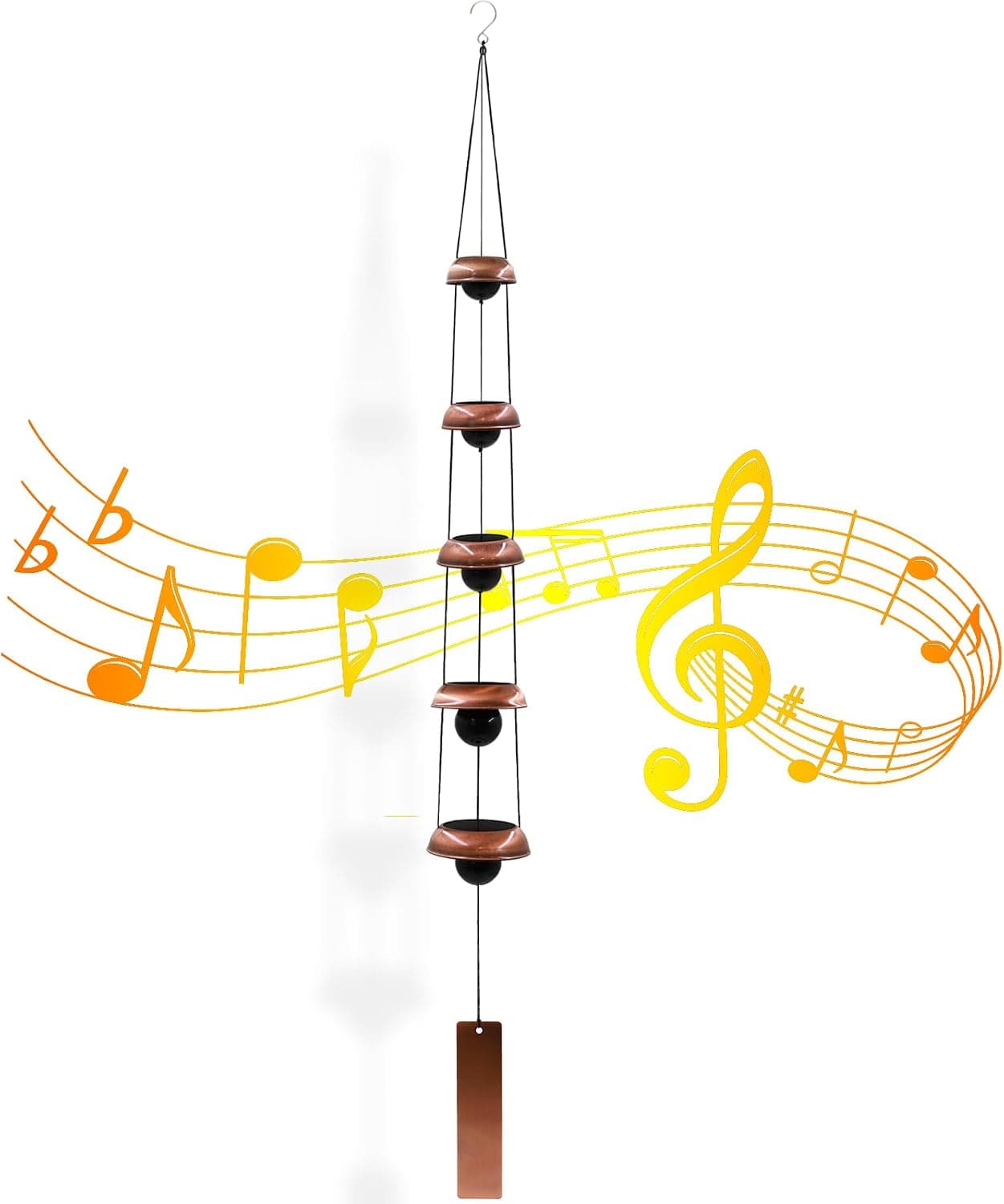 -19%
-19%Wind Chimes for Outside with 5 Bell Unique Copper Musical Chimes Feng Shui Wi...
 -5%
-5%YU FENG Evil Eye Money Tree, Blue Feng Shui Decor with Golden Buddha
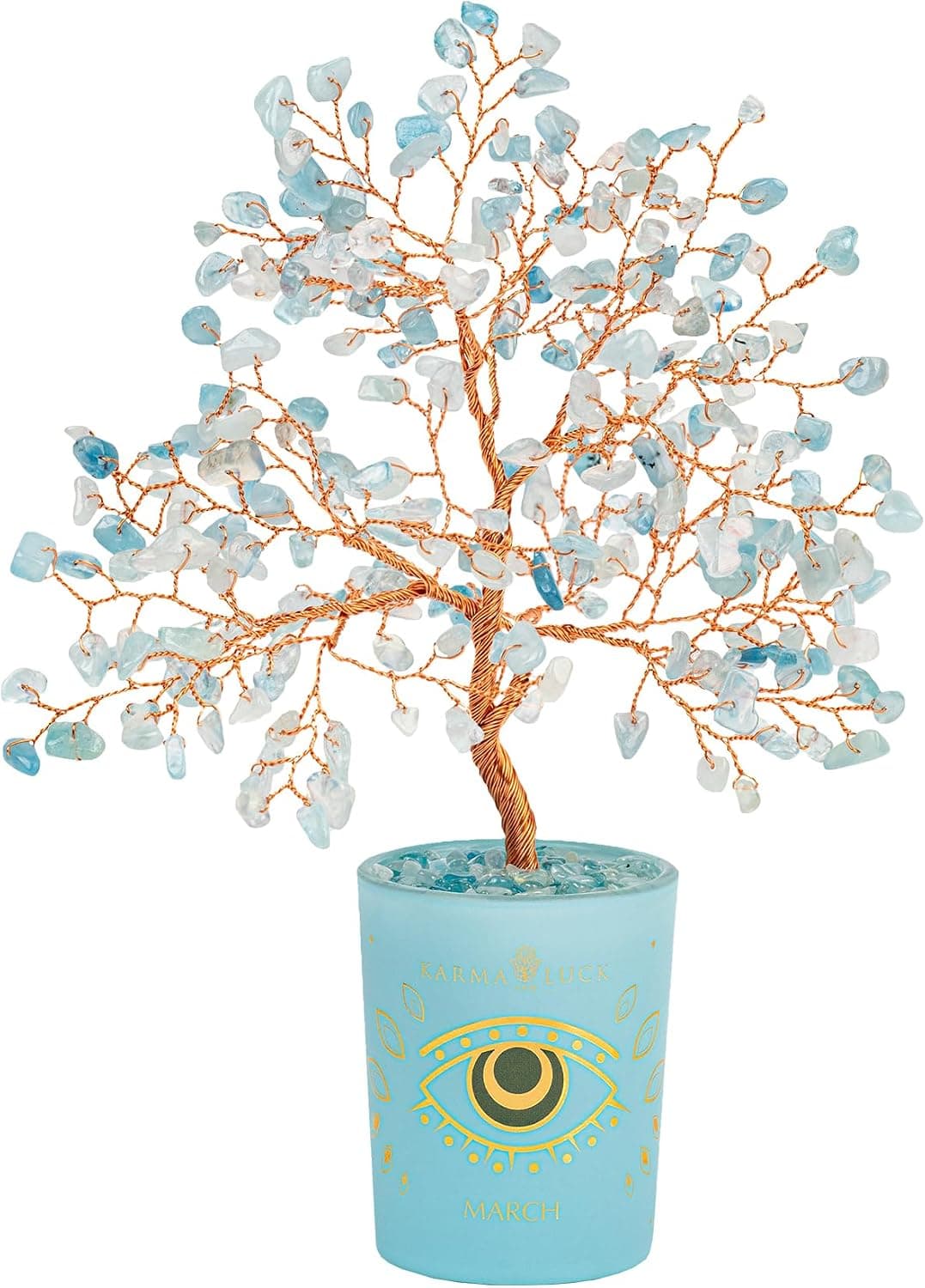 -29%
-29%Karma and Luck March Birthstone Crystal Tree of Life, Aquamarine Gemstone Fen...
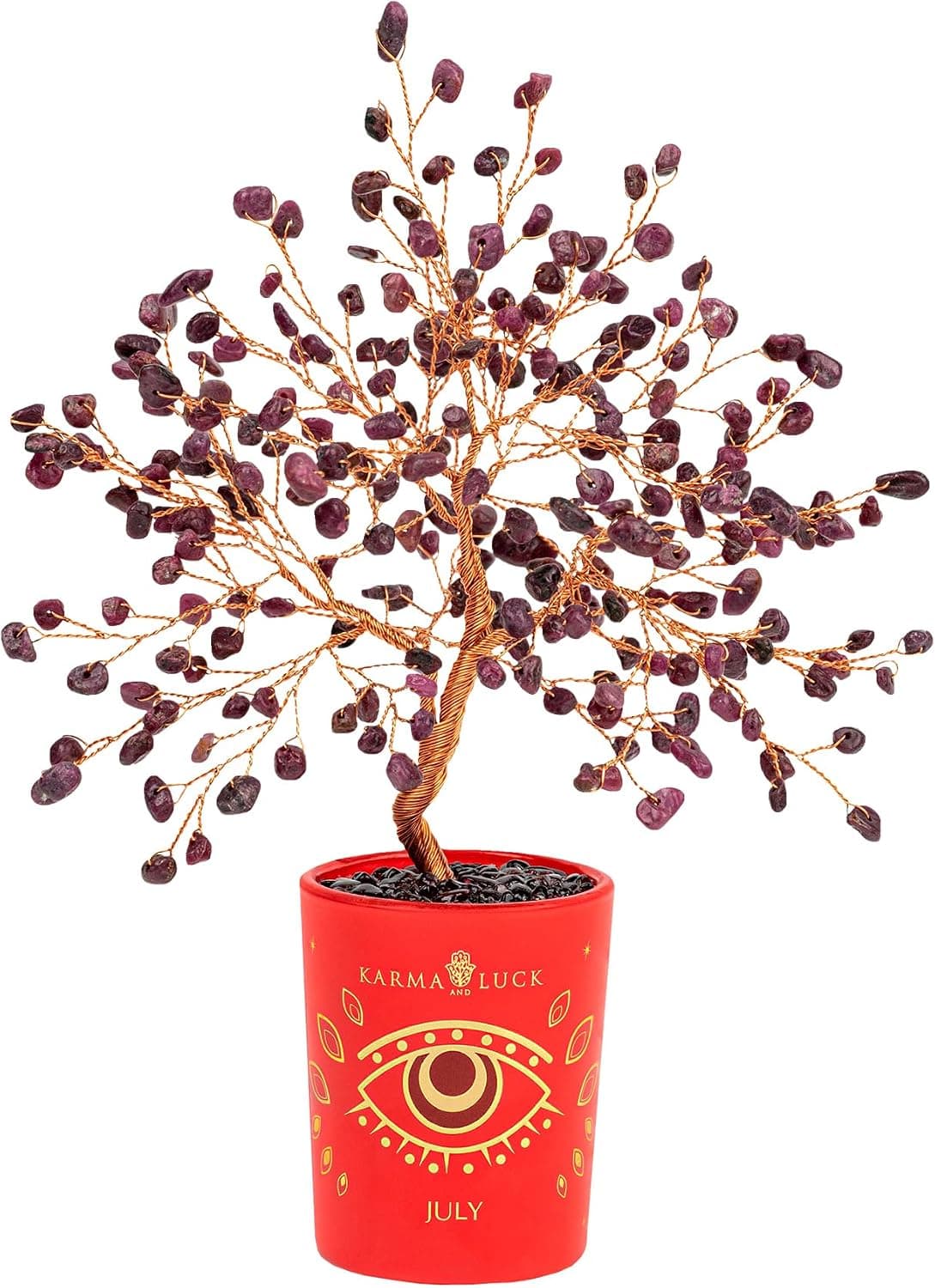 -29%
-29%Karma and Luck July Birthstone Crystal Tree of Life, Ruby Gemstone Feng Shui ...
As an Amazon Associate, we earn from qualifying purchases. We only recommend items our practitioners have personally tested.
Continue Your Journey
Explore these related guides to deepen your understanding:


Ready for Deeper Guidance?
Try our free I Ching reading for personalized wisdom, or explore our curated Feng Shui essentials.