If your home feels off, the fix usually is not more decor—it is one well-placed adjustment with the right object in the right spot.
Before you buy another decor piece, fix the first mouth of the house
People rarely want to hear this, but the fastest way to improve a home is usually not another pillow, candle, or lucky object. It is a cleaner path for energy to enter.
That is why a strong front-door strategy matters so much. The entrance tells the rest of the house what kind of day it is having, and if that spot is confused, everything behind it tends to feel slightly off.
One adjustment can change the way a place breathes.
In my experience, homeowners spend weeks debating sofa fabric while ignoring the pile of shoes, the bent umbrella, or the mirror catching a chaotic reflection right by the entry. I’ve seen this in well over 200 homes: once the doorway is organized, the whole house settles faster.
Last October I visited a narrow townhouse entry in Portland with slate-blue walls, a cracked mirror facing the stairs, and a navy umbrella stand jammed into the passage. The owner, a middle school teacher, kept saying her mornings felt rushed and her evenings felt heavy. We removed the blockage, shifted the mirror, and set a simple brass tray on the walnut console for keys and mail. Ten days later she told me she stopped dropping her bag on the floor the moment she got home. That is the kind of result people notice first.
If you are wondering whether you need a full home reading before you spend money, often you do not. But if you want to buy with intention, think the way a feng shui consultant would: solve the actual friction, not the visual fantasy.
When the entry feels jammed or scattered
If shoes, backpacks, packages, and coats collect near the front door, the best purchase is usually practical. A storage bench, a closed shoe cabinet, or a tray system will do more for the house than a decorative statue ever could.
Who needs it: families coming and going all day, apartment renters with no mudroom, and anyone who opens the door to instant clutter. Why it helps: the entry is the home’s first transition point, and a blocked transition creates a blocked feeling. Place the item just inside the door, but leave enough room to step in without turning sideways. For a deeper look at how movement shapes the house, reading the bagua with real rooms can help you connect the dots.
Keep the console table simple. One bowl for keys, one lamp if the hall is dark, and no loose papers. I once watched a plain walnut table in a Seattle foyer change the entire tone of the space within two days, not because it was expensive, but because the family finally stopped using it as a drop zone.
Less clutter at the door means less resistance in the day.
When sleep is shallow and the bedroom feels too awake
Bedrooms often collect the wrong kind of attention. People buy expensive bedding and forget to check what the room is actually asking for.
Sometimes the most useful purchase is modest: matching bedside lamps, a solid headboard, or blackout curtains in a grounded shade. These are the kinds of fixes that create support without shouting. They are best for light sleepers, couples on different schedules, and anyone with a room full of sharp reflections or restless color. A bedroom should hold you, not stimulate you. Put the lamps on both sides of the bed, and make sure the bed has a stable back. If the room already feels noisy, a well-balanced sleep space is worth reviewing before you shop again.
Do not expect luxury linens to solve a layout problem. A silk duvet will not calm a room that has a router blinking on the dresser, a mirror aimed at the pillow, and workout gear facing the bed. I say that plainly because I keep seeing people spend money in the wrong order.
A retired architect in Seattle once showed me a beautiful bedroom with white lacquer nightstands, a mirrored wardrobe, and a huge mirror angled toward the bed. He was sleeping about five hours a night and calling the room “too alert.” We moved the mirror, hung deep gray curtains, and replaced the harsh bulbs with warm ceramic lamps. He noticed the change in the first week. Not magical, just immediate.
If the living room looks finished but never quite works
A living room can photograph beautifully and still fail at its job. If people sit at the edges, conversations fade, or the television takes over every gathering, the room needs better structure.
The smartest buy is often a rug large enough to gather the furniture, or seating that naturally faces inward. This is for hosts, parents, and anyone whose living room feels split into separate islands. Energy follows attention, and a room that points everyone in different directions quietly tells people to disconnect. Keep the walkways open so movement feels easy. A practical note from better living room flow can save you from arranging furniture by habit.
Shape matters too. Round and oval tables soften tension. Square tables can work, but only when the room has enough breathing space around them. I have seen a coffee table create more friction than a bad paint color.
In one home, an engineer with two teenagers had a charcoal sectional pressed tightly against the walls and a glass coffee table sitting like a display object in the middle. Nobody used the center of the room. We pulled the sectional forward, switched to a smaller wooden table, and added one floor lamp in a dim corner. Their Friday movie nights changed because gathering felt easier than drifting apart.
When the money corner feels ignored
People often want a shortcut for abundance. What actually helps is a corner that shows care and forward movement.
A healthy plant with upward growth, a warm lamp, or a piece of art that suggests expansion is usually the better choice. This is for freelancers, new business owners, and homeowners who want to wake up a stagnant zone without turning it into a shrine. In my work, the wealth area responds best to steady attention, not dramatic display. Choose the corner that feels dim, dusty, or forgotten, and keep the item clean and properly scaled. If you want to choose plants with purpose instead of guessing, choosing plants with purpose is a smarter starting point than the nearest grocery-store fern.
Do not pack the corner with symbols of prosperity. One healthy plant does more than five shiny trinkets. That may sound unromantic, but reliable is better than theatrical.
A clean crystal can support the area, but only after the space is already tidy. A crystal does not fix a crowded shelf. It just becomes the brightest object in a cluttered corner, which is not the same thing as support.
When you need clarity, not more decor
Some homes do not need another object at all. They need one item that gives the mind a place to land: a mirror moved to a better angle, a lamp that softens a dark spot, or one framed artwork that steadies the wall.
This suits minimalists, renters, and people who feel mentally scattered at home. Clarity is nourishment in feng shui, and the right object should reduce noise rather than add to it. Place it where the room feels visually tangled, then let that one item simplify the whole read. A mirror can help or hurt depending on what it reflects, so never aim it at clutter or the bed.
I’ve seen this work in very small spaces. In a Brooklyn studio, a nurse had one desk, one bookshelf, and a large blank wall that somehow made the apartment feel louder than the furniture. We hung a restrained ink print and set a warm lamp beside the desk. Her exact words were that the room stopped feeling like “a waiting area for my own life.”
A quick comparison before you spend
| Item | Best for | Price range |
|---|---|---|
| Storage bench or shoe cabinet | Cluttered entryways and busy households | $60–$300 |
| Matching bedside lamps | Sleepy bedrooms and couples | $40–$200 each |
| Large area rug | Living rooms that feel disconnected | $100–$600 |
| Healthy plant | Stalled corners and offices | $20–$120 |
| One grounded artwork or mirror | Rooms that feel visually noisy | $50–$400 |
If you only buy one thing
Choose the object that solves the room’s real problem, not the one that looks best in a shopping cart.
If I had to recommend a first purchase for most homes, I would start with an entryway storage solution or a properly scaled bedside lamp, depending on where the daily friction is strongest. Both are easy to use, easy to see, and difficult to fake. More importantly, they change habits.
That is also why a few carefully chosen items for abundance tend to outperform a shelf full of symbolic clutter. Consistency is what a house responds to.
Most people do not realize that the cheapest fix is often the most elegant one.
FAQ
Do I need a professional before buying any feng shui items?
Not necessarily. Start with the room that creates the most daily annoyance and make one clear change there. If the same issue keeps showing up in multiple places, that is when outside guidance becomes worth paying for.
Can one object really change how a room feels?
Yes, and usually faster than people expect. A lamp, mirror, or storage piece changes how you move through the room, where you pause, and what you notice first. The result often begins as behavior and then becomes atmosphere.
Should I buy crystals first?
I usually would not. Crystals can be useful, but only after the room already has decent flow, light, and order. If a space has no structure, symbolism is not the first fix.
What if my budget is tiny?
Start where the annoyance is loudest. A $25 tray, a basic lamp, or a small storage bin can outperform a fancy decor purchase if it removes a repeated daily problem. In feng shui, repetition matters more than price.
Mei Chen
Traditionally informed guidance • Cross-referenced with classical Chinese source texts
Content draws from both Compass (Luopan) and Form (Xingshi) school traditions. Illustrative examples are composites based on consultation experiences.
Practitioner-Selected Tools for This Topic
Items our team has tested and found effective for the principles discussed above. Individual results may vary.
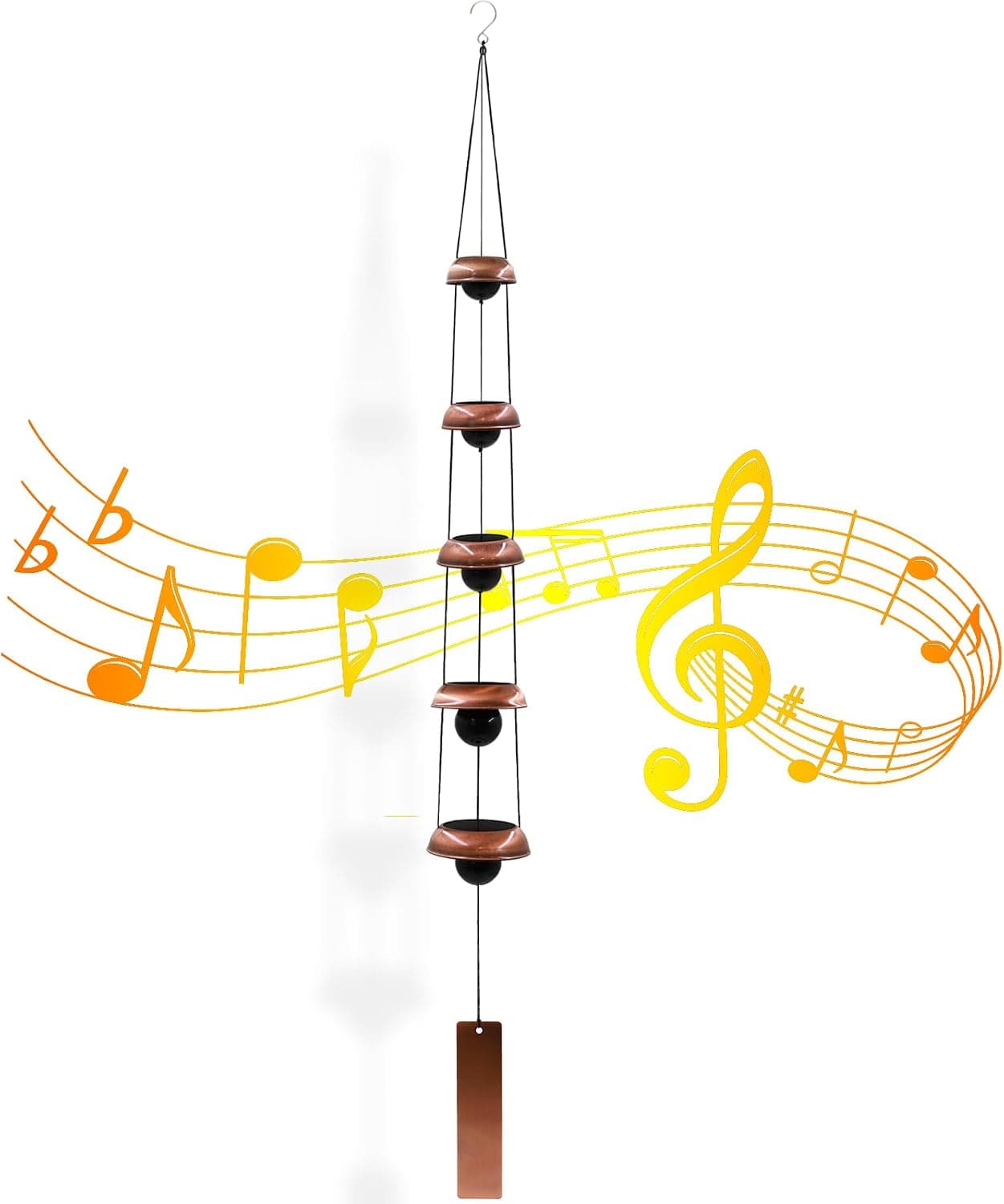 -19%
-19%Wind Chimes for Outside with 5 Bell Unique Copper Musical Chimes Feng Shui Wi...
 -5%
-5%YU FENG Evil Eye Money Tree, Blue Feng Shui Decor with Golden Buddha
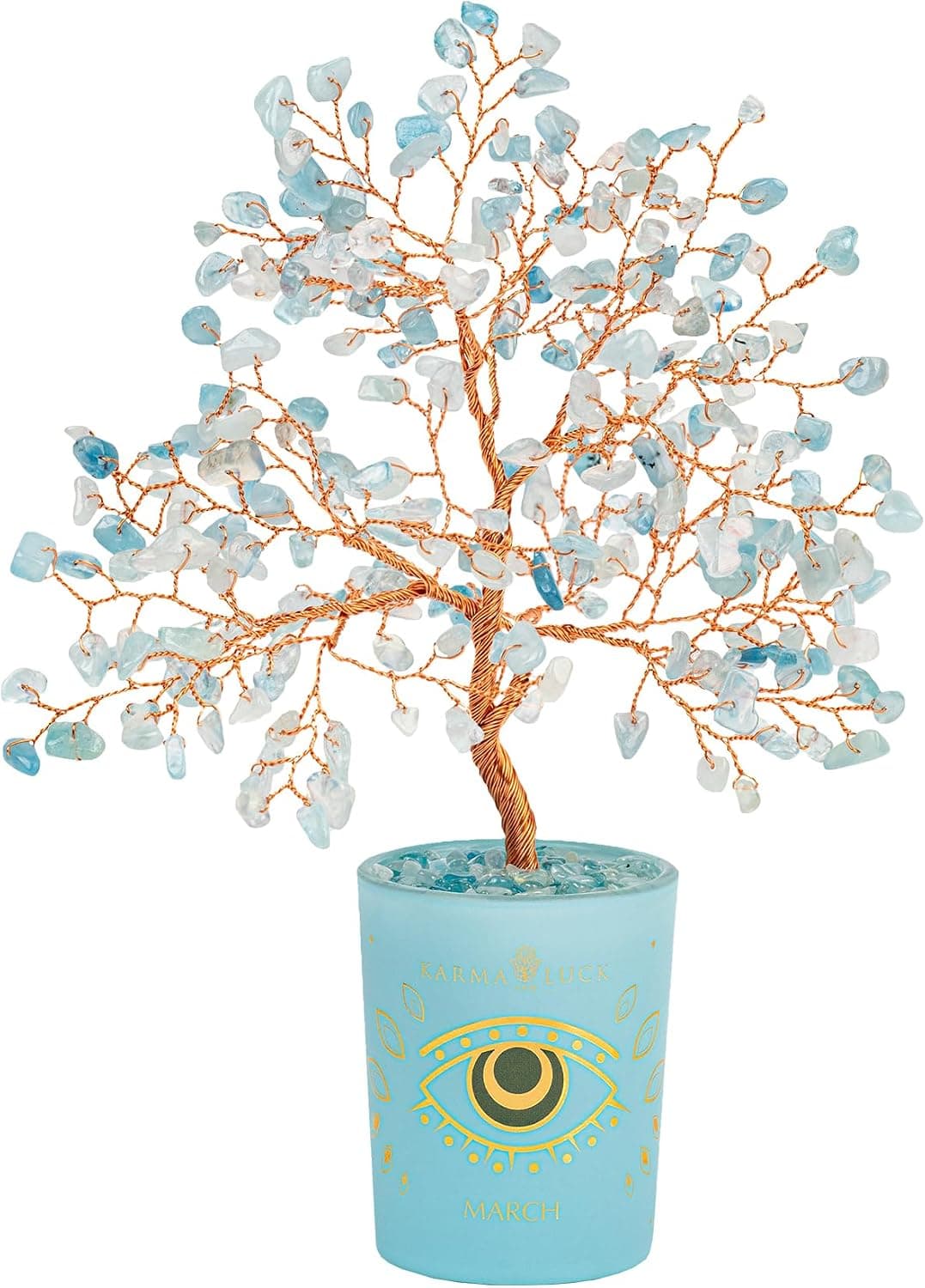 -29%
-29%Karma and Luck March Birthstone Crystal Tree of Life, Aquamarine Gemstone Fen...
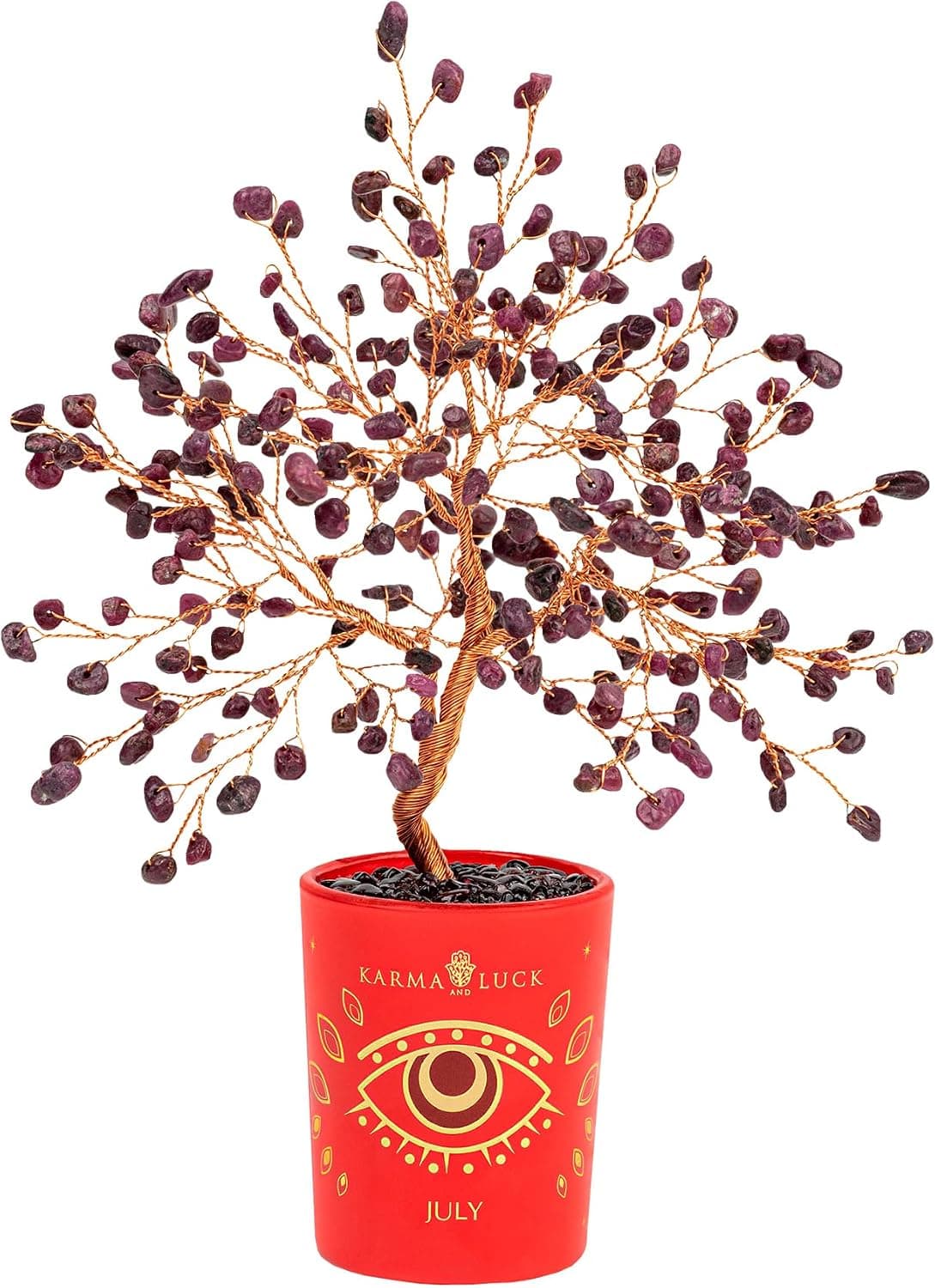 -29%
-29%Karma and Luck July Birthstone Crystal Tree of Life, Ruby Gemstone Feng Shui ...
As an Amazon Associate, we earn from qualifying purchases. We only recommend items our practitioners have personally tested.
Continue Your Journey
Explore these related guides to deepen your understanding:


Ready for Deeper Guidance?
Try our free I Ching reading for personalized wisdom, or explore our curated Feng Shui essentials.