The few layout variables that matter in command position are simpler than the ritual around them, and more useful.
The short answer
The best layout for feng shui command position is the one where you can see the door, keep a solid surface behind you, and avoid blocking the room’s natural movement. If the room is awkward, start with sightline and support before chasing symmetry. That order solves more problems than most decorative fixes ever will.
In a north-facing bedroom with a low window on one side and a tight entry on the other, the bed does not need to be mathematically perfect to work well. It needs to feel settled. A slight offset that keeps the door visible and the headboard against a firm wall will usually do more for the room than a centered placement that traps the footpath.
In a narrow office, the desk often ends up a little off-axis. That is not a failure. If the chair can read the doorway at a glance and the wall behind the back stays quiet, the room becomes easier to use.
For a wider map of how placement is read in feng shui, compare this rule with the larger spatial logic in the bagua map approach and the circulation patterns discussed in a working living room layout.
What the room is actually asking for
People often talk about command position as if it were a furniture ritual. It is simpler than that. The room is asking whether the body can rest without being ambushed by movement from behind or by constant visual interruptions from the side.
If you sit with your back to a busy entry, your attention keeps checking for movement. If you lie in a bed that points straight into a drafty corridor, sleep takes longer to settle. If a stove forces the cook to swivel every thirty seconds, the whole kitchen starts to feel restless. These are mechanical problems first, symbolic problems second.
Visibility is the first test. Support is the second. Clearance is the third. That sequence matters because a beautiful arrangement that creates a blocked path or a glare problem is still a bad arrangement.
Do not confuse a clean-looking plan with a workable one.
That is why plants, colors, and other add-ons come later. They can refine a space, but they do not repair a chair that sits in the wrong line of traffic or a bed that gets hit by morning light at the wrong hour.
Why this principle holds up
Classical feng shui grew out of places where gates, courtyards, walls, and approach routes were part of ordinary life. A seat was not just a seat. It was part of a relationship between arrival, shelter, and awareness.
That older logic still works in apartments and offices because the body has not changed. People still feel better when they can register the room before the room demands attention from them. They still settle faster when there is a dependable surface behind the back.
In a meeting room, this is easy to see. The lead chair usually feels better when it faces the arrival path without being trapped in it. In a studio, the same principle might show up in the placement of a desk near the only quiet wall. In a bedroom, it can be the difference between sleeping lightly and sleeping deeply.
The point is not to copy a diagram. The point is to reduce exposure where the body needs rest and to preserve awareness where the body needs action.
For readers who want the broader pattern behind stable and active environments, the five-phase relationships in the five elements cycle help explain why some layouts feel grounded while others keep pulling attention outward.
Desk, bed, stove, seat
For a desk, the question is not whether it faces the door in a literal sense. The real question is whether you can see the entry, keep your back supported, and avoid sitting in the glare path. A chair that reads the room clearly will usually outperform a desk that looks ideal on paper but leaves you squinting all afternoon.
For a bed, the standard is a little stricter. Sleep wants enclosure. A headboard against a firm wall, some sense of view toward the doorway, and no direct collision with the circulation path all matter. In a tight room, the bed may need to give up symmetry so the rest of the apartment can breathe.
For a stove, the body should feel in command of the work surface and the room around it. If cooking forces repeated turning or makes the cook feel cut off from the room, the layout is asking for too much.
For shared seating, the best chair is usually the one that sees the approach without becoming a checkpoint. In a long room with a side entry, that may mean moving the lead seat a little away from center so the doorway falls into view naturally, not aggressively.
That same judgment applies to adjacent placement concerns in bedroom placement principles and the movement patterns in front door flow.
One-sentence answer: if the room feels easier to cross, easier to read, and easier to settle in, the placement is probably working.
When the room is awkward
Most homes are not generous. A shallow office, a studio with one real wall, or a north-facing bedroom with a radiator under the window can force compromise. In those cases, look for the least bad solution that fixes the strongest problem.
If the back of the chair feels exposed, improve that first. If the doorway sits directly in your blind spot, fix that first. If light is the real irritant, adjust that first. The order changes by room, but the logic does not.
Small shifts often matter more than dramatic ones. A desk turned fifteen degrees, a bed moved a few inches off a draft, or a chair pulled slightly out of a traffic line can change the whole tone of a room.
Do not trade awareness for clutter.
A mirror can sometimes help, but it is a narrow tool. It is not a substitute for a bad pathway, a weak back wall, or a layout that keeps the body on alert.
In a cramped apartment, one function may need the better position while another accepts the less ideal spot. That is not a defeat. It is how real rooms work.
How to test a layout
Before moving heavy furniture, sit or stand in the proposed position for ten minutes at the time of day you actually use the room. Watch where your eyes go first. Notice whether you keep checking the doorway. Pay attention to whether your shoulders settle or stay braced.
Then test the light. A seat that feels fine at noon may be miserable at four in the afternoon if a side window throws glare across the work surface. That is a placement issue, not a personality issue.
Walk the route as well. Carry a bag, then a laundry basket, then walk through in the dark. If the path feels tight or interruptive, the room is still fighting itself.
Test the room with ordinary life, not with an idealized sketch.
The best adjustments are usually plain ones: shift, rotate, clear, and simplify. If a proposed arrangement makes the room feel more formal but less usable, it is the wrong arrangement.
What command position means in practice
In practice, command position means the body is not pinned in a vulnerable line. You should be able to see who or what is entering the space without twisting hard or feeling hidden from the room. You should also have something stable behind you whenever possible.
The classical idea has been flattened in many modern explanations into a simple rule about facing the door. That version is too thin. A slight angle can be better than a direct face-off, especially when the angle preserves calm, reduces glare, and keeps circulation open.
A long room with a side doorway, for example, may work better when the desk sits a little off-center. A bed in a small bedroom may work better when it gains a solid wall than when it gains perfect visibility. A kitchen may work better when the stove gives the cook a wider field of view, even if the arrangement is not symmetrical.
FAQ
Do I have to face the door for command position to work? No. The point is awareness, not rigid alignment. If you can register the entry without being directly in line with it, and your back is supported, the arrangement can still work well.
My desk has to go against a wall. Is that bad feng shui? Not automatically. A wall-facing desk can work if the chair is stable, the room is easy to read, and the layout reduces glare and traffic distractions. In a small room, practicality often matters more than textbook symmetry.
What is the best bed placement in a small bedroom? Usually the bed does best with the headboard against a firm wall, some space on both sides if possible, and no direct path from the door to the mattress. If the room is tight, protect sleep quality first and let perfect centering go.
Can a mirror fix a bad office layout? Sometimes it helps with awareness, but it does not solve poor circulation or weak backing. Treat it as a minor adjustment, not the main fix.
How do I know if my layout is good enough? The room should stop asking for constant correction. You should feel fewer shoulder checks, less background vigilance, and fewer irritating small adjustments as you move through the day.
Is command position only for desks? No. The same principle applies to beds, stoves, and any seat where the body needs either rest or control. The object changes, but the spatial logic stays the same.
Mei Chen
Traditionally informed guidance • Cross-referenced with classical Chinese source texts
Content draws from both Compass (Luopan) and Form (Xingshi) school traditions. Illustrative examples are composites based on consultation experiences.
Practitioner-Selected Tools for This Topic
Items our team has tested and found effective for the principles discussed above. Individual results may vary.
 -19%
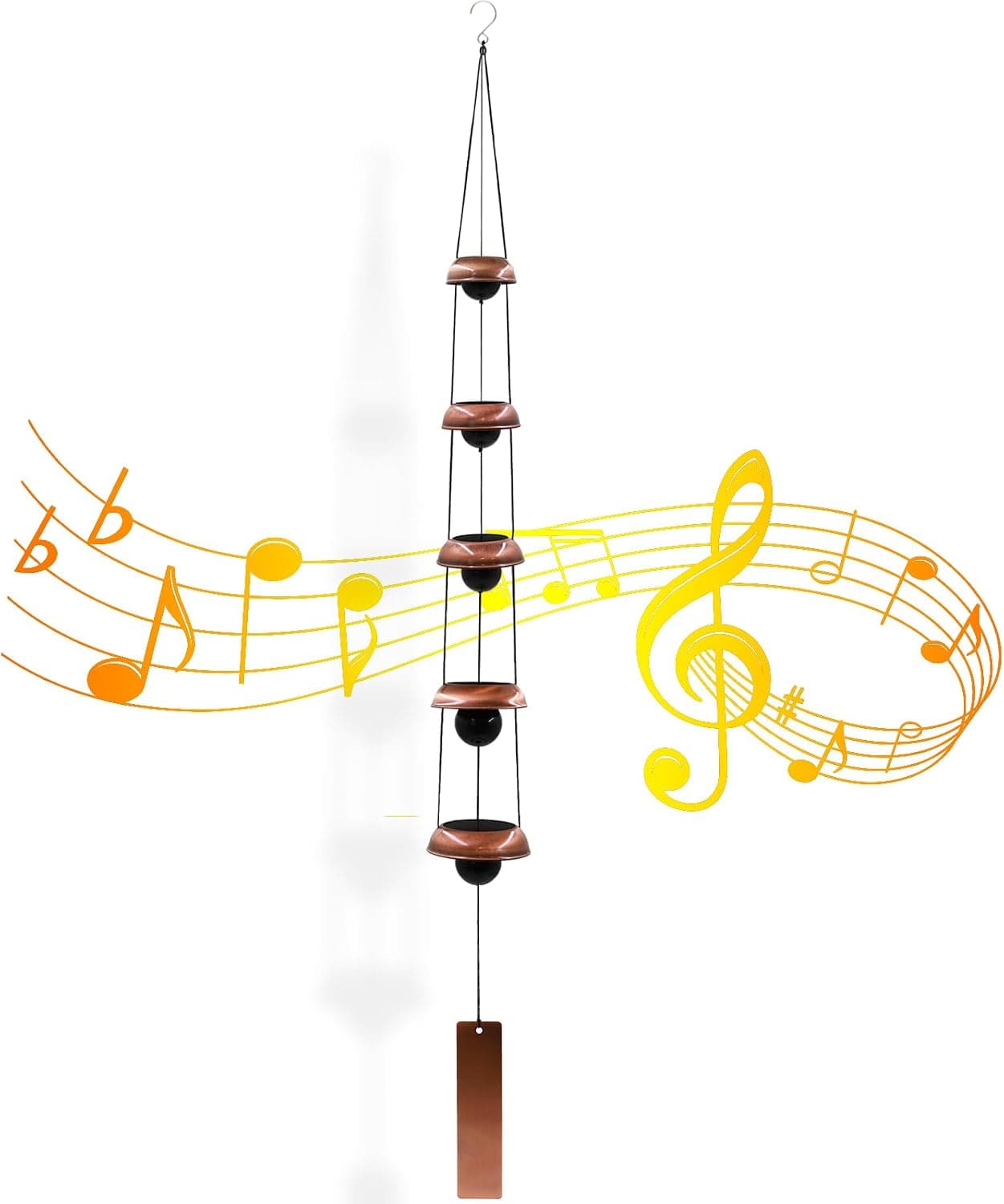
-19%Wind Chimes for Outside with 5 Bell Unique Copper Musical Chimes Feng Shui Wi...
 -5%
-5%YU FENG Evil Eye Money Tree, Blue Feng Shui Decor with Golden Buddha
 -29%
-29%Karma and Luck March Birthstone Crystal Tree of Life, Aquamarine Gemstone Fen...
 -29%
-29%Karma and Luck July Birthstone Crystal Tree of Life, Ruby Gemstone Feng Shui ...
As an Amazon Associate, we earn from qualifying purchases. We only recommend items our practitioners have personally tested.
Continue Your Journey
Explore these related guides to deepen your understanding:


Ready for Deeper Guidance?
Try our free I Ching reading for personalized wisdom, or explore our curated Feng Shui essentials.