The best bedroom colors do one job first: they tell the body it can stop bracing.
Why bedroom color feels more important than it looks
Bedroom color matters because your eyes do not only admire a room; they brief your nervous system. If the walls, bedding, and light keep announcing alertness, the body stays half-awake, even when the mattress is excellent.
I have walked into bedrooms with pale walls, expensive linen, and still felt the same problem immediately: too much visual chatter. The room looked styled, but it did not feel like a place where the shoulders could drop.
That is why bedroom feng shui cannot be treated like a paint-store fashion choice. The emotional response comes first, and the symbolism follows.
Colors work through association, arousal, and attention. A soft muted palette says “rest,” while sharp contrast says “notice me.” Your brain absorbs that cue every night.
When a lucky color rule stops making sense
The old habit is to pick a lucky color and force it into the room. That sounds tidy, but it breaks down because a bedroom is judged less by symbolism than by what it keeps doing to your body in the dark.
Take a couple’s bedroom with bright white walls, glossy black nightstands, and red throw pillows because someone said red supports passion. In daylight it may look intentional; at night the overhead light bounces off every reflective surface, the contrast stays visually loud, and the room keeps nudging the mind toward alertness instead of letting it power down. The “lucky” color is not the problem on its own. The problem is the way it combines with gloss, contrast, and light.
That is the first correction: a bedroom is not a banner. It is a sensory environment, and sensory environments have side effects.
Classical feng shui used color as part of reading a place, not as a sticker you slap on top of it. Modern Western versions often flatten that into a list, usually tied to the five elements framework, and then people wonder why the room still feels wrong.
The real question is not “What is my lucky color?” It is “What emotional state does this room keep producing, and what in the room is producing it?”
How color changes rest, closeness, and recovery
In psychology, repeated cues become habits. If a bedroom consistently signals calm, the body learns the transition to sleep more easily because it stops treating bedtime as a fresh decision every night. If it signals stimulation, the mind keeps scanning for tasks, messages, and unfinished business, which is why a bright or high-contrast bedroom can feel mentally sticky even when you are tired.
Warmth is not the same as intensity. A soft terracotta lamp base can feel grounding; a glossy red wall can feel agitating. The difference is not just color family, but how much light the color reflects, how saturated it is, and whether it expands or tightens the visual field. The same logic applies to orange, fuchsia, and high-contrast black-and-white schemes. Small doses can add life. Large doses can hijack the room.
Colors also shape relationship tone because they influence how spacious or enclosed people feel with each other. Earth tones tend to read as steady and settling, which helps reduce friction. Water tones often feel cool and quiet, which can make a room easier to decompress in after a long day. Wood tones suggest growth and softness, so they can keep a shared bedroom from feeling static. Fire tones bring warmth and connection, but they should usually stay in the accent zone, not dominate the whole room, because too much fire can turn intimacy into nervous energy.
That is why I look at saturation before I look at the color name. A dusty rose and a neon pink are not cousins in practical terms. They live in different nervous systems.
Natural light changes the equation too. A north-facing bedroom can make blue-gray feel colder than intended, while a west-facing room can make warm colors flare up in late afternoon. Ceiling height matters as well: dark ceilings can make a low room feel compressed, while pale ceilings can help a small room breathe.
What classical feng shui was actually trying to do
Traditional feng shui was never just decorating by mood board. It was about fit: orientation, function, light, enclosure, and the emotional effect of the environment on the people inside it.
That historical point matters because many Western color charts were simplified for convenience. They are not wrong so much as incomplete. The old logic was environmental first and symbolic second.
The bagua map can help you think about purpose, but the bedroom still has to earn its keep as a recovery space. If a color looks “correct” on paper and makes the room feel harsher in practice, the paper loses.
In Chinese metaphysics, fire, water, wood, earth, and metal are not decoration themes. They describe tendencies. Fire wakes up; water cools down; earth stabilizes; wood expands; metal sharpens. In a bedroom, too much sharpness usually wins the argument in the wrong direction.
That is why the most useful question is not whether a color belongs to a lucky category. It is whether it helps the room do its job at night.
Matching the color to the room’s real job
If the bedroom is for sleep only, soft earth, muted blue, misty green, warm beige, and dusted pinks usually support the task better than saturated primaries. These shades lower visual noise and keep the room from competing with rest.
If the room is shared by a couple, I prefer colors that create warmth without theatrical intensity. Think linen, clay, mushroom, softened rose, or a deep but matte burgundy used sparingly in textiles. The goal is closeness, not drama.
If the room belongs to a child who is also using it as a recovery space after school, calm beats symbolism. I have seen a child’s room with pale green walls, a blue quilt, and one bright red toy bin. The room worked because the red was contained, the curtains were soft, and the desk faced away from the bed, so the eye could settle instead of ricochet.
A living room can tolerate more stimulation; a bedroom usually cannot. That simple distinction solves a lot of confusion.
For a guest room, neutrality is often the best service you can offer. Guests arrive with their own sleep habits, so the room should not push hard in any direction. A gentle palette gives them less to adapt to.
How to use feng shui colors without repainting the whole room
If you rent, repainting is not the point. Layering is.
Start with the largest visible textile: bedding. Soft linen bedding absorbs light instead of throwing it back at you, which instantly quiets the room. Then look at curtains. A slightly opaque curtain can mute daylight and soften the morning edge without turning the room into a cave.
Next, change the bedside light. Warm bulbs create a lower-glare evening zone, and that matters more than people think. A room can look “nice” under ceiling light and still be terrible for winding down.
Use accents to fine-tune, not dominate. A muted throw, a ceramic lamp, a green-toned artwork, or one earth-colored cushion can shift the emotional temperature without repainting the walls. The trick is restraint. One bold object is a cue. Five bold objects become noise.
If you want to invite more warmth, use fire in the smallest dose: a rust pillow, a rose vase, a candle you actually light before bed. If you want more calm, shift toward water and wood through blue-gray textiles, soft green art, and matte finishes. For grounding, add earth through beige, sand, taupe, clay, and soft brown.
Choosing by room conditions, not just by charts
A small bedroom needs different treatment than a large one. Dark, heavy colors in a tiny room can make the walls feel closer than they are, while pale, softened tones can visually expand the space. In a larger room, a bit more color depth can prevent the room from feeling empty or impersonal.
Window direction changes everything. East light tends to be cleaner and earlier, so cooler muted tones can feel fresh. West light is warmer and later, so too much red or orange can become overstimulating by evening. North light often makes rooms feel cool, which is why too much blue can turn a bedroom icy unless you balance it with warmth in textiles.
The best approach is to ask what the room already does on its own. If the room is bright, the color plan should calm it down. If the room is dim, the palette should not make it feel heavier. If the room is already warm, avoid piling on more fire. If it feels cold and withdrawn, add warmth through wood and earth rather than neon energy.
That is also where the front door’s energy matters indirectly, because a home that arrives noisy at the threshold often needs the bedroom to work harder as a counterweight. The bedroom can restore what the rest of the house depletes.
One last correction: people often think they need a “perfect” color. They do not. They need a coherent one. A bedroom that tells the same calm story through walls, fabric, light, and furniture will usually outperform a room full of good intentions and clashing signals.
When people get bedroom color wrong
The first mistake is overusing fire because someone wants passion. Too much red, orange, or glossy contrast can make the room feel active when the body needs to downshift. Use those colors like seasoning, not like the main course.
The second mistake is choosing a cool palette so severe it becomes sterile. A pale blue room with shiny surfaces, white blinds, and cold lighting can feel clean in theory and emotionally thin in practice. That is not serenity. That is distance.
The same caution about harsh color applies elsewhere in the home, but the bedroom is less forgiving because it trains sleep by repetition. Night after night, the visual message matters.
So yes, color matters. Not because the walls carry magic. Because the body keeps receipts.
FAQ
What are the best bedroom colors for sleep?
Muted earth tones, softened blue-green shades, dusty rose, taupe, beige, and matte off-whites usually support sleep well. The best choice is the one that lowers visual tension in your specific room rather than the one that looks best on a sample card.
Can I use red in a bedroom?
Surprisingly, yes, but only in small accents if the room already feels calm. A red cushion or lamp base can add warmth; a red wall can push the room toward alertness and reduce the sense of rest.
Do I have to repaint to improve bedroom feng shui?
No. Bedding, curtains, lamps, art, and a rug can shift the emotional tone far more efficiently than a full repaint, especially for renters. I often start with fabric because it changes both color and texture at once.
Should couples use different colors than single sleepers?
Couples usually benefit from colors that feel steady, warm, and low-drama. Single sleepers can be a little more flexible, but the room still needs to support recovery, not stimulate more thinking at bedtime.
If you want the simplest test, stand in the bedroom at night with only the bedside lamp on. If the room feels soft, quiet, and slightly dimmer than your thoughts, you are close. If it feels bright, sharp, or too edited, the color story is still working against you.
Mei Chen
Traditionally informed guidance • Cross-referenced with classical Chinese source texts
Content draws from both Compass (Luopan) and Form (Xingshi) school traditions. Illustrative examples are composites based on consultation experiences.
Practitioner-Selected Tools for This Topic
Items our team has tested and found effective for the principles discussed above. Individual results may vary.
 -19%
-19%Wind Chimes for Outside with 5 Bell Unique Copper Musical Chimes Feng Shui Wi...
 -5%
-5%YU FENG Evil Eye Money Tree, Blue Feng Shui Decor with Golden Buddha
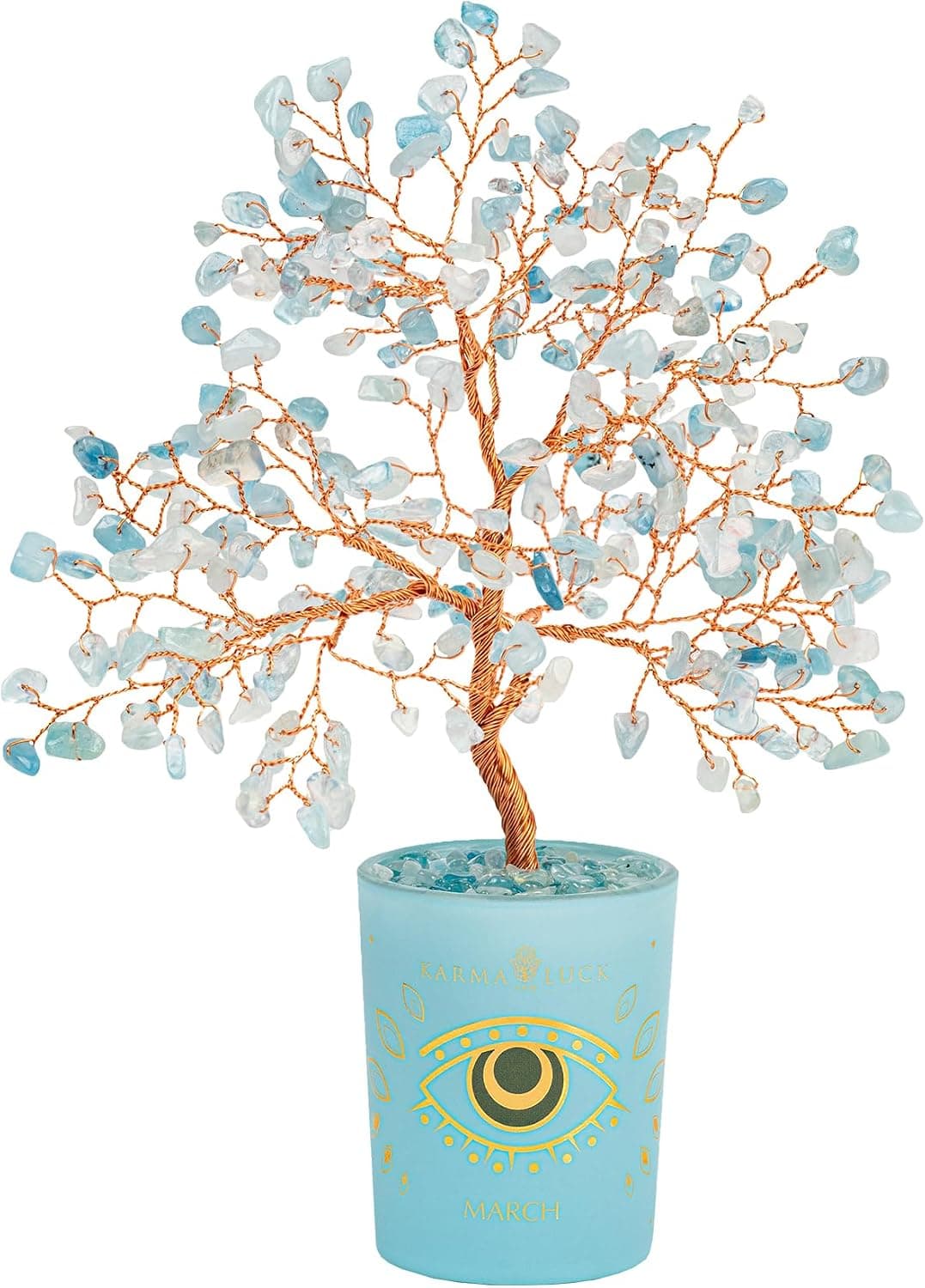 -29%
-29%Karma and Luck March Birthstone Crystal Tree of Life, Aquamarine Gemstone Fen...
 -29%
-29%Karma and Luck July Birthstone Crystal Tree of Life, Ruby Gemstone Feng Shui ...
As an Amazon Associate, we earn from qualifying purchases. We only recommend items our practitioners have personally tested.
Continue Your Journey
Explore these related guides to deepen your understanding:


Ready for Deeper Guidance?
Try our free I Ching reading for personalized wisdom, or explore our curated Feng Shui essentials.