Put the bed, desk, or money cure too near the entrance and the chart starts lying to you.
The Hidden Truth About chart feng shui
I’ve watched people follow every printed direction, place their cures with almost superstitious care, and still end up with a bedroom that feels jumpy, a desk that invites distraction, or a front hall that seems to swallow money as soon as it arrives.
The usual advice sounds clean: find the sector, match the element, place the object. Neat. Too neat. A chart can tell you where a room sits in the larger pattern, but it can’t tell you that a shelf blocks the first three feet after the door, or that a shoe rack turns the entry into a holding pen. That near-door zone changes everything before the rest of the room even gets a vote.
That is the part people miss. Not the direction. The threshold.
I walked into a narrow San Francisco townhouse last spring and saw a red lacquer console table jammed thirty inches from the front door, with a brass bowl of coins, a quartz cluster, and a stack of unopened mail. The owner had followed a chart from an app, but the entry felt like a bottleneck in a train station. She said, “I did everything right, and my savings still feel slippery.” Three weeks after moving the table back and clearing the first stretch of floor, the place felt less like a trap and more like an actual home.
Why Proximity Beats Theory Near the Entrance
The front door sets the pace. In classical terms, qi enters through the mouth of the house, and the first few feet determine whether it gathers, disperses, or slams straight into obstruction. That’s why the three-foot rule matters more than a tidy diagram on paper. A cure tucked close to the doorway may look correct by sector, yet behave badly because it gets hit by traffic, drafts, visual clutter, and a constant sense of interruption.
People often assume the chart rules first and distance comes second. Wrong. Distance changes behavior. A blue vase near the door reads differently from the same vase pushed deeper into a foyer; one feels exposed, the other anchored. That’s not mystical decoration. It’s nervous-system logic. The eye lands on the threshold, the body decides whether to settle, and the room either receives people or keeps bracing against them.
Open the front-door guide for the whole entry sequence and you’ll see the pattern repeated in different forms. The first zone is never neutral. It either invites motion with enough softness to hold it, or it turns every arrival into friction.
Which is why someone can place a wealth item in the “right” corner and still feel stuck. The corner may be correct on the chart, but if it sits within arm’s reach of the door, the energy never settles long enough to accumulate. It gets churned, like stirring tea every ten seconds and expecting it to cool.
How the Myth Starts Making Sense
Here’s why the simplistic version survives. It offers certainty. People love certainty when their home feels chaotic, so they latch onto a map and imagine the map is the mechanism. A chart tells them “put the object here,” and that feels actionable, even comforting.
There’s also a second reason: some homes are forgiving. A wide foyer, a quiet corridor, or a recessed entry gives the illusion that placement alone solved the problem. Then the same advice gets copied into an apartment with the door opening straight onto the living room sofa, and the result falls apart.
That mismatch is where the myth breaks. The same object can act like a stabilizer in one house and a nuisance in another. A ceramic bowl half a room away from the front door can collect attention without demanding it. The same bowl on a skinny table six steps from the threshold can feel like an obstacle, especially if the line of travel clips its corner every time someone comes in with groceries.
Not even close.
Feng shui charting works best when you treat it as a field map, not a commandment. The map shows where certain qualities are likely to express themselves. The room decides whether they can breathe.
Where the Three-Foot Rule Changes Everything
Think about a front entrance with a mirrored closet on the left, a mat on the right, and a bench almost directly ahead. If that bench sits within roughly three feet of the door swing, it can do one of two things: slow the house down in a useful way, or create a moment of compression every time the door opens. The difference is tiny on a tape measure and enormous in lived experience.
A desk near the entry often carries the same problem. It looks efficient, especially in compact apartments, because people want to use every inch. Yet a chair that faces the door from too short a distance keeps the body alert. The shoulders rise. The inbox gets handled with irritation. You start checking messages in bursts instead of settling into work.
That is why I pay attention to the first strip of floor past the doorway before I look at the rest of the chart. If the threshold is noisy, cluttered, or overly decorated, the entire reading becomes less trustworthy. A hanging plant that swings into the path, a row of boots, a bright umbrella stand, a leash hook with four dangling collars—each one makes the arrival zone more active than the room can comfortably hold.
There’s a subtle psychological piece here, too. The brain reads entrances as transitions, not destinations. Leave that transition unresolved and the whole home feels half-open, even at midnight.
The Mistake I See Most Often
People put the cure in the sector and then leave the doorway untouched. That seems disciplined. It isn’t. It’s like tuning a violin while someone keeps thumping the case.
In a Queens apartment I visited, the owner had placed a small fountain in the southeast area to support abundance. Beautiful object. Terrible context. The front door opened almost directly toward it, with a narrow runner leading right past a coat rack and a metal umbrella stand. Every arrival hit the fountain first, then the rack, then the stand. The water sound was pleasant for ten seconds and exhausting after ten minutes. She didn’t need more “money symbolism.” She needed the doorway to stop behaving like a hallway obstacle course.
That kind of mistake is common with coins used as a money anchor too. The object itself matters less than the setting around it. Put a coin display near the entrance, and you may amplify the feeling of transactions without stability. Move it deeper, where it can actually belong to the room, and it starts to read as storage, intention, or quiet support instead of constant leakage.
Another trap: assuming every visible spot is equally available. It’s not. The first sightline from the door is a psychological contract. If that line ends in clutter, the home promises delay. If it ends in open floor and one grounded object, the space says, “You can arrive here.” Small difference. Real effect.
How to Apply the Rule Without Turning Your Home into a Museum
Start with the first three feet. Stand at the front door and look straight in. What do you see first, and what do you have to walk around to get inside? Anything that forces a sideways step, a shoulder turn, or a quick dodge is changing the house before the chart gets involved.
Move bulky pieces out of that zone whenever you can. A bench can stay if it supports shoes and doesn’t pinch the path. A plant can stay if it has air around it and doesn’t jut into the motion line. A decorative tray can stay if it calms the eye rather than crowding it. Space does more work than expensive objects here.
Then check the objects closest to the opening. Sharp edges near the door read as interruptions. Glossy surfaces can bounce movement back at you. Heavy furniture within that first strip can make a home feel as if it is bracing itself against the outside world. A round ceramic lamp with warm light usually settles the threshold better than a tall metallic arrangement with three competing pieces in it.
If the room is tiny, don’t panic and strip it bare. Use one anchor only. One. A single grounded item at a respectful distance creates more ease than four remedies fighting for attention. The same logic shows up in the bedroom, where overcorrecting with symbols often makes rest harder; the broader pattern is explained in the bedroom sanctuary article and in the sleep-and-relationship rules that people ignore until their nights get thin.
And yes, there are times when a chart-based adjustment truly works. But it works best after the doorway stops shouting. That’s the order most advice reverses.
Why Common Advice Fails in Real Homes
Advice on paper assumes a generous layout, regular circulation, and a front door that doesn’t open straight into the main room. Real homes are messier. Some have split levels. Some have a hallway so tight you can touch both walls. Some have a living room that begins before your keys even hit the bowl.
In those homes, the chart becomes one layer of reading, not the whole answer. If you have a dining chair shoved two feet from the entrance, the chart might suggest a supportive sector while the body experiences an intrusion. If your shoe pile occupies the first visible corner, abundance talk sounds theoretical. The house is already telling you where the friction lives.
That’s also why people get fooled by dramatic cures. A crystal by the door, a lucky charm on the console, red accents in the entry—none of that fixes a threshold that can’t hold still. I’ve seen smarter results from moving a coat rack six inches than from adding another decorative object. Six inches. Sometimes that’s the whole story.
Wrong.
The deeper pattern is simple, though not simplistic: qi needs a place to slow down before it can organize. Proximity to the main entrance determines whether that slowing happens naturally or gets interrupted on arrival. Once you see that, the chart stops looking like a set of magical coordinates and starts looking like a conversation between placement and movement.
Reading the Threshold Alongside the Chart
Use the chart, absolutely. Just don’t let it bully the room. If the beneficial sector lands near the front door, ask whether the first three feet can actually support that function. A wealth sector near the threshold may need quieter treatment than one tucked farther inside. A relationship area close to the entrance may need softness, privacy, and less traffic, not a loud symbol that keeps announcing itself to every visitor.
This is where deeper orientation work helps. A proper compass reading and a serious sector map can show whether the house naturally opens toward accumulation or dispersal. The compass reading article explains how many people misread direction before they even start placing objects. Pair that with the bagua map guide, and you’ll notice something useful: the map only becomes practical when the doorway’s behavior is understood first.
For homes with severe entry compression, the adjustment may be structural rather than decorative. Remove the oversized bench. Replace the noisy mat. Shift the mirror so it reflects light instead of the rush of the outside world. In one Brooklyn studio, changing a black shoe cabinet for a pale oak one and moving it four feet deeper altered the whole entry vibe within a week. The resident stopped dropping her keys in frustration. Her partner stopped tossing their coat on the floor. Little signal, big message.
That’s the part people don’t want to hear. The room is not waiting for your symbolism. It is responding to physics, sightline, and habit first, symbolism second.
Maybe that’s inconvenient. Good. Convenience has ruined more home advice than bad intention ever did.
FAQ
Is conventional chart feng shui advice reliable?
Sometimes, but not on its own. It usually assumes the room has enough breathing space for the placement to work, and many homes don’t. Once a doorway is too cramped or too active, the chart can point to the right sector while the threshold quietly cancels the result.
Does the three-foot rule apply to every room?
No, the front entrance gets special weight because it controls how the house receives movement. Bedrooms and offices have their own circulation issues, but the main door sets the tone for the entire layout. If that zone is chaotic, the rest of the home has to work harder.
What if my apartment is too small to keep the entry clear?
Then use fewer objects and choose softer lines. A slim shoe solution, one calm light source, and a single grounded accessory usually outperform a crowded display. Small spaces punish excess quickly; they reward restraint just as fast.
Can I still use cures near the door at all?
Sure, but they need room to register as supportive rather than intrusive. The farther from the swing path and the primary sightline, the better. In a tight entry, even a good object can become a tripwire if it sits too close to the action.
How do I know whether the entrance is the real problem?
Watch your body. If you arrive home and immediately feel braced, rushed, or oddly reluctant to set things down, the door zone is probably carrying too much tension. The shoe pile, the mirror, the bench, and the first visible corner will tell you more than a printed chart ever can.
Should I ignore the chart if my front door is awkward?
Not at all. Read the chart, then test it against the doorway’s behavior. The best reading is the one that survives real movement, real clutter, and real daily use—and that first strip of floor usually has the final say.
Stand in your own entry tonight and look at the first object your eyes land on. If it were a sentence, what would it be saying?
Mei Chen
Traditionally informed guidance • Cross-referenced with classical Chinese source texts
Content draws from both Compass (Luopan) and Form (Xingshi) school traditions. Illustrative examples are composites based on consultation experiences.
Practitioner-Selected Tools for This Topic
Items our team has tested and found effective for the principles discussed above. Individual results may vary.
 -19%
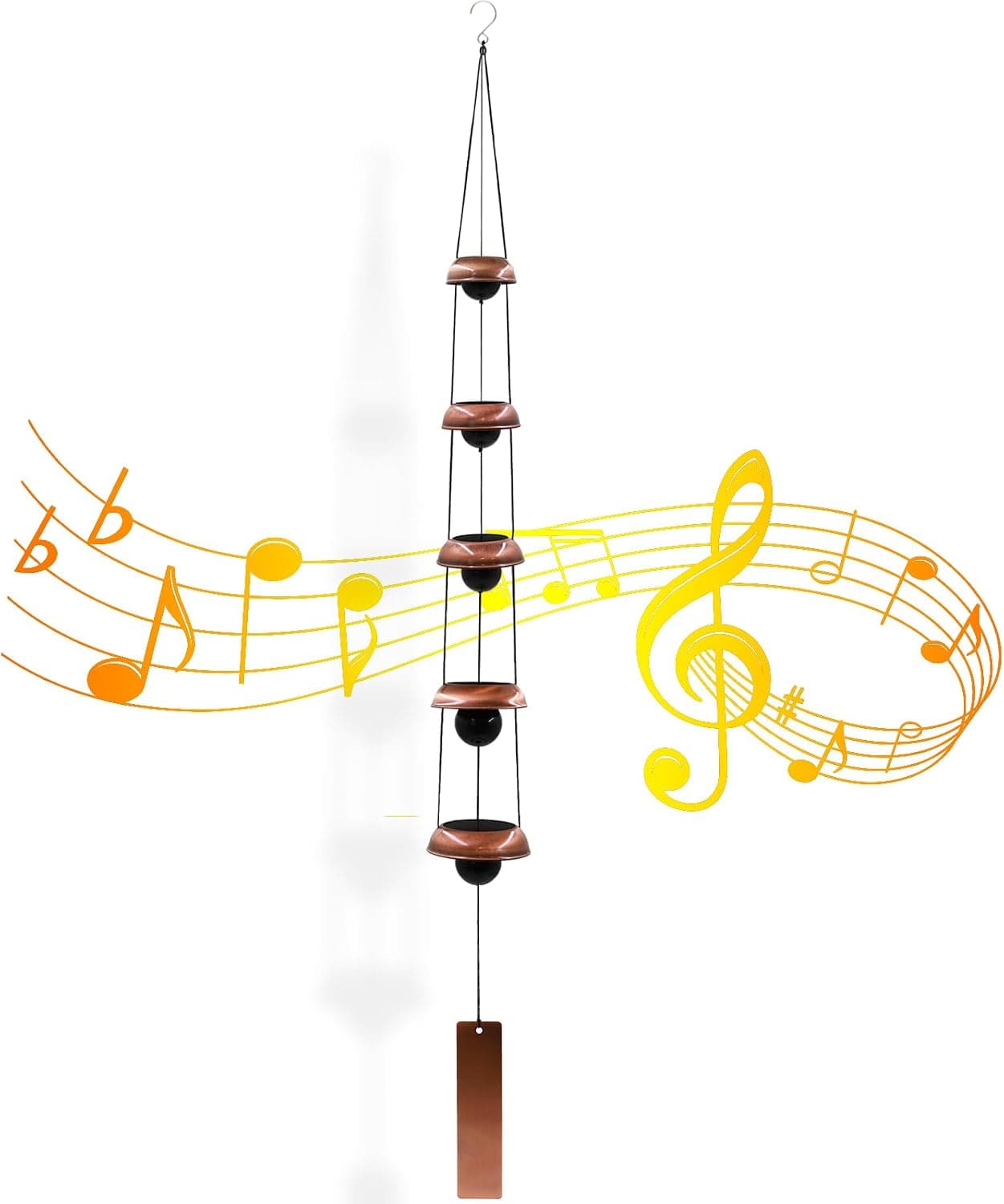
-19%Wind Chimes for Outside with 5 Bell Unique Copper Musical Chimes Feng Shui Wi...
 -5%
-5%YU FENG Evil Eye Money Tree, Blue Feng Shui Decor with Golden Buddha
 -29%
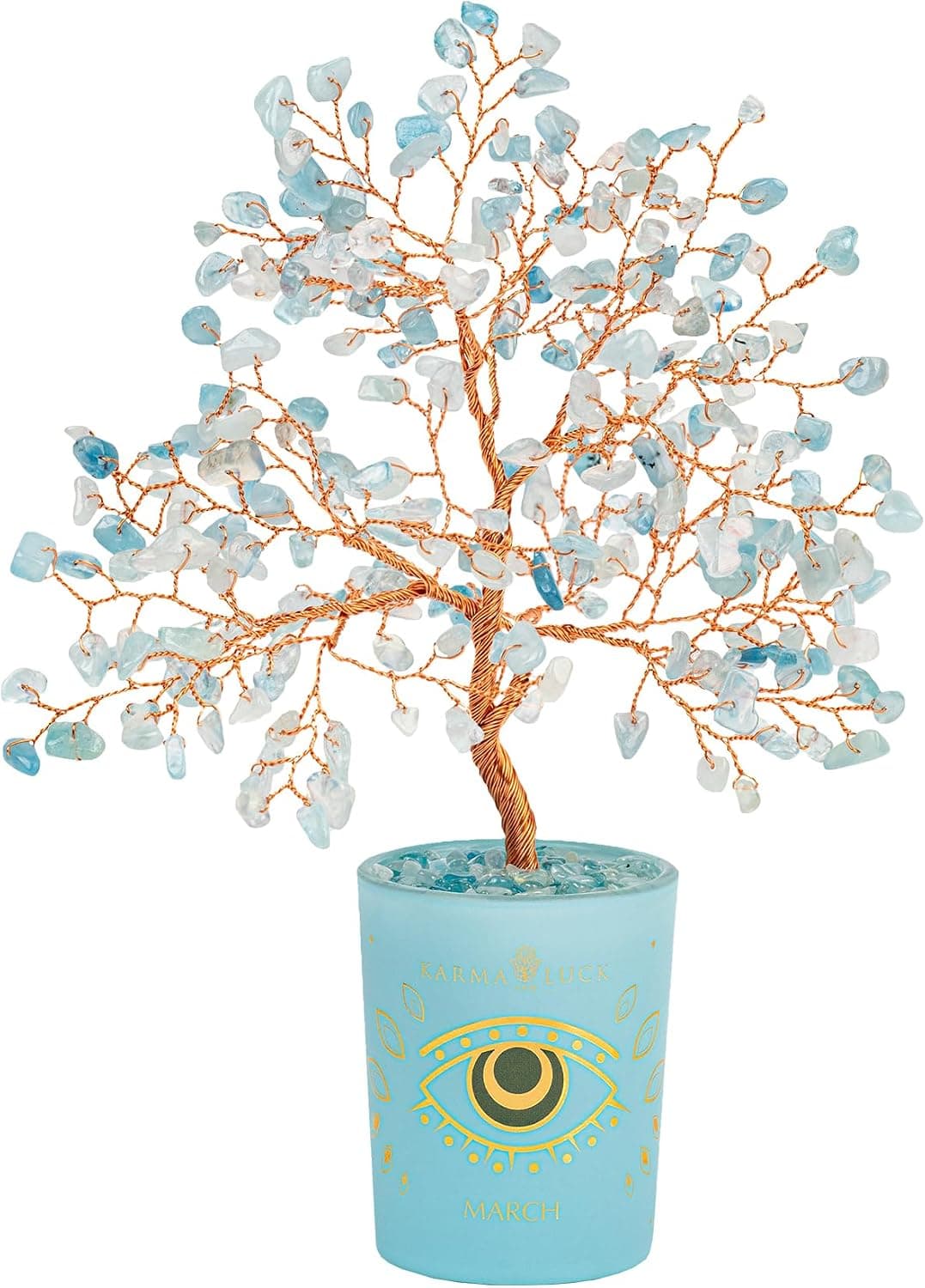
-29%Karma and Luck March Birthstone Crystal Tree of Life, Aquamarine Gemstone Fen...
 -29%
-29%Karma and Luck July Birthstone Crystal Tree of Life, Ruby Gemstone Feng Shui ...
As an Amazon Associate, we earn from qualifying purchases. We only recommend items our practitioners have personally tested.
Continue Your Journey
Explore these related guides to deepen your understanding:


Ready for Deeper Guidance?
Try our free I Ching reading for personalized wisdom, or explore our curated Feng Shui essentials.