The numbers matter, but the room still wins if the energy map is wrong.
The problem starts when the numbers look right and the room still feels off
You can measure your directions, plug in your birth data, and still wake up tired, irritable, or strangely stuck. I’ve walked into bedrooms where the chart said “excellent,” yet the bed sat in a hard line with the door, a black headboard leaned against a cold wall, and sleep had become light, broken, and expensive in every sense.
That is the first lesson people miss with a bagua map reading: the map gives you a framework, not a magic eraser. A room can have favorable sectors and still lose momentum if the layout, colors, and daily habits fight the pattern.
The mistake is treating the calculator like a verdict. It is better used as a translator. It tells you where your support, tension, and usable directions may sit, then you test that information against what is actually happening in the home.
One Saturday I visited a teacher’s apartment in Portland. Her dining area was painted pale gray-blue, the table was round but shoved against a wall, and a tall mirror faced the kitchen trash can. She had been using an online feng shui calculator for weeks and kept asking why her “wealth direction” changes did nothing. The answer was plain: the room was working against her before the chart even mattered.
The good news is that you do not need mystical theatrics to use this well. You need a calm process, a sharp eye, and a willingness to stop forcing one-size-fits-all advice into a real house.
What the calculator is actually doing
A feng shui calculator usually combines birth information with directional or life-pattern systems to suggest favorable and unfavorable orientations. Some versions lean on personal gua, some fold in Eight Mansions logic, and others try to simplify everything into a quick online output. That convenience is useful, but it also tempts people to stop thinking.
Here is the better way to read the result: use it to find your most supportive directions for sleep, work, and important seated activities, then compare those directions with the room’s strongest and weakest zones. If the chart says one thing and the architecture says another, architecture usually speaks louder. Walls, doors, windows, and circulation patterns are not background details. They are the stage.
That is why I rarely trust a single number without checking the room. A north-facing desk can be perfect on paper and still feel draining if it sits in a draft, faces a blank wall, and catches glare from an overhead light that flickers every evening at 4:30.
If you want the deeper logic behind that matching process, the method is easier to understand once you see how a home is read as a whole system. The calculator is one tool inside a larger field, not the whole field itself.
For many readers, the most useful next step is learning how the sectors of a home are interpreted in relation to daily use. That is where the home stops being generic and starts becoming personal.
How to use the result without turning your home into a laboratory
Start with the room that affects your life the most. For many people that is the bedroom, because poor sleep distorts everything else: patience, appetite, focus, even your willingness to clean. If your numbers suggest a supportive sleeping orientation, test it for two weeks before you change five other things. A small shift can be enough to show whether the room is responsive.
Then look at the piece of furniture that matters most in that room. In a work space, that may be the desk. In a bedroom, it is the bed. In a dining area, it is the table. Place the person, not just the object, in the strongest practical position: seeing the door if possible, not sitting in a blind corner, and not facing a harsh reflective surface all day. This is where the advice from a good home office layout page often helps, because the same principles of command position and clear sightlines apply.
After that, notice what the room asks for. Some rooms need grounding, not more movement. Some need light, not more red. Some need a softer material palette because the energy is already too sharp. A calculator may say a direction is favorable, but if the room is dominated by metal shelving, stark white walls, and a constant line of traffic, the body may still read it as stress.
One architect I worked with had an office facing a beautiful garden, yet she felt agitated every afternoon. The issue was not the view. It was the combination of a glossy black desk, a blue task lamp, and a chair placed directly under a beam. We shifted the chair six feet, changed the lamp to warm light, and added a low plant near the window. Within a week she said her shoulders had stopped climbing toward her ears.
If you want a home to respond, make the changes in this order: orientation, placement, then supporting details. Do not reverse it. People love buying objects first because objects feel productive. But a gold trinket in the wrong location is just décor with optimism attached.
For example, if you are tempted to add symbols of abundance before fixing circulation, check how energy is actually moving through the room. A path blocked by storage boxes, a chair jammed into a corner, or a door that hits furniture will undermine almost any adjustment you make later.
That same logic applies to more specialized cures. A crystal may support a room, but only after the room has been set up to receive it. If you want to compare common remedies, a practical starting point is the crystals overview for different rooms, then choose one small intervention and observe it.
One sentence matters here: test, do not worship. The calculator should help you notice patterns, not make you superstitious about every chair leg and wall color.
What to check before you trust the output
First, make sure you are using the right reference point. People often measure directions from the center of the room when they should be thinking from the home’s orientation or from the relevant facing direction of the building. That small error can send the entire reading sideways.
Second, ask whether the chart is meant for a house, an apartment, or a single person’s desk or bed. A shared family home rarely behaves like a personal reading done in isolation. The space has multiple users, multiple rhythms, and multiple pressures. That is why the most useful application is often the one closest to the body: where you sleep, where you sit, where you work.
Third, look for contradictions. If a result recommends one direction but the room forces you into a position with your back to the door, trust the physical reality enough to adjust. Real homes are not diagrams. They have plumbing, windows, radiators, pets, and children who ignore your plan.
I once saw a retired couple in a small Seattle bungalow who had placed their bed according to a favorable direction, only to discover they were sleeping with their feet aimed straight at the closet door. They kept waking up at 3 a.m., and the husband blamed “bad energy” in the house. The real problem was much simpler: the closet door reflected moonlight across the room whenever it slid open by a crack, and the bed’s position magnified every shadow. We fixed the door, shifted the bed, and the restless waking eased within days.
That is the kind of correction a calculator cannot make for you. It can point. You still have to see.
Common mistakes that make the tool look useless
The first mistake is changing too many things at once. When people do that, they never know what helped and what hurt. If you are serious, change one major placement, live with it, and give the home time to answer.
The second mistake is skipping the entry path and jumping straight to decorative fixes. A home that leaks energy at the front door cannot be rescued by a lucky object on a shelf. If the entry feels scattered, blocked, or weak, start with the front door and its immediate approach before you chase secondary cures.
There is another easy trap: assuming every favorable direction should be used in every room. It should not. A sleeping position, a reading chair, and a cooking area all ask for different treatment. That is where the calculator’s simplicity becomes its weakness.
Do not overcomplicate it with a dozen symbols either. I have seen apartments where every surface held a crystal, a plant, a fountain image, and a brass charm. The result was not abundance. It was visual noise.
How to make the result useful in real life
Use the reading to support your habits, not to replace them. If your best direction is meant for concentration, then set up a desk there and work in short, focused blocks. If your strongest orientation is for rest, make that area quiet, darker, and less active at night. If your dining area benefits from warmth, bring in richer textures rather than adding clutter.
Pay attention to what your body says after a change. You do not need a dramatic event. Sometimes the proof is ordinary: fewer late-night wakeups, less afternoon fog, or a room that suddenly feels easier to enter. Those are real signs, and they matter more than theory.
For readers who want to understand where placement meets symbolism, the dining and seating areas often reveal the pattern quickly. A room that supports connection tends to feel open without being empty, active without being noisy. A room that fights you feels tense, and no amount of positive thinking changes that.
If you are working with wealth or opportunity themes, remember that a supportive result is only one part of the equation. The surrounding environment still matters, from the view you see first thing in the morning to the objects you pass every night. A single lucky object cannot carry a home that is fundamentally misaligned.
That is why so many people get better results when they pair direction work with space clearing and thoughtful room use. It is not glamorous. It is effective.
FAQ
Does a feng shui calculator work the same for every person?
No. Personal direction systems vary, and the usefulness of the result depends on how the room is actually built. A strong reading for one person may be awkward in a shared home, which is why placement and function still come first.
Can I use the result for my bedroom and office at the same time?
You can, but do not assume the same direction will solve both spaces. Sleep and work ask for different energy states, so it is usually smarter to prioritize the room that affects you most right now. For many people, that means the bedroom before the desk.
What if the calculator says my current setup is unfavorable?
That is not a disaster. It is a prompt to make the strongest adjustment you can without breaking the room’s flow. Sometimes moving the bed a foot, changing the chair angle, or clearing a blocked approach makes a bigger difference than a total overhaul.
Do I need to buy remedies after I get the result?
Not at all. Surprising fact: the most useful changes are often free, such as improving sightlines, reducing clutter, and correcting a bad seating position. If you want to add remedies later, do it after the layout is working.
Mei Chen
Traditionally informed guidance • Cross-referenced with classical Chinese source texts
Content draws from both Compass (Luopan) and Form (Xingshi) school traditions. Illustrative examples are composites based on consultation experiences.
Practitioner-Selected Tools for This Topic
Items our team has tested and found effective for the principles discussed above. Individual results may vary.
 -19%
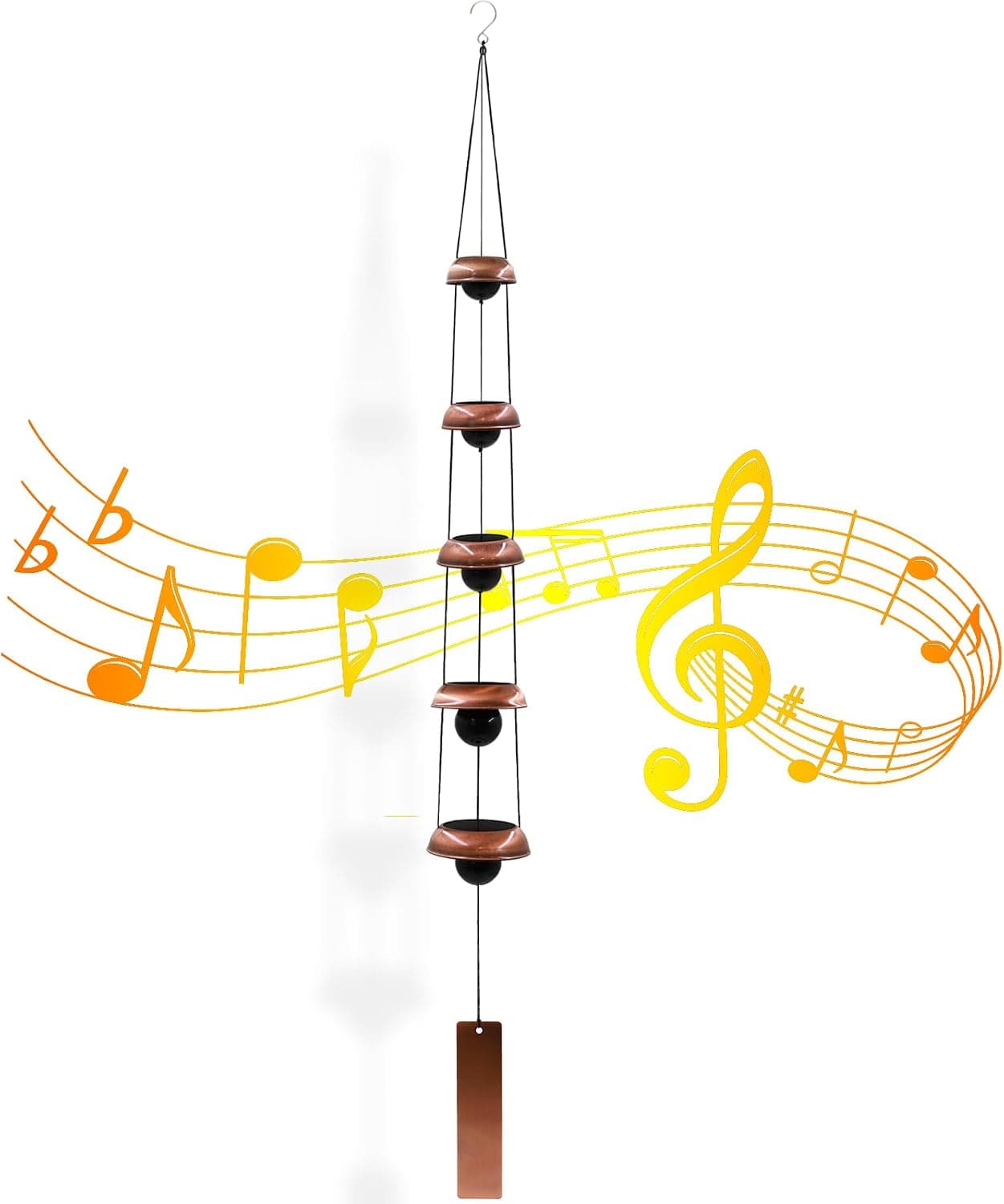
-19%Wind Chimes for Outside with 5 Bell Unique Copper Musical Chimes Feng Shui Wi...
 -5%
-5%YU FENG Evil Eye Money Tree, Blue Feng Shui Decor with Golden Buddha
 -29%
-29%Karma and Luck March Birthstone Crystal Tree of Life, Aquamarine Gemstone Fen...
 -29%
-29%Karma and Luck July Birthstone Crystal Tree of Life, Ruby Gemstone Feng Shui ...
As an Amazon Associate, we earn from qualifying purchases. We only recommend items our practitioners have personally tested.
Continue Your Journey
Explore these related guides to deepen your understanding:


Ready for Deeper Guidance?
Try our free I Ching reading for personalized wisdom, or explore our curated Feng Shui essentials.