The usual feng shui bracelet not working reasons are more basic than most people want to admit.
You did the work. The bracelet still stalled.
You bought the bracelet, charged it, wore it, and waited for the shift. Then the inbox stayed loud, the bills kept landing, and the bedroom still felt heavy at 2 a.m.
That is not a mystery.
Most people assume the problem is the stone itself. Usually, the real problem is much more practical: where you wear it, what the bracelet is made of, what it is supposed to support, and whether the rest of your environment is helping or fighting it.
I have seen people blame a bracelet for what was actually a cluttered desk, a bad front entry, or a sleep-dead bedroom. The charm was not failing in isolation. It was being asked to carry a whole house.
1. You wore it on the wrong hand
Some people put the bracelet on the hand that feels convenient and never think about it again. That feels right because jewelry is personal, and the wrist seems like a small detail. In practice, the wrong hand can change the direction of the effect, and for some people that shows up as agitation, scattered attention, or sleep disruption instead of calm support. If you have never checked the wearing method, start with this basic hand rule before you assume the bracelet itself is useless.
People love to call this superstition until they spend three weeks wondering why their mind feels wired after dinner.
One architect I worked with kept a black obsidian bracelet on her dominant hand while she was drafting proposals late at night. She liked the look, and she liked the idea that it was "protecting" her while she worked. What actually happened was less poetic: she kept reopening her laptop at midnight, rereading the same sentences, and sleeping in broken stretches until 3 a.m. The bracelet did not create the problem, but the way she used it amplified the wrong kind of output.
2. You tried to fix the room with a wrist charm
This is where people get disappointed fast. They treat the bracelet like a portable repair kit, then ignore the room that shapes most of their daily energy. It feels reasonable because a bracelet is easy to wear, and a bedroom makeover takes effort. But if your bed faces chaos, your front door is jammed with shoes, or your living room is crowded with dead electronics, the bracelet is not going to outvote the environment. If you want to understand why the whole system matters, look at the bedroom first and then check the front door, because those two places usually explain more than people want to hear.
A bracelet cannot outvote your room.
I walked into a small guest room last spring in a house outside Portland where a nurse named Dana kept her green bracelet on a ceramic dish beside a navy lamp. The walls were pale gray, the dresser was covered with unopened mail, and a broken clock sat above a stack of pharmacy receipts. She had assumed the bracelet would help her sleep because it was a calming stone. Instead, she was waking at 2:17 a.m. every night with a racing heart. We moved the mail, cleared the dresser, fixed the clock, and only then made sense of the bracelet as a support rather than a cure. Within a week, the room felt different, and so did she.
3. The stone may not be what you think it is
People hate this one because it turns the conversation from belief to materials. Still, a lot of supposed energy work fails because the piece is low-grade, dyed, treated, or simply not what the seller claimed. The bracelet can look convincing in a listing photo and feel convincing in the hand, which is exactly why people miss the problem. If you bought it from a marketplace seller with no details, compare it against a real-versus-fake checklist before you keep blaming your luck.
The emotional trap is simple: you want the object to be meaningful, so you overlook the evidence that it is just decorative glass or a mass-produced bead strand.
I once examined a bracelet for a teacher named Malcolm who had paid too much for a "rare" crystal version because the seller promised it was specially prepared for prosperity. The beads were all too uniform, the color looked painted, and the string had that stiff factory feel you notice only after handling enough authentic pieces. He wore it in his office, which had a red desk lamp, a bright white keyboard, and a pile of unpaid tuition forms tucked under a coffee mug. He expected a money shift. What he got was irritation every time he glanced at his wrist, because some part of him knew the item had been oversold. That kind of doubt is not neutral. It creates stagnant wealth qi before the bracelet even has a chance.
4. You never gave it a clear job
There is a common fantasy that the bracelet will figure out your intention for you. It will not. If you buy one for love, then mention money, then wear it to protect a friendship, the signal gets muddy fast. People feel this is flexible and spiritually open-minded. In reality, it is just mixed messaging. The bracelet can only support a direction when the direction is actually clear.
That confusion shows up in daily life as half-finished projects, vague anxiety, and the sense that opportunities drift past without landing.
I have seen this most often with students and freelancers. They wear the bracelet while telling themselves it should "help with everything," then wonder why nothing feels anchored. The better approach is sharper: decide whether the piece is for protection, calm, focus, or wealth support, and let that be its job. You would not ask one lamp to light the hallway, the kitchen, and the basement at once. A bracelet is no different.
5. Your money habits are fighting the bracelet
This is the mistake people resist most because it sounds too ordinary. They want the bracelet to attract abundance while they keep a cluttered wallet, a desk full of unpaid notices, and a budget that leaks every Friday night. It feels right to expect the charm to do the heavy lifting. What actually happens is more blunt: the bracelet sits on top of chaos and the chaos wins. If the goal is wealth, the supporting pieces matter, especially the practical ones you can see every day; that is why I send people to the money cures that do the heavy lifting only after they clean up the basics.
Wealth qi needs a place to land.
If your wallet is frayed, your cash is folded into random pockets, and your desk is a landfill of receipts, then the bracelet is trying to support an open leak. I have watched a retiree in a beige kitchen with a chipped blue mug on the counter blame a bracelet for slow finances while the real issue was a drawer stuffed with unopened bank mail. Once we cleared that drawer, sorted the statements, and gave her a designated place for important papers, she stopped feeling like money was slipping through her hands. That is not mysticism. It is structure.
6. You overloaded the system with too many signals
More is not better. That idea wrecks a lot of good feng shui work. People stack a bracelet with three other crystals, a red string, a ring from a relative, and a lucky charm from an airport kiosk. It feels powerful because the wrist looks "protected" and busy. In practice, it often creates energetic noise. The result can be headaches, overthinking, emotional friction, or the strange feeling that you are always on but never grounded.
One chef I met kept a bracelet, two amulets, and a brass coin tied to the same wrist while working double shifts. By the end of the week he was tired, irritable, and strangely forgetful with orders. Once we simplified the setup and removed the extra pieces, the difference was obvious within days.
People confuse density with strength. They are not the same thing.
What Actually Works Instead
If the bracelet is supposed to support money, start by cleaning up the conditions that money notices first: your entry, your desk, your wallet, and the places where you make decisions. Then choose a single support item with a clear purpose and use it consistently. That is why the best results usually come from combining a bracelet with the right room fixes and a focused wealth setup, not from collecting more shiny objects.
If you want the practical next step, stop treating the bracelet as the whole strategy and build the rest of the field around it. The pieces that support prosperity have to work together, and once you see that, the bracelet stops feeling random and starts acting like part of a system.
FAQ
Should I wear the bracelet every day? Daily wear can help if the piece is clean, the purpose is clear, and the placement is correct. If wearing it makes you tense or distracted, the problem is usually not consistency; it is mismatch.
How long before I notice a change? Some shifts are immediate, especially in how a room or routine feels. Bigger patterns, like money flow or relationship tone, usually take longer because they are responding to behavior and environment, not just the bracelet.
Can I wear more than one bracelet at the same time? You can, but stacking too many intentions can muddy the result. I have seen people feel mentally noisy and wonder why their focus collapses by noon.
Do I need to cleanse it? Counterpoint: cleansing is not a magic reset button. It helps when the bracelet has absorbed a lot of handling or stale use, but it will not fix a fake stone, a bad hand choice, or a room that is already fighting you.
Mei Chen
Traditionally informed guidance • Cross-referenced with classical Chinese source texts
Content draws from both Compass (Luopan) and Form (Xingshi) school traditions. Illustrative examples are composites based on consultation experiences.
Practitioner-Selected Tools for This Topic
Items our team has tested and found effective for the principles discussed above. Individual results may vary.
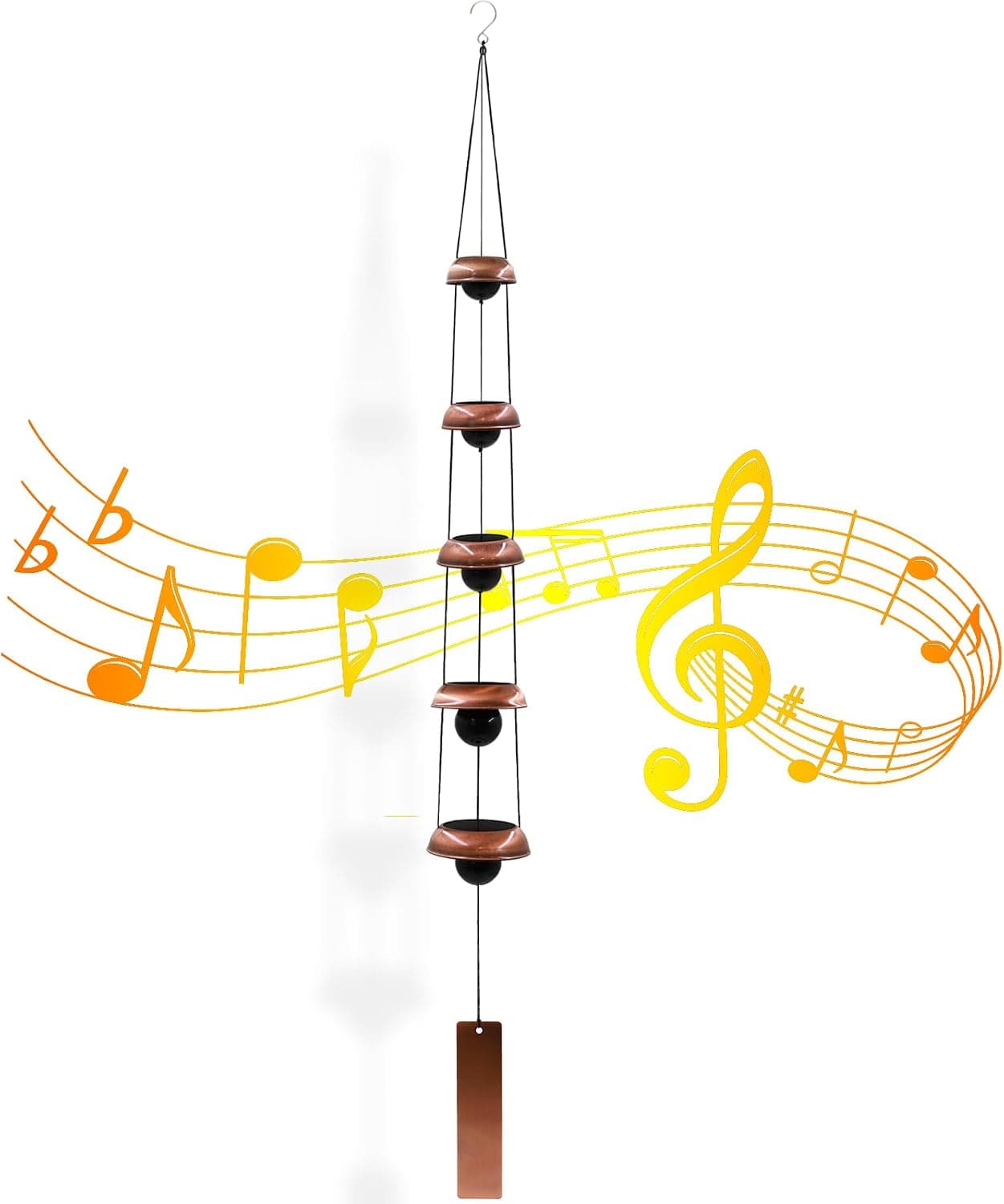 -19%
-19%Wind Chimes for Outside with 5 Bell Unique Copper Musical Chimes Feng Shui Wi...
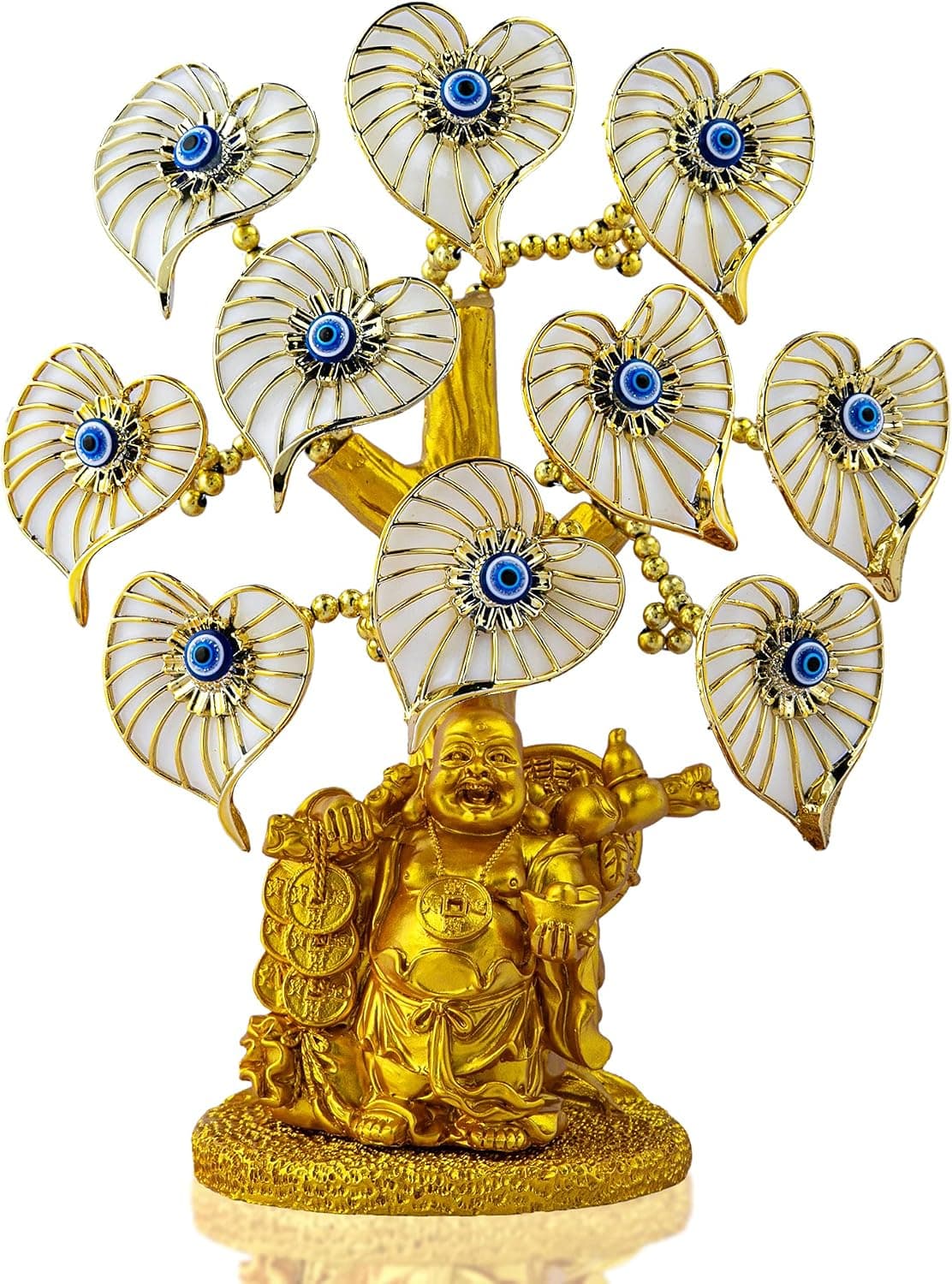 -5%
-5%YU FENG Evil Eye Money Tree, Blue Feng Shui Decor with Golden Buddha
 -29%
-29%Karma and Luck March Birthstone Crystal Tree of Life, Aquamarine Gemstone Fen...
 -29%
-29%Karma and Luck July Birthstone Crystal Tree of Life, Ruby Gemstone Feng Shui ...
As an Amazon Associate, we earn from qualifying purchases. We only recommend items our practitioners have personally tested.
Continue Your Journey
Explore these related guides to deepen your understanding:


Ready for Deeper Guidance?
Try our free I Ching reading for personalized wisdom, or explore our curated Feng Shui essentials.