
Most people wear feng shui bracelets without knowing the one rule that determines whether they actually work.
The Bracelet on Your Wrist Is Either Working or It Isn't
Most feng shui bracelets sold today are decorative jewelry with a spiritual story attached. That's not necessarily a problem, but it does mean the majority of people wearing them have no idea whether their bracelet is doing anything at all. They bought something beautiful, they feel vaguely hopeful, and six months later nothing has changed. They conclude that feng shui bracelets don't work. What actually happened is that they skipped every step that makes them work.
This guide covers the complete picture: what feng shui bracelets are rooted in, how to choose one based on your actual energy needs rather than aesthetics alone, how to activate and wear them correctly, and what to do when they stop feeling right. If you've already bought a bracelet and felt nothing, there's a good chance this guide will tell you exactly why.
Quick Start: What You Actually Need to Know First
Before diving into the details, here are the four things that matter most. First, a bracelet should correspond to your personal elemental imbalance, not just a general intention like "wealth" or "love." Second, the left wrist receives energy; the right wrist projects it. Where you wear the bracelet changes its function entirely. Third, activation matters. An uncleansed, unprogrammed bracelet is just a stone on a string. Fourth, bracelet maintenance is real. Crystals and materials absorb energy over time and need periodic cleansing.
Everything below expands on these four points with enough depth to make real choices.
The Philosophical Foundation: Why Bracelets at All?
Feng shui works with the flow of qi, the animating energy that moves through spaces, bodies, and objects. In classical practice, qi management happened primarily through architecture, furniture placement, and environmental design. Personal objects came later, but the logic is consistent: anything worn close to the body continuously interacts with your personal qi field.
The Five Elements system, which underlies almost all feng shui diagnosis, identifies five energetic qualities: Wood, Fire, Earth, Metal, and Water. Each person has a constitutional imbalance, areas where one element dominates and another is depleted. A feng shui bracelet, when chosen correctly, introduces the missing element through material, color, and symbolic resonance. This is why a generic "good luck" bracelet is a blunt instrument. It has no idea what you're missing.
If you've ever felt that your feng shui adjustments weren't producing results even when you followed every instruction carefully, the issue is often this elemental mismatch. The deeper explanation is in why your feng shui still feels off even when you did everything right, which walks through how elemental diagnosis actually works and why generic fixes fail most people.
Types of Feng Shui Bracelets: Materials and Their Meanings
The material is not decoration. It is the mechanism. Here is how the main categories break down.
Obsidian
Black obsidian is the most commonly recommended feng shui bracelet material, and it is also the most frequently misused. Obsidian is a Water element stone with strong protective and absorptive qualities. It draws negative qi away from the wearer. The problem is that it absorbs everything it encounters, positive and negative alike, which means it requires more frequent cleansing than almost any other material. I've seen people wear obsidian bracelets for years without ever cleansing them, then wonder why they feel heavy and drained. The bracelet was doing its job too well.
The pixiu obsidian bracelet, featuring a mythological creature said to attract and retain wealth, is the most popular version on the market. It works specifically for wealth accumulation intentions and should be worn on the left wrist to receive incoming prosperity qi. There are specific rules around pixiu care: don't let others touch it, don't let it face downward, and cleanse it monthly at minimum.
Citrine
Citrine is a Fire and Earth element stone associated with solar energy, confidence, and the kind of expansive optimism that precedes actual opportunity. Unlike obsidian, citrine doesn't absorb negative energy, which means it doesn't accumulate the same heaviness over time. It's a genuinely low-maintenance choice for someone new to crystal bracelets. It works well for people who feel stuck creatively or financially due to low motivation rather than external obstacles.
Green Jade
Jade carries centuries of meaning in Chinese culture far predating modern feng shui bracelet trends. It corresponds to the Wood element and carries associations with growth, protection, longevity, and moral integrity. Genuine nephrite or jadeite is expensive; the market is flooded with dyed quartzite sold as jade. The energetic properties attributed to real jade don't transfer to a convincing lookalike, so provenance matters here more than with most materials.
Red String
The red string bracelet operates differently from crystal-based designs. It doesn't introduce elemental energy so much as it acts as a protective talisman rooted in both Chinese and Kabbalistic traditions. In Chinese practice, red corresponds to Fire energy and yang vitality. It's given as a protective gift, particularly to children and during vulnerable life transitions. The string should be tied by someone who wishes you well, with intention, and worn until it breaks naturally.
Tiger's Eye, Amethyst, and Labradorite
Tiger's eye is an Earth and Fire hybrid that supports grounded confidence, particularly useful for people in negotiations or competitive environments. Amethyst is a Water element stone associated with clarity and spiritual discernment; it's less about attracting things and more about clearing the mental noise that blocks good decisions. Labradorite is harder to classify elementally but is consistently associated with protection during change and transitions, making it a good choice during major life shifts.
Choosing the Right Bracelet: Elemental Diagnosis First
The starting point is never "what do I want?" It's "what am I missing?" These two questions lead to very different choices.
If you consistently feel anxious, scattered, or unable to rest, you likely have excess Wood or Fire and a Water deficiency. Black obsidian or amethyst would support rebalancing. If you feel unmotivated, cold, and lack the drive to pursue goals, excess Water or Earth with depleted Fire suggests citrine or tiger's eye. If your relationships feel consistently strained or you struggle with boundary issues, Metal element deficiency is often involved; clear quartz or white jade would apply.
Your birth element, derived from your Chinese zodiac year and the ba zi (four pillars) system, adds another layer. This is where a proper feng shui consultation pays off, but even a basic understanding of your dominant element gives you a starting filter. The bagua map guide explains how the eight life areas correspond to elements, which can help you identify which part of your life feels most energetically starved and therefore which element to prioritize.
Left Wrist vs. Right Wrist: This Is Not a Minor Detail
In Chinese energy medicine and feng shui, the left side of the body is the receiving side, drawing in external qi. The right side is the projecting side, sending energy outward. This maps directly to bracelet placement.
Wear a bracelet on your left wrist when you want to attract or absorb something: wealth qi, protective energy, emotional healing, creative inspiration. Wear it on your right wrist when you want to project or release something: sending positive energy to others, releasing a specific pattern, projecting authority in professional contexts.
Most feng shui bracelets, particularly wealth and protection designs, are meant for the left wrist. But wearing a citrine bracelet on your right wrist during a difficult conversation you want to navigate with warmth and confidence is a legitimate and underused application.
Activation: The Step Most People Skip
A new bracelet needs cleansing before it's worn. It has passed through multiple hands and environments before reaching you, and those energetic residues don't vanish because you paid for it. The cleansing options are:
Moonlight cleansing. Leave the bracelet outdoors or on a windowsill during a full moon. This is gentle enough for all materials and doesn't risk the damage that some other methods cause. Sunlight works for most stones but will fade amethyst and citrine over time. Sound cleansing with a singing bowl works well for crystal bracelets. Running the bracelet through incense smoke (sandalwood or frankincense work well) is a quick method for ongoing maintenance between deeper cleansings.
After cleansing, hold the bracelet in both hands, close your eyes, and state a specific intention. Not "I want to be wealthy" but something closer to "I am open to receiving the opportunities that match my purpose." Specificity and receptivity both matter. The intention programs the object, giving it a direction rather than just a cleared state.
Wearing Protocols and Daily Practice
A feng shui bracelet worn mindlessly becomes wallpaper. A few simple practices keep it active. Remove it before sleeping if it's a high-absorption stone like obsidian; wearing it during sleep means it absorbs your dream-state energy all night, which isn't the intention. Remove it before showering, both to protect the materials and because the act of removal and replacement becomes a small daily ritual of intention.
If you wear multiple bracelets, consider whether their elemental energies complement or contradict each other. Water and Fire elements together create conflict. Earth and Water conflict. Wood and Fire work well; Metal and Water work well. When in doubt, wear one bracelet at a time until you understand its effect on your energy.
The philosophical underpinning here connects to something broader than bracelet mechanics. The Tao Te Ching teaches that wu wei, effortless action, comes from alignment rather than force. A bracelet worn with frantic hoping pushes against this principle. Worn with settled intention and genuine openness, it becomes part of a practice rather than a superstition. The Tao Te Ching's timeless wisdom offers context for why this receptive, non-grasping approach tends to produce better results than anxious wishing.
When Your Bracelet Feels Wrong
There are situations where a bracelet that was working well starts to feel heavy, uncomfortable, or energetically neutral. This is usually one of three things. The bracelet needs cleansing, which is the most common cause. Your personal energy has shifted and you now need a different elemental support. Or the bracelet has done what it was meant to do and the relationship is complete.
I've spoken with a musician named Odessa who wore a black obsidian bracelet through a difficult professional transition, felt it was actively helpful, and then one morning found it simply felt wrong to put on. She cleansed it, waited a week, and felt no pull to wear it again. She moved to a green jade bracelet and felt it was right immediately. Her energy had shifted; the obsidian had served its purpose. Forcing a bracelet to keep working past its relevant phase is like continuing a treatment after the symptoms are gone.
Bracelets also break. In feng shui belief, a bracelet that snaps has absorbed a negative energy hit that was meant for you, essentially taking one for the wearer. Don't repair it. Thank it and dispose of it respectfully, ideally in running water or by burying it in earth.
Bracelets in Context: They Supplement, They Don't Replace
The most important thing to say about feng shui bracelets is that they are personal qi adjustments, not environmental feng shui substitutes. A bracelet cannot compensate for a home with structural sha qi, a bedroom facing the wrong direction, or a wealth corner that's been ignored for years. It amplifies and supports; it doesn't replace the foundational work.
If you're working on your personal energy with a bracelet while also tending to your living environment, the effects compound. If you're relying on a bracelet to fix something that needs spatial work, you'll be disappointed. The bedroom is often the place where personal and environmental feng shui intersect most directly; feng shui for the bedroom covers how to create the environmental conditions that support everything a bracelet practice is trying to achieve.
Deeper Articles in This Guide
This pillar covers the full framework. The deeper articles in this cluster go narrower: specific bracelet types for specific intentions, how to choose a bracelet by birth element, the distinction between genuine and fake materials, and care protocols for each major stone type. Use this page as the map and the linked articles as the detailed routes.
Mei Chen
Traditionally informed guidance • Cross-referenced with classical Chinese source texts
Content draws from both Compass (Luopan) and Form (Xingshi) school traditions. Illustrative examples are composites based on consultation experiences.
Practitioner-Selected Tools for This Topic
Items our team has tested and found effective for the principles discussed above. Individual results may vary.
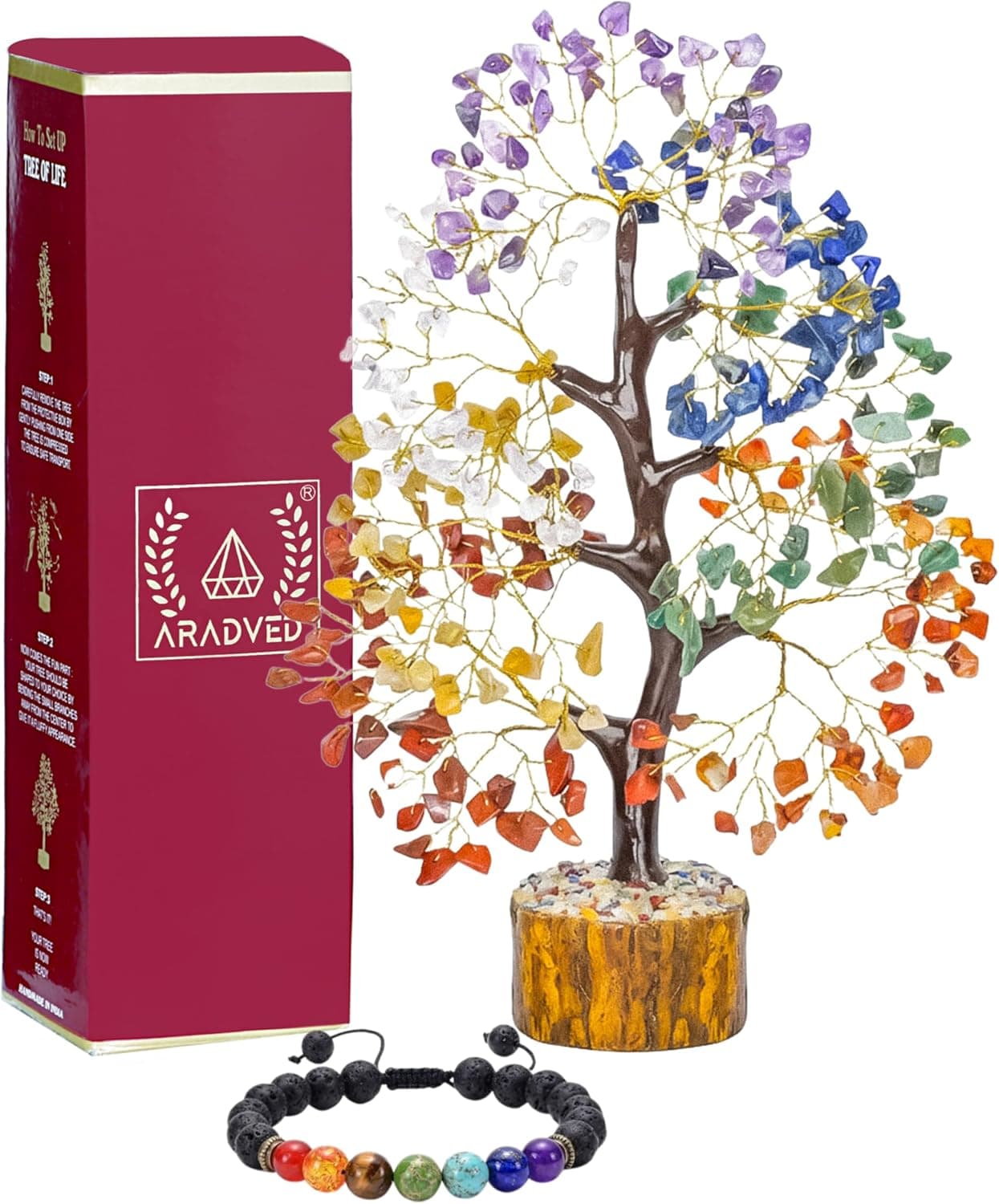 -25%
-25%ARADVED 7 Chakra Crystal Tree 300 Beads & Healing Bracelet Set - Tree of Life...
Code: SAVE25NOW26
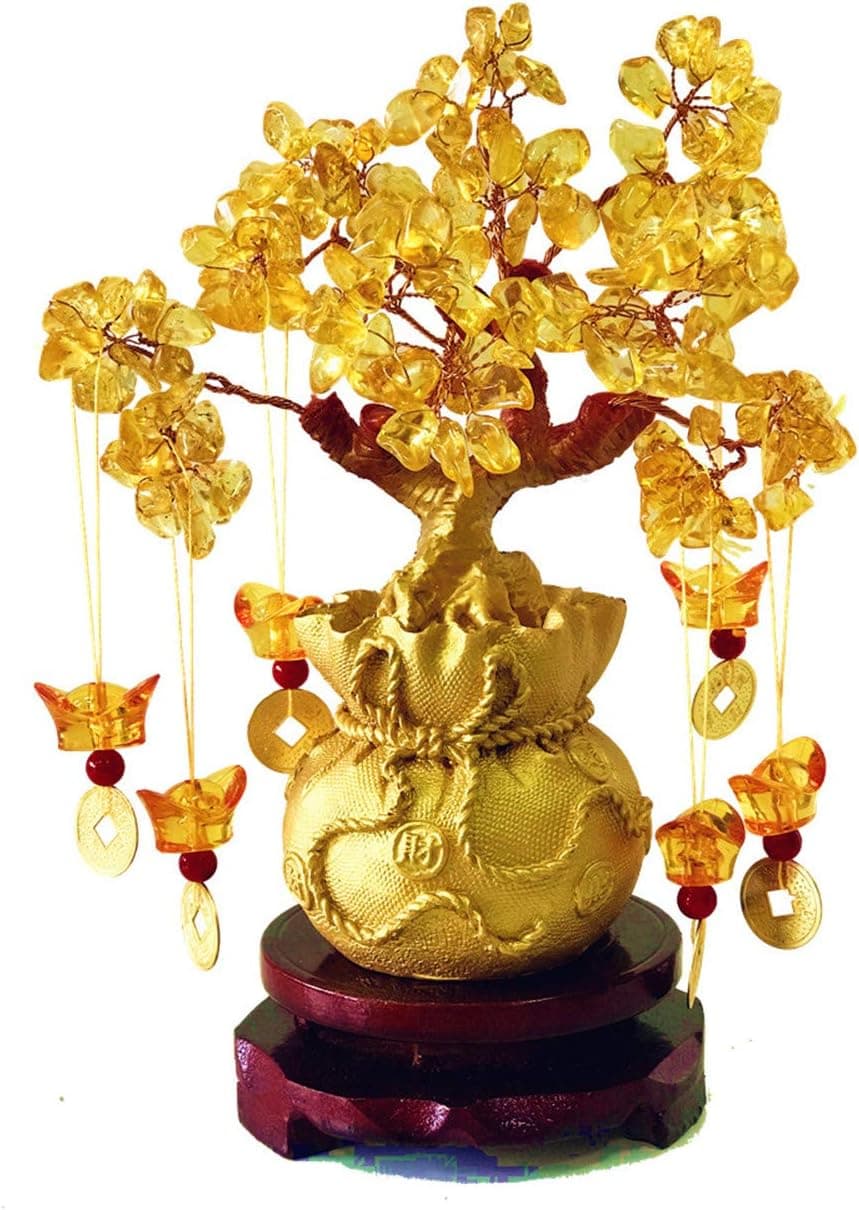 -15%
-15%Picmoo Feng Shui Citrine Money Tree and Crystal Faucet Tree - Chinese Dragon ...
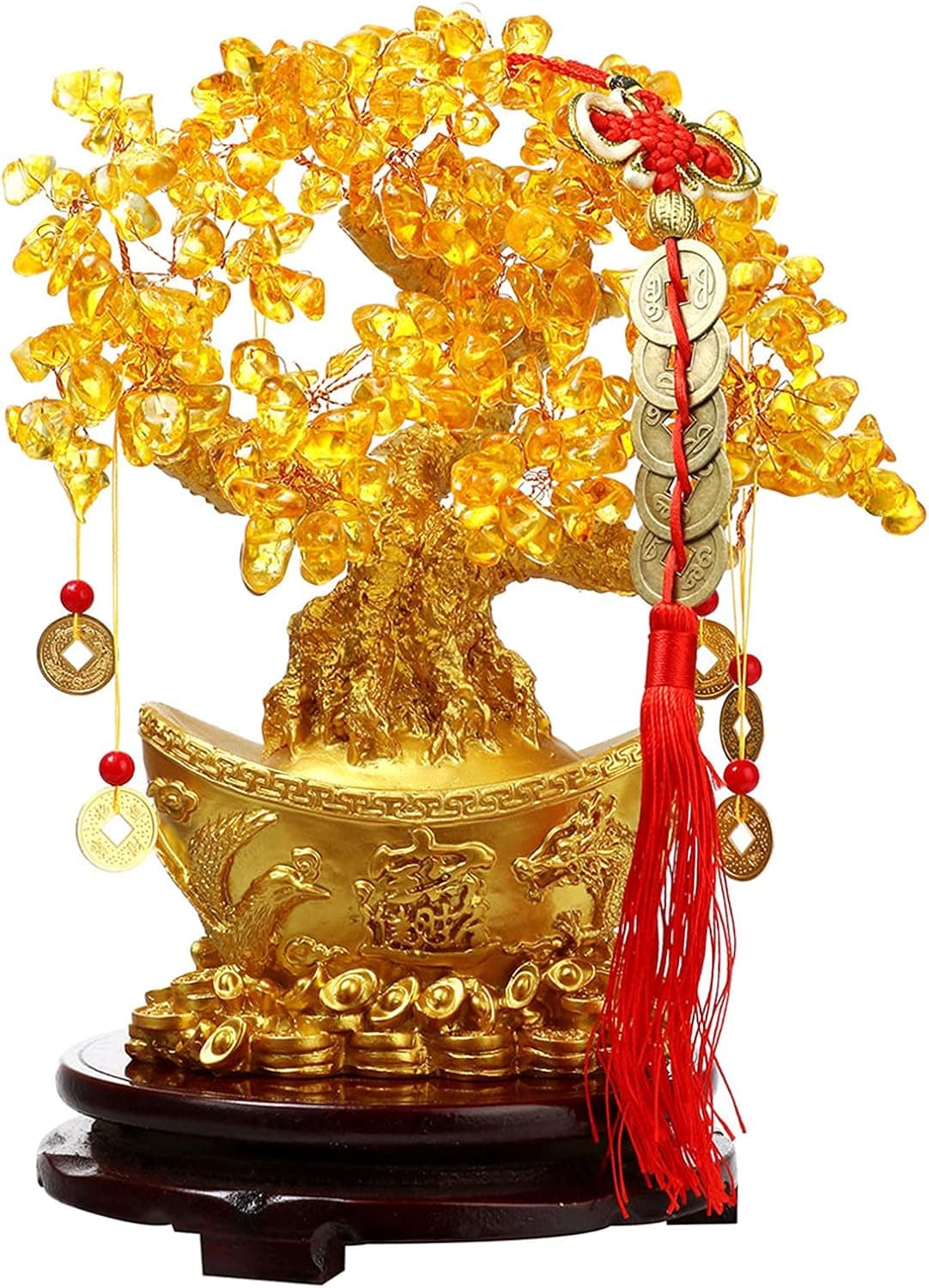 -15%
-15%Comeon Feng Shui Money Tree Crystal Quartz Lucky Tree (Trumpet: 19cm)
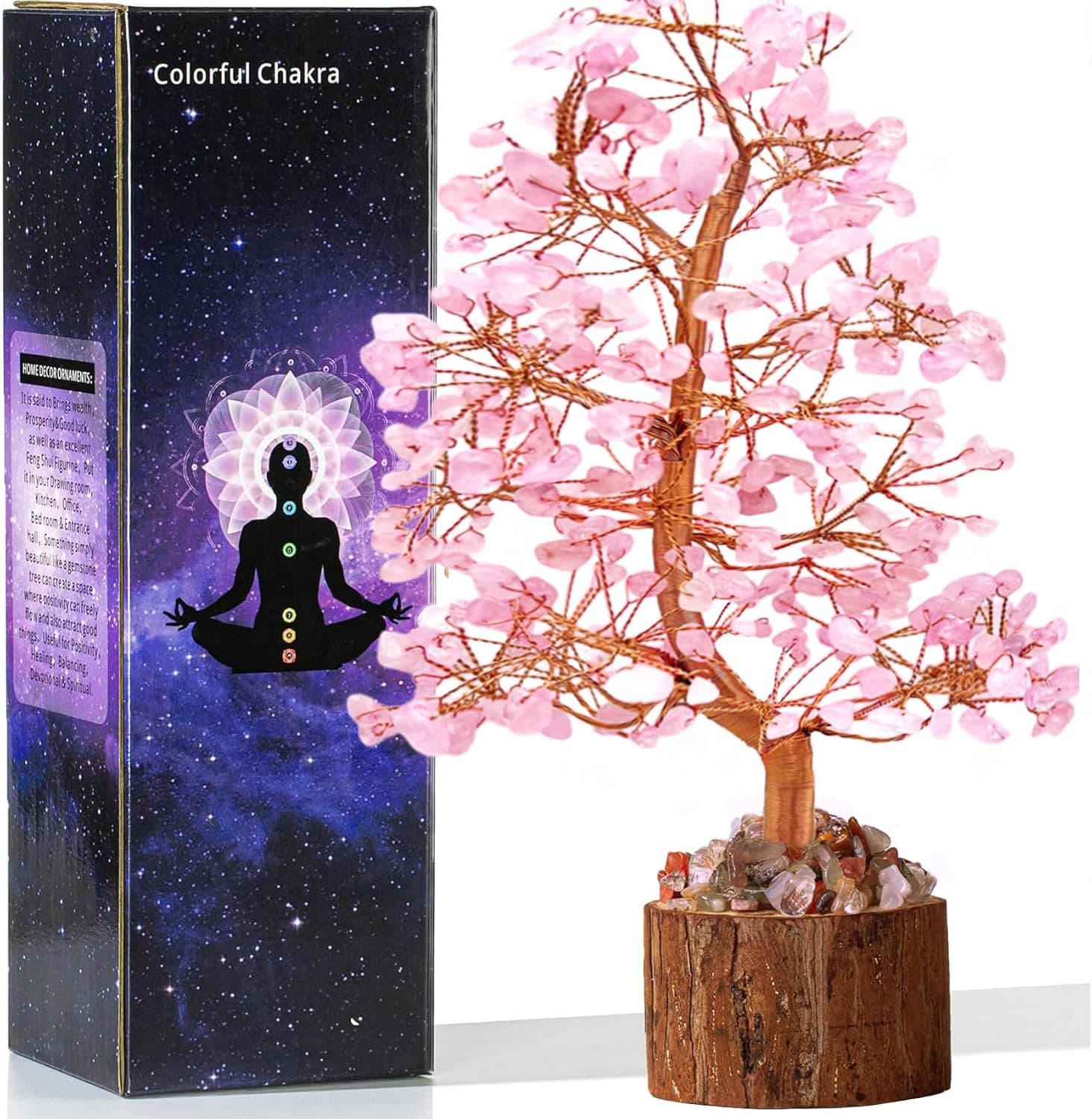 -14%
-14%Tizzomx Crystal Healing Chakra Tree of Life Rose Quartz, Sister Women Mom Bir...
As an Amazon Associate, we earn from qualifying purchases. We only recommend items our practitioners have personally tested.
Continue Your Journey
Explore these related guides to deepen your understanding:


Ready for Deeper Guidance?
Try our free I Ching reading for personalized wisdom, or explore our curated Feng Shui essentials.