A bracelet won’t fix a messy life, but in the right setting it can support the exact shift you want.
Some objects work because they interrupt autopilot
Years ago, I sat with a client at a small oak kitchen table in Portland. She had a stack of unpaid envelopes, a chipped white mug, and a simple red cord bracelet she kept sliding between her fingers. She was not asking for luck. She was asking for a way to stop impulse spending at 11 p.m. when she felt tired, lonely, and a little defeated. That is where a bracelet can actually earn its keep: not as a miracle charm, but as a physical reminder that catches you before you repeat the same mistake.
Most people buy one hoping the object will do the heavy lifting. It won’t. What it can do is support a new habit, especially when money decisions, focus, and self-control are under pressure. When the bracelet is tied to a real rule, it becomes useful. When it is just pretty jewelry, it usually ends up in a drawer.
I often tell clients that placement and routine matter more than the item itself. If you want the broader logic behind this, start by understanding how the home supports different intentions through learn how different areas of a home support different goals.
When I tell someone to buy one
I recommend it when the person needs a reminder that moves with them. A desk object can only help when you are at the desk. A bracelet follows you to the grocery store, the airport, the school pickup line, and that awkward stretch after dinner when you are most likely to shop without thinking.
For money goals, that portability matters. I have seen it help with spending limits, pricing confidence, and the habit of pausing before a purchase. I’ve seen more than 200 homes where the real problem was not lack of intention, but lack of a cue at the exact moment temptation showed up.
Some people need something subtle. Others need a piece they can feel every time their hand reaches for the wallet.
Simple options for people just starting
If you are testing the waters, keep it plain. A cord bracelet, a small bead strand, or an unadorned metal band is enough if you actually wear it. The material is not the whole story. The story is the repetition, and most people skip that part.
This is best for students, job changers, people recovering from a costly season, and anyone who wants a discreet reminder. Wear it on the non-dominant wrist if you want it to feel like a cue rather than a statement. If wearing it feels too much, place it in a dish near your wallet or budget notebook.
I once worked with a woman who kept a plain black bracelet on a pale blue ceramic tray beside her laptop. For nearly ten days she barely touched it. Then she started picking it up before opening her banking app, and her late-night Amazon orders dropped fast because the pause gave her enough room to think.
That tiny pause changed everything.
What costs a little more and why people choose it
Some people want a stronger signal. In that case, stones, engraved metal, or a color with clear intention can help. Red often feels activating. Earth tones feel steadier. Dark pieces feel contained and less distracting. The real test is whether the item supports the behavior you want when stress is high.
I have to say this plainly: people often buy the one that looks impressive and then never wear it because it clashes with their clothes or their habits. That is decoration, not practice.
This tier fits freelancers, business owners, caregivers, and anyone making a dozen decisions before lunch. It works because it creates consistency. If the goal is daily discipline, keep it visible. If you are also adjusting your workspace, the room matters too. I break that down in my guide to setting up a steadier work zone.
When a higher-end piece makes sense
Spend more only if the bracelet feels like a commitment, not a shopping impulse. A higher-end piece might use jade, silver, gold accents, or carefully selected stones. That can be meaningful when you are marking a serious shift such as launching a business, paying off debt, or ending a pattern that kept draining your money.
This is best for a transition, not a trend. If the piece helps you stay focused for years, the price can be justified. If you buy it just because the marketing sounds mystical, you are paying for packaging.
One spring afternoon, I walked into a renovated dining room with cream walls and a dark walnut sideboard. On a folded linen napkin sat a gold-toned bracelet next to a red envelope and a ledger notebook. The homeowner, a retired architect, wore it only when reviewing investments on Sunday mornings. He told me, very matter-of-factly, that putting it on told his mind, “We are being careful now.” That was the whole point.
Match the piece to the job
For focus, choose something clean and uncomplicated. For confidence, a more assertive design usually works better. For stability, earth colors tend to feel calmer than shiny, attention-seeking ones. If you want protection from chaotic spending, a darker piece can feel less fussy and easier to wear without constant adjustment.
Do not shop by what strangers praise online. Shop by the behavior you need to change.
And if the goal is larger than one habit, pair the bracelet with the part of the home where your financial decisions actually happen. A steady setup will do more than any charm by itself. If you want another wealth symbol that gets used badly all the time, see where a money tree actually belongs.
Where to keep it when it is off your wrist
If you are not wearing it all day, place it where the decision happens. That might be beside a journal, inside a jewelry dish on a dresser, or near the checkbook if you still use one. Do not toss it into a drawer with loose batteries, old receipts, and spare keys. That kind of clutter muddies the signal.
A small white dish works. A fabric pouch works. A box lined with red or gold fabric can also work if you want the item to feel part of a deliberate ritual.
The point is not to make it precious. The point is to make it easy to find and easy to use.
Quick comparison
| Item | Best for | Price range |
|---|---|---|
| Simple cord bracelet | Beginners and quiet daily reminders | $10-$25 |
| Beaded bracelet | People who want a visible cue | $20-$60 |
| Metal or engraved bracelet | Work discipline and milestone goals | $35-$120 |
| Stone or jade bracelet | Long-term symbolic commitment | $50-$300+ |
If you only buy one
Pick the simplest piece you will actually wear. That is usually the smartest choice, even if it feels less exciting than the polished bracelet you saved at midnight. A useful object in rotation beats an expensive one hiding in a box.
If your goal is money discipline, attach one clear rule to it. No spending before a ten-minute pause. No shopping after 9 p.m. No adding items to cart while annoyed. The bracelet becomes useful when it is connected to action, not fantasy.
That part matters more than people want to admit.
FAQ
Can a bracelet really affect feng shui?
Yes, but not in the way people usually imagine. Its value comes from the meaning, timing, and habit it supports. In practice, it works best as a wearable reminder attached to one specific intention.
Should I wear it every day?
If you are trying to change a habit, daily wear helps. If the piece feels too heavy, too flashy, or just plain annoying, reserve it for budgeting sessions, work hours, or moments when you know you tend to slip.
What color should I choose for money goals?
Red can feel energizing, while gold and earth tones usually feel steadier for wealth-related intentions. I tell clients to choose the color they can live with, because consistency beats symbolism every time.
Can I keep it near other feng shui items?
Yes, as long as the grouping makes sense. A bracelet can sit near a wallet, journal, or crystal if the arrangement has one job. For a stronger setup, it can also work alongside choosing stones that suit a specific intention, so the pieces support each other instead of competing for attention.
Mei Chen
Traditionally informed guidance • Cross-referenced with classical Chinese source texts
Content draws from both Compass (Luopan) and Form (Xingshi) school traditions. Illustrative examples are composites based on consultation experiences.
Practitioner-Selected Tools for This Topic
Items our team has tested and found effective for the principles discussed above. Individual results may vary.
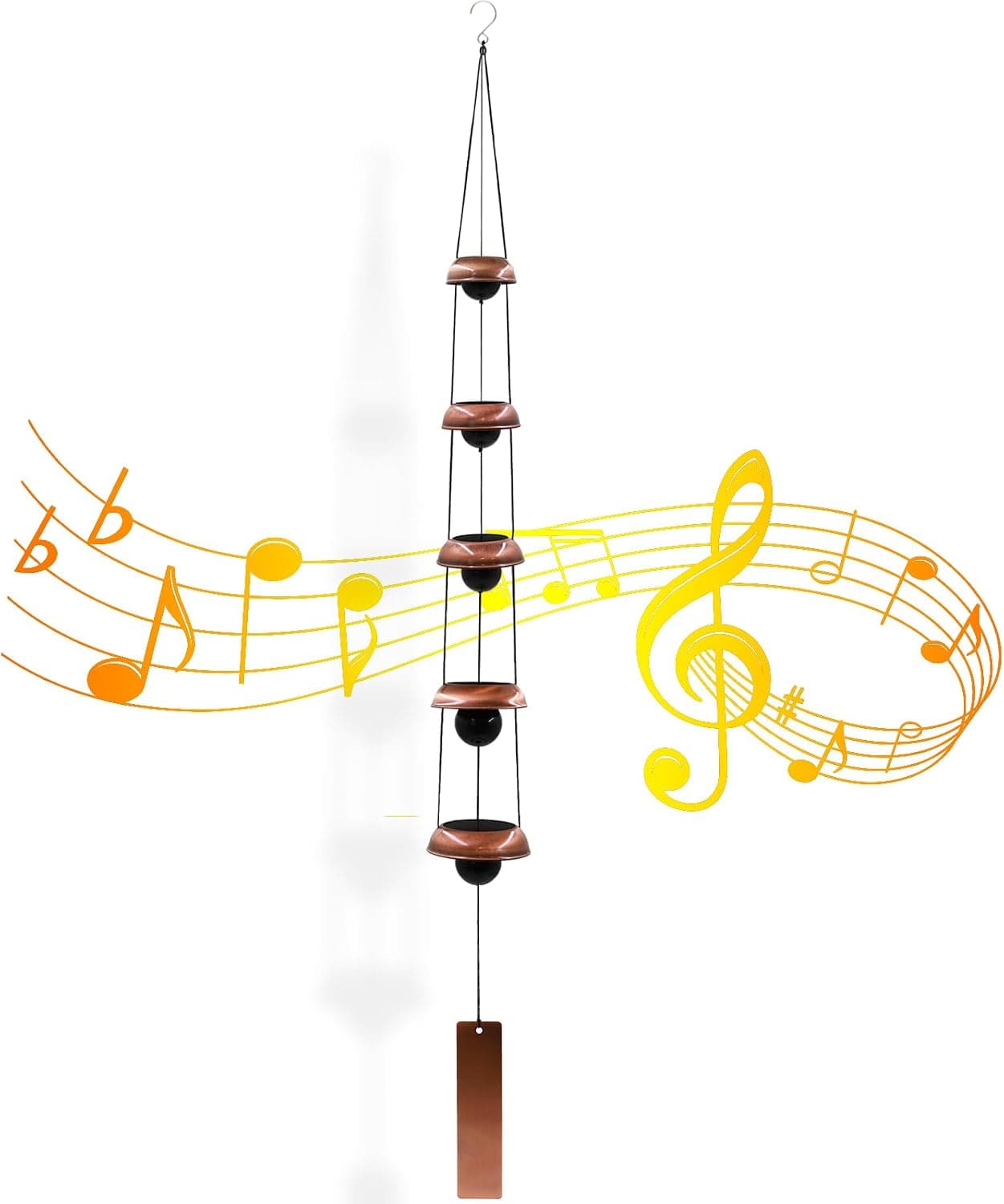 -19%
-19%Wind Chimes for Outside with 5 Bell Unique Copper Musical Chimes Feng Shui Wi...
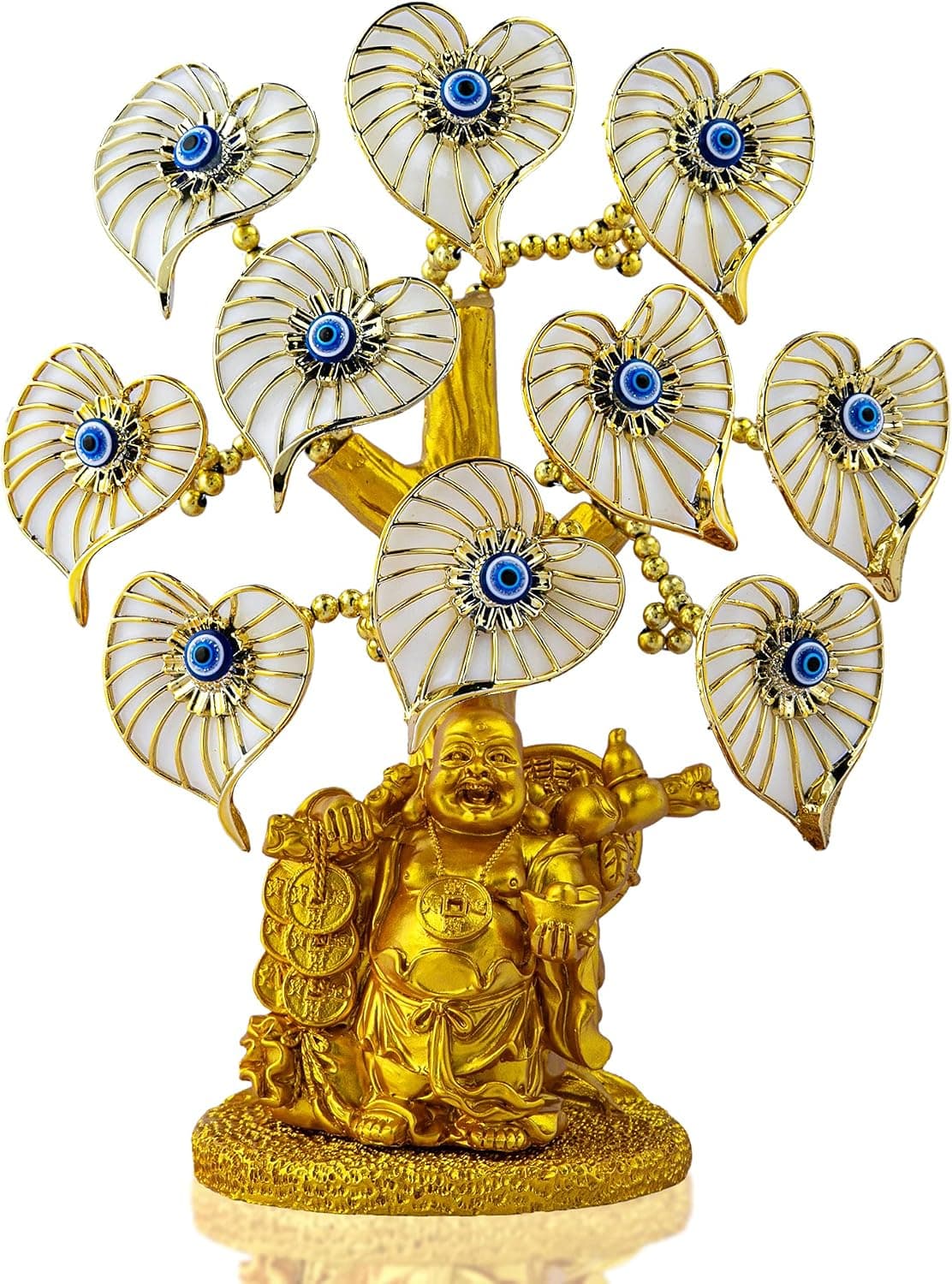 -5%
-5%YU FENG Evil Eye Money Tree, Blue Feng Shui Decor with Golden Buddha
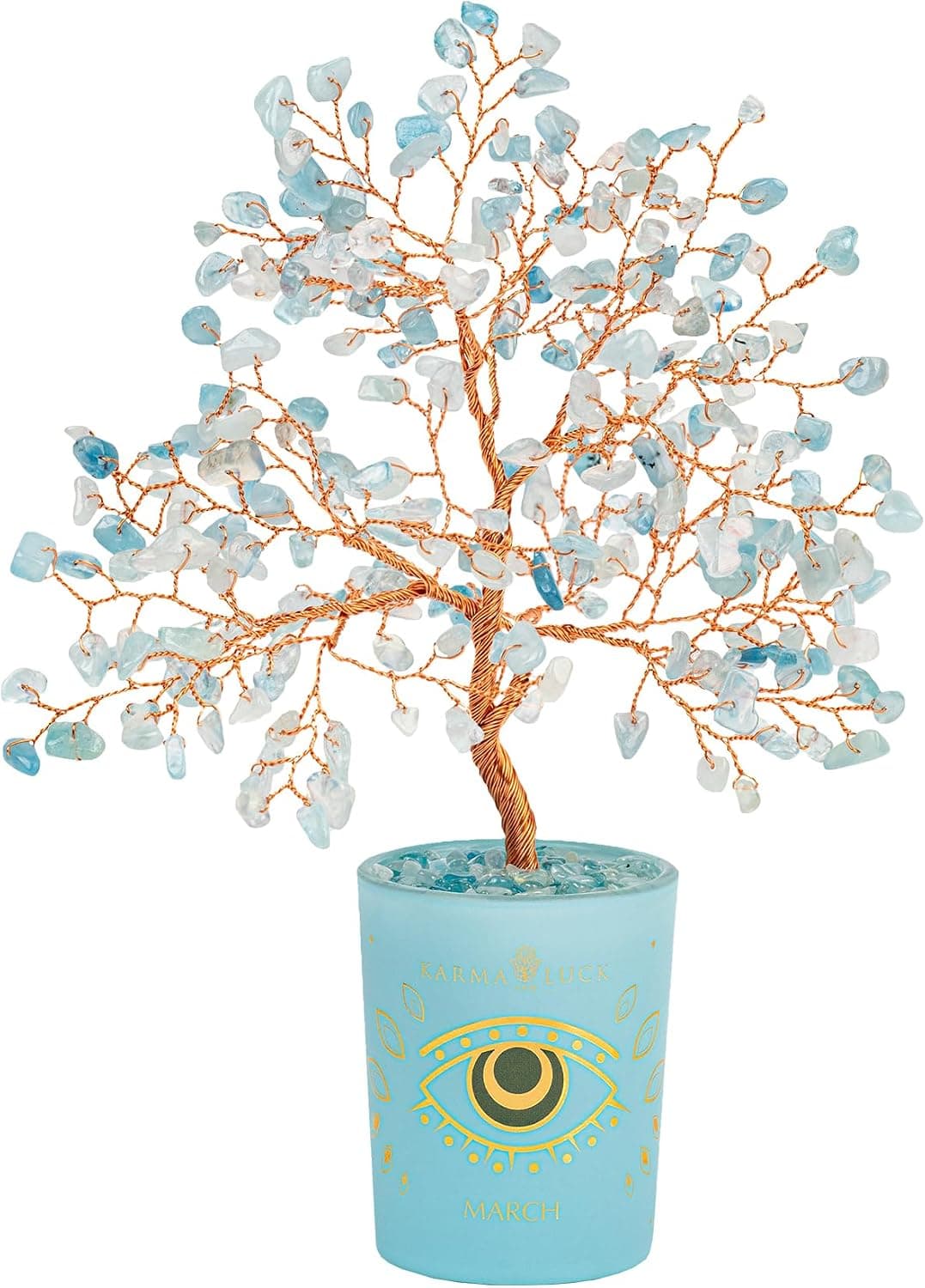 -29%
-29%Karma and Luck March Birthstone Crystal Tree of Life, Aquamarine Gemstone Fen...
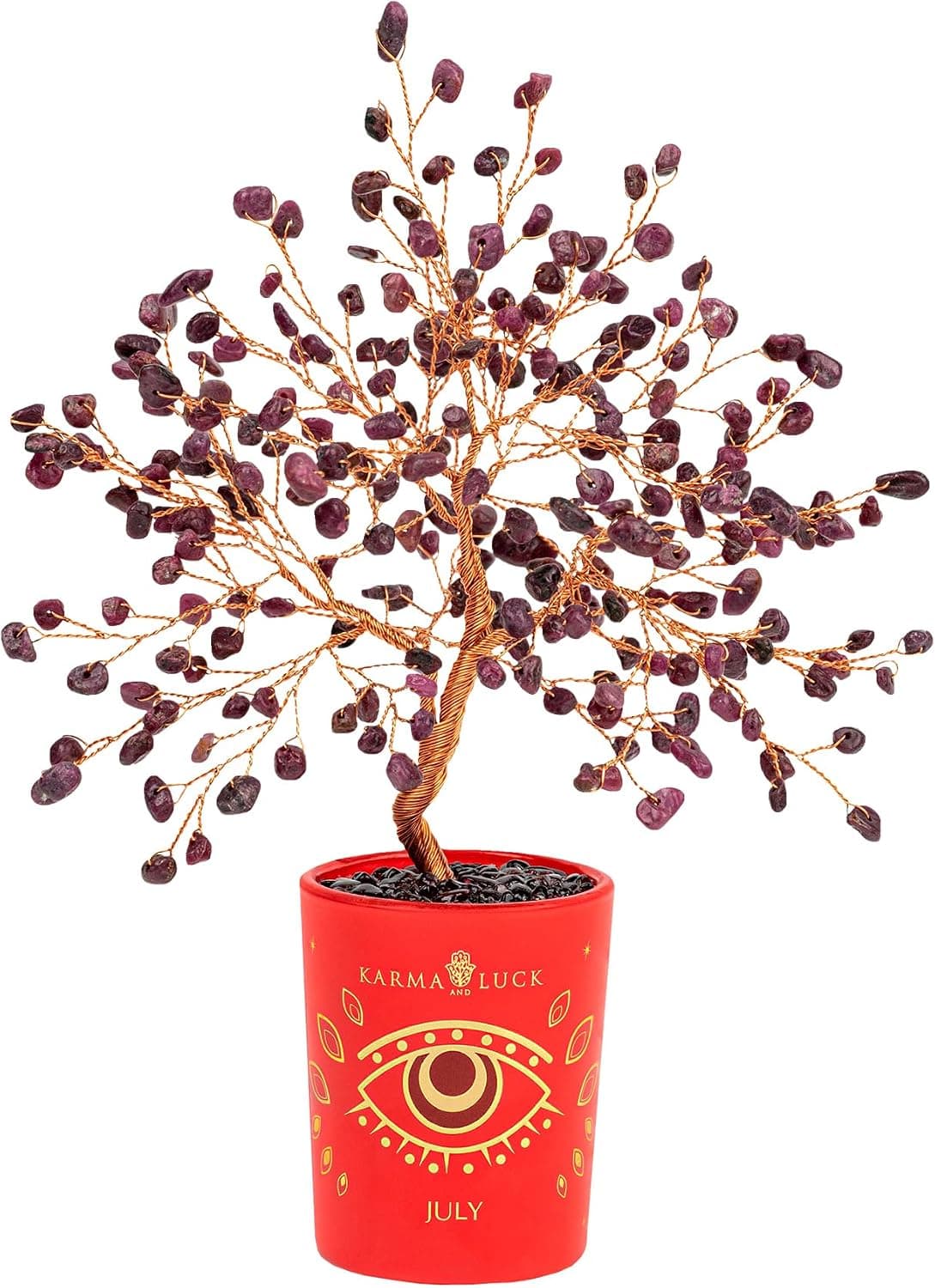 -29%
-29%Karma and Luck July Birthstone Crystal Tree of Life, Ruby Gemstone Feng Shui ...
As an Amazon Associate, we earn from qualifying purchases. We only recommend items our practitioners have personally tested.
Continue Your Journey
Explore these related guides to deepen your understanding:


Ready for Deeper Guidance?
Try our free I Ching reading for personalized wisdom, or explore our curated Feng Shui essentials.