Buy the wrong book and your shelf gets prettier while your home stays confused.
Why the right book matters before you touch the room
A coffee table can look “styled” and still drain a room. I’ve watched people stack pretty hardbacks beside a silver lamp, a candle that never gets lit, and a bowl of keys, then wonder why the space feels noisy by 9 p.m.
That is why a good feng shui book matters: not as decoration, but as a working reference you can return to when the bedroom feels restless, the front entry feels stuck, or the living room somehow never settles. The right book gives you a method, not a mood.
People often buy the first title that looks mystical. That usually means they get lots of symbols and very little instruction. If you want practical results, you need a book that tells you where to stand, what to remove, and what to leave alone.
And yes, I’ve seen the difference. In a townhouse in Portland, a nurse named Elena had two shelves of “energy” books but no clear system. Her bedroom still had a leaning mirror facing the bed and a pile of receipts on the dresser. Once she swapped to one stronger, more practical reference and followed it for a week, the room felt less frantic almost immediately.
If you want a deeper framework for reading rooms, the bagua map approach to space is the kind of foundation that makes every chapter in a good book more useful.
Here’s the part that surprises people: the best choice is not always the most famous title. It is the one you will actually use when you are standing in your hallway at 8:40 at night, holding a pile of mail and trying to decide whether the lamp belongs there at all.
If you live in a small apartment
Small spaces expose bad advice fast. There is nowhere to hide clutter, and every object has more influence because it sits closer to you. In this situation, choose a book with clear room-by-room fixes rather than long philosophical chapters.
A compact, practical feng shui book is best for renters, students, and city apartments where you cannot move walls or repaint on a whim. Look for guidance on entryways, bedside tables, desk placement, and storage because those are the pressure points that shape daily life.
Place the book where you actually make decisions, not on a shelf you forget. A kitchen counter, a desk drawer, or the top of a nightstand works better than a decorative bookshelf across the room.
One architecture student I worked with kept her copy open beside the sink in a studio apartment in Chicago. Her space had a red kettle, a black rolling chair, and a narrow hallway that felt like a funnel. She used the book for one month, moved the chair away from direct line with the door, cleared the sink area, and said the apartment stopped feeling like it was “yelling at her” every morning.
If your bedroom is the problem, buy for sleep first
The bedroom is where people try to fix too much at once. They buy crystals, new curtains, a salt lamp, then they leave a mirror facing the bed and expect calm to appear by force.
For sleep issues, pick a book that treats the bedroom as a closed system: bed placement, bedside balance, visual calm, and what not to keep within arm’s reach. A chapter that explains why the room feels active at night is more valuable than ten pages of symbolism.
That is where a focused resource like this bedroom-focused guide becomes useful as a companion to any book you buy.
Where should you keep it? On the nightstand for a week, then move it out. That sounds odd, but it helps. Read, apply, remove, repeat. A book on sleep should support rest, not become another object competing for attention after lights out.
One client, a chef with a midnight schedule, had a deep blue duvet, a TV on a low dresser, and a small stack of cookbooks at the foot of the bed. He thought the issue was stress from work. It was partly that, yes, but the room never stopped “working.” After he followed a simpler bedroom method from a practical text and removed the TV, he fell asleep faster within days.
If you care about wealth, choose the book with action steps
People love wealth language. They want prosperity corners, lucky colors, and objects with promise. Fine. But the useful books explain that money energy is usually affected by what you neglect, not by what you display.
For wealth and abundance, look for a title that explains clutter, light, and visibility. The best chapters will tell you how to support the wealth area without turning your home into a souvenir shop.
If your priority is money flow, pair your reading with practical wealth items that actually make sense in a room.
Place this kind of book near your workspace or home office, not in the wealth corner itself. That way it reminds you to act. A book that sits in the right zone but never gets opened is just another object pretending to be intention.
I once walked into a retired teacher’s study in Atlanta. She had a gold figurine, a green table runner, and three finance books lined up neatly, but the desk lamp was burned out and the paperwork was stacked under a cactus. We changed the lighting, cleared the paper pile, and moved the books to a side shelf within arm’s reach. Two weeks later she said she finally felt she could “see” her money again. That is the point.
If you want symbols and rituals, buy a more traditional text
Not everyone wants only practical fixes. Some readers want lineage, symbolism, and the rhythm of classical Chinese metaphysics. That is a valid choice, but you should know what you are getting. A traditional-style book often asks for more patience and less instant gratification.
These books are best for people who already have a basic grasp of room placement and want to understand why certain patterns matter. They work well if you enjoy studying meaning, direction, and the relationship between form and timing.
Keep the book on a shelf that feels respected, not buried under bills. A respectful placement matters because it changes how often you pick it up. Tools you honor get used.
And if you are drawn to personal wearables as part of your practice, the bracelet guide for daily use is a natural bridge between a book and lived routine.
Do not confuse “traditional” with “harder.” Some texts are simply more layered. If you are the kind of person who likes studying before acting, these books can be excellent. If you want quick fixes by Friday, they will frustrate you.
A simple comparison before you buy
| Item | Best for | Price range |
|---|---|---|
| Practical room-by-room text | Renters, beginners, small homes | $15–$30 |
| Bedroom-focused reference | Sleep issues, couples, restless rooms | $18–$35 |
| Wealth and abundance title | Home office, money goals, clutter cleanup | $16–$32 |
| Traditional symbolic text | Studious readers, deeper theory, classics | $20–$45 |
If you buy just one thing...
Buy the most practical book you can find, not the prettiest one. You can always add symbolism later. You cannot easily recover from vague advice that sends you decorating instead of changing the room.
In plain terms: start with the title that helps you solve a real problem this week.
What to look for on the inside pages
A useful book tells you where to place furniture, how to handle clutter, and what to do when a room has too many competing focal points. It should speak in plain language. If every page sounds like a fortune cookie, keep shopping.
Pay attention to whether the author explains context. A good author knows a studio apartment is not treated the same way as a suburban house, and a bedroom is not treated the same way as a home office. That kind of nuance matters.
If you are unsure how a room is supposed to function, the basics of the front entry and its energy flow can help you judge whether a book is giving you real guidance or just pretty theory.
Also look for drawings, checklists, and examples with actual furniture. A diagram of a bed, a desk, or a lamp often teaches more than three pages of abstraction. Good instruction reduces guessing.
FAQ
Do I need more than one book?
Not at first. One solid reference is better than five books that repeat each other with different fonts. Start with the one that solves your most irritating room issue, then expand later if you still want more depth.
Should a beginner start with classical or modern writing?
Modern usually wins for beginners because it is easier to apply on Tuesday night in a real apartment. Classical texts can be rich, but they reward patience and a willingness to study before acting.
Where should I keep the book once I buy it?
Near the room you are working on. A bedroom book belongs close to the nightstand or dresser during the setup phase, while a wealth-focused text works better near your desk. After you finish using it, store it neatly where you will remember it exists.
Can a book replace an in-person consultation?
A surprising amount can be handled with a good book and honest observation. Still, complicated homes, major renovations, and long-standing problems sometimes need a trained eye. Books teach you principles; they do not walk your house for you.
There is a reason some people keep buying more objects instead of making progress. Objects are easier. A clear book asks more of you, and that is why it works.
Mei Chen
Traditionally informed guidance • Cross-referenced with classical Chinese source texts
Content draws from both Compass (Luopan) and Form (Xingshi) school traditions. Illustrative examples are composites based on consultation experiences.
Practitioner-Selected Tools for This Topic
Items our team has tested and found effective for the principles discussed above. Individual results may vary.
 -19%
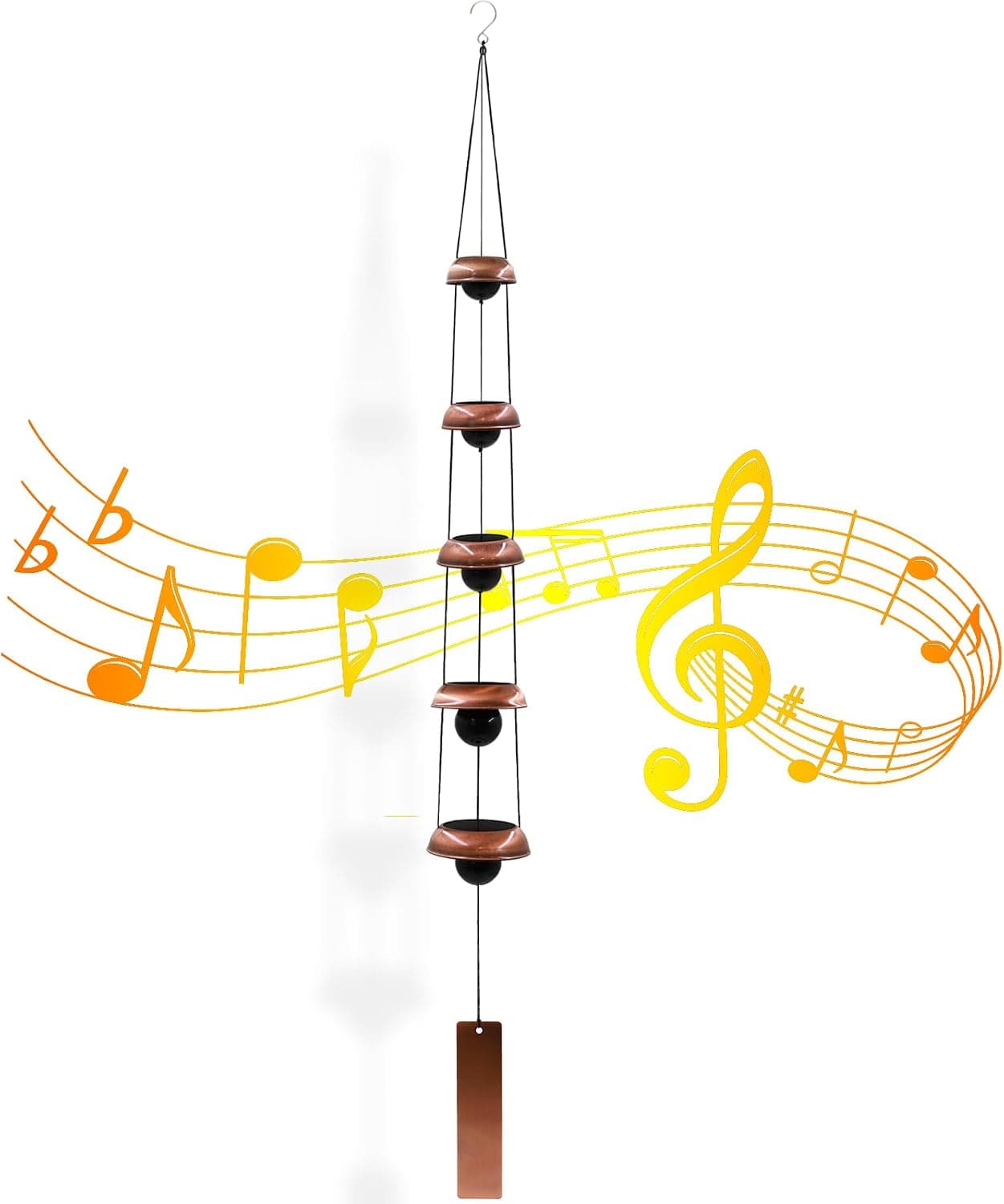
-19%Wind Chimes for Outside with 5 Bell Unique Copper Musical Chimes Feng Shui Wi...
 -5%
-5%YU FENG Evil Eye Money Tree, Blue Feng Shui Decor with Golden Buddha
 -29%
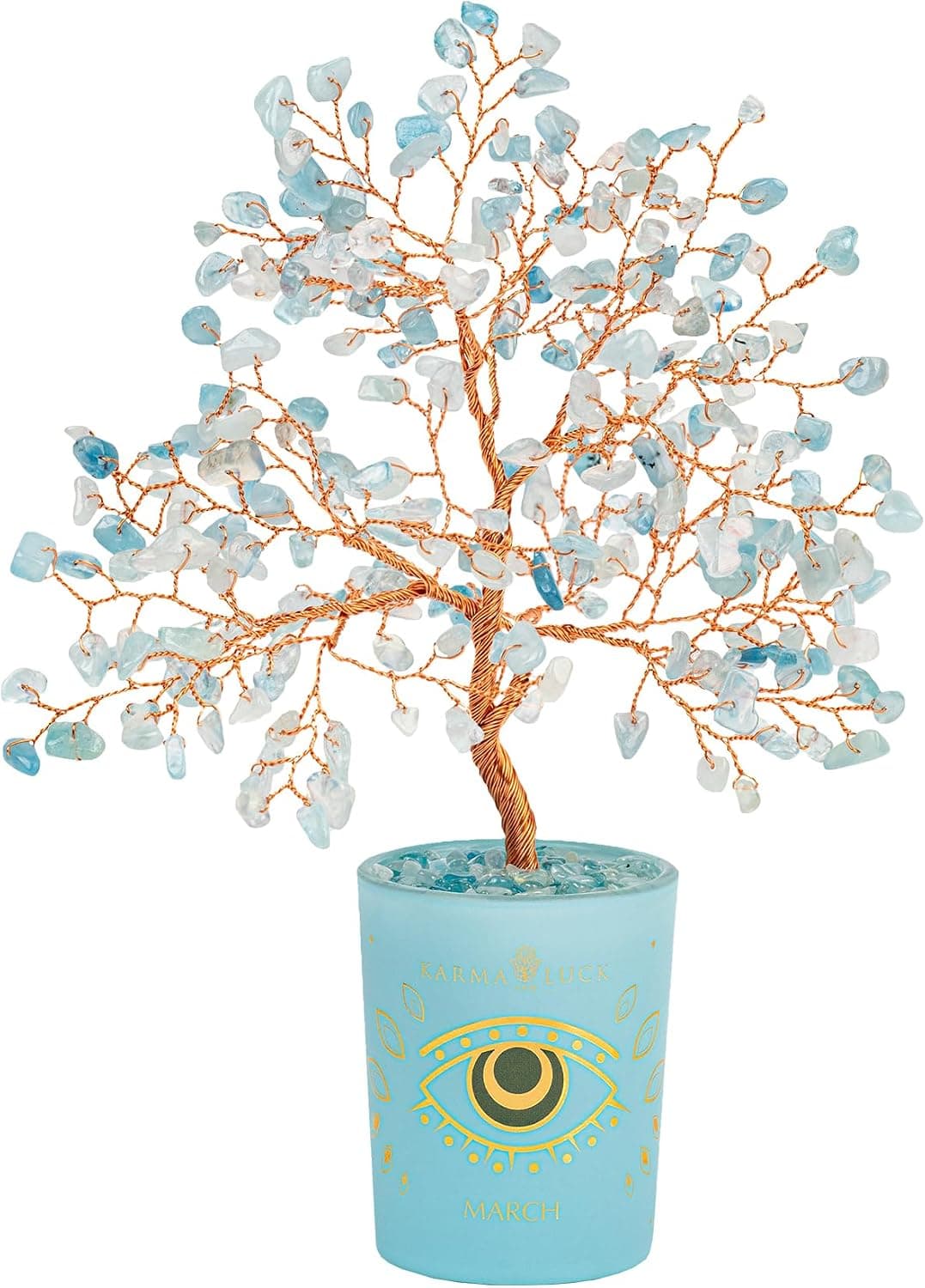
-29%Karma and Luck March Birthstone Crystal Tree of Life, Aquamarine Gemstone Fen...
 -29%
-29%Karma and Luck July Birthstone Crystal Tree of Life, Ruby Gemstone Feng Shui ...
As an Amazon Associate, we earn from qualifying purchases. We only recommend items our practitioners have personally tested.
Continue Your Journey
Explore these related guides to deepen your understanding:


Ready for Deeper Guidance?
Try our free I Ching reading for personalized wisdom, or explore our curated Feng Shui essentials.