That heavy, quiet bracelet on your wrist is usually doing more than decoration—and not always in the way people expect.
Why the first feeling is often pressure, not comfort
I once watched a nurse slip a black obsidian bracelet onto her wrist before a twelve-hour shift, then immediately say, “It feels serious.” She was right. This stone doesn’t announce itself with sparkle; it feels grounded, weighty, and almost blunt. That is exactly why so many people are drawn to it when life feels noisy.
The broader character of black obsidian matters here. It is not a “pretty accessory first, energy second” object. In feng shui terms, its appeal comes from containment, protection, and the sense that scattered energy is being pulled back into one place. People often call that luck, but the first effect is usually less glamorous: fewer emotional leaks, less mental static, more edge.
That is the real center of the feng shui black obsidian bracelet meaning: not instant wealth, not magical immunity, but a boundary. If you wear one and expect it to make your life softer, you may be disappointed. If you wear it to stay clear, focused, and less porous to other people’s moods, you will understand why it has a reputation.
And yes, that surprises people. They want the bracelet to “bring good energy” while they keep every door in their life open. Obsidian usually works the opposite way.
What this bracelet is actually doing in feng shui
In Chinese metaphysics, black sits with the Water element: depth, mystery, inward movement, and quiet strength. Obsidian, though volcanic in origin, carries that same dark, consolidating feel. It does not broadcast. It absorbs attention. It helps draw energy inward instead of letting it scatter across a thousand little worries.
That is why people reach for it during stressful transitions: a new job, a difficult move, a breakup, a period of gossip at work. I have seen this most clearly in a real apartment setup where a teacher kept her obsidian bracelet on a small shelf beside a navy ceramic bowl in the bedroom. The room had pale gray walls, one red reading lamp, and a cluttered nightstand. Once she began wearing the bracelet daily and cleared the bedside pile, she said her sleep improved within about ten days—not because the stone “fixed” sleep, but because she started feeling less invaded by the day.
If you want the full bracelet context, the broader rules for wearing energy bracelets matter more than any single crystal claim. Obsidian behaves best when it is treated as a boundary tool, not a charm you forget in a drawer and hope will work from a distance.
That is also why it pairs so naturally with people who are sensitive, overextended, or constantly on the receiving end of other people’s problems. It is a containment stone. Not a spotlight stone.
Why some people feel “protected” and others feel nothing
Here is where I push back against a common belief: not every bracelet that looks powerful will feel powerful on every wrist. Some people put on black obsidian and feel steadier immediately. Others feel nothing, or even a little heavier than usual. That does not automatically mean the bracelet is fake. It usually means the person is wearing it for the wrong reason, in the wrong context, or with too much expectation.
Obsidian is often linked with protection from negativity, but “negativity” is a vague word. In practice, it may mean other people’s emotions, your own internal noise, or the messy residue of an environment that has too much visual and emotional clutter. If your desk is piled high, your messages are unanswered, and your bedroom is lit like a retail display, no bracelet is going to outrun that chaos.
The meaning also changes depending on what you pair it with. A black stone worn beside a gold Pixiu bead sends a different message than a simple plain strand. If you are using a Pixiu piece, the worn-on-body details matter, and the wearing method deserves respect. I would rather have one bracelet worn correctly than three bracelets worn carelessly.
One more thing people rarely admit: sometimes the bracelet makes you notice what was already off. That can feel uncomfortable. Good feng shui does that. It does not flatter your habits.
How to wear it so it actually supports your energy
Start with intention, but keep the intention plain. Do not ask the bracelet to solve your whole life. Ask it to help you stay clear, protected, and less pulled around by other people’s moods. Specific intentions work better than dramatic ones.
Wear it on the left wrist if you want to receive and absorb supportive energy inward, which is the common approach for protection and grounding. Keep the bracelet clean, dry, and in good repair. If the string is fraying or the beads are chipped, do not pretend that is “character.” It is maintenance you are avoiding.
Here is the practical part most articles skip:
1. Put it on when your mind is calm, not in the middle of a frantic morning.
2. Keep it away from your bed if you notice it makes you feel too awake or alert.
3. Remove it for showers, heavy cleaning, and exercise if you want the stone to last.
4. Store it in a small dish or pouch when not in use, ideally away from junk drawers and loose coins.
And if you want the bracelet to do a job instead of just sitting there, compare it with your surroundings. A dark stone works better in a room with some order and some breathing space. I have seen this again and again in bedrooms and offices. A bracelet alone is not enough if the room is screaming.
For that reason, many readers also study the most common ways obsidian bracelets lose their impact. The mistake is usually simple: people wear a protective object while living in a way that invites constant leakage.
Where this meaning fits inside the larger bracelet picture
The feng shui black obsidian bracelet meaning becomes clearer when you compare it with other bracelet intentions. Some stones are about attraction. Some are about visibility. Obsidian is about containment, shielding, and staying rooted when conditions are messy.
If your goal is wealth, that does not mean obsidian is useless. It may help you stop leaking focus and stop reacting to every distraction, which indirectly supports money decisions. But if you want a bracelet mainly for attraction, you may be better served by looking at the stronger patterns in how obsidian compares with other wealth bracelets. Not every stone should be asked to do the same job.
This is also where the bagua lens matters. If your life feels unstable because your space is misaligned, the bracelet is only one piece of the puzzle. The energy of your home, your work corner, and your daily habits all speak louder than a piece of jewelry. A protective bracelet can support a stable environment; it cannot replace one.
So if you are asking what the bracelet “means” in feng shui, the honest answer is: it means you are choosing firmness over drift. You are asking for less intrusion and more inner control. That is not flashy. It is useful.
When it works best, and when to be careful
Black obsidian tends to be most helpful when life is overloaded: difficult boundaries, emotionally intense workplaces, a home full of visual clutter, or a period when you feel easily influenced. It is less helpful when you are already exhausted and need softness, comfort, or restoration. Protection and soothing are not the same thing.
If you feel drained after wearing it, do not force yourself to “push through.” That is where personal sensitivity matters more than generic advice. Try wearing it for shorter periods, pair it with a calmer routine, or remove it during rest. The goal is support, not endurance.
And if you are building a wider bracelet practice, it helps to understand the full system rather than cherry-picking one object. A bracelet is a tool, not a superstition. Treated well, it can support your focus and boundaries. Treated lazily, it becomes just another piece of jewelry with a story attached.
FAQ
Does black obsidian bring protection or just confidence?
Both can happen, but protection is the deeper feng shui reading. Confidence is often the visible side effect because you stop feeling as exposed. That shift can happen quickly when the bracelet is worn consistently.
Should I wear it every day?
Not automatically. If daily wear helps you feel centered, keep it in regular rotation. If it makes you feel restless, heavy, or overstimulated, use it more selectively instead of forcing a habit that does not suit you.
Can I wear it with other bracelets?
Surprisingly, yes—but the mix matters. Pairing it with other intention-based pieces can work, yet too many conflicting symbols on one wrist can dilute the effect. I prefer one clear purpose over a crowded stack of hopeful objects.
Bring the bracelet back to its real job
The point of black obsidian is not to make you chase mystery for its own sake. It is to help you stand firmer in your own space. That is why the feng shui black obsidian bracelet meaning keeps circling back to protection, boundaries, and concentrated energy.
If you want the bracelet to matter, wear it like you mean it. Keep your space cleaner, your intention narrower, and your expectations more honest. That is where the stone earns its reputation.
Mei Chen
Traditionally informed guidance • Cross-referenced with classical Chinese source texts
Content draws from both Compass (Luopan) and Form (Xingshi) school traditions. Illustrative examples are composites based on consultation experiences.
Practitioner-Selected Tools for This Topic
Items our team has tested and found effective for the principles discussed above. Individual results may vary.
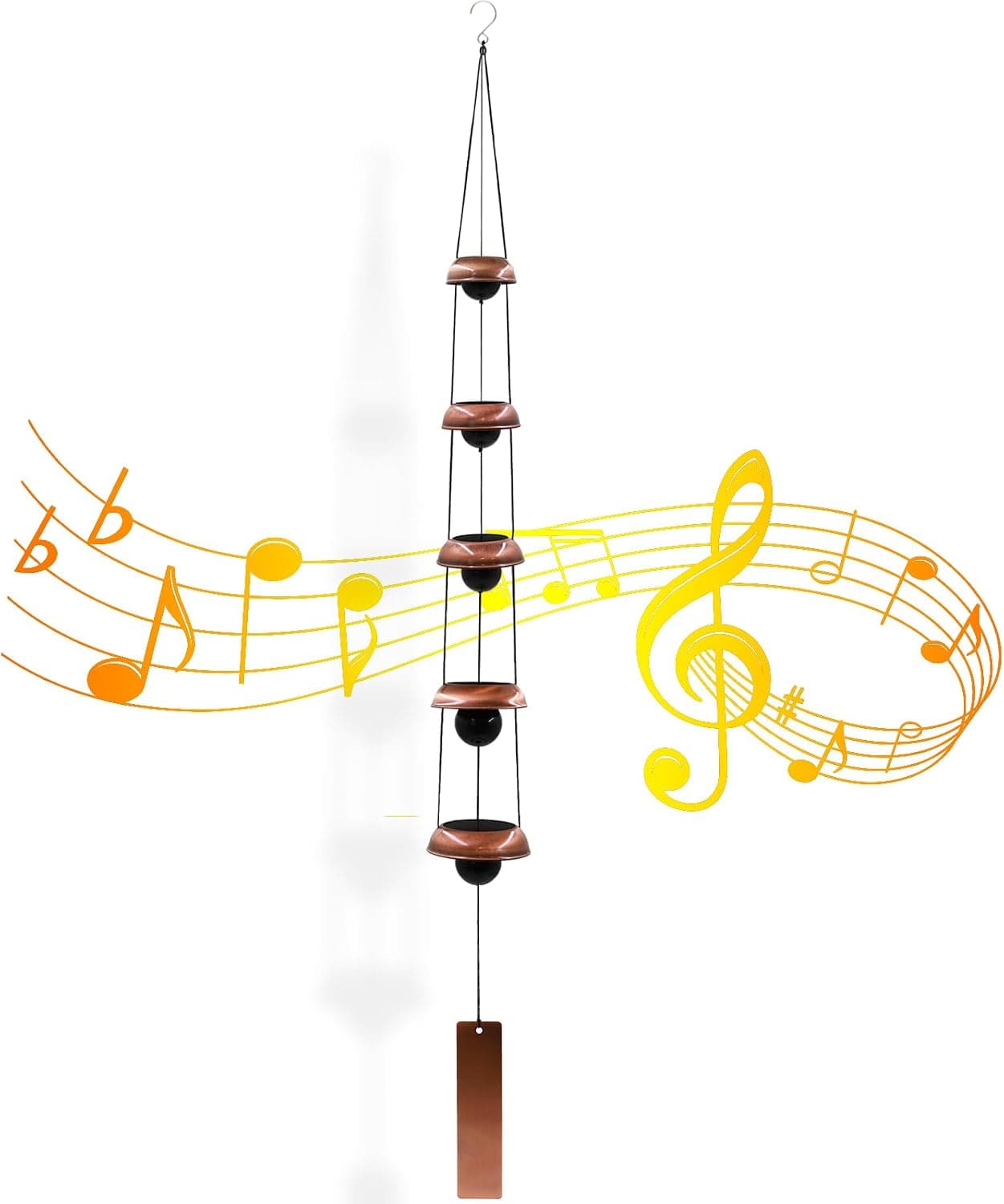 -19%
-19%Wind Chimes for Outside with 5 Bell Unique Copper Musical Chimes Feng Shui Wi...
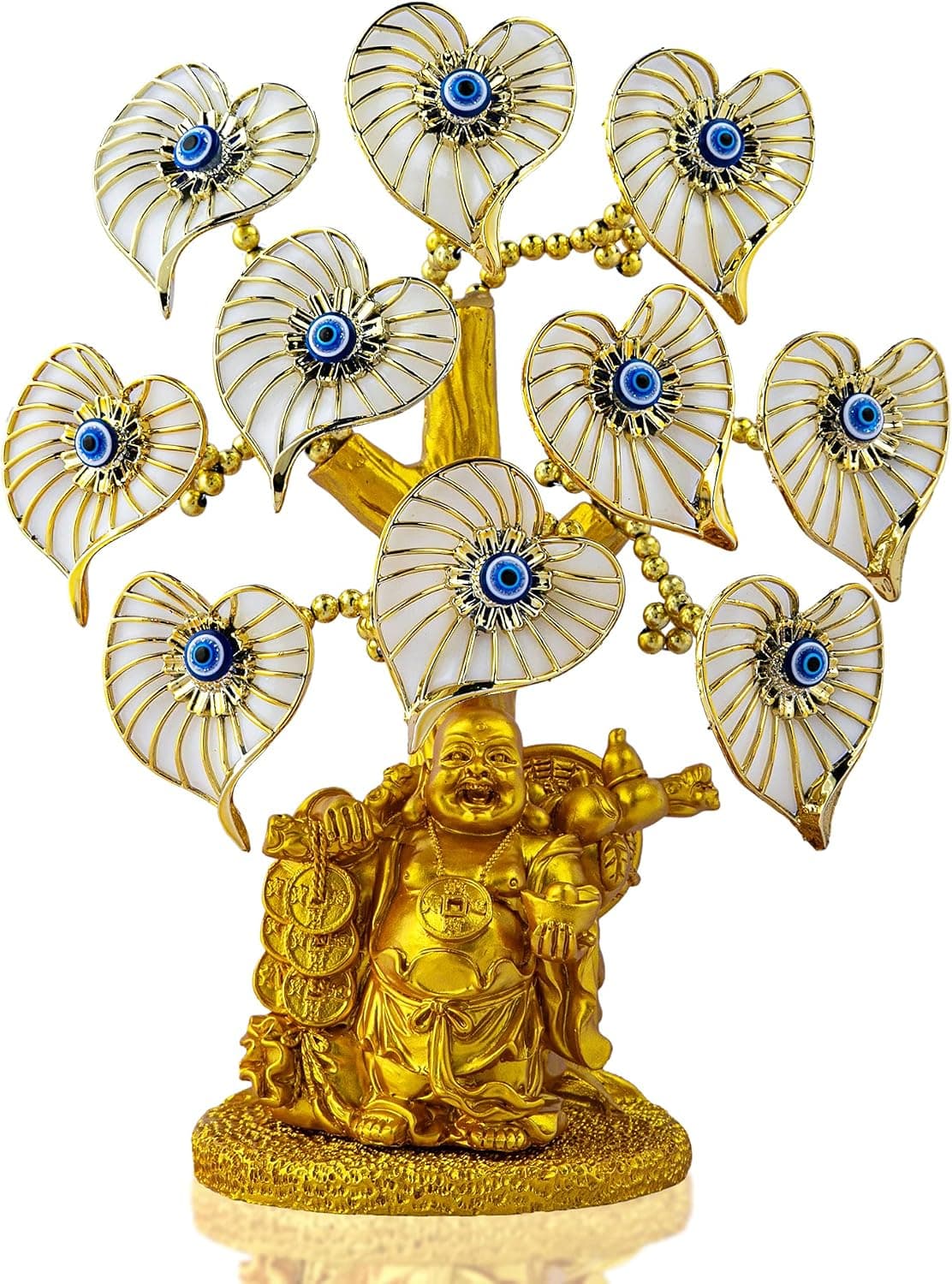 -5%
-5%YU FENG Evil Eye Money Tree, Blue Feng Shui Decor with Golden Buddha
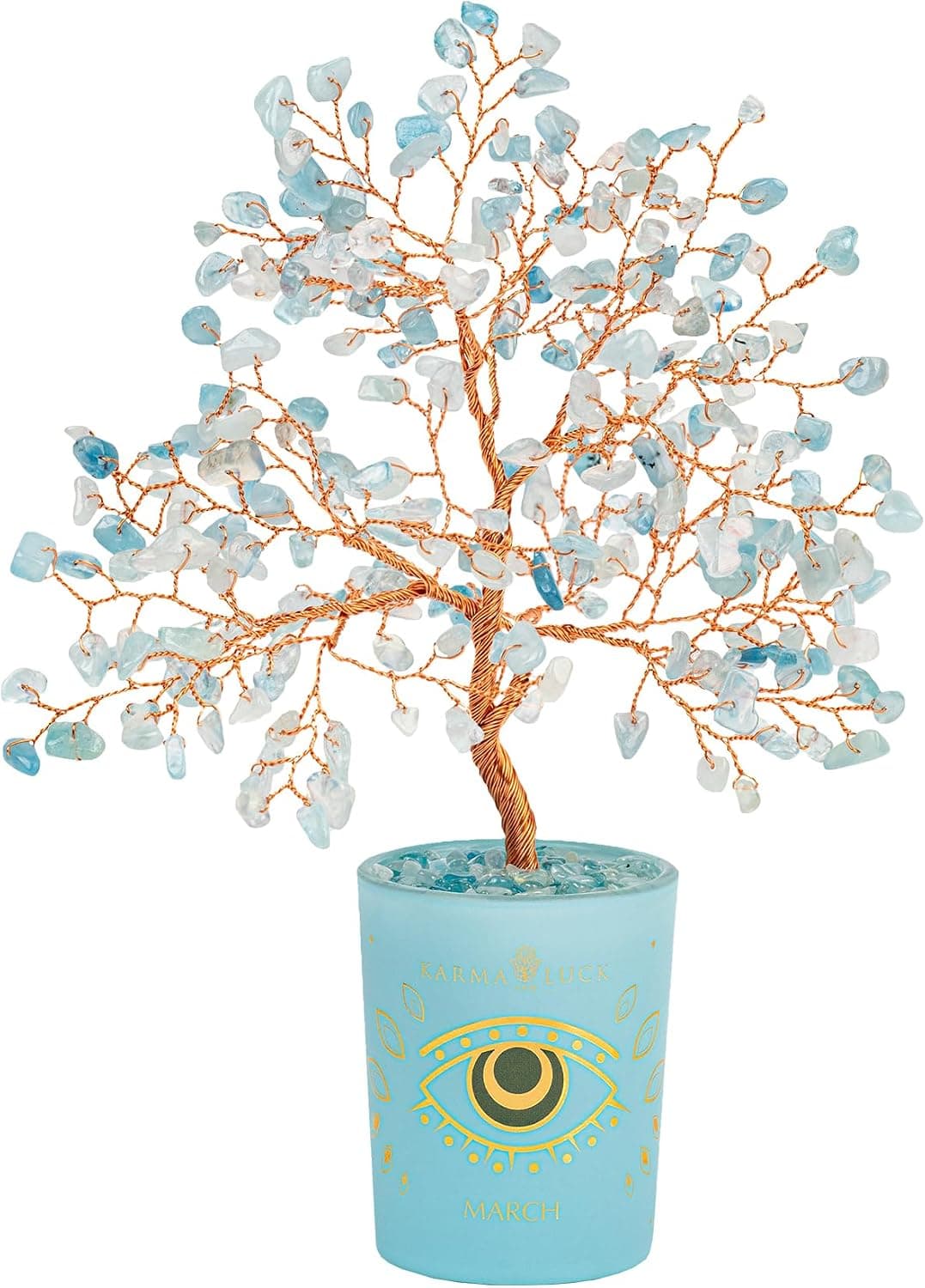 -29%
-29%Karma and Luck March Birthstone Crystal Tree of Life, Aquamarine Gemstone Fen...
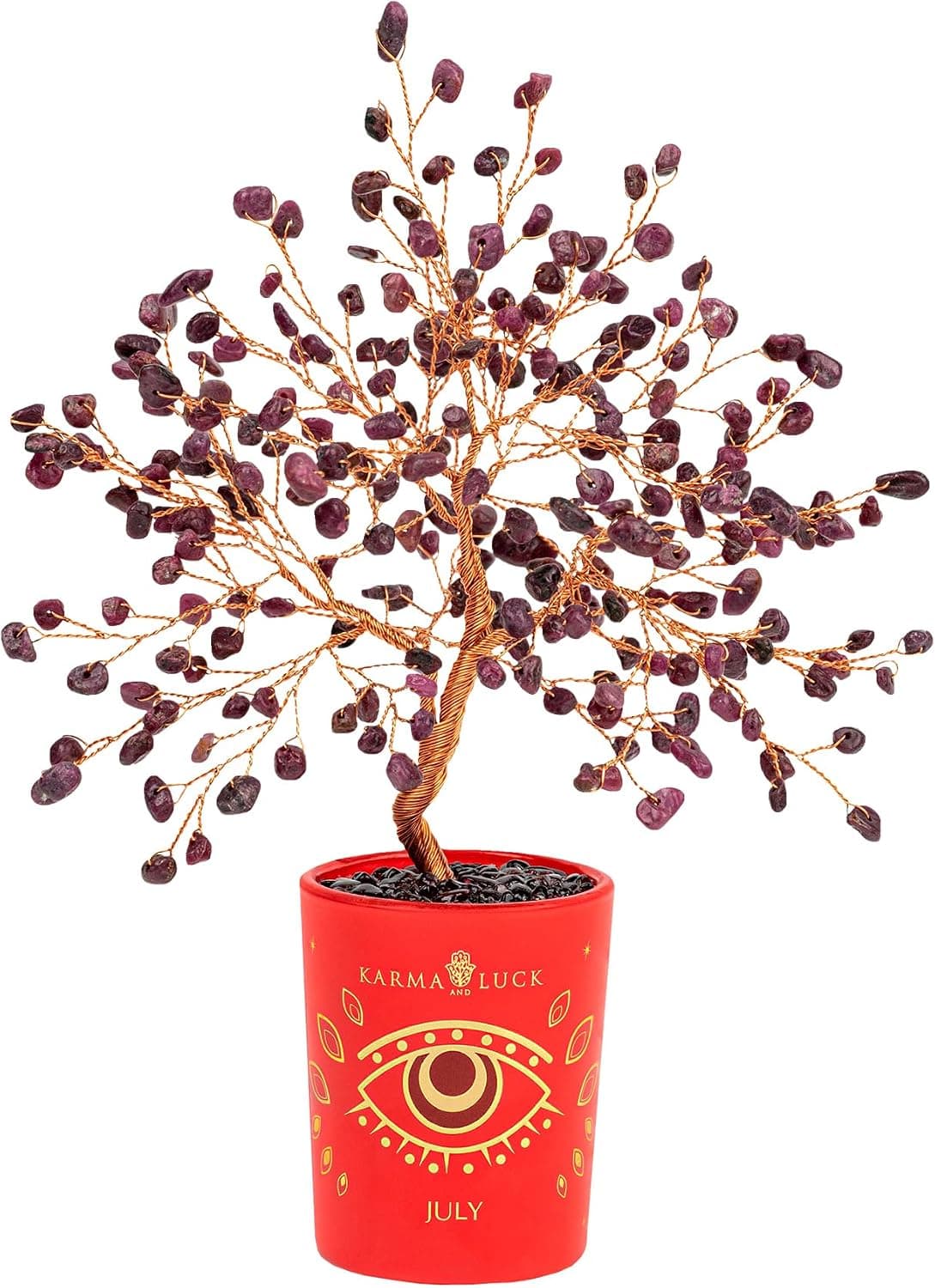 -29%
-29%Karma and Luck July Birthstone Crystal Tree of Life, Ruby Gemstone Feng Shui ...
As an Amazon Associate, we earn from qualifying purchases. We only recommend items our practitioners have personally tested.
Continue Your Journey
Explore these related guides to deepen your understanding:


Ready for Deeper Guidance?
Try our free I Ching reading for personalized wisdom, or explore our curated Feng Shui essentials.