Your desk direction can sharpen focus or quietly drain it, and the wrong answer is usually more personal than people expect.
Your desk may be facing the wrong kind of pressure
I once walked into a home office in a Palo Alto townhouse and saw a glossy black desk pushed straight toward a blank wall, with a white lamp on the left, a red stapler on the right, and a laptop perched so close to the edge it looked ready to fall. The owner, a software engineer, told me he felt wired all morning and tired by noon. His problem was not just the wall. It was the way the room forced his attention into a dead end.
That is where people get confused about the bagua map and desk placement. They want one magical compass answer, one direction that fixes everything. Life is rarely that tidy. The right facing direction depends on your room, your goals, your personal energy pattern, and the way qi actually moves through the space.
So if you have been searching for the feng shui best direction to face desk, start by noticing what your body already knows. Do you feel alert, tense, scattered, foggy, or oddly defensive at that desk? The body usually reports the truth before the mind can dress it up.
The method is simpler than the internet makes it
The classic rule is straightforward: sit in a commanding position. That means you can see the door without being directly in line with it, and you are not backed into a corner with your shoulders exposed. This is not superstition. It is nervous-system common sense dressed in Chinese metaphysics.
If you can face your auspicious direction while sitting in command, excellent. That gives you a useful layer of support. But if the desk has to point toward the wall to avoid a hallway blast or a bedroom doorway, I would choose the stronger spatial position first and the preferred direction second. A weak placement with a lucky compass direction still feels weak.
The better question is not, “What is the one best direction?” It is, “Which direction helps me work with calm focus in this room?” For some people, that means facing east for a fresh, initiating quality. For others, it means facing north for steadier concentration. And for many, the room itself has more say than the compass.
If you work long hours, especially on writing, design, finance, or study, the ideal setup usually gives your eyes a clear, uncluttered field and your back a solid sense of support. A wall behind you can be good. A closed shelf behind you can be even better. A reflective surface behind you is often a problem waiting to happen.
How I choose a desk direction in real homes
First, I look at the door and windows. If the desk faces a window with strong glare, the mind tends to reach outward and fragment. If the desk sits with the window behind the chair, some people feel exposed and distracted. That is why the same desk can feel brilliant in one apartment and exhausting in another.
Next, I look at the person using it. A student cramming for exams and a retiree balancing bills do not need the same energetic support. One may benefit from a more active, forward-facing setup; the other may need quiet containment and less visual movement. The right desk orientation is practical before it is poetic.
Then I test the room for momentum. Stand at the desk and notice whether your line of sight moves smoothly or slams into obstacles. A printer jammed under the desk, cables dangling like weeds, and a pile of unopened mail can all muddle the energy around the chair. I have seen a plain oak desk start working better the moment a client removed three boxes of shipping supplies and a crooked bulletin board.
If you want a broader seasonal sense of directional support, keep an eye on annual influences too. The year matters. A direction that feels fine in one cycle can become less ideal in another, which is why people who only memorize one rule tend to overcomplicate their own rooms. For timing and directional updates, I often point readers to the year’s strongest directional patterns rather than freezing their setup forever.
There is also the matter of your own intention. A desk for client calls should feel more open and communicative than a desk used for deep analysis. A desk for creative work can tolerate a little more visual stimulation. A desk for taxes should not face chaos, because chaos wins that argument every time.
Practical steps that actually work
Begin by moving the desk so you can see the door without sitting squarely in the doorway’s energy stream. If the room is small, angle the desk slightly. That one adjustment often softens the whole room. People are surprised by how much less defensive they feel when the chair no longer lives in the blast zone.
After that, check the wall behind your chair. Solid support is better than open space, but heavy shelving directly above your head can feel oppressive. A framed print, a simple shelf, or a low cabinet is usually enough. Keep the area behind you calm. A desk chair with a clear back has far more authority than one trapped in clutter.
Then look at the surface itself. The best-facing direction fails fast if the desktop is noisy. One notebook, one working lamp, and one active task beat six half-finished projects every time. I have watched people chase “lucky directions” for months while their desks were buried under receipts, charging cords, and coffee rings. The desk was not unlucky. It was overfed.
If you are choosing between two directions, pick the one that gives you steadiness rather than the one that feels dramatic. East can be energizing, south can feel hot and exposed, west can support completion, and north can help concentration, but none of those labels should override what the room is telling you. The room always has the final vote.
For readers who want to connect desk placement with larger room strategy, it helps to understand how the work area interacts with the rest of the home. A desk in the same room as a restless seating zone will absorb that agitation. A desk near the front door may feel active but rarely feels settled. If your office bleeds into the main social space, study how a calm threshold changes the whole atmosphere in your home’s entry energy.
And if you are trying to improve the room without remodeling, use the basics with discipline. A healthy plant can soften a hard corner. A task lamp can brighten a dim sector. A cleaner wall color can reduce visual noise. Simple remedies beat decorative clutter pretending to be feng shui.
Two mistakes that sabotage good desk placement
The first mistake is facing directly into a wall and calling it “focus.” Sometimes it is focus. Often it is frustration with a quiet face. If your shoulders tighten and your thoughts stall, the wall is not helping. Move the desk so you can breathe visually.
The second mistake is copying someone else’s direction because an online post said it was “best for productivity.” I have seen a therapist in a teal office chair try to force an east-facing setup that left her agitated all week. We rotated the desk twenty degrees, cleared the cluttered file tray, and within three days she said the room felt less argumentative. That is the kind of shift that matters.
For more on the most common setup errors people make around work spaces, see what happens when a room is arranged for convenience instead of rest. The lesson carries over: placement must serve function, not just aesthetics.
One more thing people dislike hearing: a “good” direction can still be wrong if your chair points you into too much movement. If every passing person, pet, or corridor draft hits you from the side, your attention will keep breaking. Calm is not a luxury in feng shui. It is the condition that lets everything else work.
FAQ
Should my desk face my lucky direction even if the room layout is awkward? Not if it destroys the command position. A slightly less ideal compass alignment is usually better than a setup that leaves you exposed to the door or trapped by traffic. In real homes, spatial safety beats theoretical perfection.
What if my desk has to face a window? Then manage the view carefully. A sheer curtain, a taller monitor, or a small plant can reduce distraction. The key is to prevent your attention from leaking out into the street, the sky, or the neighbor’s rooftop every five minutes.
Can the feng shui best direction to face desk change from person to person? Absolutely. That is why one-size-fits-all advice falls apart so quickly. Your work style, the room layout, and your own energy pattern all influence what feels supportive.
Does the desk chair matter as much as the direction? Surprisingly, yes. A chair that feels unstable, too low, or too exposed can undermine an otherwise excellent orientation. If the seat does not support you, the desk direction has less room to help.
Mei Chen
Traditionally informed guidance • Cross-referenced with classical Chinese source texts
Content draws from both Compass (Luopan) and Form (Xingshi) school traditions. Illustrative examples are composites based on consultation experiences.
Practitioner-Selected Tools for This Topic
Items our team has tested and found effective for the principles discussed above. Individual results may vary.
 -19%
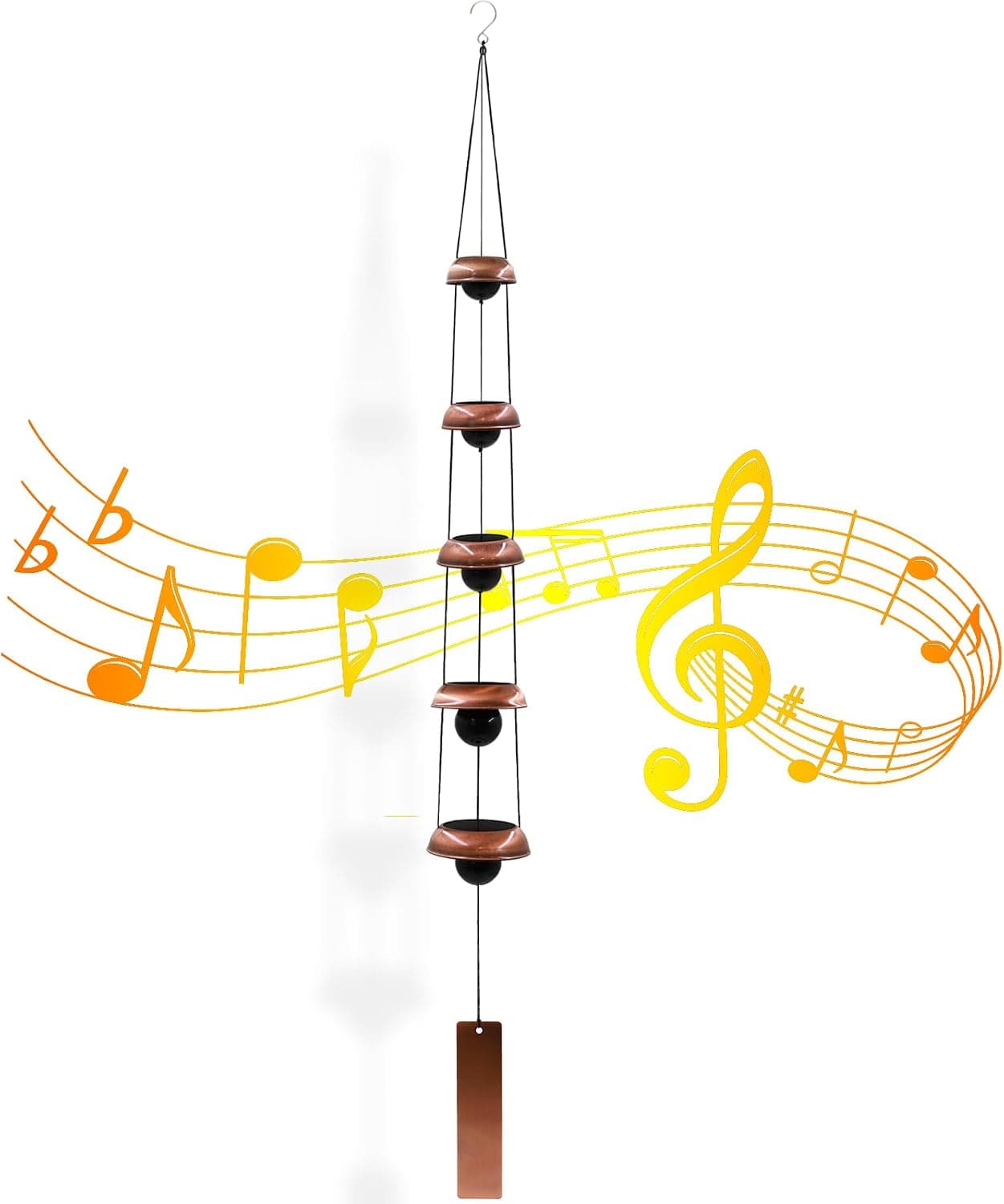
-19%Wind Chimes for Outside with 5 Bell Unique Copper Musical Chimes Feng Shui Wi...
 -5%
-5%YU FENG Evil Eye Money Tree, Blue Feng Shui Decor with Golden Buddha
 -29%
-29%Karma and Luck March Birthstone Crystal Tree of Life, Aquamarine Gemstone Fen...
 -29%
-29%Karma and Luck July Birthstone Crystal Tree of Life, Ruby Gemstone Feng Shui ...
As an Amazon Associate, we earn from qualifying purchases. We only recommend items our practitioners have personally tested.
Continue Your Journey
Explore these related guides to deepen your understanding:


Ready for Deeper Guidance?
Try our free I Ching reading for personalized wisdom, or explore our curated Feng Shui essentials.