A bed can follow every rule and still leave a room restless if the compass angle is wrong.
The Hidden Truth About bedroom layout guide feng shui
I once saw a north-facing bedroom in a narrow city apartment where the bed sat in the textbook command position, the wardrobe was closed, and the nightstand held nothing louder than a ceramic lamp with a beige shade. Sleep still fell apart. The owner kept waking at 3:10 a.m., staring at the ceiling, then checking the hallway like someone had knocked. The room looked obedient. It did not feel settled.
The missing piece was direction. Not decor. Not color. The bed was aligned to a compass angle that pulled the sleeper into a harder current, and every other good choice got dragged with it. That is the part most advice skips because people love visible fixes: a new duvet, a crystal on the dresser, a prettier headboard. Those changes can help, but they cannot outrun a layout that points the body into the wrong flow.
I've seen dozens of bedrooms where the furniture was arranged neatly and the results were still off. The pattern repeats. The person says the room is calm during the day, then at night the chest feels tight, the mind races, or one partner turns colder for no obvious reason. The room doesn't have to look chaotic to act that way. A quiet room can still be misaligned.
That is why I start with the compass, then the bed, then the pathways of movement. bedroom arrangement that actually supports rest only works when the room's orientation is part of the diagnosis. The angle of the sleeping body, the position of the door, the pull of windows, and the way energy enters from the hallway all matter more than most decorating advice admits.
One sentence can save you hours of rearranging: check the direction before you chase the cure.
Why a Good-Looking Room Still Feels Wrong
A bedroom can appear balanced and still create friction if the bed sits in a line that takes force straight through the body. In practical terms, that means your head points into a sector that keeps the nervous system alert, or your feet aim into a fast-moving path from the door. The body notices before the mind does. You may call it insomnia, but the room is often doing something very specific: it is asking the sleeper to stay vigilant.
The usual advice says, “Put the bed where you can see the door.” Fine. Sometimes that helps. Sometimes it makes the room worse because the sightline is too direct, the door opens onto the bed, and the first thing the body registers every morning is motion. That does not create ease; it creates readiness. There is a difference.
In a small studio I reviewed last winter, the bed was pushed against the west wall with the headboard under a window and the door opening almost straight toward the pillow. A brass floor lamp stood beside a white dresser, and a blue throw was folded at the foot of the bed as if color alone could fix the room. The owner said the bedroom felt “restless but clean.” That phrase told me everything. Clean does not equal supported. Polite clutter can still be clutter.
Mapping a room with the bagua helps, but only after you know how the body sits inside the compass directions. The same layout that feels grounding in one apartment can feel edgy in another because the front door, hallway, and window arrangement change the current. People want one universal rule. Rooms rarely cooperate.
Sharp edges. Long sightlines. Hard angles from a wardrobe mirror. These are not minor details.
The Direction Nobody Checks
Here is the deeper layer: the compass angle of the bedroom decides how force enters the sleeping field. In classical terms, the room is not only a box; it is a directional field tied to the surrounding building and the sleeper's own orientation. That means the bed's facing and sitting directions matter, but so does the room's native pressure from the building plan, nearby corridors, and external shapes outside the window.
Most people check the bed against the door and stop there. That is too thin. A bedroom at 15 degrees northeast behaves differently from one at 185 degrees south, even if the furniture layout is nearly identical. One may support quiet focus. Another may intensify dreaming, heat, or irritability. The mistake is treating placement as if the room were flat and neutral. It isn't.
Imagine a rectangular bedroom with the door in the southwest corner, the bed centered on the north wall, and a mirrored closet opposite the foot of the bed. The homeowner thinks the mirror is the issue, and yes, it matters. But the real problem is that the bed sits on an angle that catches hallway movement and bounces it back through the room. The mirror just amplifies what was already there. Remove the mirror and some tension remains. Reorient the bed, and the room finally exhales.
Reading a feng shui compass correctly is not an academic exercise. It tells you whether you are fighting the room or cooperating with it. Once you know the room's facing, you can decide whether the bed should take the dominant wall, the quietest sector, or a position that softens the incoming line from the door. Without that data, people redecorate around the problem and call it progress.
Not every bed should face the same direction. That idea sounds tidy. It is also wrong.
How I Diagnose a Bedroom That Keeps Waking People Up
First, I look at the entry. Where does the door throw movement? Does the line from the doorway hit the pillow, the chest, or the feet? Next, I track windows and mirrors. A window behind the headboard can pull attention outward, while a mirror aimed at the bed can double the room's activity at the exact hour you want less of it. Then I check the floor plan for long corridors, shared walls, and any angle that pushes sound toward the bed.
After that comes the orientation test. Stand at the bed and note the compass bearing of the head, not just the wall behind it. If the room is in a sector that already carries strong movement, you do not need more stimulation from a bright lamp, shiny metal furniture, or a cluttered bedside surface. You need drag reduction. Softer shapes. Fewer reflections. A stable wall behind the head. The room should stop telling your body to monitor the environment.
One couple I observed had a queen bed under a sloped ceiling in a loft bedroom, with the headboard on the east wall and a black-framed print directly across from the pillow. She reported vivid dreams; he described waking “ready for an argument.” The room itself was stylish, almost severe, with charcoal bedding and a steel desk in the corner. They moved the bed twenty inches away from the slope, shifted the desk out of the line of sight, and the mood changed within days. The arguments did not vanish because the couple became saints. The room stopped provoking them.
bedroom rules that actually affect sleep and relationships make more sense when you treat them as diagnostics, not commandments. A rule without context becomes decoration. Context gives it teeth.
Common Moves That Seem Right, Then Backfire
People love symmetry in bedrooms, so they buy matching lamps and identical nightstands. Sometimes that settles the room. Other times it makes the space feel staged, especially when one side of the bed faces a doorway and the other side faces a blank wall. The eye likes balance. The body wants protection.
Another favorite move: placing the bed directly opposite the door because the room looks spacious that way. Spacious, yes. Settled, no. That arrangement often creates a straight channel of movement through the sleeping field, and the body never fully switches off. You may fall asleep fast, then wake with a dry mouth, a clenched jaw, or the odd feeling that the room is waiting for something.
Mirrors deserve more suspicion than they get. Not because they are evil. Because they are honest. A mirror placed where it catches the bed, the doorway, or the bright edge of a window will repeat the activity of that area all night. Some people report more dreams, more turning, or a strange sense of being watched. The mirror did not invent the tension. It reflected it.
bedroom colors that quiet the mind can help after the layout is corrected. Before that, color is only a softer coat over a structural problem. I would rather see plain walls with a sound orientation than expensive paint covering a bad line of travel.
And yes, a cluttered nightstand can matter. Not because objects are morally bad, but because a crowded surface trains the mind to stay half-open. Receipts, water bottles, tangled chargers, a bright alarm clock, a book stack that never moves — each one adds a small signal. Put enough small signals together and sleep turns thin.
wealth-area mistakes that start with the threshold show a similar pattern. The visible problem is rarely the root. The root is usually movement, direction, and the way one small choice keeps feeding the next.
Two words matter here: line and load.
What To Change First
Start with the bed, not the accessories. If the headboard sits under a window and the room allows any other solid wall, move it. If the pillow points straight at the door, test a slight rotation before you buy anything else. Even a shift of eight to twelve inches can change how the room receives movement. That tiny change often does more than a shelf full of cures.
Then remove reflected motion. A mirror that sees the bed should usually go elsewhere, especially in smaller rooms where there is nowhere for visual noise to disappear. Keep the bedside area quiet enough that the eye can rest there. A lamp, a book, perhaps a cup of water. Not a parade.
Watch the doorway. If the room opens directly into the sleeping zone, use the furniture to interrupt the shot without blocking circulation. A bench at the foot of the bed, a taller plant in the right corner, or a low cabinet can slow the path just enough to soften the room. The goal is not obstruction. The goal is mediation.
At this point, rules for a bedroom that supports rest become useful again because you are applying them to a real floor plan, not a showroom. The right fix in one apartment may be pointless in the next. I have seen a pillow turned three feet, not three yards, and the whole room changed character.
Practical means exact. A dark upholstered headboard on a solid wall. A bedside lamp with a cloth shade rather than exposed bulbs. No bright metal glint in the direct sightline from the pillow. If the room is in a hot, restless sector, reduce red accents and glossy finishes. If it feels dull and heavy, introduce texture instead of more brightness. The balance has to fit the room's direction, not your mood board.
The Part People Resist
Conventional advice is often reliable in broad strokes and incomplete in the one place that matters most: the compass angle. That is why someone can follow every tip, buy the right bedding, and still feel the room pressing on them after midnight. The layout looked correct on paper. The directional field was the missing witness.
That can be a hard pill to swallow because it removes the comfort of simple fixes. Good. Simplistic answers create expensive mistakes. Better to know that a bedroom can be beautiful and still poorly oriented than to spend months blaming stress, sleep habits, or the wrong mattress.
The bedroom guide that covers the basics helps you build the frame. This article is about the angle inside the frame. Once you see that, you stop treating every room like a copy of the last one.
One quick case still stays with me: a pale gray bedroom with oak floors, a white duvet, and a jade plant on the dresser in the northeast corner. The owner had done everything “right,” yet kept waking with shoulder tension and a sense of urgency she could not explain. The bed faced a line that drew energy straight from the hall, across the mattress, and into the window. After a small rotation, the plant stopped feeling like decoration and started feeling like support. The room had not changed much. Its direction had.
That is the diagnostic habit worth keeping. Look at the angle before the ornament. Look at the path before the pillow. The room will tell you where it is pushing, if you are willing to read it.
FAQ
Is conventional bedroom layout guide feng shui advice reliable?
Often not on its own. It gives you broad rules, but a bedroom's compass angle, door line, and window pressure can override those rules quickly. I would treat generic advice as a starting sketch, not the final answer.
Do I need a compass tool to fix my bedroom?
You don't need a professional-grade one to begin. A simple reliable compass app can reveal whether the bed is sitting in a direction that intensifies alertness or supports rest. The surprise is how often the problem becomes obvious once the degrees are visible.
Can I keep a mirror in the bedroom?
Yes, but be selective. A mirror that reflects the bed or the doorway tends to keep the room active at the wrong time, especially in compact spaces. Move it so it sees a wall, a calm corner, or the side of a wardrobe instead.
What if I can't move the bed because the room is too small?
Then work with smaller shifts and sightline control. Rotate the bed slightly, soften the path from the door, and remove anything that bounces light straight at the pillow. In tiny rooms, inches matter more than people expect.
Does the room direction matter more than the bed direction?
Both matter, but the room's own orientation often explains why one layout feels easy and another feels stubborn. A bed can sit in the same spot in two apartments and produce opposite results. That difference is usually in the room's bearing, not the mattress.
Why did everything feel worse after I added more feng shui cures?
Because cures piled onto a misread layout can increase visual noise. A brass object, extra crystals, and a bright red accent do not fix a bad line of flow; they can sharpen it. The room may need less intervention, not more.
One night, stand at the foot of your bed and look toward the door. What reaches you first: a calm pause, or the faint sense that the room is still moving?
Mei Chen
Traditionally informed guidance • Cross-referenced with classical Chinese source texts
Content draws from both Compass (Luopan) and Form (Xingshi) school traditions. Illustrative examples are composites based on consultation experiences.
Practitioner-Selected Tools for This Topic
Items our team has tested and found effective for the principles discussed above. Individual results may vary.
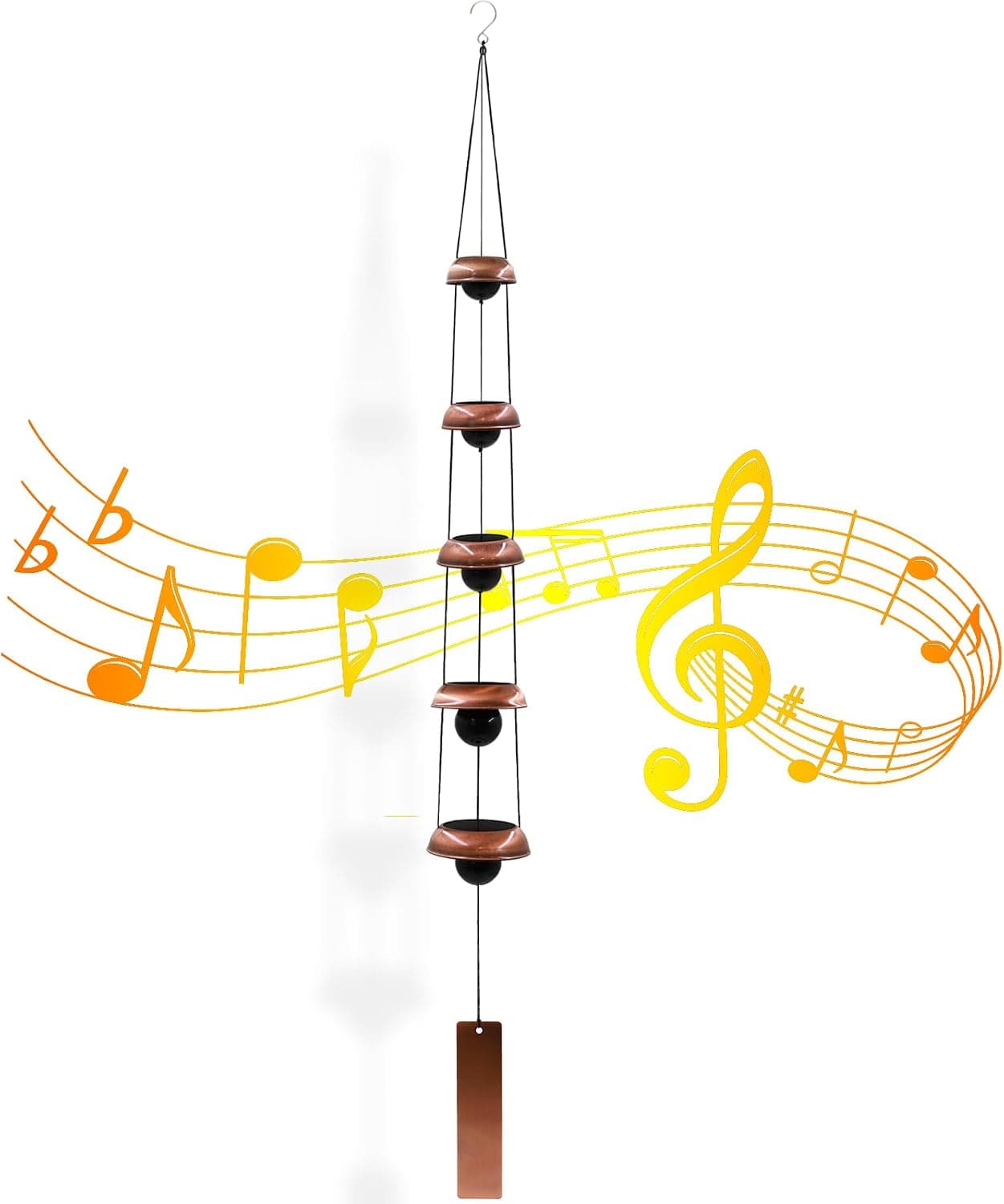 -19%
-19%Wind Chimes for Outside with 5 Bell Unique Copper Musical Chimes Feng Shui Wi...
 -5%
-5%YU FENG Evil Eye Money Tree, Blue Feng Shui Decor with Golden Buddha
 -29%
-29%Karma and Luck March Birthstone Crystal Tree of Life, Aquamarine Gemstone Fen...
 -29%
-29%Karma and Luck July Birthstone Crystal Tree of Life, Ruby Gemstone Feng Shui ...
As an Amazon Associate, we earn from qualifying purchases. We only recommend items our practitioners have personally tested.
Continue Your Journey
Explore these related guides to deepen your understanding:


Ready for Deeper Guidance?
Try our free I Ching reading for personalized wisdom, or explore our curated Feng Shui essentials.