A beautiful bedroom can still work against intimacy when the route through it keeps the body alert, rushed, or boxed in.
The Traffic Pattern Trap
The path from your bedroom door to your bed may be doing more to shape intimacy than a pair of rose quartz stones ever will. If that path forces you around a desk, past a glowing television, or between the bed and a wall with barely enough room to turn, the room communicates friction before you have spoken a word.
That is the narrow problem this guide addresses. A relationship-oriented bedroom is not created by adding enough pink, candles, or matching ornaments. It begins with the movement your body repeats every day: entering, undressing, crossing the room, getting into bed, and leaving again. In feng shui terms, circulation affects how qi gathers and settles. In design terms, circulation determines whether a room feels welcoming or obstructed.
The difference matters because the bedroom is a low-stimulation space. It should support rest, privacy, and mutual access. Yin and yang provide a useful frame here without turning the room into a mystical puzzle: yin qualities are quiet, soft, shaded, and receptive, while yang qualities are bright, active, exposed, and directional. A good bedroom lets both exist, but gives nighttime activity the softer hand.
A clear route changes the emotional temperature of the room.
What You're Actually Dealing With
From household order to romantic symbolism
Early Chinese site selection and household arrangement were practical arts before modern bedroom advice turned them into a catalogue of romantic objects. Classical feng shui considered terrain, orientation, openings, shelter, and the way people moved through a place. The bedroom was never isolated from its wider setting. A door, window, passage, and bed formed a relationship of their own because each shaped exposure, privacy, and the ability to rest.
That history helps separate traditional principles from later symbolism. Paired objects can express partnership, but they do not manufacture it. A red cushion may signal warmth in a contemporary Western home, yet excessive red can also make a room feel visually loud. A mirror can expand a small room, but its reflection may disturb someone who wakes easily. The object is not automatically auspicious or harmful. Its effect depends on position, sensory impact, and the people who live with it.
Modern relationship advice often compresses this complexity into a shopping list: place two lamps, remove single chairs, add flowers, and make space for a future partner. The useful part is the invitation to create room for companionship. The weak part is pretending that an object has more influence than the route your nervous system experiences at midnight.
Start with the floor, not the altar.
The body reads a room before the mind explains it
Imagine a bedroom door on the southeast wall, a double bed pushed against the north wall, and a narrow walkway running directly along the foot of the bed before ending at a wardrobe. Every morning, one person enters, turns sideways to avoid the bed frame, and reaches across the other sleeper to open the wardrobe. At night, the same person crosses a bright strip of floor, steps around a laundry basket, and approaches the bed from one side only. The repeated sequence teaches the body that access is difficult and that one person has less room than the other.
Brains are efficient pattern detectors. They register bottlenecks, blind corners, hard edges, and blocked exits without requiring conscious analysis. A clear sightline to the door can reduce vigilance because the sleeper can orient to the room quickly. Adequate space on both sides of the bed supports equal access, which can quietly reinforce the idea that both people belong there. These responses do not prove that feng shui causes romance; they explain why spatial order can influence mood, patience, and the willingness to linger.
For someone seeking a new relationship, the same arrangement matters differently. An empty side of the bed is not a magical invitation, and placing a second toothbrush in a drawer will not summon a partner. But a room that has no usable space for another person may reveal an unconscious refusal of shared life. The practical question is simple: could another adult enter, put down a book, charge a phone, and sleep comfortably without negotiating every inch?
The Hidden Pattern
Input: the route people repeat
Audit the room at three ordinary times: when you enter after work, when you prepare for sleep, and when you get up in darkness. Do not stand in the doorway and judge the composition as a photograph. Walk it. Notice where your shoulder turns, where your foot hesitates, where a drawer cannot open fully, and where one person must pass close to the other.
Mark the door, bed, wardrobe, windows, and main light with a quick sketch. You do not need a perfect bagua map for the bedroom to identify a circulation problem. The first evidence is physical. If the direct route from door to bed is cluttered, the room is asking the body to stay alert.
Step one: the door establishes approach
In traditional terms, the door is an opening through which qi enters. In an ordinary home, it is also the point where a person shifts from public life into private life. A door that opens onto the bed can create a feeling of exposure, especially if the sleeper's feet line up directly with the opening. A door that opens into a crowded corner creates a different problem: the room feels compressed before the person has taken two steps.
You may not be able to move the door. Renters often cannot. Use a smaller adjustment first. Keep the swing clear, remove storage from the first two feet inside the room, and place a low, stable piece of furniture where it can slow visual movement without blocking access. A narrow bench with rounded edges can define the transition better than a tall shelving unit. Avoid placing a mirror directly opposite the door if it throws the entry movement back at you or catches movement in peripheral vision.
Step two: the bed receives or resists
The bed is the room's most influential object because it occupies the largest area and determines how every other route behaves. A commanding position usually means seeing the door from the pillow without sitting directly in its path, while keeping the headboard against a solid wall. This arrangement gives the sleeper awareness and support. It also prevents the bed from becoming an obstacle that divides the room into awkward fragments.
For partnership, equal access is more valuable than decorative symmetry. If the bed is jammed against the west wall because a dresser occupies the east side, one partner may have a generous landing zone while the other climbs in from the foot. Move the dresser before buying matching lamps. If moving furniture is impossible, create visual equality with two reachable surfaces, two lights, and a clear place for each person's essentials, even when the actual floor area is unequal.
A headboard made of wood can add visual warmth and a sense of enclosure; upholstered fabric can soften a hard, echoing room. Neither material is inherently better. Choose what supports sleep and conversation, because a bed that looks symbolically correct but squeaks, sheds dust, or leaves someone facing a harsh ceiling light is poorly placed in lived terms.
Step three: secondary objects either support or interrupt
Nightstands, lamps, laundry hampers, charging cables, chairs, and mirrors create the secondary traffic pattern. Their combined effect is often hidden because each item seems harmless. A chair becomes a clothes pile, the pile narrows the passage, and the narrowed passage makes one person approach the bed from the same side every night. That is a chain of cause and effect, not a curse attached to the chair.
Electronics deserve special attention. A television opposite the bed produces light, sound, and a strong forward-facing focus. Work equipment produces unfinished tasks. Family photographs can bring warmth, but a crowded gallery of relatives may make a private room feel socially observed. Remove or relocate the item that keeps the mind outward-facing before adding a symbolic cure. You can read more about the wider principles in this bedroom feng shui reference, but the order of operations remains spatial first.
Step four: the output is felt as ease or negotiation
After several days, assess the output. Do you enter the room and soften, or do you begin solving problems? Can both people reach the bed without waking the other? Does the lighting let you see a face comfortably? Is there a quiet surface for a glass of water, a book, or a personal object? These details influence the number of small negotiations a couple makes each day, and reducing unnecessary negotiations can protect goodwill.
That is the mechanism: a blocked route raises friction, friction keeps the body activated, activation reduces rest and openness, and reduced openness changes how people meet one another. Feng shui gives this sequence symbolic language; environmental psychology gives it behavioral language. Both point you back to the same test: observe what the room repeatedly asks you to do.
When It Goes Wrong
A room that looked romantic but felt hostile
I've seen a north-facing bedroom arranged with admirable intention: pale pink walls, two small ceramic birds on the dresser, a red throw folded at the foot of the bed, and a pair of candles on the west windowsill. The bed, however, sat only eight inches from the east wall because a black writing desk filled the opposite side. The bedroom door opened toward the footboard, and the only clear route ended between the bed and the desk.
The owner described the room as romantic but said evenings felt tense. Reading in bed meant sitting under a cold ceiling fixture because the desk lamp was too bright. Getting dressed required moving the chair. A partner staying overnight had nowhere to put a bag except on the red throw. The symbolic message said togetherness; the traffic pattern said intrusion and inconvenience.
We removed the desk from the bedroom, moved the bed six inches toward the center, replaced the ceiling bulb with two warm shaded lamps, and kept the paired birds. The change was modest. The room became easier to cross, the bed could be approached from both sides, and the pink walls stopped competing with the harsh light. The objects were not the solution, but neither did they need to be discarded once the layout supported their meaning.
Light matters more than color theory when your eyes are tired.
When one partner dislikes feng shui
A shared bedroom is not a laboratory for imposing belief. If one partner considers feng shui nonsense, begin with measurable comfort: clear the walkway, reduce glare, improve storage, and make access equal. Call it better room planning if that keeps the conversation constructive. The underlying practice can remain useful without requiring both people to agree on qi.
Do not secretly move personal objects or create a second side of the bed as a performance for an imaginary future partner. That can feel manipulative. Instead, explain the concrete intention: more space, less visual noise, better sleep, and a room that works for two adults. Partnership is already the subject. The arrangement should practice it.
The Real Fix
Prioritize the room in this order
First, clear the entry route. Remove baskets, shoes, cables, and furniture that force a turn immediately inside the door. Second, establish the bed in the strongest workable position: solid support behind the head, a view of the entrance, and no direct obstruction between door and sleeping surface. Third, protect both sides of the bed as much as the architecture allows. Fourth, soften the sensory field with layered lighting, breathable materials, and fewer active screens.
Only after these changes should you consider romantic symbolism. Pairs can be meaningful because they represent reciprocity, but choose objects that belong to your life. Two ceramic cups, matching reading lamps, or two photographs from a shared trip will usually carry more integrity than generic decorations purchased under pressure. For broader guidance on placing color and material, consult this discussion of feng shui color meanings, then adapt the palette to your actual sleep preferences.
Three common floor plans
Bed beside the door: If the bed must remain near the entrance, use a solid headboard and keep the door from striking the frame. A slim bench or open screen can create separation, provided it leaves a full walking route. Avoid tall, unstable dividers that make the entry feel narrow.
Bed under a window: A window behind the head can feel exposed and may create drafts or early morning glare. Use a substantial headboard, lined curtains, and a pair of low bedside lights to give the bed visual weight. Keep the window operable; a symbolic arrangement that compromises ventilation is poor design.
One-sided access: In a small room, one-sided access may be unavoidable. Make the arrangement honest rather than pretending it is symmetrical. Give the person on the wall side a dependable reading light, a shelf, and enough clearance to turn safely, while keeping the open side free from storage so the room still breathes.
Apply the adjustment without creating a new problem
Change one major variable at a time and live with it for three nights. If you move the bed, wait before changing the colors, mirrors, and accessories. Track sleep quality, ease of movement, and the tone of evening conversations. This is not about proving a supernatural effect; it is about identifying which physical conditions make rest and connection easier.
For someone inviting a new relationship, clear one usable portion of the room and remove objects that define the space as permanently solitary, such as a desk that dominates the bed or storage stacked on the second side. For an established couple, ask a different question: where does one person routinely surrender comfort? The answer may be the colder side of the bed, the blocked drawer, or the lamp that shines into one partner's eyes.
Do not force a red bedroom because romance is associated with fire. Deep red may stimulate some people and exhaust others. Muted terracotta in a lamp base, a warm ivory wall, natural wood, or a soft green textile can create a balanced material story without turning the room into a themed set. Yin and yang are not instructions to make everything passive or everything dramatic; they are a reminder to balance stimulation with recovery.
Plants require the same clear judgment. A large plant beside the only walkway is still an obstruction, whatever its symbolic promise. If you are considering greenery, review this practical feng shui plant guide and choose only a healthy specimen that fits the light, humidity, and available floor space.
The audit that keeps the meaning honest
Stand at the door after the room is quiet. Can you see the bed without feeling pushed toward it? Walk to each side. Can both sleepers get in and out without climbing, squeezing, or apologizing? Lie down and look at the light sources. Are there reflections, blinking devices, or work reminders in view? Finally, ask whether the room feels like a place where two people can be present as themselves, rather than a stage designed to produce a romantic outcome.
That last question is the safeguard. Feng shui can help you notice relationships between placement, movement, attention, and rest. It cannot override consent, compatibility, communication, or the practical work of building trust. A well-arranged room creates better conditions. People still create the relationship.
Questions Readers Ask
Do I need a perfectly symmetrical bedroom to attract love?
Perfect symmetry is unnecessary and can make a small room less functional. Aim for balanced access and balanced consideration, not identical objects at identical distances. If one side has a wall, use lighting, shelving, and clear personal space to give that side equal dignity.
Where should the bed go if I cannot move it into the ideal position?
Begin with the best workable position rather than chasing an ideal floor plan. Keep the head supported, maintain a clear route from the entrance, secure the frame, reduce direct glare, and use a substantial headboard if the bed must sit below a window. Small improvements in access and sensory comfort often matter more than a forced relocation that makes the rest of the room unusable.
Are mirrors bad for a relationship bedroom?
A mirror is not automatically harmful, and many modern bedrooms need one. The surprise is that the problem is usually reflection and stimulation, not the mirror's existence: a mirror facing the bed can catch movement, light, or a partner's image during half-sleep. Angle it away, cover it at night, or place it where it expands the room without putting the sleeping area on visual display.
Mei Chen
Traditionally informed guidance • Cross-referenced with classical Chinese source texts
Content draws from both Compass (Luopan) and Form (Xingshi) school traditions. Illustrative examples are composites based on consultation experiences.
Practitioner-Selected Tools for This Topic
Items our team has tested and found effective for the principles discussed above. Individual results may vary.
 -19%
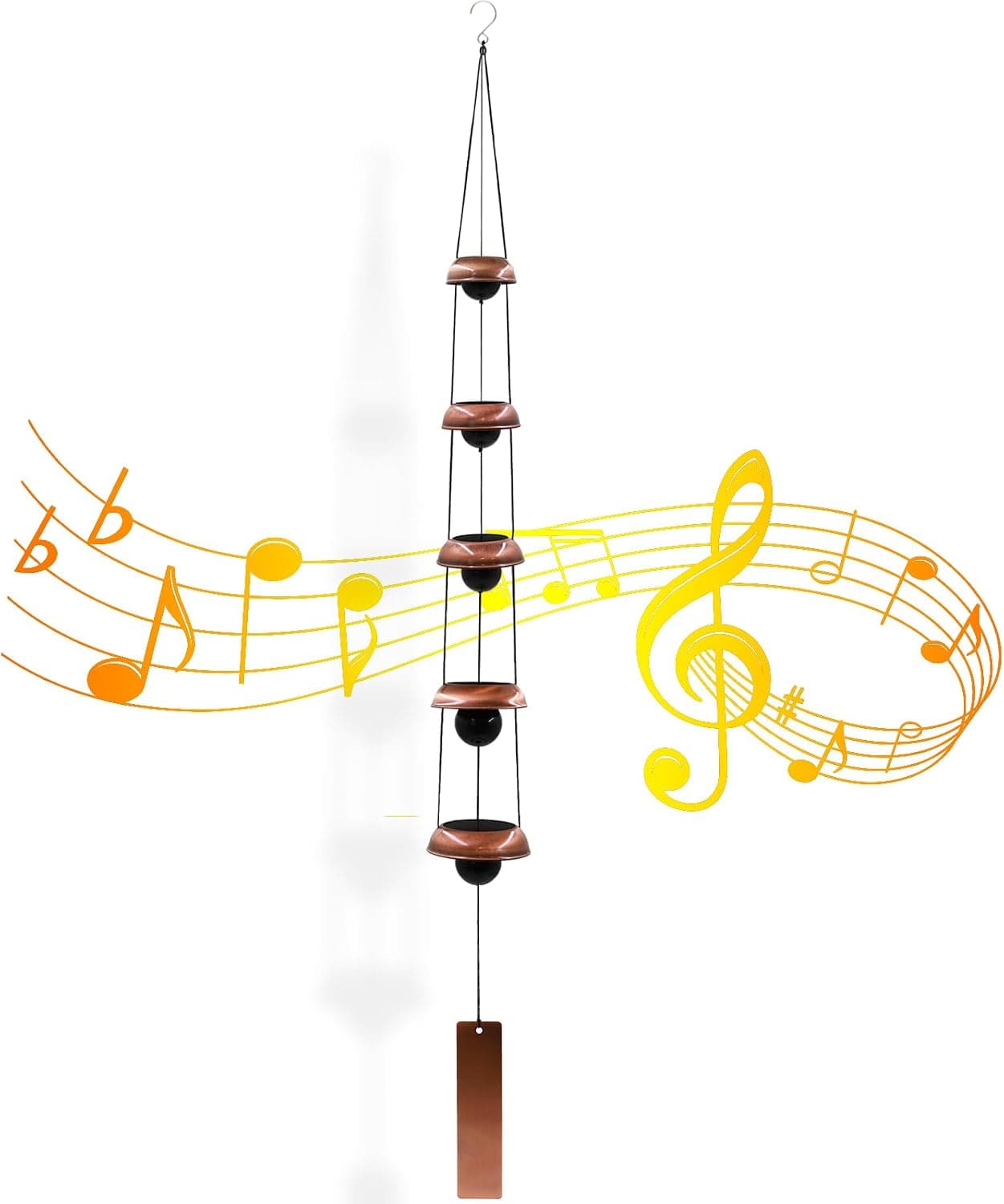
-19%Wind Chimes for Outside with 5 Bell Unique Copper Musical Chimes Feng Shui Wi...
 -5%
-5%YU FENG Evil Eye Money Tree, Blue Feng Shui Decor with Golden Buddha
 -29%
-29%Karma and Luck March Birthstone Crystal Tree of Life, Aquamarine Gemstone Fen...
 -29%
-29%Karma and Luck July Birthstone Crystal Tree of Life, Ruby Gemstone Feng Shui ...
As an Amazon Associate, we earn from qualifying purchases. We only recommend items our practitioners have personally tested.
Continue Your Journey
Explore these related guides to deepen your understanding:


Ready for Deeper Guidance?
Try our free I Ching reading for personalized wisdom, or explore our curated Feng Shui essentials.