If your bed passes the usual feng shui test but sleep still slips away, the real problem is usually light, threshold pressure, or circulation.
When the bed is “right” on paper but sleep still feels off
I’ve seen bedrooms where the bed sat on the so-called correct wall, the headboard had support, and the room still felt wrong at 2 a.m. The pattern is usually simple: the foot of the bed points straight at the door, a hallway light spills across the pillows, and the body never fully settles because it keeps registering motion, sound, and exposure.
That is the failure mode people miss when they search for feng shui bed placement rules. They copy a placement, not a room. And a room is not a slogan; it is a small interior with traffic, thresholds, light, and pressure points that either protect rest or keep the nervous system half-awake.
One renter I remember had a narrow bedroom with a navy quilt, a white frame, and a tall lamp by the entry. The bed was moved to the “correct” wall, but every morning at 6:10 the light from the corridor cut a pale strip over the pillow edge, and the foot of the bed lined up with the door swing. She woke up more often after the move, not less. That is not bad luck. That is geometry.
The fix was not a crystal, and it was not more rules. It was a different reading of the room.
Why the usual bed-placement advice breaks in real rooms
Online advice often treats the bedroom like a checklist: put the bed in command position, avoid the door, keep mirrors away, done. That sounds tidy because it is easy to repeat, but it breaks as soon as the room has one usable wall, a window where you do not want one, or an awkward pass-through to a closet.
Modern Western homes make this worse because bedrooms are often designed around whatever the floor plan allows, not around a calm sleeping zone. In architecture terms, circulation wins first. If the path from the entry to the window, closet, or bathroom slices too close to the bed, the room keeps behaving like a corridor instead of a refuge.
Even two rooms with the same bed placement can feel completely different. A larger room with a clear threshold and generous side access can make the same arrangement feel settled, while a tight room with a cramped pass-through can make the bed seem exposed and pressed. Proportion changes the feeling. So does the amount of empty floor around the bed, because empty space can either relieve pressure or amplify it.
That is why generic advice fails so often. It describes an object arrangement, but sleep responds to the whole spatial field.
The mechanism: thresholds, sightlines, and movement shape safety
The body does not judge a bedroom by theory. It scans for signs of protection, and it does that fast.
When the bed sits in a direct line from the doorway, the brain reads the position as more exposed because movement from the hall is immediately visible. If the foot of the bed points at the entry, footsteps, opening doors, and hallway sound travel along the same axis as the sleeping body, which can keep sleep lighter even when the room looks neat.
Light matters just as much. Morning glare hitting the pillow edge, a streetlight washing the ceiling, or a vent draft crossing the face can trigger repeated micro-alerts without fully waking you. People often say they “just sleep badly” in one room, but what they are really describing is a pattern of small sensory interruptions.
Here is the part that surprises many Western readers: a strong headboard is not merely decorative in feng shui. In practical terms, it gives the body a clear back boundary. A solid wall behind the head, with side access on both sides if possible, tends to reduce subconscious vigilance because it creates a protected rest zone and separates sleep from circulation. That is one reason a well-set bedroom layout works better when the room feels anchored rather than floating.
Classical feng shui was never only about symbols. It emerged from observing how landforms, openings, shelter, and movement affect human life. Modern online versions often flatten that into a few do-not-do rules. The older logic is closer to environmental planning than superstition. It asks: where does energy move, where does the body relax, and where does the room keep interrupting rest?
Classical feng shui versus the version people copy online
Classical practice paid attention to the whole site, the surrounding buildings, the entry, and the way a room receives light and wind. A bed was never only “good” because it faced one direction. It was good because the sleeping person was sheltered from chaotic movement, excessive draft, harsh glare, and visual pressure.
That is why the popular internet version can sound right and still fail. It repeats the visible rule but skips the mechanism behind it. If a room has a narrow window wall and a closet door opening toward the bed, the so-called correct position may still create tension because the bed sits inside competing circulation lines.
In one city apartment I studied, the only viable wall was technically the best wall by textbook standards. Yet the room had a tall east-facing window, a closet on the adjacent wall, and a hallway that funneled sound straight past the bed at night. The bed looked fine in photos. In person, it felt alert and busy. The issue was not the wall. The issue was that the room had too many vectors crossing the sleeping zone.
That is the modern problem. Western homes often demand a renter-friendly solution inside a fixed shell. So the real skill is not memorizing placements. It is learning how to read pressure, light, and traffic in the room you actually live in.
How to read a bedroom like a planner, not a superstition list
Start with the entry. Stand at the bedroom door and look at the bed. Ask yourself one question: does the bed sit on a direct line of approach, or does the room give you a small turn before you reach it? That turn matters because it softens exposure and makes the sleeping zone feel less like part of the passage.
Next, check the headboard wall. Solid support behind the head is preferable because it creates psychological and spatial closure. If the wall is weak, hollow, or visually busy, the bed can feel less settled even if every rule card says it is “correct.”
Then test the light. Open the curtains at the hour you usually wake. Watch where the sun lands. Notice whether the pillow edge, your eyes, or the upper chest gets hit first. Light is a spatial force, not decoration, and bedrooms often fail because people judge them at noon instead of dawn.
Finally, examine circulation. Can you get to both sides of the bed without squeezing? Does a closet door swing near the mattress? Does the route to the bathroom cross the sleeping body? If so, the room is asking the body to stay alert to movement. That is the opposite of rest.
For readers trying to map the room more systematically, the bagua map can help you orient the space, but it should come after you understand the traffic pattern, not before. A map cannot fix a bed that is being hit by hallway light at dawn.
What changes when the room, not the rule, becomes the starting point
Once you start with the room, the fixes become practical instead of mystical. Sometimes you move the bed a few inches off the direct doorway line. Sometimes you swap a sheer curtain for a heavier one because the morning glare is the real offender. Sometimes you add a sturdier headboard, or slide the bed away from a vent that keeps blowing cold air across the sheets.
And sometimes the best move is the least glamorous one: accept the only viable wall, then reduce the room’s visual pressure with calmer bedding, cleaner side access, and fewer objects competing with sleep. A room with one window and one door does not need more symbolism. It needs fewer interruptions.
That is the actual logic behind feng shui bed placement rules. The rules are useful when they point you toward protection, but they fail when they are treated like magic labels. The room decides the result because the room controls light, sound, threshold pressure, and the way your body predicts movement around it.
If you want the broader bedroom framework, the full bedroom guide covers the larger picture. But if your sleep is fragile right now, begin with the line from the door to the bed, the first light that reaches the pillow, and the feeling of support behind your head. Those three details tell you more than most lists ever will.
When those details are handled well, the bedroom stops acting like a corridor and starts behaving like a shelter. That is the point.
FAQ
What if my room only has one wall for the bed?
Use that wall, but diagnose the room around it. If the bed is still exposed to the door, hallway light, or a vent, address those pressures first because a “correct” wall does not override poor circulation or harsh light.
Is it bad if the foot of the bed points toward the door?
Not automatically, but it often increases alertness because the sleeping body stays aligned with the main traffic line. If you cannot change the orientation, soften the effect with better side access, heavier curtains, and a stronger headboard boundary.
Do I need to follow every feng shui bed rule exactly?
Surprisingly, no room rewards rigid copying. A bedroom that supports sleep is usually the one where the body feels less exposed, less interrupted, and less hit by morning glare or drafts, even if one or two textbook rules cannot be satisfied.
Mei Chen
Traditionally informed guidance • Cross-referenced with classical Chinese source texts
Content draws from both Compass (Luopan) and Form (Xingshi) school traditions. Illustrative examples are composites based on consultation experiences.
Practitioner-Selected Tools for This Topic
Items our team has tested and found effective for the principles discussed above. Individual results may vary.
 -19%
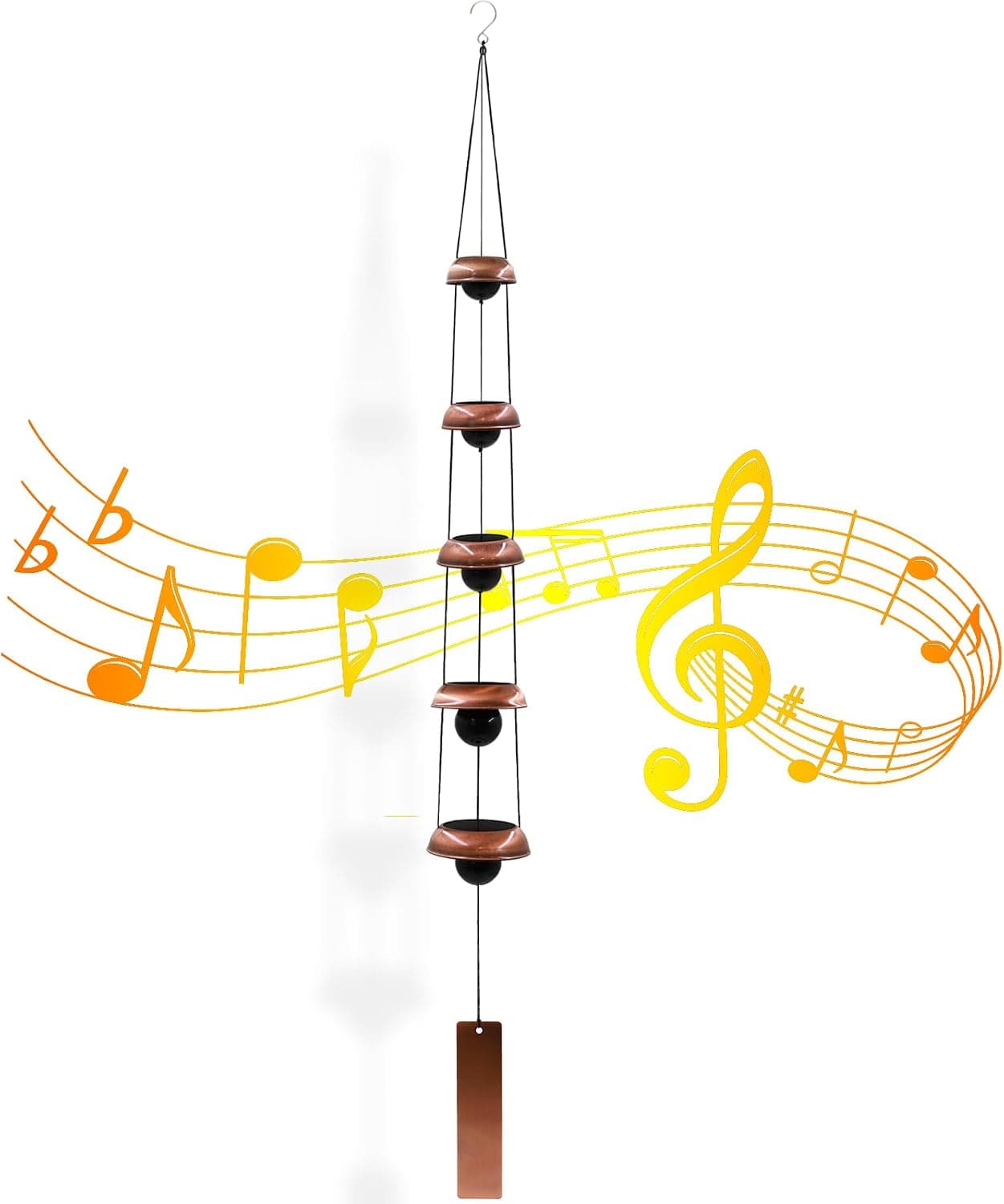
-19%Wind Chimes for Outside with 5 Bell Unique Copper Musical Chimes Feng Shui Wi...
 -5%
-5%YU FENG Evil Eye Money Tree, Blue Feng Shui Decor with Golden Buddha
 -29%
-29%Karma and Luck March Birthstone Crystal Tree of Life, Aquamarine Gemstone Fen...
 -29%
-29%Karma and Luck July Birthstone Crystal Tree of Life, Ruby Gemstone Feng Shui ...
As an Amazon Associate, we earn from qualifying purchases. We only recommend items our practitioners have personally tested.
Continue Your Journey
Explore these related guides to deepen your understanding:


Ready for Deeper Guidance?
Try our free I Ching reading for personalized wisdom, or explore our curated Feng Shui essentials.