An awkward bathroom shape can cancel out careful cures faster than a leaking tap.
What Most Guides Overlook About Feng Shui Bathroom-tips-and-cures
What's widely believed about bathroom remedies in an L-shaped room isn't the whole picture. I walked into a narrow guest bath in a Chicago condo last fall and saw the whole setup: matte white tiles, a navy towel folded on a brass ring, and a small salt-water cure sitting beside the sink, placed exactly where an online checklist said it should go. Two weeks later, the owner told me sleep had gotten worse, not better, and the room felt colder every night. Not because the cure was "wrong" in the abstract. Because the room geometry kept splitting the flow before it could settle.
That is the part most advice skips. A bathroom with an irregular footprint behaves like a cornered current: water leaves, sound bounces, and attention fragments. In a straight rectangle, you can usually work with the door, basin, and drain as a simple chain. In an L-shape, the bend creates a second path, and that second path changes everything. The same fix that calms one room can leave another feeling oddly restless. the front-door alcove principle applies here more than people expect, because a partial enclosure either gathers or leaks qi depending on where the open side sits.
Here is the mechanism in plain terms. First, the eye enters one leg of the L and then gets pulled toward the hidden notch, so the room never reads as one container. Second, water fixtures usually sit on the outside wall, which means the drain and the bend of the room start competing for dominance. Third, any cure placed in the wrong leg becomes decoration rather than regulation; it looks intentional, but it doesn't command the space. Wrong. That is why a tidy basket, a crystal, or a plant can all fail if they are asked to correct a shape problem they were never meant to solve.
I have seen this backfire in a realtor's powder room with pale green paint, a black lacquer soap tray, and a mirror that faced the short leg of the L. She had copied three bathroom rules from different sites, then wondered why the room felt busier after the change. The answer was simple: she treated the symptoms and ignored the layout. bathroom placement rules matter, but only after you identify which part of the room is acting like the mouth, which part is acting like the sink, and which part is swallowing the rest of the visual field.
How the Bend Changes the Room's Behavior
Start with the doorway. In an irregular bath, the door often opens toward the longer arm, which creates a visual runway, then abruptly stalls at the bend. That stall matters because it leaves the mind half-alert. The nervous system notices unfinished lines faster than it admits, so even a spotless room can feel like it has a job left undone. This is why some people keep forgetting towels, leave caps on bottles, or avoid standing in the back corner for long. The room teaches hesitation.
Then check the drain line and the mirror line. If both point into the same leg, you get a subtle suction effect: the sink, toilet, and shower all seem to pull attention in one direction while the other leg goes numb. In practice, that means one side of the room becomes overused and the other side collects dust, hair ties, and old lotion bottles. I once saw this in a mint-colored bath where the back leg held a wicker hamper and a dead fern. After the homeowner moved the hamper to the shorter leg and replaced the fern with a solid ceramic dish, the room stopped feeling lopsided within a week. Not mystical. Just geometry doing what geometry does.
Do not rush to add more cures. More objects in an L-shaped bath usually create visual noise, and visual noise reads as unfinished business. A single matte container can do more than three shiny items fighting for attention. If the room is already small, avoid reflective clutter near the bend; it doubles the sense of interruption. If the room is larger, use one clear visual anchor in the deeper leg so the eye understands where to rest. reading a feng shui compass helps you orient the problem, but the room shape still has the final say.
There is also a psychological layer people ignore. Bathrooms already deal with release, disposal, and constant movement of water, so the mind is primed for letting go. Add an L-shape and the release becomes segmented. That can show up as delayed decisions, a habit of leaving the room with the faucet still dripping, or a strange reluctance to fully renovate the space because "it is fine for now." Fine for now is usually code for unresolved. The room has learned to stop halfway.
What Actually Works in an Irregular Bathroom
Use the bend as a boundary, not a mystery. If one leg contains the toilet and the other holds the sink or shower, separate the functions visually with texture instead of more objects. A woven mat under the sink, a smooth ceramic tray near the toilet, and a towel in one restrained color can tell the room where each activity begins and ends. The point is not symmetry. The point is legibility. When the space reads clearly, the body relaxes faster.
Lighting matters more than people think. A single ceiling bulb in the center of the longer leg often leaves the shorter leg in visual shadow, and that shadow can make the room feel older than it is. Add a small wall light or a brighter bulb near the bend if the corner swallows detail. I like warm white in these rooms because harsh blue light sharpens every angle and makes the L feel more severe. One client in a Seattle townhouse swapped a cold bulb for warmer light above a brass-framed mirror and stopped describing the bath as "that weird corner" after three days.
Plants can help, but only if they fit the shape. A tall, spindly plant jammed into the inside elbow of the L does not soften anything; it becomes a visual traffic cone. Better to place a compact plant in the more open leg, where it can round off the line without blocking movement. If there is no natural light, skip the plant and use a rounded ceramic vessel instead. That still gives the eye a gentler form. the plant placement mistake is often less about the plant itself and more about forcing life into a dead angle.
One more thing: don't hang a heavy mirror where it captures both legs at once unless you want the room to feel doubled and slightly frantic. Mirrors can be useful in a tight bath, but in an irregular room they can amplify the bend instead of smoothing it. A smaller mirror with a plain frame usually does the job better. I know the glossy option looks more luxurious. Big mistake.
Common Missteps That Make the Bend Worse
People love to cover every problem with metal. It feels clean, modern, and decisive. In an L-shaped bathroom, too much chrome, too many silver finishes, and too many bright edges can sharpen the break in the floor plan until the room feels clipped in half. The consequence is subtle but real: the space starts to read as draftier than it is, and you keep reaching for the towel because the room never feels fully settled.
Another mistake is placing all the "fixing" items in the visible leg and ignoring the tucked-away arm. That feels efficient because the eye sees the cure immediately. Yet the hidden section is where stagnation likes to collect. Dust behind the toilet, a half-used candle in the corner, and a spare roll of paper on the floor are enough to keep the whole room slightly stale. the wealth-corner threshold problem teaches the same lesson: unseen pockets matter more than people expect.
Some homeowners try to make the bathroom "disappear" by overusing white. White can be useful, but a bleached-out room with no contrast loses shape and starts to feel vacant instead of clean. That often leads to a strange kind of avoidance. You rush in, you rush out, and the room never gets the attention that would actually improve it. Better to give it one grounding tone—sage, sand, charcoal, even a muted terracotta accent—so the bend has a visual anchor.
Then there is the habit of buying cures before measuring the room. The online picture looks calm, so people order the same basket, same crystal, same dispenser, then place everything where there is room. Placement by accident is not placement. Measure the two legs, note where the door swings, and decide which side needs to hold the visual weight. If you skip that step, you are decorating a geometry problem and calling it feng shui. the wealth-corner framework works because it begins with shape, not shopping.
How to Set the Room Without Fighting It
Begin by clearing one surface completely. Not half. Completely. The sink in a bathroom with an awkward footprint needs breathing room so the eye can understand where the daily action happens. After that, choose one object to sit near the bend: a soap dish, a low plant, a closed canister, or a small tray with a firm edge. The object should be stable, not fussy. You are not trying to entertain the space.
Then decide which leg should feel lighter. If the longer leg holds the toilet and shower, let the shorter leg carry the visual anchor so the room stops collapsing into the far end. If the sink sits in the tucked-away arm, give that area the cleanest line and keep the other leg spare. That sounds technical because it is. The room responds to distribution, not sentiment.
One of the better adjustments I have used is a rounded rug placed just before the bend. It interrupts the hard angle without blocking movement, and it gives the body a small pause before entering the second leg. A round or oval shape works better than a square in these rooms because it softens the turn. The same logic applies to baskets and trays. Curves reduce the sense of interruption. Sharp forms insist on it.
For mirrors, think placement and restraint. A mirror above the sink is normal; a mirror that captures the bend, the door, and the toilet all at once usually is not. You want reflection to open the room, not multiply the confusion. If the mirror is already fixed, reduce what it reflects: close the toilet lid, remove extra bottles, and keep the counter spare. Small change. Large effect.
Quick Checks Before You Buy Anything
Ask one practical question: where does the room visually stop? That point is often the bend. If your eye lands there and then has nowhere to go, the room is asking for a clear finish. In that case, one calm object with a grounded shape will do more than a shelf full of remedies.
Ask another: which leg gets neglected first? The answer usually tells you where the stagnation is hiding. If the back section collects lint, old labels, or forgotten toiletries, you do not have a charm problem. You have an access problem. Fix access first.
Finally, notice how long you linger. Rooms that work well invite a normal pace: wash, dry, leave. Rooms that fight their own shape make you hurry, then double-check, then return for something you forgot. I watched a nurse in a Dallas duplex stand in her bathroom doorway for three extra seconds every morning because the shorter leg felt visually unfinished. After she changed the bulb, moved a wire basket out of the bend, and replaced a glossy dispenser with stoneware, those extra seconds disappeared. That is the sort of change people dismiss because it is quiet. It still changes how the day starts.
When Common Bathroom Advice Fails
Conventional bathroom advice assumes the room is a box. Clean it, brighten it, close the lid, remove clutter. Useful, but incomplete. A box behaves one way; an L-shape behaves another. Treating them the same is how people end up with a polished room that still feels unsettled.
That is also why some popular cures backfire. A large crystal can be too assertive in a tiny bend. A water feature belongs elsewhere. Too much fragrance can make a compact bath feel chemical and overworked. The issue is not that those items are inherently bad. The issue is that they can intensify the room's fracture instead of healing it. the window alcove crystal lesson shows how placement changes everything, even for objects people assume are universal fixes.
And no, you do not need to "energize" the whole room. That kind of language hides the real job, which is to clarify the path water, attention, and movement take through the space. Clear path. Clear result. If a cure can't help the room read itself more cleanly, it is probably ornamental.
FAQ
Is conventional Feng Shui Bathroom-tips-and-cures advice reliable? Often not, because it assumes a standard rectangle. Once the room bends, the usual placement rules can miss the actual problem: split flow and a hidden dead zone. Check the geometry first, then place remedies.
Should I use mirrors in an L-shaped bathroom? Sometimes, but not by default. A mirror that reflects the bend can make the room feel doubled and nervous, while a smaller mirror above the sink may calm things down. Watch what it captures before you decide.
What if my bathroom is tiny and irregular? Then restraint matters even more. Keep one clear surface, one grounding object, and one light source that reaches the darker arm of the room. Tiny spaces punish overcorrection.
Do plants help in this layout? Surprisingly, a plant can make things worse if it blocks the elbow or fights for attention with the fixtures. A compact plant in the open leg works better than a tall one jammed into the bend. If there is no daylight, a rounded ceramic object is safer.
How do I know the room is working after I adjust it? You stop rushing through it. Towels stay put, the counter gets used normally, and the room loses that half-finished feeling. The change is often quiet enough that you only notice it when you walk in and don't feel the need to fix anything else.
Can I use the same cure I use in other rooms? Sure, but only if the room can actually carry it. A bathroom with a bend has its own logic, and that logic will override a generic fix every time. That is the part people resist, even after they have seen it happen.
Mei Chen
Traditionally informed guidance • Cross-referenced with classical Chinese source texts
Content draws from both Compass (Luopan) and Form (Xingshi) school traditions. Illustrative examples are composites based on consultation experiences.
Practitioner-Selected Tools for This Topic
Items our team has tested and found effective for the principles discussed above. Individual results may vary.
 -19%
-19%Wind Chimes for Outside with 5 Bell Unique Copper Musical Chimes Feng Shui Wi...
 -5%
-5%YU FENG Evil Eye Money Tree, Blue Feng Shui Decor with Golden Buddha
 -29%
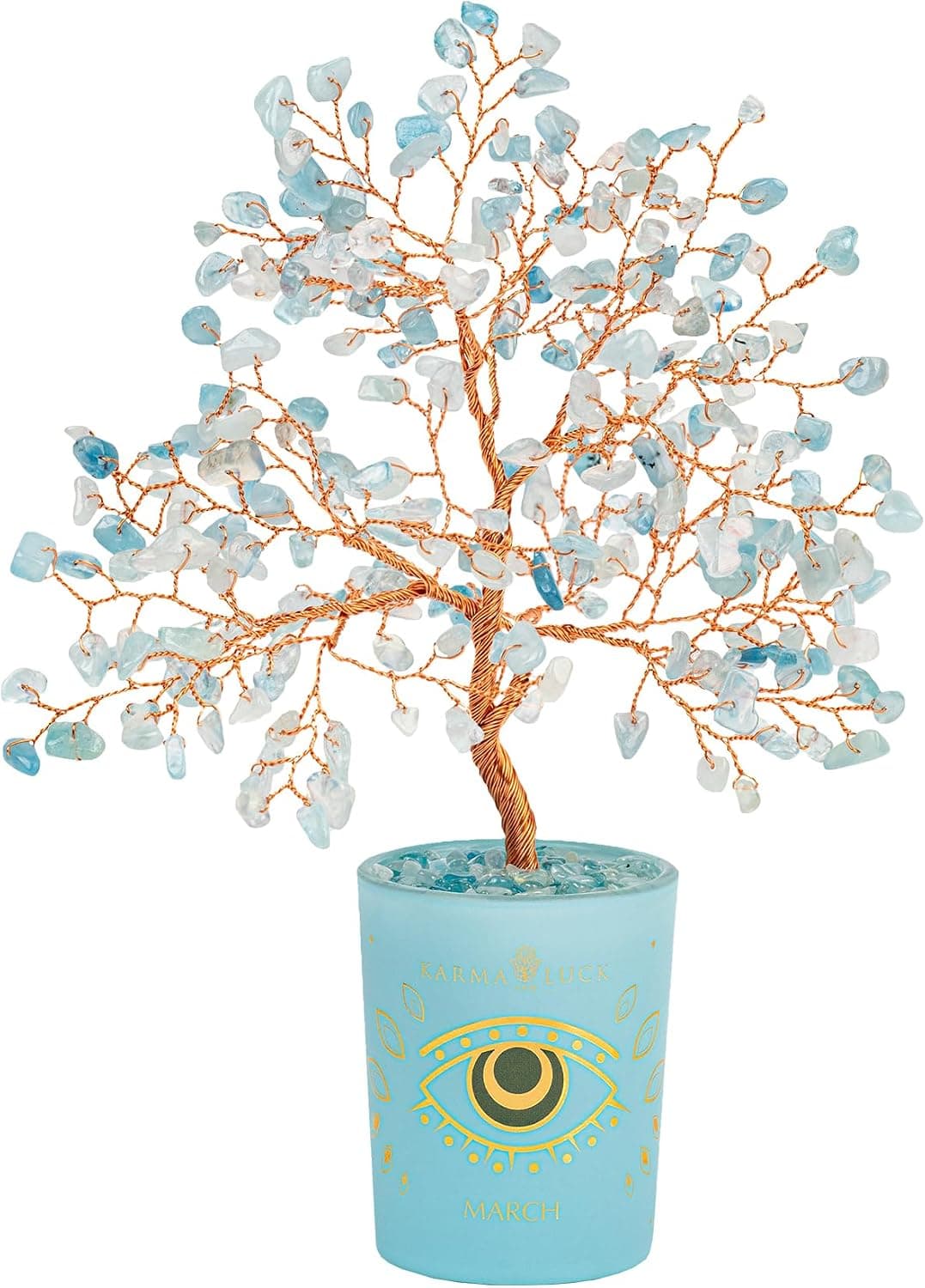
-29%Karma and Luck March Birthstone Crystal Tree of Life, Aquamarine Gemstone Fen...
 -29%
-29%Karma and Luck July Birthstone Crystal Tree of Life, Ruby Gemstone Feng Shui ...
As an Amazon Associate, we earn from qualifying purchases. We only recommend items our practitioners have personally tested.
Continue Your Journey
Explore these related guides to deepen your understanding:


Ready for Deeper Guidance?
Try our free I Ching reading for personalized wisdom, or explore our curated Feng Shui essentials.