The toilet is rarely the main problem. Learn which bathroom changes affect energy, perception, and daily habits most in real homes.
The Decision Starts at the Bathroom Door
Feng shui bathroom tips are often reduced to one command: keep the toilet lid closed. That habit is harmless, but it is rarely the strongest remedy. The first question is more exact: what does a person see, feel, and move toward the moment the bathroom door opens?
A bathroom can be clean and still create a draining impression. A toilet directly aligned with the doorway, a mirror reflecting the hall, a dark ceiling, or a shower that leaves the floor damp for hours all shape the room's message. In classical feng shui, water is associated with movement and release. In design psychology, the same room gives the brain repeated cues about exposure, disorder, privacy, and control.
The door is your starting point.
Stand outside the bathroom and open it slowly. Notice the first object in view, the path from the threshold to the sink, the position of the toilet, and whether the room receives daylight or only a harsh overhead bulb. This five-second test is more useful than buying a symbolic cure before you understand the layout.
What You Are Actually Dealing With
A bathroom is not automatically harmful because it contains plumbing. That belief produces needless anxiety, especially in apartments where the bathroom location cannot be changed. The room becomes difficult when several forms of release are combined: visible drains, neglected maintenance, poor ventilation, visual clutter, and a direct line from a major room into the toilet area.
Feng shui works here through relationships. A guest bathroom beside the entry affects the arrival sequence. An en suite bathroom facing the bed affects rest and privacy. A powder room under a staircase has a different problem from a long, narrow bathroom at the end of a hallway. The same toilet lid rule cannot solve all three.
Begin by identifying the room's role.
- En suite bathroom: Protect the bedroom from constant visual and sensory spillover.
- Guest bathroom: Keep it discreet, welcoming, and easy to maintain.
- Powder room near the entry: Prevent the first impression of the home from becoming a view of plumbing.
- Narrow bathroom: Improve circulation, light, and material balance before adding decoration.
- Bathroom facing a bed or front door: Break the direct sightline with a door, screen, partial wall, or carefully placed visual anchor.
This is where a clear reading of the bagua map can help, but do not begin there. Sector symbolism is secondary to what the body encounters every day. A bathroom in a so-called wealth sector is not doomed, and a bathroom elsewhere is not automatically benign.
The Hidden Pattern Behind “Draining” Rooms
There are two layers to bathroom feng shui. The first is physical: water leaves through pipes, air moves through ventilation, surfaces gather moisture, and people form habits around the sink and toilet. The second is symbolic: the room represents release, privacy, cleansing, and the movement of resources out of the household.
When the physical and symbolic layers point in the same direction, the room feels unsettled. A loose tap says water is escaping. A full wastebasket says disposal is unfinished. A mirror facing the open doorway expands the view of the bathroom into the rest of the home. None of these details needs supernatural force to affect a person. Repeated visual cues train attention and mood.
I've seen this in a north-facing en suite with slate-gray walls, a white toilet directly opposite the door, and a mirror mounted so it reflected the bed through the open doorway. The bed sat only six feet away, with its headboard on the east wall. The occupants kept the bathroom door open for convenience, then complained that the bedroom felt cold and exposed at night. Closing the door helped, but the stronger change was moving the mirror to the side wall and adding a warm, low-glare wall light near the sink. The room immediately felt less like a corridor and more like a private chamber.
The improvement was not produced by a lucky object. It came from changing the sequence of sight, movement, and light.
The brain prefers to see a clear route and a secure stopping point. A doorway that ends at a toilet creates an abrupt visual destination associated with disposal. A mirror opposite the entrance creates a second, confusing corridor because the eye cannot immediately tell whether the reflected space is another passage. A warmer light source near the face and hands, combined with a dry floor and an unobstructed path, reduces that sense of exposure.
When the Layout Goes Wrong
The most common difficult arrangement is a bathroom door that opens directly toward the toilet. You do not need to rebuild the room. First, keep the door closed when the bathroom is not in use. Then lower the toilet lid, especially in a powder room visible from a living area or hallway. These actions create a visual boundary and establish a clear habit of containment.
If the door cannot stay closed because of children, pets, or ventilation, use a partial screen or a narrow console outside the bathroom to interrupt the sightline. The object should not block movement. A slim wood screen, a tall frosted panel, or even a well-positioned towel rail can shift attention away from the toilet without making the room feel crowded.
A bathroom directly facing the front door needs a different response. The entrance carries the strongest arrival cue in the home, so a visitor should encounter a wall, artwork, plant, or attractive console before seeing the bathroom interior. Use a door with a solid lower panel or translucent glass if privacy is an issue. Do not hang a mirror on the bathroom door merely to “send energy back”; that often reflects the entry and makes the threshold busier.
Mirrors deserve restraint.
Place the main mirror where it serves the sink and gives a comfortable head-and-shoulders view. Avoid cutting off the top of the head, reflecting the toilet, or creating an image of the hallway that appears to continue into the room. In a small rental, a side-wall mirror is usually more effective than a large mirror opposite the door. If the existing mirror is fixed, soften the sightline with a closed door, a linen curtain on the hall side, or a shallow shelf carrying only one useful object.
Bathrooms with poor light often receive too much dark color in an attempt to feel sophisticated. That can work in a large, sunlit room, but a windowless bathroom with charcoal tile, black fixtures, and one blue-white bulb becomes visually compressed. Choose warm white light in the range that makes skin and white ceramic look natural. Add a lighter ceiling, pale stone, soft green, muted blue, or warm off-white rather than covering every surface in a heavy tone.
Color is not a moral category. It is a material decision.
In five-element language, a bathroom already has strong Water associations. You do not need to amplify that quality with glossy navy walls, wave patterns, and excessive blue accessories. Wood tones, woven textures, ceramic surfaces, and modest touches of green can give the room a more grounded transition. Avoid turning the bathroom into a theatrical elemental display. A small oak stool may balance the room more convincingly than a collection of water-themed ornaments.
The Fixes Worth Doing First
Use this order when time, money, or landlord rules limit your choices. The sequence matters because high-impact changes alter the room's behavior, while decorative changes mainly alter its appearance.
1. Repair every active leak
A dripping tap, running toilet, loose shower fitting, or damp cabinet base is the first issue to address. In symbolic terms, water is leaving without purpose. In practical terms, the sound keeps attention alert, moisture damages materials, and the household learns to tolerate unfinished maintenance. Replace worn seals, dry the cabinet, and inspect the floor around the toilet. A clean, working bathroom carries more weight than an expensive cure.
2. Control the doorway view
Close the bathroom door when possible. Keep the toilet lid down. Move a wastebasket out of the direct line from the hall if it is visible. If the bathroom opens to the bedroom, create a visual pause between bed and toilet with the door, a screen, or a change in wall color outside the bathroom. The aim is not secrecy; it is separation between rest and release.
3. Improve the route through the room
Remove laundry piles, spare toiletries, boxes, and decorative objects that narrow the path. Keep the space between the door, sink, shower, and toilet easy to read. In design terms, clear circulation lowers the number of small decisions required during a routine. In feng shui terms, it lets qi move without becoming trapped in corners or behind clutter.
4. Correct the light and air
Use layered light when you can: a general ceiling source, a clear light at the mirror, and a dimmer or lower-level source for nighttime visits. Run the exhaust fan long enough to remove moisture, and open a window after a shower if the room has one. A bathroom that dries quickly feels more settled because its surfaces, smell, and temperature return to neutral.
5. Choose materials that support the room
Natural wood, matte ceramic, cotton towels, brushed metal, and stone can create a stable mix without clutter. Keep the palette limited to two or three main tones. If the room is cold and gray, add warmth through a wood frame, terracotta accessory, or warm towel rather than adding many objects. If it is hot, glossy, and overlit, reduce shine and use softer textures.
6. Add one living or grounding detail only if it can survive
A suitable plant can soften a hard bathroom, but a struggling plant adds another sign of neglect. Consider the humidity, available light, and your ability to care for it before choosing one. The advice in this feng shui plants guide is useful for selecting living elements by condition rather than treating greenery as a universal cure.
Adapting the Advice to Real Homes
Renters often assume feng shui requires architectural control. It does not. The strongest rental changes are portable: a shower curtain that blocks a toilet from the hallway, a warm lamp approved for damp locations, a washable mat, a closed storage cabinet, and a mirror moved from the entrance wall to the side wall.
Do not place heavy objects over the toilet or block access to plumbing. Do not use candles, untreated wood, or fabric where constant moisture creates a safety or mold problem. Feng shui should improve the room's condition, not ask you to ignore building standards.
For a bathroom beside the bedroom, treat the connecting door as a boundary. Keep laundry and toiletries out of the bedroom, use quiet hinges, and avoid a bright bathroom light shining across the bed at night. A bedroom with a well-positioned bed still suffers if the open en suite creates a competing visual field; the principles for a calmer bedroom begin with controlling what the sleeper sees and hears.
For a bathroom near a home office, keep the desk from facing the open bathroom door. If that cannot be changed, close the door, angle the chair toward a solid wall, and place frequently used work materials away from the bathroom side. This is both a symbolic boundary and a concentration aid. Your attention follows visible openings more readily than you realize.
For a small powder room, resist the urge to fill every wall. One framed image, a good towel, a covered wastebasket, and a flattering light source are enough. A guest should sense care, not encounter a display of remedies.
The Routine That Keeps the Change Working
Bathroom feng shui is maintained through repeated actions, not a one-time rearrangement. Once a week, check the tap, toilet base, shower seal, fan, and cabinet for moisture. Each evening, clear the sink, hang the towel so it can dry, close the lid, and leave the door in the position that best protects the neighboring room.
That routine matters because the room teaches through repetition. A clear sink makes the next morning easier. A dry floor reduces the sense of disorder. A closed door tells the household that private functions stay contained. These are modest acts, but their psychological effect accumulates.
When a bathroom feels wrong, ask three questions in order: what is leaking, what is visible, and what is difficult to do? The answer usually points to the right remedy faster than a search for a special symbol.
Questions Readers Ask
Should I keep the toilet lid closed for feng shui?
Closing the lid is a sensible secondary habit, especially when the toilet is visible from the doorway or a nearby bedroom. It creates a cleaner visual boundary and reduces the feeling that the room is always open for disposal. Repairing leaks and controlling the doorway view should come first.
What should I do if my bathroom faces the bedroom door?
A closed bathroom door is the simplest response. If the doors must remain open, add a narrow screen, curtain, or piece of furniture that interrupts the direct line without restricting access. Also check the bedroom: the bed should not be positioned so the sleeper looks straight through the bathroom toward the toilet.
Are blue tiles bad for a bathroom?
Blue tiles are not automatically harmful. The surprise is that the finish and light often matter more than the color itself: glossy dark blue in a windowless room can make the space feel colder and deeper, while a matte pale blue with warm lighting may feel clean and composed. Balance strong Water imagery with wood tones, soft textiles, and uncluttered surfaces.
A Better Way to Judge the Room
Use the room's lived experience as your final test. Open the door in daylight and at night. Notice whether the first view is private, whether the path is clear, whether the light makes the room feel safe, and whether moisture disappears quickly. Then make one structural adjustment before adding decoration.
The best bathroom arrangement does not look mystical. It looks orderly, dry, private, and easy to use. That is precisely why it works.
Mei Chen
Traditionally informed guidance • Cross-referenced with classical Chinese source texts
Content draws from both Compass (Luopan) and Form (Xingshi) school traditions. Illustrative examples are composites based on consultation experiences.
Practitioner-Selected Tools for This Topic
Items our team has tested and found effective for the principles discussed above. Individual results may vary.
 -19%
-19%Wind Chimes for Outside with 5 Bell Unique Copper Musical Chimes Feng Shui Wi...
 -5%
-5%YU FENG Evil Eye Money Tree, Blue Feng Shui Decor with Golden Buddha
 -29%
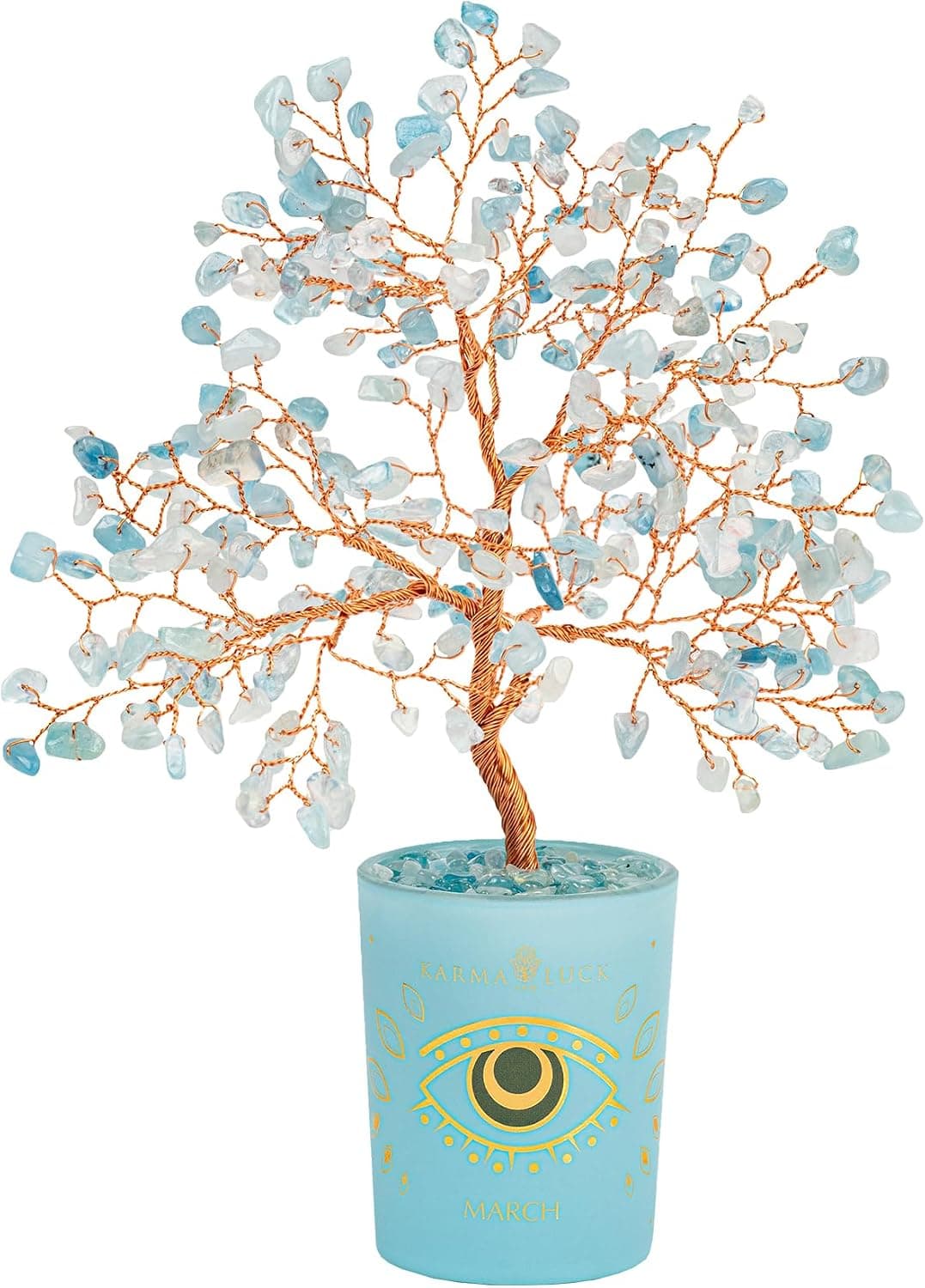
-29%Karma and Luck March Birthstone Crystal Tree of Life, Aquamarine Gemstone Fen...
 -29%
-29%Karma and Luck July Birthstone Crystal Tree of Life, Ruby Gemstone Feng Shui ...
As an Amazon Associate, we earn from qualifying purchases. We only recommend items our practitioners have personally tested.
Continue Your Journey
Explore these related guides to deepen your understanding:


Ready for Deeper Guidance?
Try our free I Ching reading for personalized wisdom, or explore our curated Feng Shui essentials.