A bagua map only works when you stop treating your home like a flat diagram and start reading the entrance correctly.
The mistake starts at the front door
I once walked into a narrow Queens apartment where the owner had taped a bagua grid to the middle of the living room floor and wondered why nothing had changed in eight months. The red doormat was inside the unit. The hallway was dim enough that you had to feel for the light switch. The so-called wealth area sat directly over a bathroom sink that dripped. That is not a setup for clarity. That is a setup for confusion dressed up as effort.
The first lesson with a bagua chart that actually matches real rooms is blunt: do not force the house to obey a diagram before you understand how people enter, pause, and move through it. Energy does not care about your printout. It follows habit, light, and thresholds.
That is why I start with the front door almost every time. If the entry is cluttered, dark, or awkward, the rest of the layout is already working uphill. A clean, welcoming entrance does more for a home than a dozen tiny cures scattered around the place.
And yes, that surprises people who were told to "activate wealth" before they had dealt with shoes, coats, broken bulbs, or a sticky lock. You cannot decorate your way around a weak entry.
What the map is actually measuring
Most people treat the bagua like a sticker you lay over a floor plan. That approach looks tidy. It also misses the point entirely.
The map is a reading tool. It helps you notice where qi can gather, stall, escape, or get fragmented. The same apartment can feel expansive in one season and oddly cramped in another if the entry, corridor, or main rooms are acting like funnels. Nothing changed structurally. The way the space is being used changed.
Think about the difference between a hallway with a window at the end versus a hallway lined with dark framed art, a leaning vacuum cleaner, and a bicycle no one rides. Same square footage. Very different movement. The first invites flow. The second traps it in pockets of visual noise.
I have watched clients obsess over the "right corner" while ignoring the fact that the whole house was draining through a drafty landing or a back door nobody used. The map matters. The lived path matters more.
That is also why the most useful reading often begins with one question: where does this home receive life? In a studio, that may be the single doorway. In a larger house, it may be the foyer, the stair landing, or the brightest open zone near the center. Once you understand that, the rest becomes less mystical and more practical. You stop chasing labels and start making the home easier to inhabit.
What most feng shui advice gets wrong
Here is where I lose people who came looking for a checklist. Good. This is the part that actually matters.
First: the compass is not always your starting point. Traditional feng shui uses compass directions, and that is legitimate. But in a rented apartment with an irregular footprint, or a home that faces a courtyard instead of a street, the compass reading can send you in the wrong direction entirely. The entrance orientation, the way people actually move through the space, often tells you more than magnetic north.
Second: activating a zone before clearing it is backwards. Most advice jumps straight to remedies. Place a plant here. Hang a mirror there. Add a crystal in the corner. But a wealth corner buried under laundry will not behave like a wealth corner. A relationship area stuffed with work files and exercise gear will not support intimacy. The sequence matters. Clear first. Activate second. Almost no popular guide says this plainly enough.
Third: more cures do not mean more results. I have seen homes so loaded with feng shui objects that the space felt like a gift shop. Wind chimes, coins, crystals, figurines, red envelopes, lucky cats, every item placed with intention. The whole effect was visual chaos. One well-placed remedy beats six random ones. Every time. The house needs to breathe, not perform.
Fourth: the bagua is not a map of what you want. It is a map of what is already happening. People use it to project desires onto rooms. That is not how it works. You read the space first. Then you respond to what you find. The difference between those two approaches is the difference between decoration and actual practice.
How to read it without getting lost
Begin with your actual floor plan, not the version you wish you had. Mark the front door, windows, major walls, and any strange cutouts, closets, or alcoves. Then ask a blunt question: where does your attention land the second you step inside?
If the answer is a staircase, a mirror, or a pile of mail, that is telling you something. The eye follows the same path as the body. If the room yanks you sideways or upward before you can settle, the layout is already speaking.
The easiest way to use the front entrance as your energy anchor is to keep the view clear for the first few steps into the home. That does not mean sterile. It means intentional. A lamp that actually works. A mat that is clean. A shoe rack that does not spill into the walkway. A sense that someone lives there with care.
One teacher I worked with had a blue front door, a jumble of umbrellas in a tall stand, and a large cactus sitting on the inside console table. She complained that her home felt sharp and restless, like she could never fully exhale after walking in. We moved the cactus out of the entry, switched the harsh white bulb to a warmer tone, and relocated the umbrella stand to a side closet. She said the place felt quieter within two days. Not dramatic. Just noticeably less nervous.
That is how this method behaves when used well.
Do not rush to apply meaning to every inch of the house. Read the major flow first. Correct the obvious friction. The most useful sequence is: entrance, main circulation, center, then the rooms where you spend the most time. Skip the sequence and you end up polishing a corner that never had a chance to work in the first place.
Where the method becomes practical
Here is the part most people want and rarely get: exact use.
Start with a printed floor plan, or sketch one. Stand at the front door and note what you see in a straight line. If the view is blocked, create a softer line of sight. If the space is too open, define it with a rug, lamp, or console table so the energy has somewhere to arrive.
Next, identify the center of the home and the room that carries the most daily activity. In many houses, that is not the living room. Sometimes it is the kitchen. Sometimes a hallway that everyone crosses. Sometimes the dining area no one uses properly. The center should feel stable, not like a storage dump.
Then map the rooms you care about most against the traditional life areas, but keep your feet on the ground. If a bedroom sits in a zone associated with relationships, do not load it with work files and exercise gear. If a study sits in an area associated with focus and direction, do not turn it into a guest closet with a laptop balanced on top.
For a practical first pass, work in this order:
1. Clear the entry and improve the first view.
2. Remove broken, unused, or visually heavy items from the main path.
3. Balance light, especially in dark corners and hallways.
4. Give each room one job, not five.
5. Use one or two supportive objects, not a crowd of cures.
Do not underestimate plants when they are used with discipline. A healthy plant near a stagnant area can soften a dead corner. An overgrown tangle in the wrong spot creates more clutter than life. I have seen both. The difference is not the species. It is placement and maintenance.
If you are working with a wealth concern, place the emphasis on access and order before symbolism. Clean the area. Light it. Keep it visually calm. Then, and only then, add something meaningful. The principles in the living room placement guide show how seating, sight lines, and openness affect the way people interact with a space. The same logic applies everywhere: rooms that invite people in tend to function better than rooms that merely look decorated.
A real room, and what changed
In a small Brooklyn brownstone, I worked with a home office painted deep charcoal gray. A red filing cabinet was jammed against the only window, blocking most of the natural light. The desk faced a blank wall. The printer sat on a chair. After 6 p.m., the only light in the room came from a blue-white monitor. The owner, a graphic designer in her mid-thirties, said she felt tired by noon and strangely irritated by simple emails. She had started taking her laptop to the kitchen just to feel less trapped.
We did three things. We turned the desk toward the doorway at a slight angle so she could see the room behind her without turning around. We moved the red filing cabinet out of the window line. We replaced the harsh bulb with a warmer lamp positioned to her left. Then we added one living plant on the windowsill and cleared one full surface so her eye had somewhere to rest.
No incense. No crystals. No obsession over which bagua zone the room occupied.
Within a week, she said the room felt less abrasive. Within a month, she was using it consistently again and had stopped avoiding the chair. That is the kind of shift people miss when they expect instant miracles instead of better conditions.
If you want to add symbolic support after the room is functioning, choose carefully. For deeper work with objects and intention, the guide to crystals that suit different intentions is worth reading before you buy anything. But the room has to carry the load first. An object placed in a broken space is just decoration.
How to link this to the wider system
The bagua is not meant to be read in isolation. It sits inside a larger home pattern that includes entry, circulation, room function, and the emotional habits of the people living there. Understand that, and the chart becomes useful. Ignore it, and the chart becomes fussy.
For the structural foundation, pair this with the pillar page on how the bagua is traditionally organized. That gives you the framework. This article gives you the application. You need both if you want results that survive real life.
And real life is messy. Kids leave shoes by the door. Partners forget to close drawers. Renters inherit awkward layouts. None of that cancels the method. It just means the method has to be adapted, not worshipped.
If a home feels blocked, start with the most literal blockage. If it feels scattered, reduce the visual load. If it feels flat, add light, warmth, and one or two meaningful points of focus. The house will tell you what it needs. Stop forcing it to speak in abstractions and it usually does.
FAQ
Do I need a compass to use the bagua correctly?
Not always. In many modern homes, especially apartments and irregular layouts, the more useful approach is to read the space from the main entrance and observe how the rooms function in daily life. A compass can help in some cases. It is not the first tool I reach for.
Can I apply the map to a studio apartment?
Absolutely, and studios often respond fast because every change affects the whole space. Define zones clearly, keep the entrance open, and avoid mixing sleep, work, and storage without boundaries. Small spaces punish sloppiness more than large ones do.
What if one area is a bathroom or a closet?
Work with what you have. A bathroom in a wealth zone does not doom your finances. It means you keep that space clean, well-lit, and free of clutter. A closet in a relationship zone means you treat it as intentional storage, not a dumping ground. The zone still functions. You just manage it more consciously.
How often should I re-read the bagua in my home?
When something shifts. A new job, a move, a relationship change, a renovation. The map is not a one-time exercise. It is a way of paying attention. Most people benefit from a fresh read every six to twelve months, or whenever the home starts to feel off in a way they cannot explain.
Is the bagua the same in every feng shui system?
No, and this trips people up. The BTB school, which is common in Western practice, aligns the map to the front door. Traditional compass-based schools use cardinal directions. Both are valid. What matters is that you pick one approach, understand its logic, and apply it consistently. Mixing systems without understanding either one is where most people lose the thread.
Mei Chen
Traditionally informed guidance • Cross-referenced with classical Chinese source texts
Content draws from both Compass (Luopan) and Form (Xingshi) school traditions. Illustrative examples are composites based on consultation experiences.
Practitioner-Selected Tools for This Topic
Items our team has tested and found effective for the principles discussed above. Individual results may vary.
 -19%
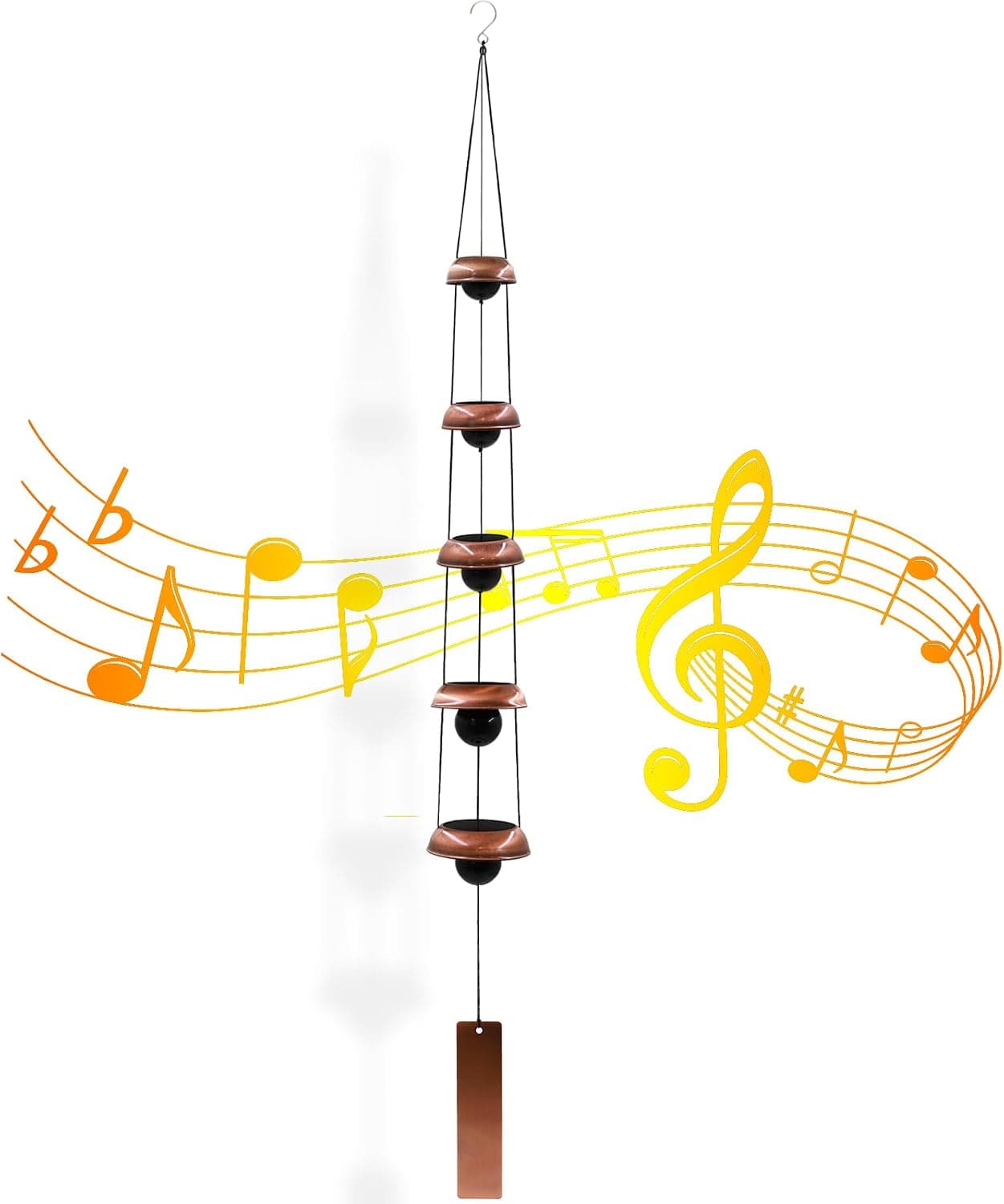
-19%Wind Chimes for Outside with 5 Bell Unique Copper Musical Chimes Feng Shui Wi...
 -5%
-5%YU FENG Evil Eye Money Tree, Blue Feng Shui Decor with Golden Buddha
 -29%
-29%Karma and Luck March Birthstone Crystal Tree of Life, Aquamarine Gemstone Fen...
 -29%
-29%Karma and Luck July Birthstone Crystal Tree of Life, Ruby Gemstone Feng Shui ...
As an Amazon Associate, we earn from qualifying purchases. We only recommend items our practitioners have personally tested.
Continue Your Journey
Explore these related guides to deepen your understanding:


Ready for Deeper Guidance?
Try our free I Ching reading for personalized wisdom, or explore our curated Feng Shui essentials.