Stop forcing every room into the same pattern; the home usually tells you where energy is actually getting stuck.
The corner that ruins the whole map
I once walked into a narrow townhouse office in Chicago and knew, before anyone spoke, that the problem wasn’t the desk. It was the northeast corner: stacked printer boxes, a broken lamp with a yellowed shade, and a black filing cabinet shoved so tightly against the wall that the drawer couldn’t open fully.
The owner, a teacher named Mara, had taped the bagua map to her floor plan and was convinced her career luck was bad. But the room was telling a different story. One blocked corner can distort the whole read, and people miss that because they keep staring at symbols instead of shapes, pathways, and pressure points.
That is the first hard lesson with the feng shui bagua: it is not a sticker you paste over a room. It is a diagnostic lens. Use it lazily, and you create noise. Use it well, and it shows you where a home is spending energy, where it is leaking it, and where it is refusing to move at all.
What changes when you stop treating every sector equally
The common mistake is to assume each area of the map deserves the same amount of attention. It doesn’t. A cramped entry hall and a dead-silent guest room do not need the same remedy, because they are not doing the same job in the house. One manages arrival. The other usually holds stillness, storage, or emotional overflow.
I’ve seen dozens of bedrooms where people kept adding “calming” objects and still slept poorly. The issue was not a lack of soothing decor. It was a mirror facing the bed, a bright red throw at the foot of the mattress, and a closet door that creaked open every time the heat kicked on. Fire, reflection, and motion. Sleep had no chance.
That is why the map becomes useful only when you translate it into actual conditions. Ask three questions: What is this room for? What is happening physically here? What element dominates the feeling of the space?
If you skip that step, you end up with cargo-cult feng shui. Nice terms. Bad results.
And yes, people still put water cures in places that are already overactive, then wonder why the room feels restless. Energy does not care that the internet called it “auspicious.” It responds to contrast, balance, and obstruction.
Reading a room instead of decorating a theory
The practical way to use the feng shui bagua is to begin with the room’s architecture, not with wishful thinking. Look at doors, windows, missing corners, low beams, radiators, and awkward angles. Those features matter more than a perfect chart floating in your imagination.
Take a dining room with deep navy walls, a glass table, and three hardback chairs but no rug. On paper, you may decide it belongs to relationships, family, or abundance. In reality, the glass reflects movement, the navy absorbs light, and the bare floor makes the room feel temporary. Guests eat quickly there. Nobody lingers. That is the real reading.
Here is the surprise most people don’t expect: a room can be “correct” on the map and still feel wrong because its sensory load is off. Color, texture, sound, and traffic patterns override intentions very quickly. A beautiful display shelf means little if it catches clutter at eye level and forces the room to feel busy.
This is where the map becomes precise rather than poetic. You are not asking, “What should this sector symbolically represent?” You are asking, “What does this area need to do, and what is stopping it?”
That shift matters. It moves you from superstition to practice.
How I use the map in a real home
In a small apartment in Portland, a retired architect named Daniel asked me to look at his studio. He had a white sofa, an oak desk near the window, and a tall, glossy red bookcase that dominated the back wall. He thought the problem was his lack of a wealth cure. It wasn’t.
The back half of the room was doing too much. The red shelf created visual heat, the desk faced the wrong direction for focus, and the path from the door to the kitchenette cut straight through the center like a wind tunnel. I didn’t tell him to buy more objects. I told him to subtract. We removed two shelf sections, replaced the red bins with neutral woven baskets, and moved the desk three feet so his shoulders no longer faced the main traffic line.
Within ten days, he said the room felt “less argumentative.” That is a real phrase I hear a lot. Homes can feel argumentative. They can also feel avoidant, sleepy, or overexcited. The bagua helps you name the mood so you can work with it instead of decorating around it.
Use this sequence in your own home:
1. Stand in the room and note where your eyes go first.
2. Identify what the room is supposed to support: rest, conversation, work, eating, recovery.
3. Mark the active trouble spots: clutter, glare, blocked corners, mirrors, sharp edges, or overly dominant colors.
4. Decide whether the room needs more support, more softness, or more movement.
Do that before you add cures. Most mistakes happen because people treat remedies like medicine without first checking the diagnosis.
Practical application without turning your home into a ritual
If you want the map to work in a real house, start with one room and one question. Not the whole home. Not the whole life. One room.
First, clear the obvious obstruction. A dead plant, broken lamp, or stack of unopened mail can make a sector look “weak” when it is really just clogged. Then adjust the room’s main line of movement. Can you walk through it without detouring? Can a chair slide out easily? Can a door open fully?
Next, match the room’s energy to its job. A bedroom should not feel like a command center. A home office should not feel like a nap trap. A hallway should not behave like a storage closet. This sounds obvious, but I’ve watched intelligent people ignore it for years because they were attached to where furniture “fit.” Fit is not the same as function.
Then choose one correction only. If a corner feels empty and drained, soften it with a lamp, art, or a plant from the right plant placement approach. If a room feels heavy and stuck, reduce visual weight. If it feels scattered, simplify the number of focal points. Small changes move faster than grand theory.
And if you’re trying to support prosperity, don’t keep loading the whole house with symbols. Start with the circulation at the entry, then move deeper into the rooms that actually hold daily life. That sequence matters more than most people realize.
Where the larger pattern fits
The deeper value of the feng shui bagua is that it gives you a structure for observation, not a set of decorative rules. When you understand that, you stop chasing lucky objects and start reading conditions.
That is also why a strong front door, a balanced bedroom, and a functional workspace matter more than a dozen random remedies. The home works as a system. When one part is blocked, the rest compensates. When you support the right zones in the right order, the whole house settles down.
If you want the broader framework behind this method, go back and study the map itself in context through this deeper explanation of the bagua layout. The more accurately you read the structure, the less you need to guess.
FAQs
Do I need to apply the map to every room separately?
Not always. Start with the room that has the strongest issue or the most daily use. A kitchen with constant tension will usually affect the household faster than a guest room no one enters.
Can I use the same remedy in every sector?
No, and that assumption causes a lot of bad results. A bright lamp can help one space and overwhelm another. A plant can lift a corner in one room and create visual clutter in a different one.
What if my floor plan doesn’t match the usual layout well?
That happens often, especially in apartments with odd cuts or missing corners. The house still gives clues through circulation, light, and pressure points, so work from what is physically happening instead of forcing a perfect diagram.
Mei Chen
Traditionally informed guidance • Cross-referenced with classical Chinese source texts
Content draws from both Compass (Luopan) and Form (Xingshi) school traditions. Illustrative examples are composites based on consultation experiences.
Practitioner-Selected Tools for This Topic
Items our team has tested and found effective for the principles discussed above. Individual results may vary.
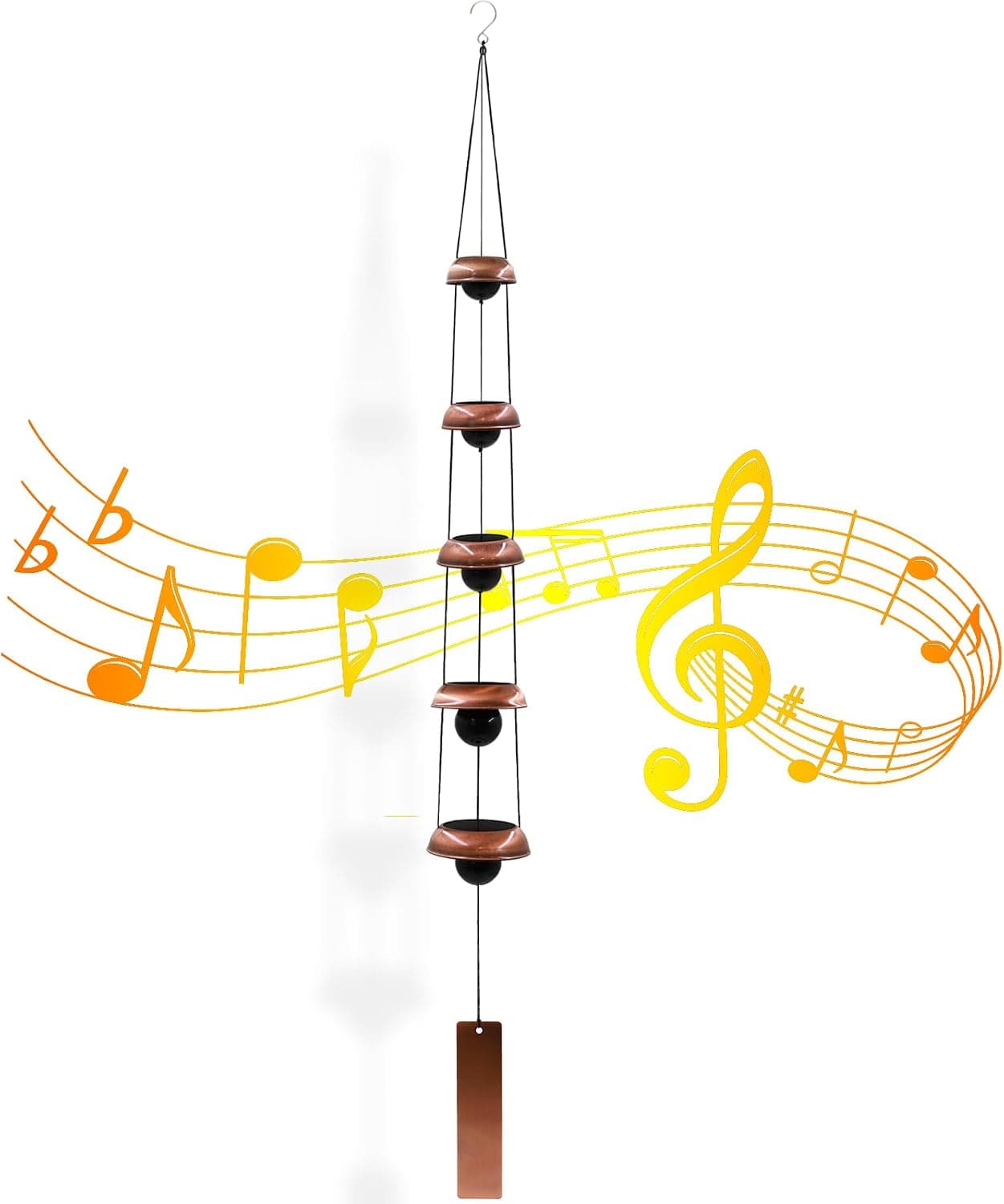 -19%
-19%Wind Chimes for Outside with 5 Bell Unique Copper Musical Chimes Feng Shui Wi...
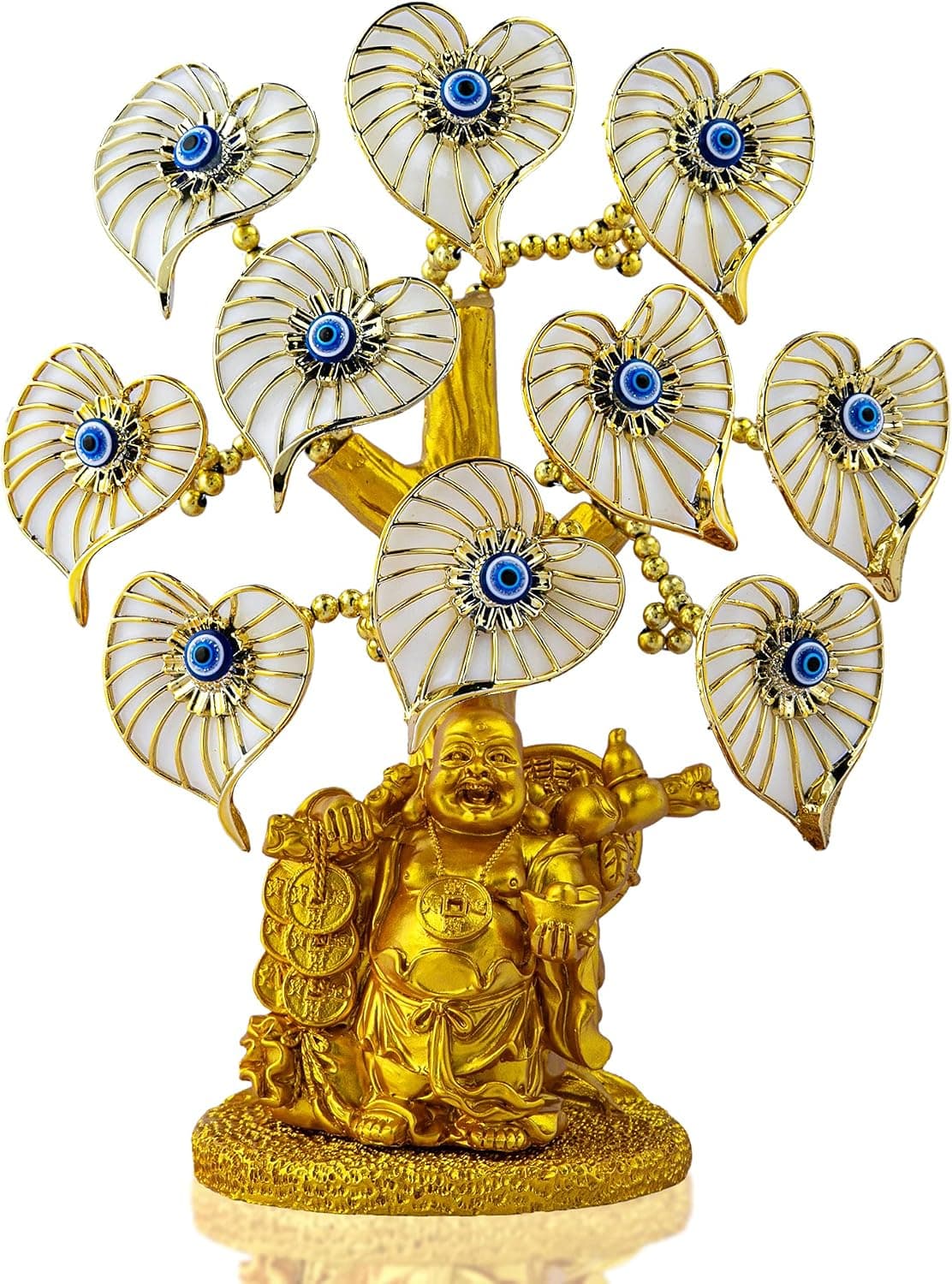 -5%
-5%YU FENG Evil Eye Money Tree, Blue Feng Shui Decor with Golden Buddha
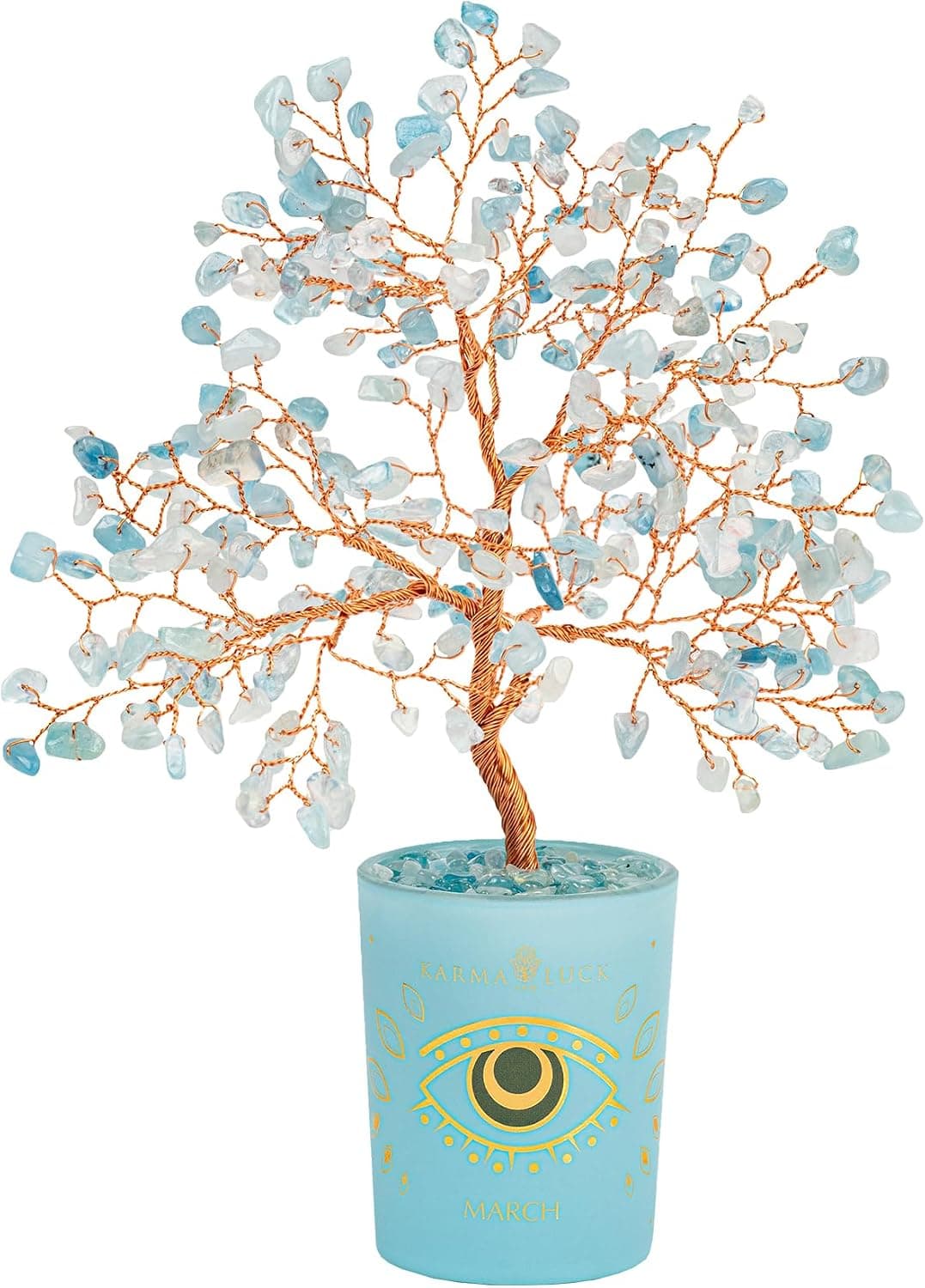 -29%
-29%Karma and Luck March Birthstone Crystal Tree of Life, Aquamarine Gemstone Fen...
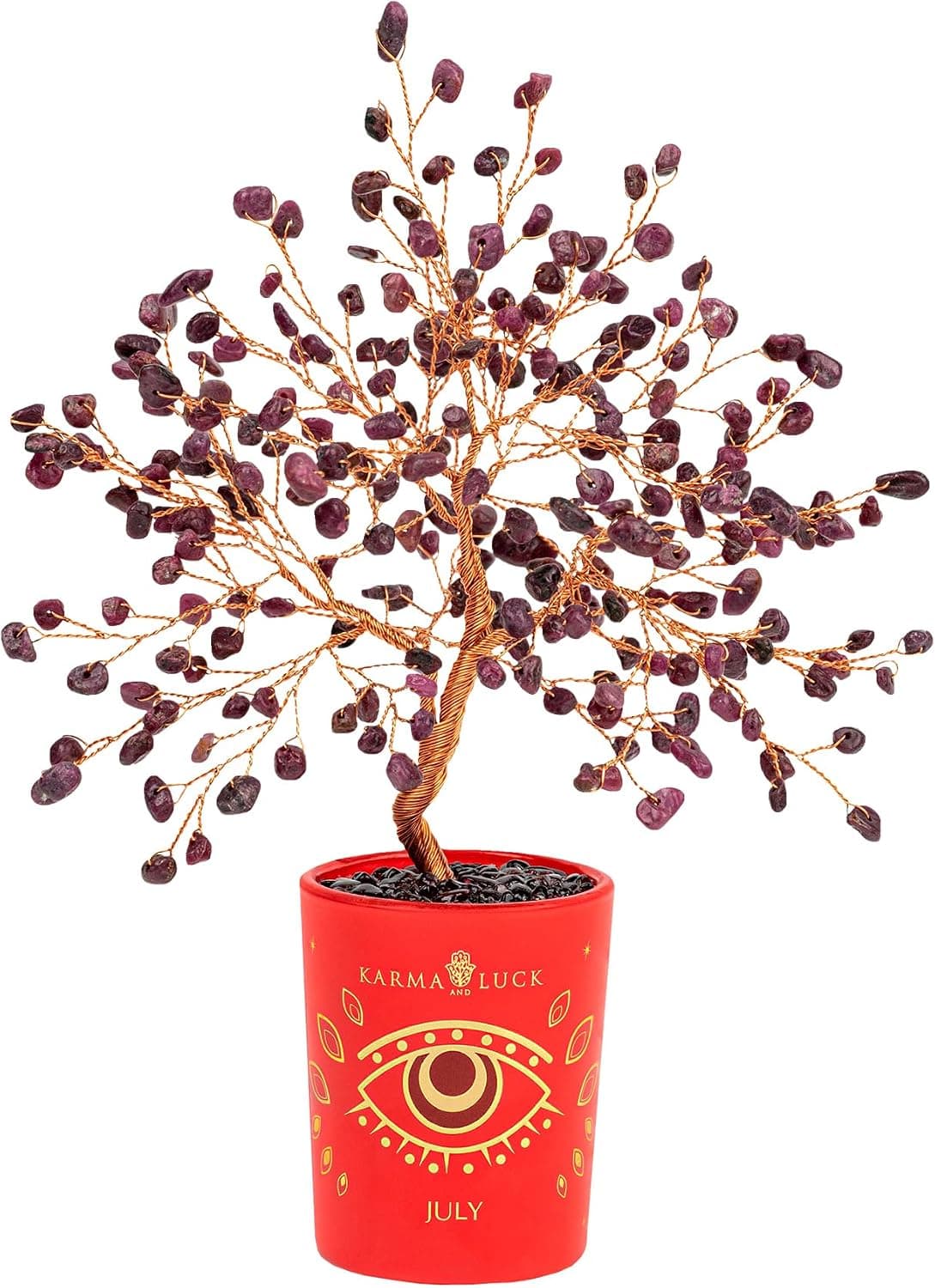 -29%
-29%Karma and Luck July Birthstone Crystal Tree of Life, Ruby Gemstone Feng Shui ...
As an Amazon Associate, we earn from qualifying purchases. We only recommend items our practitioners have personally tested.
Continue Your Journey
Explore these related guides to deepen your understanding:


Ready for Deeper Guidance?
Try our free I Ching reading for personalized wisdom, or explore our curated Feng Shui essentials.