The right artwork can steady a room, lift a mood, and support the life you want—if you place it with intent.
Why artwork matters more than most people think
I once stepped into a powder-blue guest room with a large black-and-white storm scene hung straight across from the bed. The homeowner told me she slept lightly, woke at 3 a.m., and started each morning with a tight jaw. The room was spotless. What it lacked was softness. That painting kept the whole space on alert.
In my experience, wall art changes a room faster than people expect because it speaks directly to the nervous system. A room can be beautifully furnished and still feel unsettled if the images on the wall are too sharp, too active, or simply wrong for the space.
Most people don’t realize this until they see the effect for themselves. One picture can quiet a bedroom, widen a hallway, or make a dining area feel easier to linger in.
If you want to read a room with more accuracy, start with the bagua and then look at what the walls are doing. That is where the real feedback is. See also reading a room through the bagua map.
Bedrooms need softness, not stimulation
For sleep spaces, I usually recommend art that feels still: pale landscapes, mist, branches, water, or abstract work with low contrast. Bedrooms are already intimate. They do not need more drama.
I worked with a client named Nora in a small sage-green guest room. She had hung a bright red canvas above the headboard because it matched a throw pillow she loved. The room looked styled, but it never felt restful. We swapped it for a muted mountain print in ink and gray, and within days she told me the room felt “less loud.” That was her exact phrase. She also stopped waking up irritated.
That kind of change is common. The bed stayed put. The lighting stayed the same. The wall changed the mood.
Keep bedroom art balanced in size and position. Above the headboard is fine if the image is calm and the scale is appropriate. Avoid harsh angles, broken imagery, lonely figures, or anything that makes the eye dart around.
Quiet rooms sleep better.
For wealth and focus, choose images that move forward
Some rooms need momentum, not rest. Offices, desks, and study corners often do better with images that suggest progress: upward lines, open roads, trees reaching light, boats with full sails, or a horizon that feels wide enough to breathe.
I’ve seen this work especially well in a cramped home office where the owner was stuck on a wall of filing cabinets and a tiny desk lamp. We replaced a busy city print with a simple image of a path rising through green hills. It was framed in warm wood, placed just above eye level, and the room immediately felt less boxed in. She said she started tackling tasks in larger blocks instead of hopping between emails.
If you want to support the money area of a home, the placement matters as much as the image. A river scene can help, but not if it overwhelms a small desk wall. In that case, a tighter composition with one clear subject is usually better. For readers who want an added layer, money tree placement and visual cures can work well alongside the right wall treatment.
Choose grounded colors for this kind of room. Greens, golds, blues, and earth tones tend to support steady effort. Neon colors and chaotic motion can turn motivation into restlessness very quickly.
Living rooms need warmth and room to breathe
Public spaces can handle more personality, but they still need visual ease. A living room should welcome people without pressing on them. When the art is too heavy, too busy, or too dominant, conversation tends to tighten up.
I visited a brick apartment last spring where the sofa wall carried a giant orange face painting, two crowded posters, and a mirror that threw afternoon glare across the room. The homeowner, a software architect, said guests rarely stayed long. We removed one poster, lowered the main piece by about four inches, and replaced the mirror with a landscape print showing a wide horizon. The shift was immediate. The room stopped arguing with itself.
That is why feng shui art works best when it supports the people in the room instead of demanding attention from them. Look for paired forms, rounded shapes, open skies, warm scenery, or images that invite conversation. Above a sofa is common, but only if the piece is sized correctly and does not feel like it is hovering over people’s heads.
One strong piece is usually better than three competing ones.
Entryways and hallways should guide, not scatter
Hallways are often treated like leftover space, but they set the pace for the rest of the home. A foyer or corridor can make the entire house feel composed, hurried, or confused depending on what it shows.
For entry walls, I prefer something that feels clear and confident. In a narrow passage, one vertical image can lift the eye and make the space feel less compressed. In a longer hallway, a simple sequence can create rhythm. What I avoid is visual clutter. Too many frames can make the body tense before the mind knows why.
Be careful with artwork that pulls sharply inward or downward. Dark tunnels, harsh perspective, or imagery that feels like a drop can make a home feel less welcoming. I’ve watched people walk into a foyer and unconsciously slow down because the wall art made them hesitate.
Keep transitional spaces easy to read. Repetition helps more than cleverness here.
How much to spend without wasting money
If your budget is under $50, skip the urge to buy a showpiece. A framed print, a photo you genuinely like, or even a simple poster in a decent frame can work beautifully when the scale and mood fit the room.
With $50 to $200, you can do much better on paper quality, framing, or size. This is where many homes get the best return, because one well-chosen piece does more than several forgettable ones.
At $200 and up, craftsmanship starts to matter more. You can look at custom framing, hand-finished canvases, or original pieces. But cost alone tells you very little. I have seen expensive art flatten a room because it was too glossy, too aggressive, or too emotionally heavy for the space.
Spend for fit, not for status.
| Item | Best for | Price range |
|---|---|---|
| Soft landscape print | Bedrooms and quiet lounges | $20-$120 |
| Upward or horizon artwork | Offices and goal-focused spaces | $30-$250 |
| Warm social scene | Living rooms and dining areas | $40-$300 |
| Minimal hallway piece | Entries and corridors | $25-$180 |
| Custom framed original | Primary rooms with strong focal walls | $200-$2,000+ |
If you only buy one piece, make it the one that settles the room
The first purchase should not be the most expensive one. It should be the piece that changes the temperature of the room the moment you stand in front of it.
If the room feels tense, choose softness. If it feels flat, choose gentle movement. If the space already holds a lot of furniture or pattern, pick one image with enough breathing room around it.
That simple filter saves people from costly mistakes.
How to choose without overthinking yourself into a corner
Start with function. A bedroom needs rest. A workspace needs clarity. A living room needs warmth. A hallway needs direction. Once the room’s job is clear, the right image becomes easier to spot.
Then check scale. A tiny print over a king bed looks timid. A giant canvas in a small office can feel bossy. The wall and the furniture should speak the same size language, even if the style is different.
Finally, trust the body. If your shoulders lift when you look at a piece, pay attention. If your breathing slows, pay attention to that too. Taste matters, but the body usually reacts first.
I’ve seen people talk themselves into art they never liked because it matched the sofa. The room always knows.
The mistake I see most often
People buy art before they know where it belongs. That is backward. Buy for the room first, not for the shopping cart. A beautiful print in the wrong location still creates friction, and friction drains attention over time.
Another common error is mixing too many moods in one area. A mountain scene, a neon abstract, a family photo wall, and a cityscape can each work on their own. Together, they start to argue.
When that happens, simplify. Strong rooms are usually quieter than people expect.
FAQ
Can family photos count as feng shui art?
Yes, if the images feel relaxed and supportive. I look for open expressions, easy posture, and natural light rather than stiff poses. In dining rooms especially, a warm family image often feels more nourishing than a landscape chosen only for style.
Does wall art need to match the room colors exactly?
No. Exact matching can make a room feel flat. I prefer harmony first, then one small note of contrast if the space needs more life. For example, a warm-toned room can still benefit from a cool-gray print if the shapes feel calm.
What should I avoid in a bedroom?
Anything that wakes the room up. Sharp contrast, broken imagery, lonely figures, aggressive motion, and intense reds are common troublemakers. I always ask one question: does this help the room exhale, or does it keep it alert?
Is expensive art automatically better?
Not in my experience. A $40 print placed with care can support a room more effectively than a costly piece chosen for prestige. Price may reflect materials or craftsmanship, but the room responds to shape, mood, and placement.
If you want, I can also turn this into a room-by-room shopping checklist or a simple guide by budget and element.
Mei Chen
Traditionally informed guidance • Cross-referenced with classical Chinese source texts
Content draws from both Compass (Luopan) and Form (Xingshi) school traditions. Illustrative examples are composites based on consultation experiences.
Practitioner-Selected Tools for This Topic
Items our team has tested and found effective for the principles discussed above. Individual results may vary.
 -19%
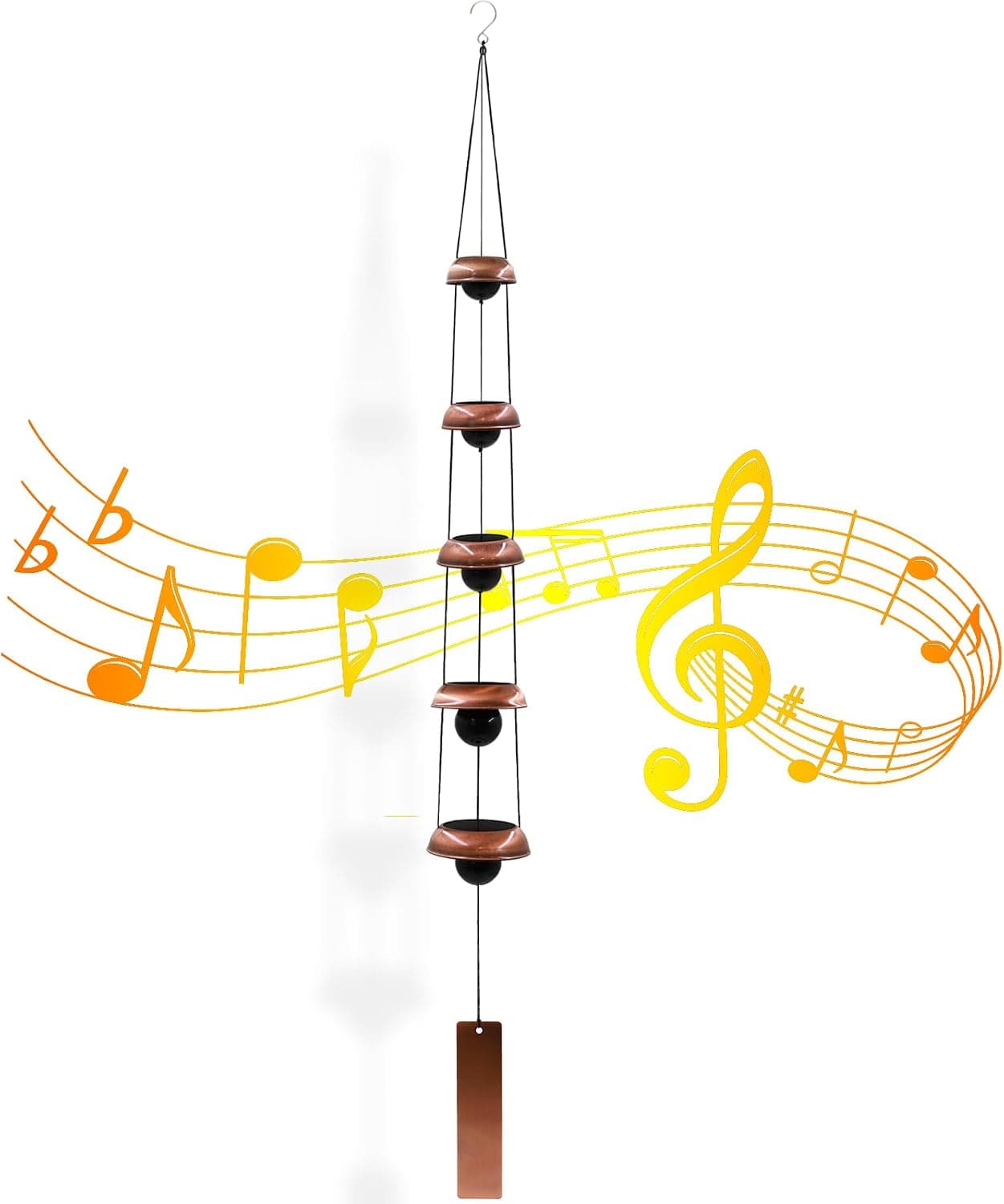
-19%Wind Chimes for Outside with 5 Bell Unique Copper Musical Chimes Feng Shui Wi...
 -5%
-5%YU FENG Evil Eye Money Tree, Blue Feng Shui Decor with Golden Buddha
 -29%
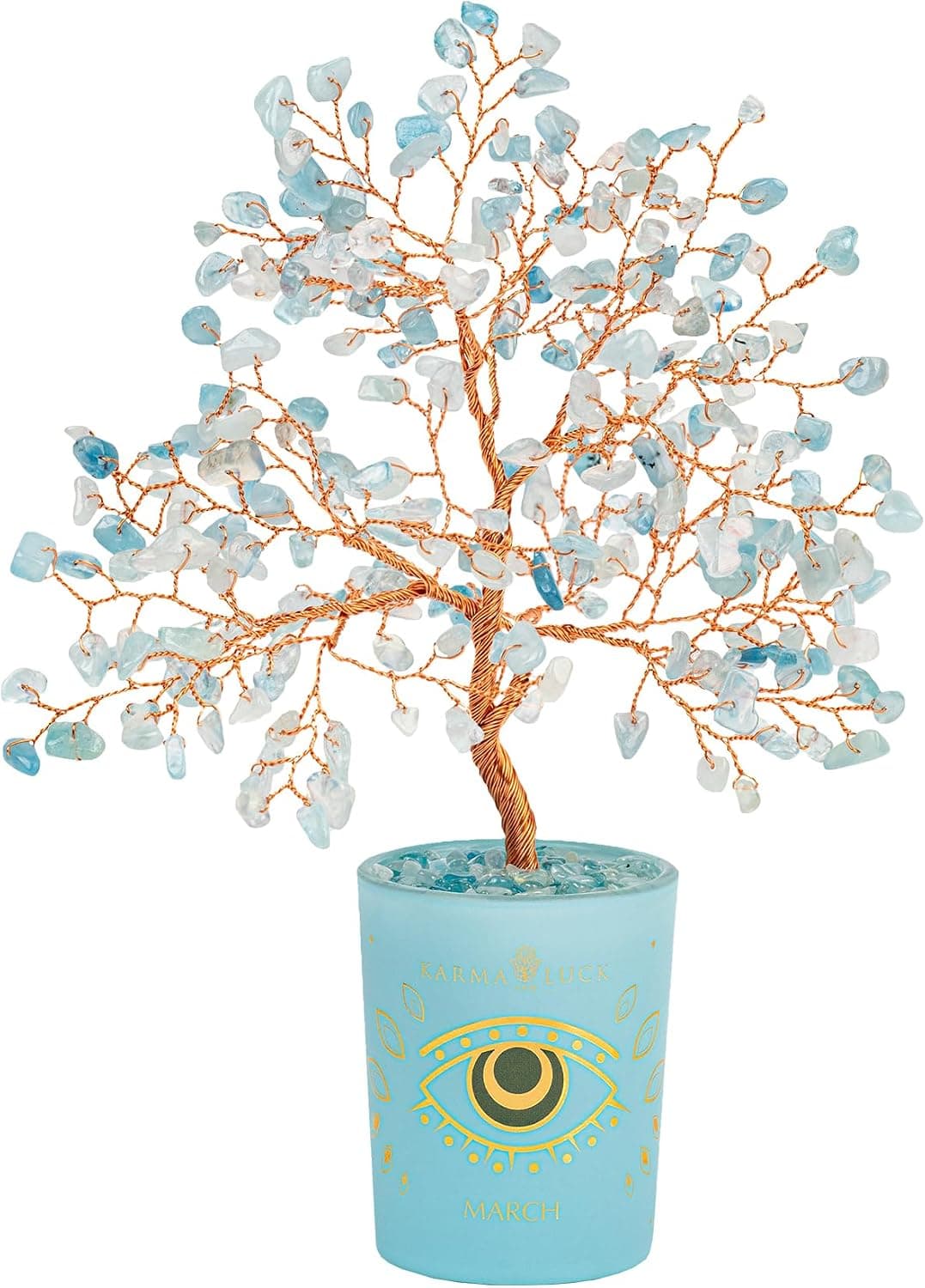
-29%Karma and Luck March Birthstone Crystal Tree of Life, Aquamarine Gemstone Fen...
 -29%
-29%Karma and Luck July Birthstone Crystal Tree of Life, Ruby Gemstone Feng Shui ...
As an Amazon Associate, we earn from qualifying purchases. We only recommend items our practitioners have personally tested.
Continue Your Journey
Explore these related guides to deepen your understanding:


Ready for Deeper Guidance?
Try our free I Ching reading for personalized wisdom, or explore our curated Feng Shui essentials.