The layout can look perfect on paper and still leave the apartment feeling brittle, restless, and oddly unrewarding.
The Hidden Truth About apartment layout feng shui
I’ve watched neat little studio apartments with “correct” cures feel more exhausting than a hallway cluttered with shoes and grocery bags. The missing piece is not decoration. It’s environmental reward: the room giving back something usable after you enter it, sit down, and try to live.
One small place in a north-facing building made that obvious to me. The entry opened straight into a pale gray living room, and the first thing you saw was a mirror facing the sofa, a skinny console table, and a plant that had been moved three times to “activate” the corner. The owner had followed every internet rule she could find, yet she kept putting off laundry, answering emails on the bed, and leaving dishes in the sink after midnight. The apartment looked organized. It did not feel supportive. That difference matters.
Environmental reward is simple to describe and easy to miss. A layout should help the body settle, make the eyes land somewhere restful, and give the hands a place to put things without friction. When a home does that, people stop bracing themselves. When it fails, you start compensating with caffeine, screen time, and constant re-arranging.
That is why so much standard advice misfires. A cure can be technically correct and still be wrong for the room you actually inhabit. The bagua map only starts the conversation; it does not excuse a bad desk angle, a blocked passage, or a bedroom that makes every morning feel like an argument.
Why the usual apartment rules fall short
Conventional advice persists because it looks tidy. It gives people a checklist, and checklists feel safer than judgment. But apartments are small ecosystems. A mirror that “expands” space can also bounce motion straight into your nervous system at 11 p.m. A wealth corner symbol can sit in the right sector and still do nothing if you never want to go near that corner because the chair scrapes, the lamp flickers, and the outlet is awkward.
Ask a better question: where does the apartment reward you for behaving well? Not with praise. With ease. A front zone that welcomes your keys, shoes, and coat without drama will do more for your day than three symbolic objects placed with confidence. For the bigger framework behind this, see how to map energy in your home without overthinking it, and then look at the apartment itself through the L-shaped apartment problem that quietly breaks feng shui.
The problem is not that rules are useless. They are incomplete. A good layout still needs clear circulation, a bed that does not face chaos, and furniture that lets the room breathe without turning it into a waiting area. That's the part people feel in their shoulders before they can name it.
One of the most common examples is the so-called corrected living room. Someone hangs a crystal near the window, shifts the couch two inches, and declares victory. Yet the same person keeps missing calls, misplacing mail, and eating on the sofa because the dining chair is wedged against a wall. The room is trying to function. It just lacks a sensible reward loop.
What environmental reward looks like in real rooms
Look at the entry first. If the door opens into a narrow strip where bags pile up and the first visible object is a laundry basket, the apartment teaches urgency, not arrival. A better entry gives you one clean landing point, one place for keys, and one visual pause. That pause is not luxury. It is structure.
Then check the room where you waste the most time. In a west-facing one-bedroom I walked through, the desk sat with its back to the window and its right side jammed against a bookcase. The owner kept saying she had “focus issues,” but the real issue was that every glance hit a wall of paperwork before her mind had anywhere to settle. We moved the desk four feet toward the center line, turned it so the chair could see the door, and left the window to the left. She stopped losing an hour to friction every afternoon.
Kitchen zones matter even when you barely cook. A clear counter beside the stove, a trash bin that opens without a yoga move, and a drawer that holds tools where you reach for them without thinking all count as reward. They prevent the tiny resentments that make people order takeout, avoid cleanup, and feel defeated by their own home. That is not superstition. It is behavior responding to an environment that either cooperates or resists.
Bedrooms deserve the same scrutiny. A bed pressed under a slanted ceiling, a TV blinking from the footboard, or a mirror catching the pillow can all make rest feel provisional. For a closer look at sleep placement and the mistakes people repeat there, use this bedroom sanctuary guide and these bedroom rules that affect both sleep and relationships. Both matters show up fast when the room stops rewarding rest.
Short version: if a room makes the right behavior annoying, people will do the wrong thing instead. Always.
Why one “correct” cure backfired
She had a mirror in the entry, a red accent in the south sector, and a wealth bowl placed exactly where an online chart told her to place it. Still, the apartment felt tense. The wealth bowl sat on a shelf above a radiator, so the metal coins inside clinked every time the heat kicked on. The mirror reflected the kitchen sink. The red accent was a single lamp with a sharp bulb, and it made the room look like it was blushing under stress.
That combination created a strange result. She kept cleaning the space, then losing patience with it, then buying more cures to compensate. Her spending went up. Her sleep shortened. Nothing looked “wrong” until you stood there for five minutes and noticed the apartment never gave her a calm place to land. For a better example of object placement in the money area, see coin placements that make money feel managed, not chaotic.
The surprise is this: a well-placed cure can fail because the room around it is louder than the cure itself. A dangling crystal does not fix a cramped path to the bedroom. A lucky object does not soften a kitchen where the first thing you see is a stack of unpaid bills. Symbols work best when the environment already supports the message.
That is why I push back when people ask for a single fix. One fix rarely changes the feedback loop. Change the route first, then the object. Not the other way around.
Where the conventional advice still helps
Some rules are still worth respecting. Don’t put your bed where every footstep from the hallway lands like a drumbeat beside your pillow. Don’t force a dining table into a passage just because the measurements barely allow it. Don’t angle a desk so you face a blank wall for eight hours and pretend the mind won’t react.
Those are not ideology. They are load-bearing choices. When the body has to work around the room, the room wins. When the room offers a usable path, the day gets lighter. For a deeper layer on directional reading and room orientation, the feng shui compass guide will help, especially if your apartment has odd angles or a hallway that runs hot.
Still, there is a limit. If you keep applying textbook fixes without checking how the apartment behaves at 7 a.m., 2 p.m., and 10 p.m., you miss the real pattern. A layout can be “correct” and remain poor at supporting actual life. That is the part people hate hearing, because it means taste matters less than use.
Use the rule, then test the room. Leave the room, return with groceries, and notice where your body wants to stop. Work at the desk for forty minutes and see whether your jaw tightens. Sleep in the bed for three nights and watch whether you wake up reaching for your phone or reaching for air. The apartment will tell you the truth faster than any diagram.
How to test your own apartment without overthinking it
Start at the entrance and walk through as if you were carrying a heavy bag and a bad mood. Can you set things down within two steps? Can you see the main seating area without seeing clutter first? If not, the apartment is charging a toll at the threshold.
Then stand in the main room and ask a blunt question: where does the eye rest? On a plant, a clean wall, a table lamp, a window with daylight? Or on tangled cords, a noisy shelf, and a TV that owns the room? The answer shows you whether the room is giving back calm or stealing it.
Next, test movement. Open every drawer you use daily. Pull a chair in and out. Walk from bed to bathroom in the dark. If any of those actions feel slightly annoying, that annoyance compounds. Tiny resistance becomes habit. Habit becomes mood.
Here is a practical line I use: if the room makes good choices harder than bad ones, the room needs rearranging before it needs more cures. That is not glamorous. It works.
And yes, some apartments are just awkward. A split-level entry, a long narrow corridor, or a living room with too many doors can reduce what the space can give you. In those cases, you are not chasing perfection. You are reducing friction enough that the apartment stops fighting back. For a related perspective on home structure and classical balance, five elements theory explains why good feng shui still feels wrong when the room has the wrong mix of demands.
Plainly put: the room should repay attention.
Common mistakes people make in apartments
One mistake is over-seeing the problem. People keep adding objects because the room feels empty, but emptiness is not the enemy. A clear corner can feel like a breath. Too many items, especially in a compact plan, make the apartment act like it has nowhere to exhale.
Another mistake is treating the bedroom like storage. Boxes under the bed, extra chairs draped with clothing, and a laundry bin visible from the pillow all send one message: rest comes after everything else. That message shows up as shallow sleep and a morning in which you wake already behind.
Some people get seduced by the dining table they never use. They place it in the center because a magazine said an apartment needs a “heart.” Then the table becomes a dumping ground for mail, chargers, and receipts. A heart full of clutter doesn’t beat well. It just collects paperwork.
There is also the knife-on-display mistake in open-plan kitchens. It feels efficient. It looks chef-like. Yet the eye keeps hitting sharp metal during meals and arguments, and the room’s mood turns edgy. For the mechanics of that problem, see kitchen knives carry more energy than you'd think — here's why placement matters.
Finally, people chase cures in the wrong order. They buy coins, crystals, and plants before they fix circulation, light, and storage. That is backwards. The apartment notices the route you take before it notices the object you place.
FAQ
Is conventional apartment layout feng shui advice reliable?
Often, no. It’s useful as a starting map, but many apartment rules ignore how people actually move, rest, and work in tight spaces. If a correction looks good yet makes daily life clumsy, the apartment is telling you the advice missed the mark.
What should I fix first in a small apartment?
Start with the entry and the route to the bed. Those two paths shape how the space feels in the body, and they’re usually where friction shows up first. Clear those, then deal with symbols and accents.
Do I need a bagua map before changing anything?
No, not if the room is obviously fighting you. A blocked hallway, a bed in line with the door, or a desk that faces a wall already gives you enough information to begin. The map becomes more useful after the apartment can function without irritation.
Can a mirror ruin a layout by itself?
Surprising fact: sometimes it does, and sometimes it simply reveals a larger problem. A mirror facing a cluttered kitchen sink or a restless bed tends to amplify what is already happening. Move it only after you notice what it reflects at night and first thing in the morning.
What if my apartment has weird angles and no obvious wealth corner?
Work with the parts you use every day instead of chasing a theoretical corner. A clean entry, a sane desk position, and a bedroom that supports sleep will do more than a perfect sector you never visit. The room’s behavior matters more than the label on the diagram.
Should I trust online fixes if they match my floor plan?
Only after you test them in real time. Sit in the chair, open the door, cook a meal, and notice where your attention scatters. A fix that ignores lived use can be accurate on paper and useless at midnight.
The apartment doesn’t care how neat your chart looks. It only cares whether you can cross the floor, set down your bag, and feel your shoulders drop before you start the next thing.
Mei Chen
Traditionally informed guidance • Cross-referenced with classical Chinese source texts
Content draws from both Compass (Luopan) and Form (Xingshi) school traditions. Illustrative examples are composites based on consultation experiences.
Practitioner-Selected Tools for This Topic
Items our team has tested and found effective for the principles discussed above. Individual results may vary.
 -19%
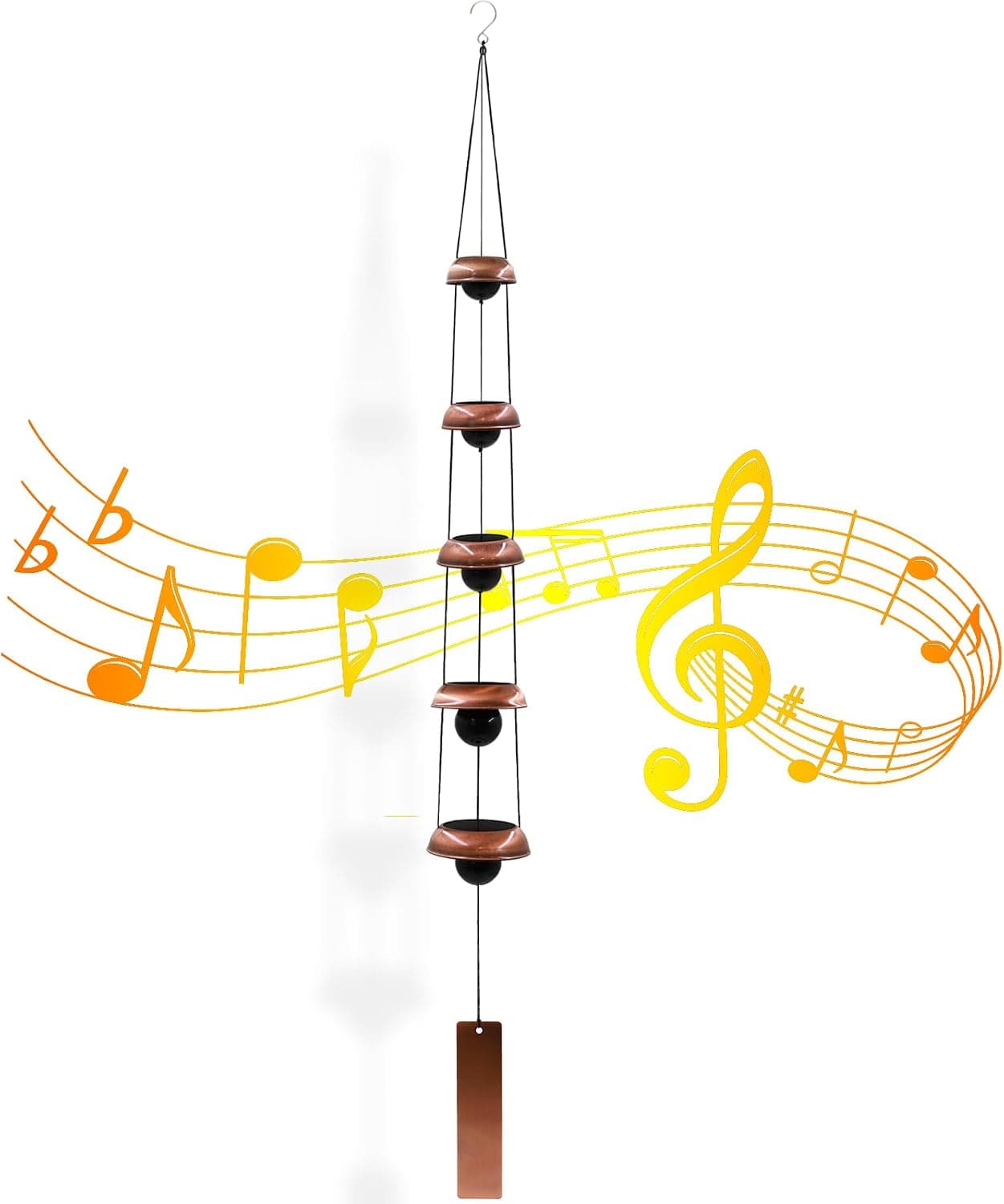
-19%Wind Chimes for Outside with 5 Bell Unique Copper Musical Chimes Feng Shui Wi...
 -5%
-5%YU FENG Evil Eye Money Tree, Blue Feng Shui Decor with Golden Buddha
 -29%
-29%Karma and Luck March Birthstone Crystal Tree of Life, Aquamarine Gemstone Fen...
 -29%
-29%Karma and Luck July Birthstone Crystal Tree of Life, Ruby Gemstone Feng Shui ...
As an Amazon Associate, we earn from qualifying purchases. We only recommend items our practitioners have personally tested.
Continue Your Journey
Explore these related guides to deepen your understanding:


Ready for Deeper Guidance?
Try our free I Ching reading for personalized wisdom, or explore our curated Feng Shui essentials.