A missing foyer is not the whole problem. The window-to-wall ratio at the entry decides whether qi gathers or blows straight through.
The Hidden Truth About apartment entrance no foyer feng shui
I walked into a 480-square-foot studio in Brooklyn last fall and the first thing I noticed was not the lack of a foyer; it was the entry wall: five feet wide, with a narrow white door set beside a six-foot window that faced the street. The place looked tidy. It also felt like a draft in human form.
The owner, Mara, had done the standard fixes. She bought a round rug, placed a mirror near the hall, and added a brass bowl for keys. None of it held. Her sleep got lighter, her work mail sat unopened on the counter, and she kept describing the apartment as "somehow too open" even though it was small. Not even close.
That mismatch is the real clue. Common advice treats a foyer like a binary feature: present or absent. In practice, the ratio between wall, glass, and door around the entrance matters more than the label. A small apartment with a wide window beside the door behaves differently from one with a solid wall and a single opening, even if both technically have no foyer.
In classic terms, the mouth of qi should slow long enough to register the home before it disperses. When the entry faces too much glass, the space acts like a breezeway. That is why one apartment feels composed and another feels exposed, even with the same furniture and the same square footage.
Case Notes: What Looked Like an Entry Problem Was Really a Proportion Problem
Mara had started where most people start: she followed advice from social media, then doubled down with more objects. The problem got worse after she added a tall plant by the door, because the leaf mass crowded the only narrow path and made the whole landing feel cramped. Her shoes piled up there. The umbrella stand tilted. She began leaving the apartment in a rush and returning with a headache she blamed on traffic.
I measured the entry instead of the decor. The door occupied only about 14 percent of the visible front wall, while the adjacent window took almost 60 percent. That imbalance matters because the eye reads the opening as a leak, not a threshold. The home never announces itself; it gets washed out by light and movement from outside.
Here is the part most people miss: a missing foyer is not the same as a missing buffer. A hallway, a bookshelf flank, a curtain panel, or even a high-backed bench can create the pause a foyer would have supplied. The point is not to fake architecture. The point is to change how fast energy enters and how quickly the mind decides, "I'm home."
I have seen the same pattern in a dental hygienist's condo in Chicago, a retiree's one-bedroom in Queens, and a graduate student's loft with a wall of glass near the door. Different incomes, different styles, same symptom. The entry was too visually porous. Once that happened, the rest of the apartment had to work twice as hard to feel settled.
How the Ratio Changes the Room Before You Even Step In
People like to talk about cures first. Wrong order.
Start with proportion. If the entry wall is dominated by glass, the home needs a stronger visual anchor at eye level and near the floor. If the door sits in a deep recess, the space can tolerate more openness because the alcove already slows the approach. That is why the front-door layout guide matters more than a shopping list of cures: it teaches you to read the shape before you decorate around it.
A narrow apartment entry with a side window can still work, but the objects have to earn their placement. A low bench in walnut, 28 to 32 inches from the inside edge of the door, gives the eye a landing strip. A mat with a dense weave does more than a fluffy one because it reads as a boundary, not a cloud. Curtains help too, but only if they can be drawn partway so the light softens instead of vanishing.
One detail surprised Mara. The brass bowl she thought was helping sat directly in the line of travel from the door to the living room. Every time she came home, she dropped keys into a shiny object that reflected the window and bounced the eye back toward the street. Once we moved the bowl to a side shelf and put a matte ceramic tray there instead, the entry stopped feeling electrically alert.
That kind of fix sounds small. It isn't.
It changes the rhythm of arrival. Shoes land in one place. Mail lands in one place. Your nervous system stops scanning the outside world before you've even set down your bag.
What Actually Works When There Is No Foyer
Use the wall, not the void. In a no-foyer apartment, the strongest move is usually a solid visual stop within the first three to six feet inside the door. That can be a console, a bench, a tall lamp with a linen shade, or a narrow shelf with one grounded object. Keep the pieces low enough that they do not block circulation, but substantial enough that they read as intentional.
Some apartments need the opposite: less visual clutter at the threshold and more weight deeper inside. If the door opens straight to a window and the ceiling is low, a heavy entry piece makes the front feel congested. Better to use a curtain on the window, a runner that leads inward, and one darker accent near the interior side of the room. The eye should move in stages. Not all at once.
Try reading the apartment as a sequence of pressure points. The door is the first. The first line of sight is the second. The place where shoes, coats, and bags pile up is the third. A weak entry usually has too many small signals and no dominant one, so the mind keeps renegotiating where to stop. A better setup gives you one clear pause, then one clear path.
front door color choices can help, but only if the entrance already has a readable structure. Paint alone will not fix a layout that spills light and motion straight through the unit. In the same way, the right mirror will not rescue a doorway that is overexposed to the street. Surface treatment matters, but proportion comes first.
There is also a psychological layer here that people underrate. An exposed entry trains you to remain slightly on alert. You hear the hallway. You see passersby. You notice movement outside before you register your own home. Over time, that becomes a habit of incomplete arrival. You sit down, but you do not fully land.
Common Fixes That Backfire
Mirror by the door? Often a bad call when the entry already faces too much glass.
Mirrors can be useful in a cramped corridor where they widen the sense of space. At a threshold with poor buffering, though, they bounce movement back into the apartment and make the first thing you see after coming home feel busier than it is. In Mara's place, the mirror reflected the street tree and a pair of headlights at night. Sleep got worse, not better.
Too many plants at the entrance can do the same thing. People assume greenery softens everything, so they cluster a fiddle-leaf fig, a trailing pothos, and a basket of dried branches near the door. The result is a crowded mouth of the home, with maintenance tasks right where you need calm. The shoes never stay put. The watering schedule becomes another small obligation. The doorway starts to feel like a chore station.
Overloading the area with money symbols is another mistake. Coins, wealth charms, and shiny metal objects can be useful, but not if they are used as wallpaper. If you want a deeper look at placement logic, the article on coin placements that make money feel managed shows why one controlled cluster beats five scattered trinkets. Scatter reads as noise. A single, deliberate arrangement reads as order.
And yes, placing a screen in a random spot can backfire too. A folding divider jammed too close to the door makes the entry feel like a checkpoint instead of a threshold. People think they are creating privacy. What they usually create is friction. The body notices every extra turn.
Reading the Apartment Like a Practitioner
Measure what the eye sees, not just what the floor plan names. Stand just inside the doorway and look straight ahead for ten seconds. Ask yourself whether the first object you notice feels like an anchor or a transit point. Then turn your head left and right and notice whether one side of the entry has more mass than the other. Asymmetry is not the enemy; instability is.
If the apartment has a front window within a few feet of the door, treat that zone as an airflow problem as much as a feng shui one. Sheer curtains can slow the visual rush without darkening the room. A textured rug can do the same at floor level. A bench with storage can absorb the clutter that would otherwise spread across the threshold like spilled water.
Sometimes the cleanest fix is a bookcase or cabinet positioned perpendicular to the entry path, about four feet inside the door, so it gives the body a reason to turn and pause. That small bend changes the whole experience. The apartment stops behaving like a tunnel and starts behaving like a home with layers.
For a larger structural reading, compare the entry with the rest of the home using the bagua map guide. If the threshold is too open, wealth and rest sectors often feel harder to stabilize, because the home never gathers itself at the front. You do not need to turn the place into a maze. You do need to stop pretending that a naked opening can do the work of an actual transition.
One more thing: noisy beliefs tend to multiply around small apartments. People say, "It is tiny, so it just has bad feng shui." That is lazy thinking. Tiny spaces can be excellent if the proportion is right. I have seen a 390-square-foot unit feel more composed than a 900-square-foot loft because the smaller home had a clear entry sequence and the larger one had a drafty, overexposed front wall.
How to Correct the Entry Without Fighting the Architecture
Use a layered approach. First, slow the view with fabric, a matte finish, or a taller object placed off the direct line of sight. Second, give the feet a boundary with a rug or runner that starts a few inches inside the door and extends inward. Third, remove anything that creates instant scatter, such as mail stacks, loose shoes, umbrellas, or gleaming decor facing the street.
One Brooklyn job taught me the value of restraint. The apartment had a black door, a window immediately to the right, and a pale oak floor that reflected every bit of daylight. We replaced the mirror with a woven textile panel, switched the rug from a bright geometric pattern to a dense charcoal weave, and put one low ash bench under a coat hook. The client stopped calling the hallway "loud." She used the word "quiet" instead, which told me the room had changed in her body before it changed in her language.
That is the goal. Not theatrical harmony. Not a showroom entry. Just a threshold that lets you arrive without being flung back out by the view.
For people working through a full apartment layout, it helps to understand how this threshold connects with the rest of the home. The article on the L-shaped apartment problem shows how odd geometry can amplify entry issues, while the bedroom guide explains why a restless front door often shows up later as sleep that never fully settles. Rooms talk to each other. The entrance is just the loudest one in the conversation.
FAQ
Is conventional apartment entrance no foyer feng shui advice reliable?
Often not, because it treats every missing foyer as the same problem. A studio with a side window, a recessed entry, and a narrow hall needs a different fix than a flat front wall with direct street exposure. The proportion around the door decides the response.
Should I always add a mirror near the entry?
No. A mirror can help a dark, boxed-in threshold, but it can also bounce motion and light back into the home when the doorway is already too exposed. If you can see traffic, headlights, or a bright window in the reflection, that mirror is working against you.
What is the fastest change to test?
Move clutter out of the first few feet inside the door and add one grounded object that stops the eye. A bench, a console, or even a substantial basket can change the feeling within a day. The relief is usually immediate because the body notices order before the mind does.
Can a small apartment still have good entry feng shui?
Absolutely. Small does not mean weak. I have seen compact homes feel exceptionally settled when the threshold had one clear pause, one clear path, and no competing signals at the window or door.
What if the architecture is fixed?
Then work with layers instead of trying to force a new structure. Fabric, furniture placement, rug density, and the removal of glare do more than people expect. The apartment does not need a fake foyer; it needs a readable one.
How do I know the entry is finally working?
You stop noticing it in the wrong way. Shoes stay where they belong, you set mail down once instead of twice, and coming home feels like a finish instead of a pause before another round of scanning. That first breath inside the door gets deeper. Then you look up and see the window, and it no longer feels like the room is trying to leave with you.
Mei Chen
Traditionally informed guidance • Cross-referenced with classical Chinese source texts
Content draws from both Compass (Luopan) and Form (Xingshi) school traditions. Illustrative examples are composites based on consultation experiences.
Practitioner-Selected Tools for This Topic
Items our team has tested and found effective for the principles discussed above. Individual results may vary.
 -19%
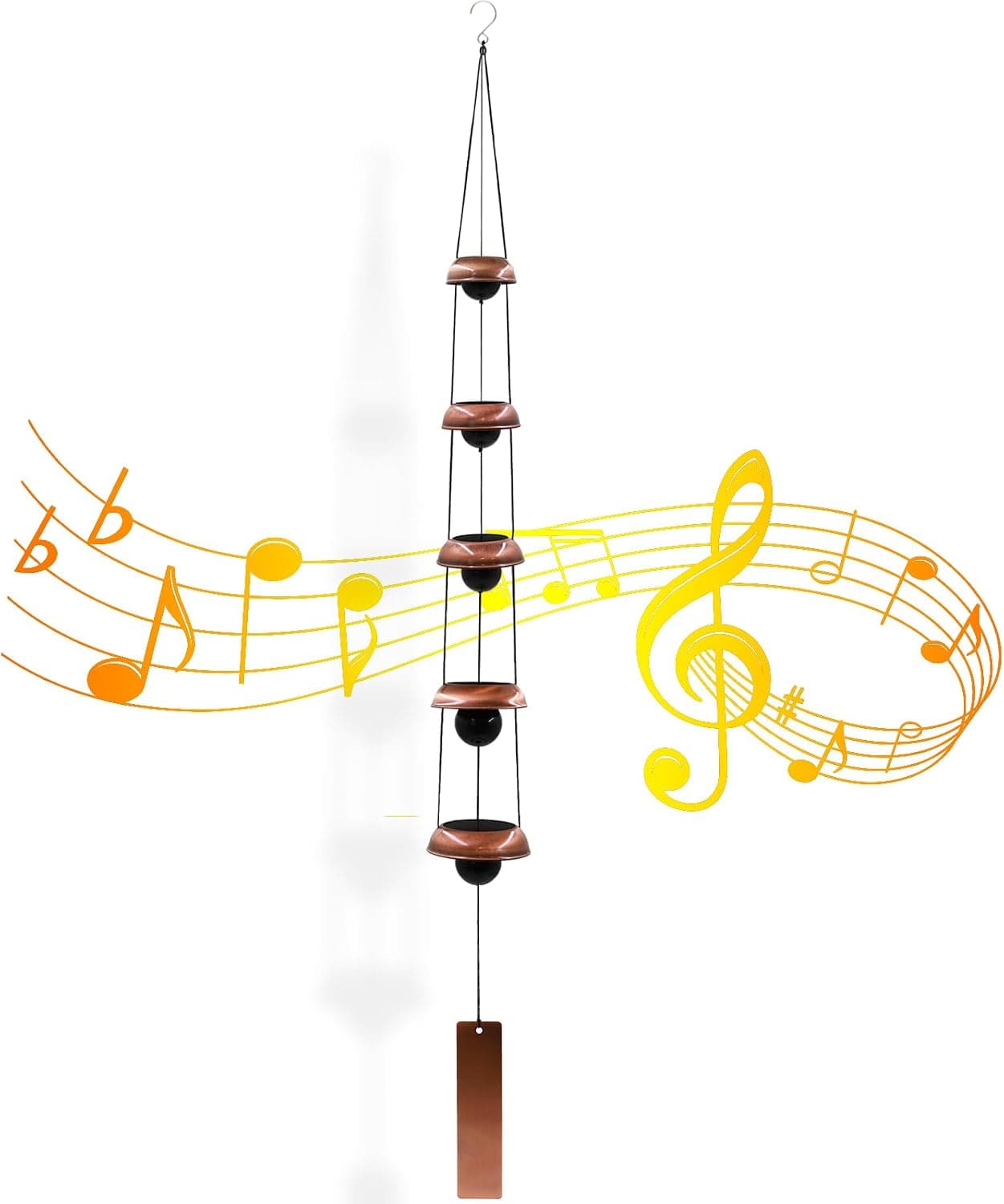
-19%Wind Chimes for Outside with 5 Bell Unique Copper Musical Chimes Feng Shui Wi...
 -5%
-5%YU FENG Evil Eye Money Tree, Blue Feng Shui Decor with Golden Buddha
 -29%
-29%Karma and Luck March Birthstone Crystal Tree of Life, Aquamarine Gemstone Fen...
 -29%
-29%Karma and Luck July Birthstone Crystal Tree of Life, Ruby Gemstone Feng Shui ...
As an Amazon Associate, we earn from qualifying purchases. We only recommend items our practitioners have personally tested.
Continue Your Journey
Explore these related guides to deepen your understanding:


Ready for Deeper Guidance?
Try our free I Ching reading for personalized wisdom, or explore our curated Feng Shui essentials.