A mirror at the wrong landing can make a house feel restless in one night.
Beyond the Surface of Feng Shui And Mirrors
when a staircase enters the picture. A mirror can look graceful on a flat wall and still turn a landing into a little engine of agitation once people start moving up and down past it all day.
I saw that in a narrow brownstone stairwell in Brooklyn, where a pale silver mirror faced the second-floor landing and caught every footstep from the front door to the bedroom hall. The owner had followed all the familiar advice, even pairing the mirror with a bowl of polished stones on the console below. Sleep got choppy, though. Her teenage son began lingering at the bottom step instead of going upstairs, and she kept missing phone calls because she felt oddly keyed up the moment she reached the landing.
That wasn't bad luck. It was motion. Staircases behave like a channel, not a room. They pull the eye upward, then drop it back down. Add a mirror and the visual current doubles, especially if the glass reflects a bright window, a rail, or the front door. The result feels less like welcome and more like hurry.
Common advice ignores that vertical movement changes everything. A stairwell asks for stability, not sparkle. The center rules the room, and a staircase often steals that center with too much visual interruption; even a handsome mirror can keep the whole house feeling unfinished.
What the Staircase Is Actually Doing
Think of the steps as a sequence of small launches. Each riser lifts energy, each tread pauses it for half a beat, and the landing either settles that movement or scatters it. Put a mirror at the landing and the eye bounces back. Not calm. Bounce.
That matters because people read space before they explain it. You may call a stairwell "fine," yet your body tells a different story: shoulders rise, breathing shortens, and you move faster than you meant to. In classical terms, the movement has become too yang. Mirrors amplify that effect when they sit at the top of a stair run, facing the ascent head-on or reflecting the full length of the stairway back on itself.
Here’s where the popular fix goes wrong. Many people think a mirror adds light, therefore it must help. Sometimes it does. Sometimes it turns the wall into a second stairwell in the mind, and the house feels like it has two directions at once.
I've seen this most clearly in homes with open runners and bright white paint. The stairs are already visually active. Then the mirror catches the banister, the pendant light, the family coming and going, and suddenly the landing feels like a checkpoint instead of a pause. Wrong.
When Reflection Helps and When It Scrambles the Flow
A mirror near stairs can work if it does not compete with the movement of the house. For example, a small round mirror set sideways on a wall perpendicular to the steps can widen a tight area without throwing the whole climb back at itself. That kind of placement behaves more like a soft opening than a loud echo.
By contrast, a mirror directly facing the stair run often overstates the climb. The eye catches height, speed, and its own reflection all at once. In a compact home, that can feel like pressure. In a larger house, it can still feel restless if the landing is near the bedroom corridor or the front entry, because those are places where the body expects to shift gears, not accelerate.
One client, a chef with a midnight schedule, had a long walnut staircase with a narrow landing and a frameless mirror hung straight across from the upper steps. He liked the sleek look. He hated how his kitchen brains carried into his sleep. He would come upstairs after closing the restaurant, see his own tired face mirrored back from the landing, and somehow feel both wired and depleted. After we moved the mirror to the side wall and placed a matte ceramic lamp where the glass had been, the landing stopped feeling like a corridor in a station and started behaving like a threshold.
That shift is the real lesson. Reflection should support transition, not multiply it. The staircase already moves people from one world to another. A mirror can either soften that passage or make it noisier.
The Placement Details People Miss
If a mirror must live near stairs, watch what it reflects first. A window with tree branches outside is usually gentler than a door, a bathroom entrance, or the full stair run. Soft natural shapes break up the rush. Hard edges repeat it.
Height matters too. On a landing, a mirror hung too low catches only the lower body and the rail, which can make the passage feel chopped up. Hung too high, it can grab the ceiling line and create a top-heavy sensation. Aim for a view that gives the eye a rest. That often means placing the center of the mirror roughly at chest height for the average adult, not as decoration but as a visual pause.
Shape changes the tone. Squares and tall rectangles read more forceful; ovals and rounded forms feel less abrupt. I prefer softened edges near staircases because they echo the body better than sharp geometry does. Glass with a dark or thick frame often behaves better than a frameless sheet, which can look like an opening where none should be. Simple. Not always easy.
And don't forget the wall behind the mirror. A pale green landing wall, a charcoal runner, or a warm wood handrail can either calm or intensify the effect. In one apartment in San Francisco, a mirror on a dove-gray stair wall reflected a glossy black-framed photo cluster from the opposite side. The whole area looked busy even when nobody was there. We removed the photo cluster, kept the mirror, and the stairwell immediately felt less twitchy.
Bedroom rules that affect both sleep and relationships become especially relevant when stairs land near a sleeping zone, because the body wants a clear shift from movement to rest. A reflective landing right outside a bedroom can keep the nervous system half-awake, as if it still needs to look over its shoulder.
Why Common Mirror Advice Backfires in Vertical Spaces
The advice sounds reasonable until you watch how people actually live. "Use a mirror to expand a narrow area" works beautifully in a hallway that ends in a slow pause. It works less well on stairs, where the body is already negotiating incline, timing, and balance. Add reflection and you can create a faint sense of being observed while moving.
That is why some homes feel fine downstairs but edgy upstairs. The lower level absorbs activity. The stairwell recycles it. A mirror there can sharpen that recycling, especially if it reflects the front door, a busy kitchen, or a television screen. Your attention gets pulled in layers instead of landing anywhere.
People often blame the wrong thing. They think the problem is clutter, or the paint color, or the age of the house. Sometimes those matter. Yet I've watched a plain white stairwell turn peaceful after one mirror moved six feet to the side. The change was immediate because the visual collision stopped.
One more surprise: a mirror near stairs can sometimes make a house feel smaller, not larger. That happens when the reflection creates an illusion of extra depth but the movement path remains tight. The body knows the truth before the mind catches up. It sees a shallow landing, a narrow turn, a reflected railing, and says, "Too much."
Reading a feng shui compass wrong is more common than you'd think matters here because direction and orientation decide whether a reflective surface supports the home's movement or throws it off. A stairwell facing a strong outdoor view asks for different treatment than one tucked into the center of the house.
How I Would Handle It in Real Homes
Start by standing at the bottom step and then again on the landing. Watch where your eyes go first. Do they climb smoothly, or do they snag on the glass? If the mirror catches the whole staircase, move it. If it reflects the front door or the bedroom hall, rethink it. The question isn't whether the mirror looks good in a magazine shot. The question is whether your body relaxes when you pass it.
In a family house with a red runner and brass banister, I once swapped a tall mirror on the landing for a framed landscape print with low-contrast colors. The homeowner, a nurse with rotating shifts, said the stairwell stopped feeling like a place where she had to switch into alert mode. She also quit dumping her keys on the first step, which sounds small until you realize repeated behavior tells you where a space is pushing back.
Sometimes the best answer is to keep the wall open and add a grounded object instead: a plant with broad leaves on the landing table, a woven basket beneath the rail, or a lamp with a warm linen shade. Those choices don't double the motion. They slow it down. They give the stairwell a place to exhale.
That is the point many people miss about vertical movement and reflection. You are not decorating a flat surface; you are steering a current. A staircase is already doing something to the room below and the room above. Mirror placement should respect that fact, or it will turn every ascent into a little burst of unfinished business.
Most Bagua maps get hung backwards — here's how to know if yours is wrong can help you understand why a landing may carry more weight than you assumed, especially when the upper floor holds bedrooms and the lower floor handles entry, family life, or work. Stairs connect functions. They do not stay neutral.
Where the Old Rules Still Help
Some traditional cautions remain worth keeping. Avoid mirrors that face the bed after a stair ascent reaches the sleeping floor. Avoid mirrors that catch the front door and fling its movement back into the house. Avoid cracked or cloudy glass near stair runs; those surfaces don't just distort appearance, they make the whole transition feel unsettled.
The old language about chi rising and falling can sound abstract until you watch a child run up a staircase, pause in front of a mirror, and suddenly become loud for no reason. Or a guest starts checking their hair on the landing instead of moving on. Or the family dog refuses the upper steps at night. Small moments, but they add up.
Still, I wouldn't turn this into superstition. A mirror is not cursed because it stands near stairs. It becomes troublesome when it multiplies motion, fragments attention, or turns a necessary pause into a visual echo chamber. That distinction saves people from fear and bad design at the same time.
And if you're wondering whether a staircase mirror can ever be right, the answer is yes, but rarely in the obvious place. Side wall. Gentle frame. Nothing that shoots the climb back at itself. The best version looks almost boring when you first see it. Then you notice how easy it feels to walk past.
Five Elements Theory explains why good feng shui still feels wrong helps make sense of that quiet mismatch between what seems correct and what actually settles the room.
FAQ
Is conventional Feng Shui And Mirrors advice reliable?
Often not near stairs. Advice that works in a bedroom or hallway can fail on a landing because vertical movement changes the way reflection behaves. A mirror that feels expansive on a flat wall may feel agitating once it starts echoing the climb.
Can I keep a mirror on the staircase if I really need one there?
You can, but place it where it supports a pause rather than a rebound. A side wall or a spot that reflects a window or artwork usually works better than a direct face-off with the steps. The house should feel smoother when you walk past it, not more alert.
What if the mirror is already part of the built-in design?
Then test the landing for symptoms before you redesign anything. If people hurry through, linger awkwardly, or sleep lightly upstairs, the reflection may be part of the problem. Swapping the object below it, changing the frame, or softening the reflected view can be enough.
Does size matter as much as placement?
Size changes the tone, but location still wins. A large mirror far from the stair run may feel calmer than a tiny one directly in line with the steps. Near stairs, alignment matters more than the mirror's price tag.
What should I look at first when evaluating a stairwell mirror?
Notice what it doubles. If it repeats the stair rail, the front door, or a busy hallway, that reflection may be creating more movement than the space can hold. Stand on both the bottom step and the landing, and watch your own body before you analyze the decor.
Mei Chen
Traditionally informed guidance • Cross-referenced with classical Chinese source texts
Content draws from both Compass (Luopan) and Form (Xingshi) school traditions. Illustrative examples are composites based on consultation experiences.
Practitioner-Selected Tools for This Topic
Items our team has tested and found effective for the principles discussed above. Individual results may vary.
 -19%
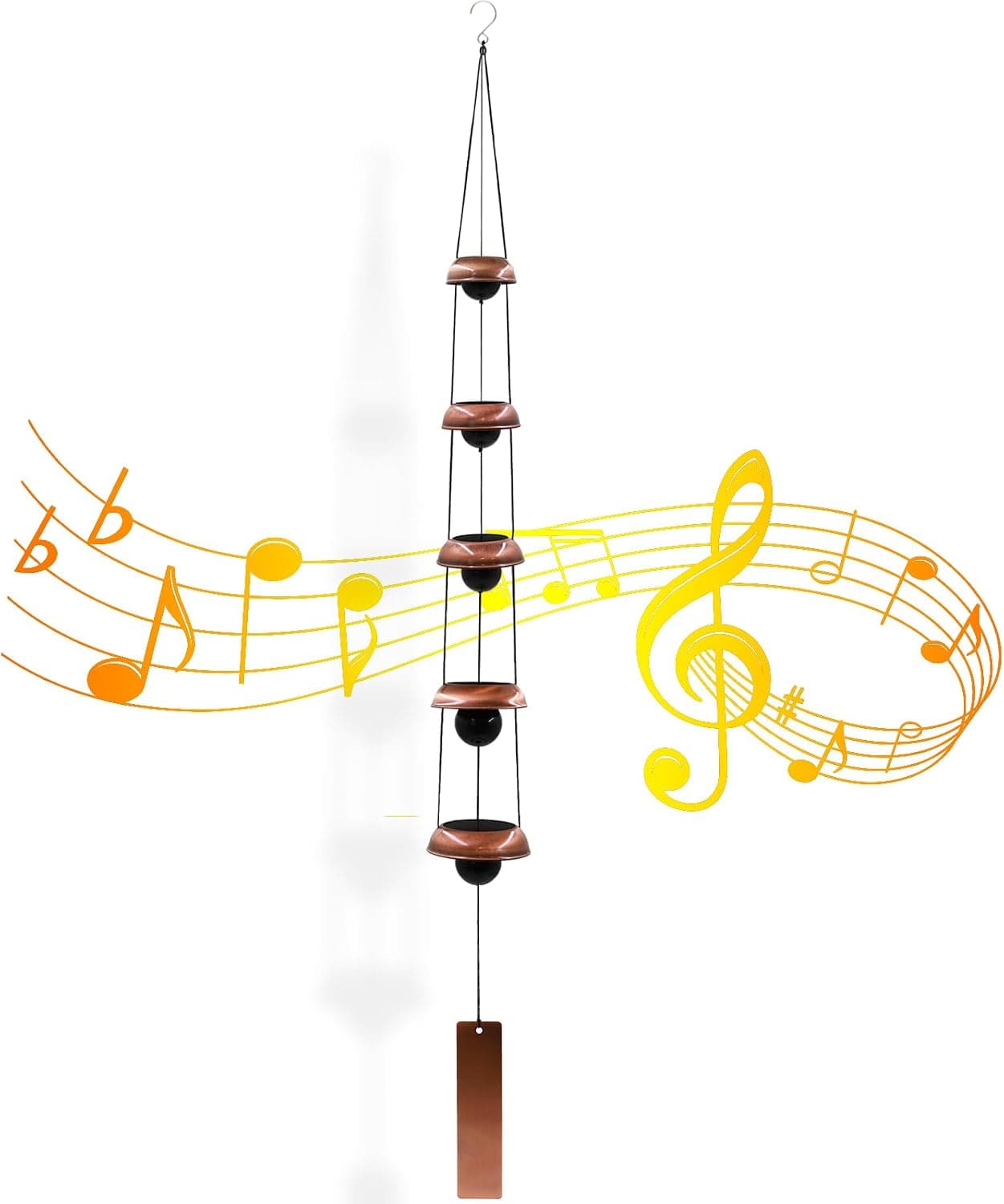
-19%Wind Chimes for Outside with 5 Bell Unique Copper Musical Chimes Feng Shui Wi...
 -5%
-5%YU FENG Evil Eye Money Tree, Blue Feng Shui Decor with Golden Buddha
 -29%
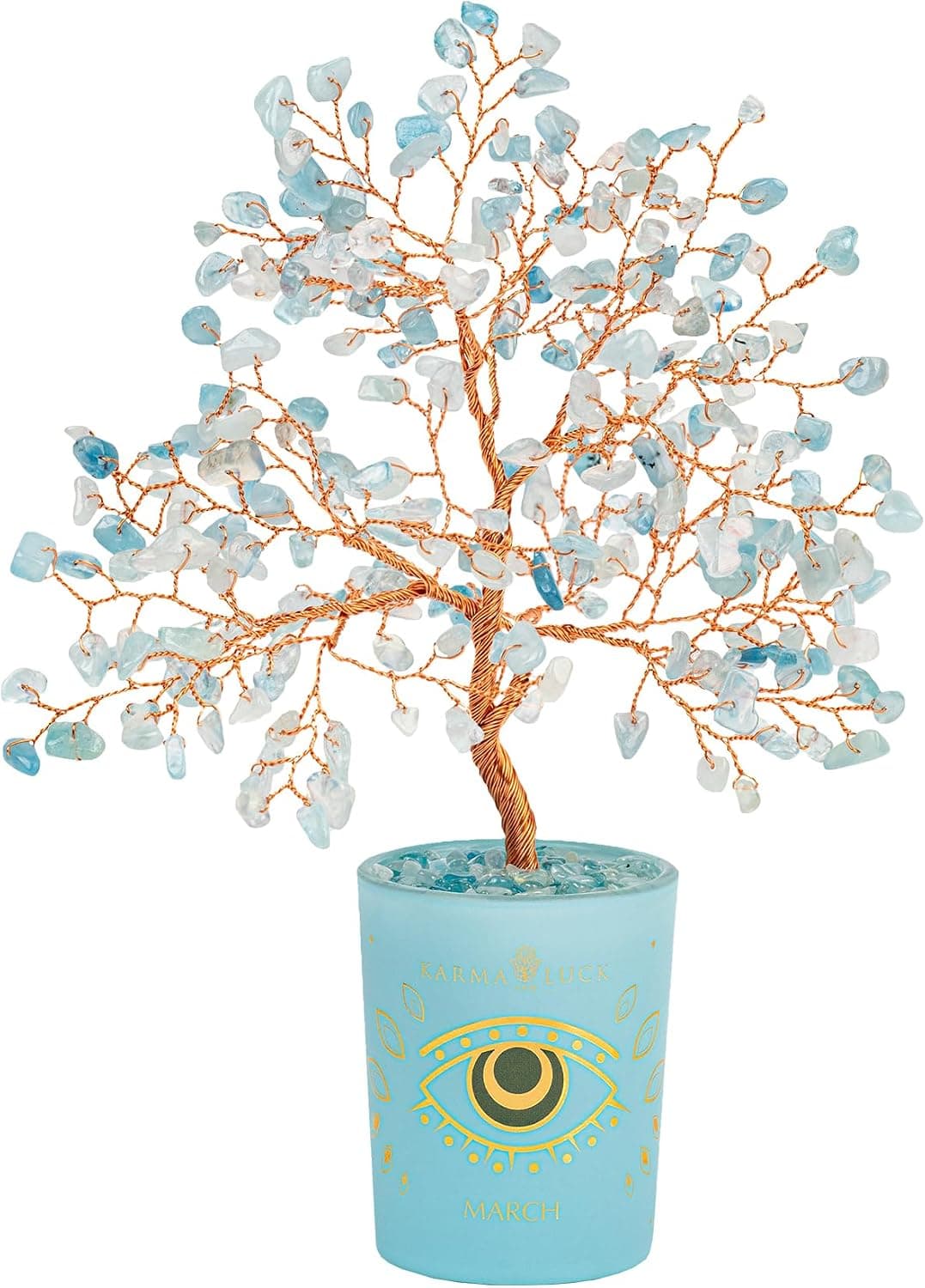
-29%Karma and Luck March Birthstone Crystal Tree of Life, Aquamarine Gemstone Fen...
 -29%
-29%Karma and Luck July Birthstone Crystal Tree of Life, Ruby Gemstone Feng Shui ...
As an Amazon Associate, we earn from qualifying purchases. We only recommend items our practitioners have personally tested.
Continue Your Journey
Explore these related guides to deepen your understanding:


Ready for Deeper Guidance?
Try our free I Ching reading for personalized wisdom, or explore our curated Feng Shui essentials.