Grief changes the air in a room; the right adjustments help the house settle again.
When a room feels heavier than grief itself
I once walked into a small upstairs bedroom in Portland where the curtains were still half-closed and a glass of water sat untouched on a cedar dresser. The family had already taken care of the obvious things, but nobody wanted to touch the room where their father had passed. That is the moment many people reach for feng shui after someone dies in home, not because they believe in magic, but because the house feels out of step with life.
The wrong advice at this point is usually loud and theatrical. People talk about burning things, opening everything at once, or “clearing bad energy” as if grief can be bullied out of a building. It cannot. A house after death needs respect first, then order, then movement.
What I’ve seen again and again is simple: the home does not need to be dramatic to recover. It needs steady hands, clean lines, and a little patience. That is where the bagua map can help too, not as a superstition, but as a way to notice which parts of the home feel stagnant, neglected, or too emotionally loaded to function well.
People often expect a house to feel instantly “normal” after the practical work is done. It rarely does. If the bedroom, hallway, or main gathering space still carries the tension of waiting, grieving, or avoiding, the body notices before the mind does.
The method: reduce shock, then restore circulation
The first step is not a cure. It is reduction. Remove what is medically or legally necessary, then clear obvious clutter only after everyone has had a chance to say goodbye in their own way. Do not rush straight into rearranging furniture or repainting walls if the family is still emotionally anchored to the space. I have seen that kind of haste create more anxiety than relief.
From a feng shui perspective, death in the home creates an intense stillness. Not “bad luck” in a cartoon sense. Stillness. The energy stops circulating normally because everyone in the house has paused, and sometimes the room itself becomes a shrine to that pause. The goal is to let qi move again without erasing what happened.
Start with air and light. Open windows for a while each day if the weather allows. Keep the curtains fully drawn back in the morning. Replace dim bulbs, especially in hallways and bedrooms that have been shut up. Strong light is not disrespectful; it helps the house remember that it is still a living place.
Then work with the surfaces. Wipe down tables, door handles, windowsills, and the top of the dresser or bedside table where objects tend to collect emotional residue. Not residue in a mystical movie sense. Practical residue: dust, old tissues, half-finished cups, unopened mail, stale flowers. These details matter because they tell the nervous system that the house has been allowed to stop.
One family I helped in Santa Fe had a cream-colored guest room with a blue quilt, a chipped lamp, and three unopened sympathy cards on the nightstand. The son kept saying the room felt “wrong” even after the body had been taken away. We did not incense the place into submission. We removed the water glass, changed the bedding, opened the blinds, and put the cards into a small memory box on a shelf. Within two days, he said the room felt sad, but no longer heavy. That distinction matters.
Use gentle movement, not a blitz. If the person died in a bedroom, begin by straightening that room before touching the whole house. If the death happened in the living room, restore that room first so the family has a stable place to sit together. The sequence matters because the heart needs one clean foothold at a time. For broader room-by-room balance, see how I approach a living room that has lost its ease.
There is also a surprisingly practical rule: keep one or two meaningful items, and let the rest go. Too many keepsakes can freeze the room into a memorial that nobody wants to inhabit. One framed photo, a favorite blanket, a small bowl, or a watch is often enough. You are honoring the person, not turning the home into a museum.
For the immediate bedroom, avoid turning the bed into a storage altar. A bed that still holds hospital bags, paperwork, or stacked clothing sends a message of incompletion. If the room is now being used by another family member, change the linens completely and shift the furniture slightly if possible. Even six inches can change the emotional tone.
Here is the part people resist: sometimes the best feng shui move is not adding anything at all. No extra crystals. No red string. No overbuilt ritual. Just order, clean air, and a room that can breathe again. If you are considering symbols or objects later, choose them with restraint and place them for support rather than spectacle. The same caution applies when choosing stones that actually belong in a grieving home.
How to work through the home without making grief worse
Begin at the entrance. Even when the death happened elsewhere, the front door is where daily life returns. Sweep the threshold, clean the mat, and make sure the entry does not hold stale shoes, broken umbrellas, or mail piles that have been ignored for weeks. That one zone tells the whole house whether life is still being welcomed in.
Next, move toward the room of highest emotional charge. If the family avoids the room, that is where you start, but gently. Leave the door open. Put on soft light. Keep the task simple: remove trash, launder fabric, dust, and let one trusted person decide what stays. If a room contains a hospital bed, oxygen tubing, or medications, clear those items with care and in accordance with family and medical guidance. The point is not to create a new story overnight; it is to stop the old one from taking over every square foot.
Then check what I call the “pause points”: hallways, corners, and the chair nobody sits in anymore. Death can make these places feel frozen. A hallway with a dark runner, one dead bulb, and a stack of folded blankets at the end will feel different after a small intervention—brighter light, fewer objects, a clear path, maybe a simple plant in a healthier area of the home. If plants are part of your recovery plan, choose them for steadiness rather than drama; this is not the moment for needy, fussy foliage. A useful reference is the kind of plant care that supports a calm house.
When families ask about ritual, I usually say this: keep it sincere and keep it small. A candle at a memorial table, a spoken blessing, a prayer, or a short moment of silence can be enough. What matters most is intention paired with action. A candle beside a dirty sink accomplishes very little. A candle in a clean, quiet room that has been aired out can feel like a steady hand.
Do not forget the bathroom if the person was bedridden or the house has been in caretaking mode. Bathrooms absorb stress fast. Clean mirrors, replace towels, flush anything old from under the sink, and repair small problems like dripping faucets. Water that runs poorly mirrors grief that keeps circling instead of moving on.
And if you are wondering about the right direction for furniture after the home has been reset, use common sense first and symbolism second. A chair should face conversation, not a wall; a bed should support sleep, not worry; a desk should let the person work without feeling cornered. If you need a broader reference point, bedroom placement choices matter more than most people admit.
Sometimes the house needs a visible signal that life has resumed. Fresh towels. New soap. A bowl of fruit. A lamp with a warmer bulb. These are small acts, but they tell the home to stop waiting.
Common mistakes that keep the house stuck
The first mistake is treating everything like a purge. People throw away too much too quickly because they want relief fast. Grief does not respond well to haste. If a family member dies, and every object tied to that person disappears overnight, the house can feel stripped rather than healed.
The second mistake is sealing the room shut. I have seen families keep a door closed for months because they are afraid of what they will feel. That only traps the emotional charge. A room that is never aired, cleaned, or gently used becomes harder to return to. If you need help identifying which parts of the house are amplifying the problem, the front door is usually the first place to inspect.
People also make the mistake of assuming that stronger rituals equal better results. Not always. In a house carrying loss, subtle works better than theatrical. If the home is already overwhelmed, too many incense sticks, bells, charms, or conflicting cures can make it feel crowded and confused.
What to expect after the first changes
The first shift is usually physical. The room smells cleaner. The light feels less harsh. People stop lowering their voices in certain hallways. Then the emotional change arrives in pieces. Someone sits in the chair again. Someone laughs in the kitchen without apologizing for it. The house does not forget the loss, but it stops leaning on it.
If the death was recent, do not demand closure from the space. Closure is a modern obsession, and a poor one. Houses remember. They also adapt. Your task is not to erase memory, but to make sure memory does not block movement.
That balance is the real work behind feng shui after someone dies in home. Respect the person. Clean the space. Open the windows. Let the family breathe. Then let the house do what houses are meant to do: hold life again.
FAQ
Should I rearrange furniture right away after a death in the house?
Not immediately if the family is still in shock. Start with cleaning, airing out the room, and removing only what is necessary. Once the emotional intensity softens, a small furniture shift can help the space feel less frozen.
Do I need to burn incense or use special remedies?
No special object is required. A clean room, open windows, and respectful intention do more than most dramatic cures. If you use incense or prayer, make sure it supports the atmosphere instead of overpowering it.
What if the person died in the bedroom where someone else now sleeps?
That room needs a full reset. Wash the bedding, clear out medical or personal care items, and reset the lighting so it feels like a living bedroom again. A careful review of bedroom comfort and placement can help you make that transition without turning the room cold.
Is there a bad time to clean after someone dies?
Surprisingly, the worst time is often when everyone is exhausted and rushing. Clean in stages if you need to. A steady, respectful pace usually produces a calmer result than one exhausting all-at-once cleanup.
Mei Chen
Traditionally informed guidance • Cross-referenced with classical Chinese source texts
Content draws from both Compass (Luopan) and Form (Xingshi) school traditions. Illustrative examples are composites based on consultation experiences.
Practitioner-Selected Tools for This Topic
Items our team has tested and found effective for the principles discussed above. Individual results may vary.
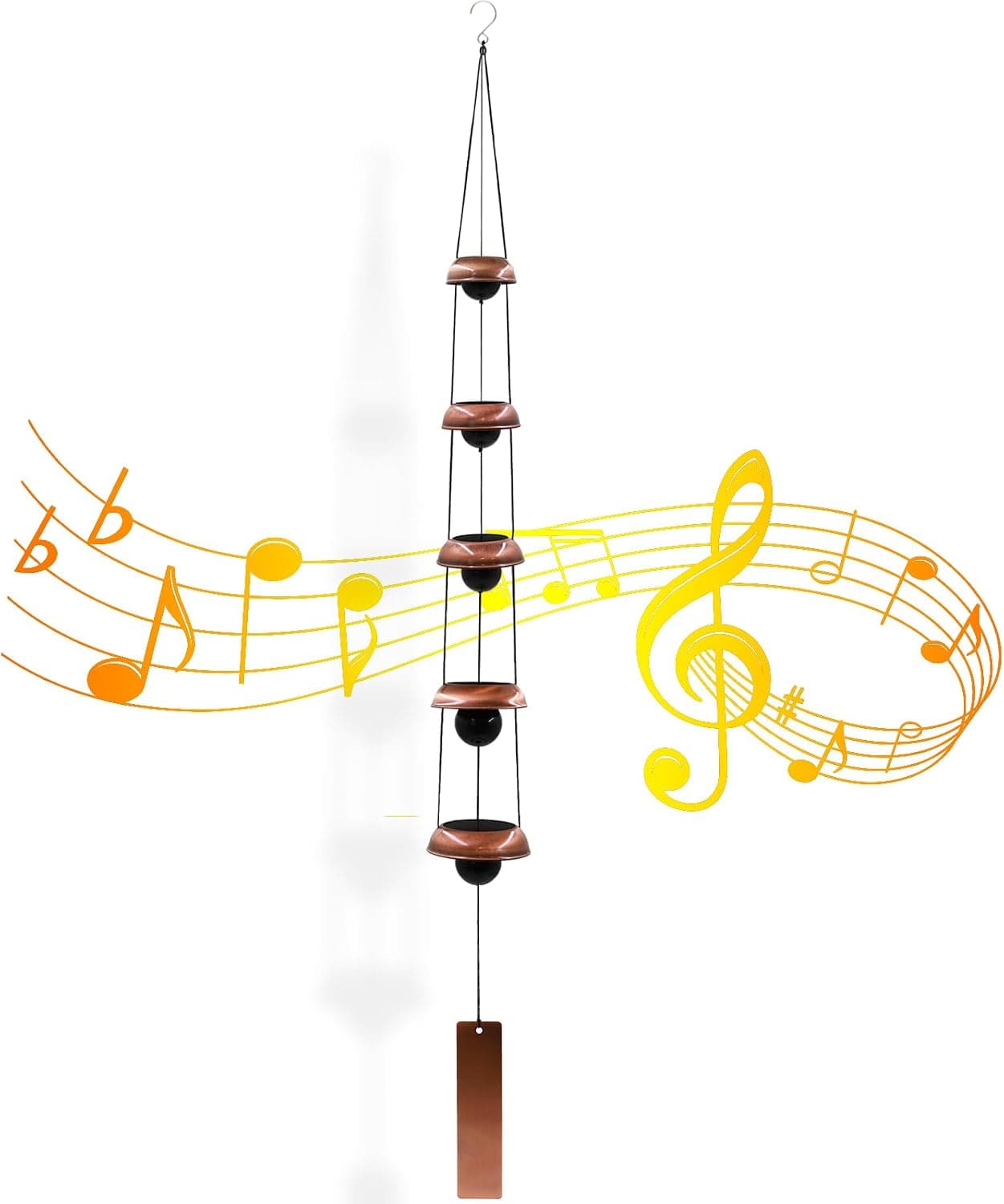 -19%
-19%Wind Chimes for Outside with 5 Bell Unique Copper Musical Chimes Feng Shui Wi...
 -5%
-5%YU FENG Evil Eye Money Tree, Blue Feng Shui Decor with Golden Buddha
 -29%
-29%Karma and Luck March Birthstone Crystal Tree of Life, Aquamarine Gemstone Fen...
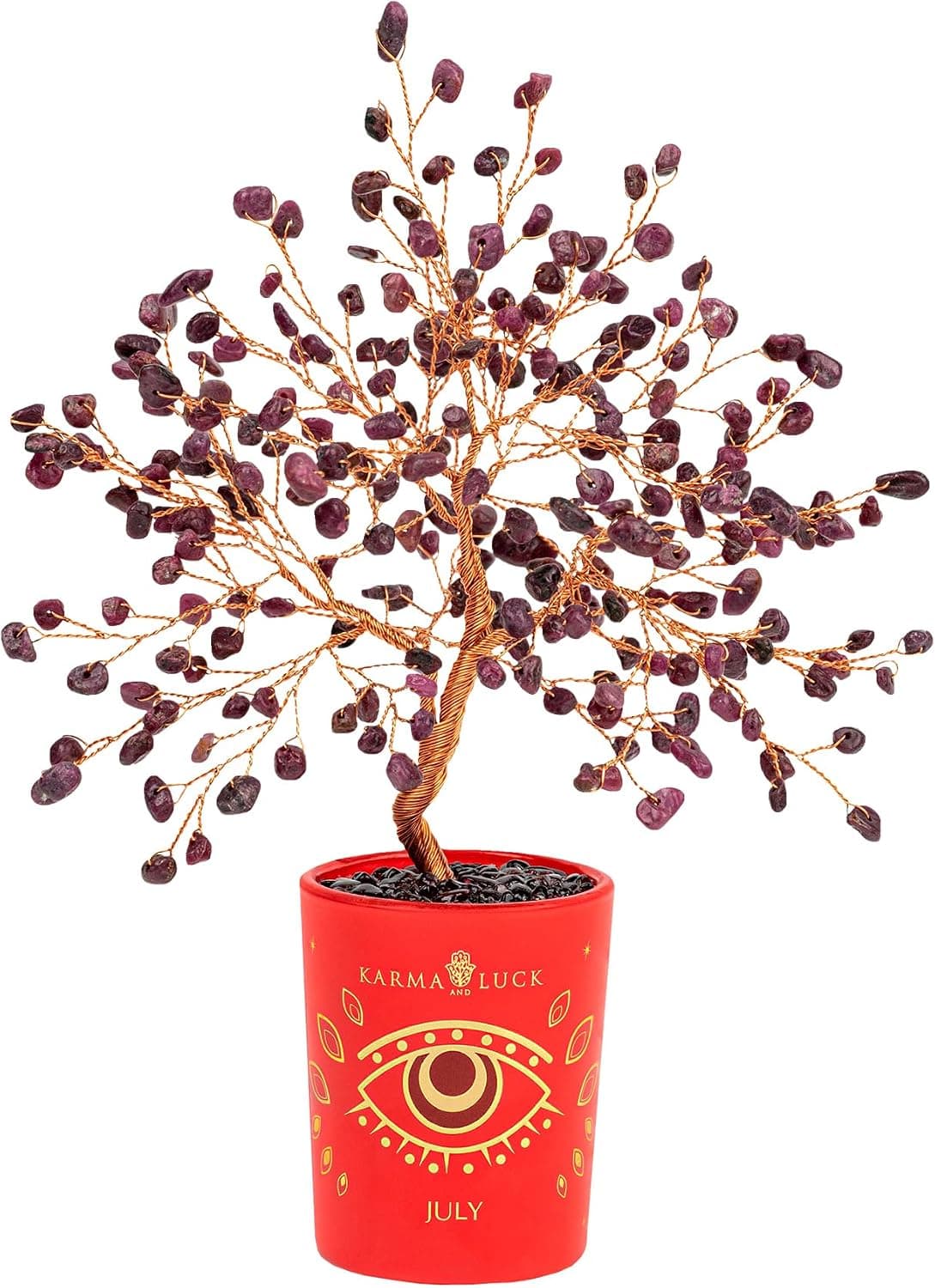 -29%
-29%Karma and Luck July Birthstone Crystal Tree of Life, Ruby Gemstone Feng Shui ...
As an Amazon Associate, we earn from qualifying purchases. We only recommend items our practitioners have personally tested.
Continue Your Journey
Explore these related guides to deepen your understanding:


Ready for Deeper Guidance?
Try our free I Ching reading for personalized wisdom, or explore our curated Feng Shui essentials.