The real danger in 2026 isn’t the direction you fear most; it’s the patch of your room you keep pretending doesn’t matter.
Beyond the Surface of feng-shui-2026-three-killings-direction
The popular narrative around reading a feng shui compass and then obsessing over one annual direction doesn't hold up under scrutiny. I’ve watched people tape red paper on a wall, move a lamp, and feel oddly relieved for three days — then the same room starts snagging their attention again, usually at the desk, the laundry basket, or the chair nobody sits in.
That’s because the real problem is rarely a single dangerous line on a compass. The room already has a dead zone, and annual afflictions like the three killings only expose it. They do not invent the weakness. They lean on it, like wind finding a cracked window frame.
One spring, I walked into a narrow study in a San Francisco apartment where the client had followed every online remedy for the west sector. She hung six metal coins, placed a brass bowl near the shelf, and even left the curtains open at noon for three straight weeks. Yet her sleep got lighter, her emails piled up, and she kept missing invoices. The problem sat three feet from the doorway: a black filing cabinet jammed into a blind corner, with a dead printer on top and a stack of unopened envelopes leaning like a small wall. That corner was doing more damage than the annual caution ever could.
So yes, the location matters. But not in the cartoonish way people are taught. The room’s dead zone is the place where movement stalls, light disappears, and your body starts making tiny decisions to avoid it. Mapping the room with a Bagua overlay helps, but only if you look for the spot that feels ignored rather than the spot that merely matches a label. That distinction changes everything.
What the Dead Zone Actually Does
People imagine harmful sectors as if they were radioactive. Not even close.
A dead zone is usually subtler: the chair with no view, the shelf no one opens, the corner where dust collects first, the patch of floor where shoes land instead of being put away. In classical terms, qi doesn’t vanish there; it becomes sluggish, fragmented, or trapped behind clutter and awkward angles. That is why one correction often fails. You’re treating a symptom in the annual cycle while the room keeps producing the same stalled pattern day after day.
Here’s the part many readers miss: the dead zone shapes behavior before it shapes fortune. You stop sitting there. You stop noticing the bill on the sideboard. You stop watering the plant because you barely pass it. Then the room teaches you avoidance, and avoidance becomes your habit. That’s why a supposedly “cured” sector can still leave a person feeling behind, edgy, or strangely tired after lunch.
Five elements theory explains why a room can look balanced and still feel off. A wood-heavy corner can stay restless even with perfect intention; a metal-heavy corner can feel sterile and harsh even when it’s beautifully arranged. The dead zone is often the place where one element is overworking and another has disappeared.
Why the Usual 2026 Advice Backfires
Common advice tells you to “avoid the direction” and add a cure. That sounds tidy. It also makes people ignore the room they live in.
Here is the failure pattern I see most often: someone moves a bed, adds a blue accessory, or hangs a metallic object near the annual concern, then leaves a dark alcove untouched because “that isn’t the problem area.” A month later, sleep is still broken, tempers are still short, and the same one drawer keeps swallowing receipts. The cure was technically correct and practically useless.
The mistake usually starts with overconfidence in the label. People hear a direction, picture a single line across the home, and forget that a room has texture, traffic, and habits. A west-facing wall can be fine in a bright, lived-in room and miserable in a cramped hallway. The annual layer matters, but only after you account for the daily mechanics of where your body slows down.
Bedroom placement mistakes show this clearly. A bed in the right sector can still fail if it faces an overactive corridor, a mirror, or a messy closet. Annual advice without room behavior is just half a map.
Find the Dead Zone Before You Touch the Cure
Start by standing in the room at the time you use it most. Morning for kitchens. Evening for bedrooms. Midday for offices.
Scan for what your eyes skip over. That is usually the zone. If a corner feels like background scenery, if the lamp there is always off, if the surface has become a holding place for mail, chargers, or random keys, you’ve found the sluggish pocket. Don’t begin with crystals or color changes. Begin with motion.
Then ask a sharper question: where do you unconsciously route around the space? A chair pulled six inches too far from the table can reveal more than a chart. A laundry basket that blocks a closet door can tell you more than a compass reading. The dead zone is often the place where the body invents a shortcut.
In a guest room I saw in Portland, the dead zone was absurdly obvious once I pointed it out. Cream walls, a pale blue quilt, lovely daylight — and a suitcase permanently parked behind the door. Every time the homeowners opened it, the door clipped the handle just enough to make them angry. They blamed the annual star. The real culprit was an object that made the room flinch every single day.
That’s the kind of detail you want. Not theory. Friction.
How to Fix It Without Making the Room Worse
First, clear the dead zone completely. Not “neaten it.” Clear it.
Take out the broken lamp, the half-dead plant, the stack of magazines, the box waiting for “later.” If the area is dark, add light that you will actually switch on. If it feels flat, give it one living cue: a healthy plant, a working chair, a framed image with depth, something that invites attention without screaming for it. A room often needs permission more than decoration.
Second, restore a clear line of use. A corner becomes energetic when it serves a visible purpose. A reading chair with a lamp and a book can revive a dead pocket. A console with a bowl for keys can stop the hallway from becoming a dumping ground. The object matters less than the behavior it supports.
Third, only then apply the annual adjustment. For 2026, that means dealing carefully with the area linked to the year’s three killings while avoiding noisy, cosmetic fixes that leave the room’s weak spot intact. The annual issue can be calmed, but it should not be used as an excuse to ignore the basic layout. Annual cures for 2026 need room-by-room judgment, not blind repetition.
One more thing: don’t overdecorate the fix. A dead zone covered in red objects can become a cluttered signal flare. A heavy metal cure placed in a cramped, already-busy corner can make the space feel colder and more rigid. Wrong tool, wrong texture. The room tells you when you’ve gone too far.
Common Missteps That Make the Problem Stick
Some people keep the troublesome direction empty and call that a solution. It sounds cautious. In practice, emptiness can turn into neglect, and neglect is where dust, silence, and avoidance settle in fast.
Others pile on remedies like they’re building insurance. One charm, two coins, a ribbon, a bowl, and a plant. The result looks busy and still feels dead. A room does not become balanced because you filled it with symbols. It changes when the space starts behaving differently.
Another trap: treating every hard corner as if it needs the same cure. A hallway dead zone wants movement and clarity. A bedroom dead zone wants softer light and fewer disruptions. A kitchen dead zone wants cleanliness and function. Copy-paste feng shui is how people end up with a shrine to advice instead of a home they can use.
Some of this connects to wealth-area mistakes that quietly undo the setup. The same logic applies: a neglected space can drain attention far faster than a dramatic-looking remedy can restore it. If a corner keeps collecting junk, it is already teaching the room who is in charge.
Where the Myth Came From
The annual-direction story became popular because it is easy to sell and easy to remember. Mark one area. Avoid it. Add a cure. Done. That structure flatters the modern mind, which likes clean answers and hates the mess of actual rooms.
Classical practice is less convenient. It asks you to look at orientation, movement, occupancy, light, clutter, and the quality of use all at once. That’s harder to package in a social media graphic. So the story shrank, and people began treating a single annual sector like the whole field.
Big mistake.
The good news is that rooms reveal themselves quickly once you stop forcing a slogan onto them. A shelf that no one opens. A chair that faces a blank wall. A bedside table loaded with receipts and lip balm and a dead alarm clock. Those details matter more than most yearly fear-based advice admits. They show where qi already has trouble moving, long before the calendar adds another layer.
If you want a cleaner way to understand the room before the next round of fixes, most Bagua maps are hung backward and people never notice. That error alone can send someone chasing the wrong sector for months.
The dead zone is the clue. The annual direction is the stress test. Separate them, and the room becomes readable.
FAQ
Is conventional feng-shui-2026-three-killings-direction advice reliable?
Often not on its own. It gives you a starting point, but without room behavior it leaves out the part that actually determines whether a space feels tense, stale, or settled.
How do I know I’ve found a dead zone?
Look for the place your eyes avoid and your habits ignore. If dust gathers there first, if objects land there by default, or if you keep forgetting what belongs there, that area is probably carrying stagnant qi.
Should I clear the dead zone before placing any annual remedy?
Yes, because a remedy placed on top of clutter tends to underperform. Clear access, improve light, and restore function first; then the annual adjustment has something to work with.
What if the room is small and every corner is already full?
Then the fix is subtraction, not addition. Remove one blocked item, improve one light source, and create one obvious use for the worst corner. A small room changes through relief, not accumulation.
Does the three killings always point to the same kind of problem?
No. Sometimes it shows up as tension, sometimes as delay, and sometimes as a room that simply stops cooperating. The pattern is less about drama and more about pressure finding the weak place to sit.
Can I use this approach in an office too?
Absolutely, and offices expose the issue fast. The dead zone is often the chair nobody uses, the side table loaded with papers, or the corner where calls get made and never finished. Fix that pocket, and the rest of the layout usually feels less resistant.
Look at the corner behind your chair tonight. Is it really empty, or has it been silently running the room for months?
Mei Chen
Traditionally informed guidance • Cross-referenced with classical Chinese source texts
Content draws from both Compass (Luopan) and Form (Xingshi) school traditions. Illustrative examples are composites based on consultation experiences.
Practitioner-Selected Tools for This Topic
Items our team has tested and found effective for the principles discussed above. Individual results may vary.
 -19%
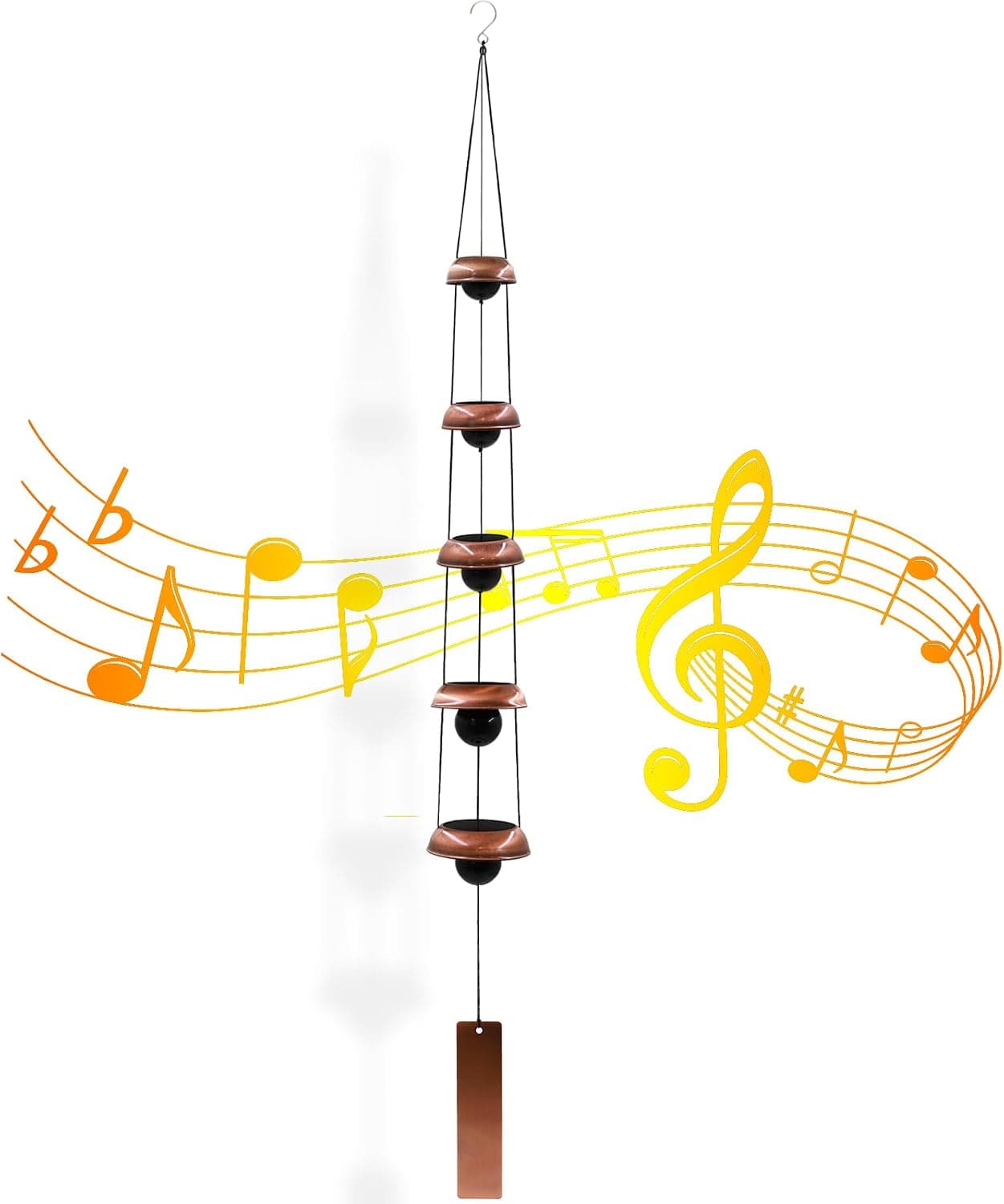
-19%Wind Chimes for Outside with 5 Bell Unique Copper Musical Chimes Feng Shui Wi...
 -5%
-5%YU FENG Evil Eye Money Tree, Blue Feng Shui Decor with Golden Buddha
 -29%
-29%Karma and Luck March Birthstone Crystal Tree of Life, Aquamarine Gemstone Fen...
 -29%
-29%Karma and Luck July Birthstone Crystal Tree of Life, Ruby Gemstone Feng Shui ...
As an Amazon Associate, we earn from qualifying purchases. We only recommend items our practitioners have personally tested.
Continue Your Journey
Explore these related guides to deepen your understanding:


Ready for Deeper Guidance?
Try our free I Ching reading for personalized wisdom, or explore our curated Feng Shui essentials.