A misplaced cure can stir more trouble than it solves, especially when the stars are already sharp.
You did the placements. The house still feels wrong.
You bought the red cures, taped the notes on the wall, and checked the chart twice. Then the bedroom felt hotter at night, the bills still crept up, and the argument over nothing happened anyway.
I’ve seen this pattern in apartments, condos, and old family homes: people do a little too much, in the wrong sector, and then wonder why the energy gets louder instead of smoother.
That is the first surprise. More cures do not mean better results.
If you are using the bagua map as if every corner needs fixing, you are already close to the trap. Flying stars are not about decorating a house into obedience. They are about timing, location, and restraint.
Mistake 1: Treating every bad star like a fire alarm
What people do: they hear there is a “bad” star and immediately load the sector with red objects, candles, and bright lights.
Why it feels right: fire looks like the universal antidote. It feels active. It feels protective. It feels like doing something.
What actually happens: if the sector was already hot, you make it harsher. Sleep disruption is common, especially when the bedroom lands in an active part of the chart. I walked into a small guest bedroom in Portland with crimson pillows, a scarlet lamp, and three votive candles on a dresser; the retiree who lived there said she woke at 3:17 a.m. for eleven straight nights. We removed the extra fire, kept only one gentle cure, and within a week the room felt less sharp.
The point is simple: a cure should reduce pressure, not stage a parade.
Mistake 2: Putting metal cures where metal is already overwhelming
What people do: they stack coins, bells, wind chimes, and metal ornaments in the sector because they heard metal controls problem energy.
Why it feels right: the logic is tidy. Metal weakens certain trouble stars, so more metal must be better. That sounds rational until you watch the room turn cold and tense.
What actually happens: stagnant wealth qi shows up first. Then the house feels reluctant, as if nothing wants to move. A dark hallway with chrome frames, a silver bowl, and a heavy brass sculpture can feel impressive, yet the money conversation in that home becomes stuck. If you need a better sense of how a room should breathe, study how the living room supports movement and conversation before you pile on remedies.
Metal is not a hobby. It is dosage.
Mistake 3: Using the same cure in every room
What people do: they buy one product and spread it across the house like a blanket.
Why it feels right: consistency feels efficient. If one cure worked in one place, why not everywhere?
What actually happens: different rooms carry different jobs, and a cure that calms a hallway can overwhelm a desk or bedroom. I remember a teacher in a pale-blue apartment who placed identical brass pagodas in the office, kitchen, and main bedroom because an online chart told her to “secure the energy.” The office felt heavy, the kitchen lost warmth, and the bedroom became strangely alert, which is the opposite of what she needed after long school days.
One size fits nobody for long.
If you are arranging a workspace, the basics matter more than flashy fixes; a desk setup that supports clear focus will often outperform a shelf full of symbolic objects.
Mistake 4: Ignoring the front door while obsessing over the chart
What people do: they spend an hour on the annual stars and five minutes on the entrance.
Why it feels right: the chart looks sophisticated. The front door looks ordinary. People assume the ordinary part can wait.
What actually happens: it cannot. If the entry is cluttered, dim, or blocked, the house has to fight for incoming qi before any cure can work. I once visited a narrow townhouse with a black umbrella stand, three delivery boxes, and a broken mat curled up at the threshold. The owner had placed a cure in the east sector and wondered why career progress still felt delayed. The answer was standing in the doorway.
Before you add another object, clear the route.
For many homes, the fastest improvement comes from the threshold itself, not the star chart. See what a strong front entrance actually supports.
Mistake 5: Overusing water cures in a bedroom
What people do: they place fountains, blue glass, watery imagery, or “cooling” cures in hopes of easing a difficult star.
Why it feels right: water sounds calming. It suggests flow, money, and softness, so people assume it can soothe anything.
What actually happens: in a bedroom, too much water can scatter rest and muddy intimacy. Sleep gets lighter. Conversations get shorter and colder. In one couple’s room, a tall glass vessel sat on a dresser beside navy curtains and a moon-phase print; they said the room looked elegant, but they had begun avoiding evening talks because everything felt slightly too emotionally slippery.
Water is useful. Water is not innocent.
Mistake 6: Placing cures without checking the year’s star map first
What people do: they follow old advice from a blog post, a forum, or a saved screenshot and assume last year’s fix still applies.
Why it feels right: if a cure worked once, it should keep working. That assumption is comforting, and wrong.
What actually happens: annual stars move. The same sector can shift from manageable to sensitive, or from noisy to quiet. That is why bedroom adjustments deserve a different standard than public rooms, and why a cure that was fine in one year may become excessive in the next. I’ve watched people blame themselves when the real issue was stale timing, not bad intuition.
Feng shui rewards precision. Nostalgia does not.
Mistake 7: Turning a cure into a decoration
What people do: they choose a cure because it looks beautiful, not because it fits the sector.
Why it feels right: beautiful objects are pleasant. They make the house feel intentional.
What actually happens: if the object has the wrong shape, color, weight, or placement, it becomes noise. A plant in the wrong place can add agitation; a crystal cluster in the wrong sector can trap attention instead of easing it. That is one reason I point people toward choosing crystals for function, not ornament before they buy another shiny solution.
The house does not care that it matches the sofa.
What actually works when the stars are difficult
Start with the sector, then the room, then the remedy. Not the other way around.
First, reduce whatever is already excessive. If the area is hot, stop feeding fire. If it is too heavy, stop stacking metal. If it is too restless, stop adding motion.
Second, check whether the room can support the fix at all. A bedroom wants quiet treatment. A work area wants clarity. A doorway wants openness. A kitchen wants balance, not drama.
Third, use the smallest effective cure. That sounds boring. It is also what works.
That is the part most people resist. They want a dramatic answer because the problem feels dramatic. But feng shui usually improves when you stop performing for the chart and start cooperating with the house.
If you are using the annual system and want a cleaner path to money support, here is what actually works: reduce clutter, strengthen the entry, keep the wealth areas active but not crowded, and place only the cure that matches the star’s nature. The money page goes deeper on that logic, and it is the right next step once the obvious mistakes are out of the way.
FAQ
Do I need to cure every difficult star in my home?
No. Some sectors need observation more than intervention, and overcorrecting can create a bigger problem than the original one. I usually tell people to begin with the rooms they use every day, especially the bedroom and entry.
Can I leave last year’s cures in place?
That is a common habit, but it is rarely the best one. Annual patterns move, and a cure that helped before may now be too strong, too weak, or simply irrelevant.
What if I only want one remedy because I’m overwhelmed?
Start with the front door and the most-used room. A clean threshold and one well-placed, appropriate cure will do more than five random objects bought in a hurry.
Are expensive cures more effective?
Surprisingly, no. A costly object with the wrong energy can underperform a simple item placed correctly. The house responds to fit, not price.
Mei Chen
Traditionally informed guidance • Cross-referenced with classical Chinese source texts
Content draws from both Compass (Luopan) and Form (Xingshi) school traditions. Illustrative examples are composites based on consultation experiences.
Practitioner-Selected Tools for This Topic
Items our team has tested and found effective for the principles discussed above. Individual results may vary.
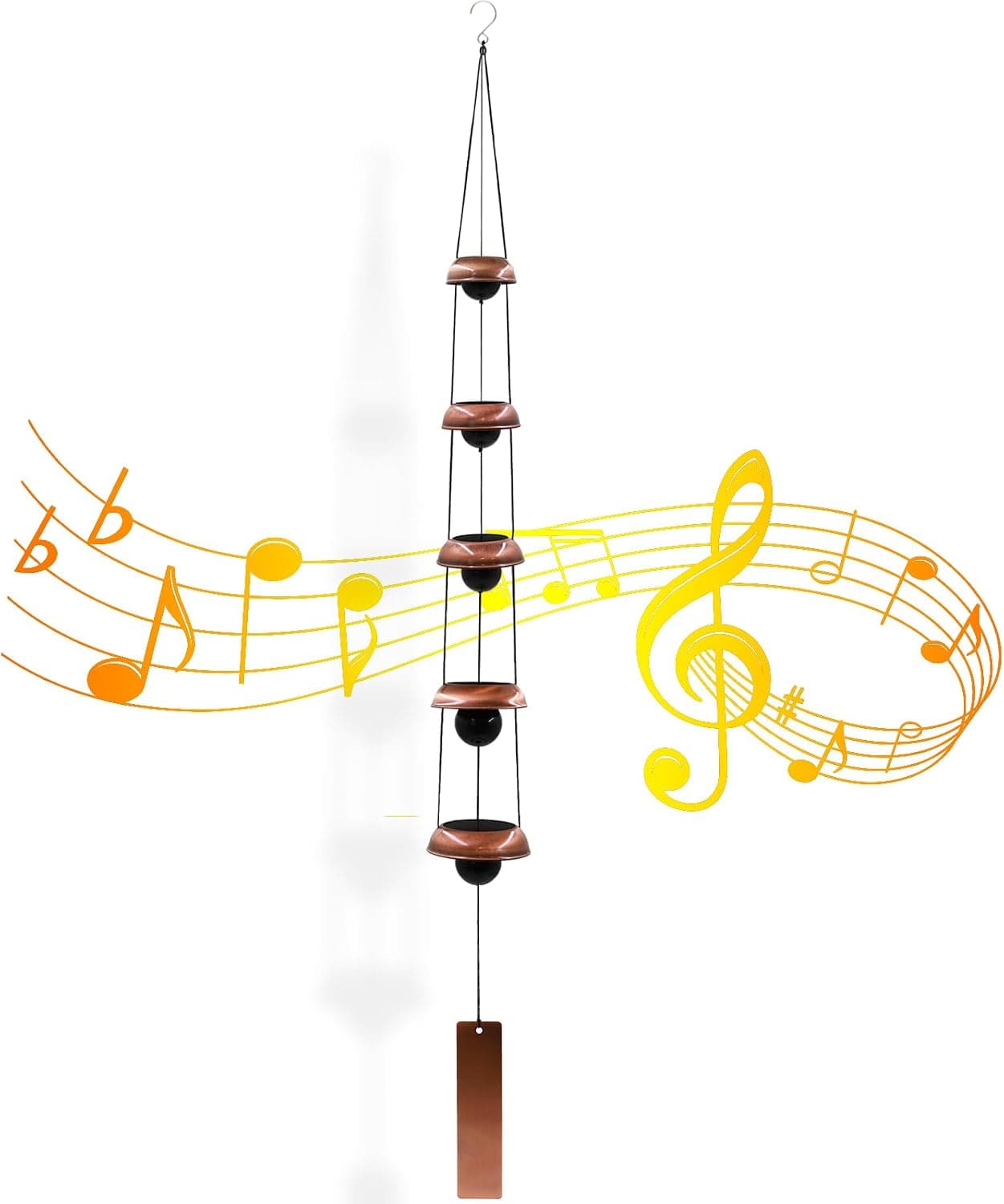 -19%
-19%Wind Chimes for Outside with 5 Bell Unique Copper Musical Chimes Feng Shui Wi...
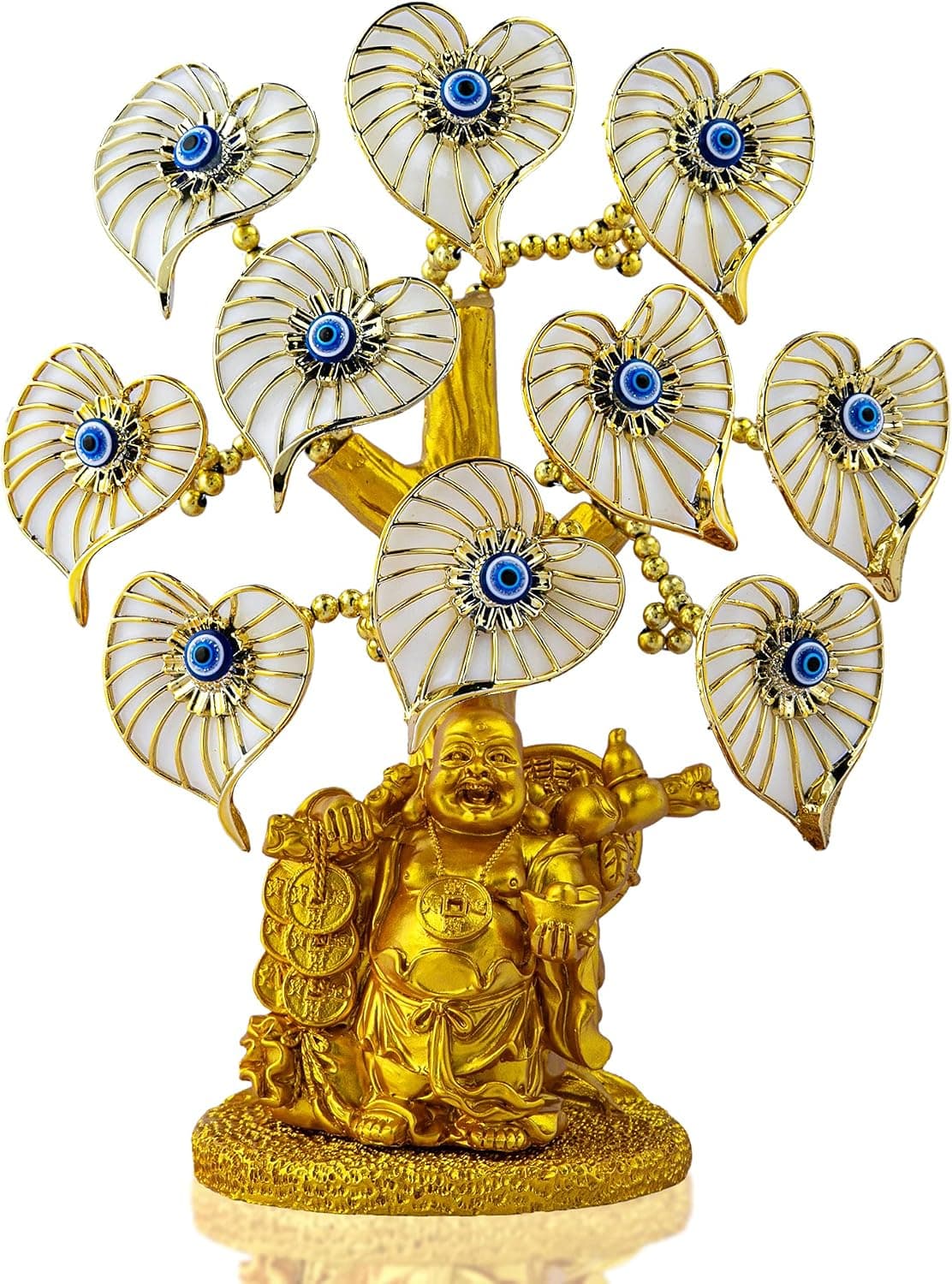 -5%
-5%YU FENG Evil Eye Money Tree, Blue Feng Shui Decor with Golden Buddha
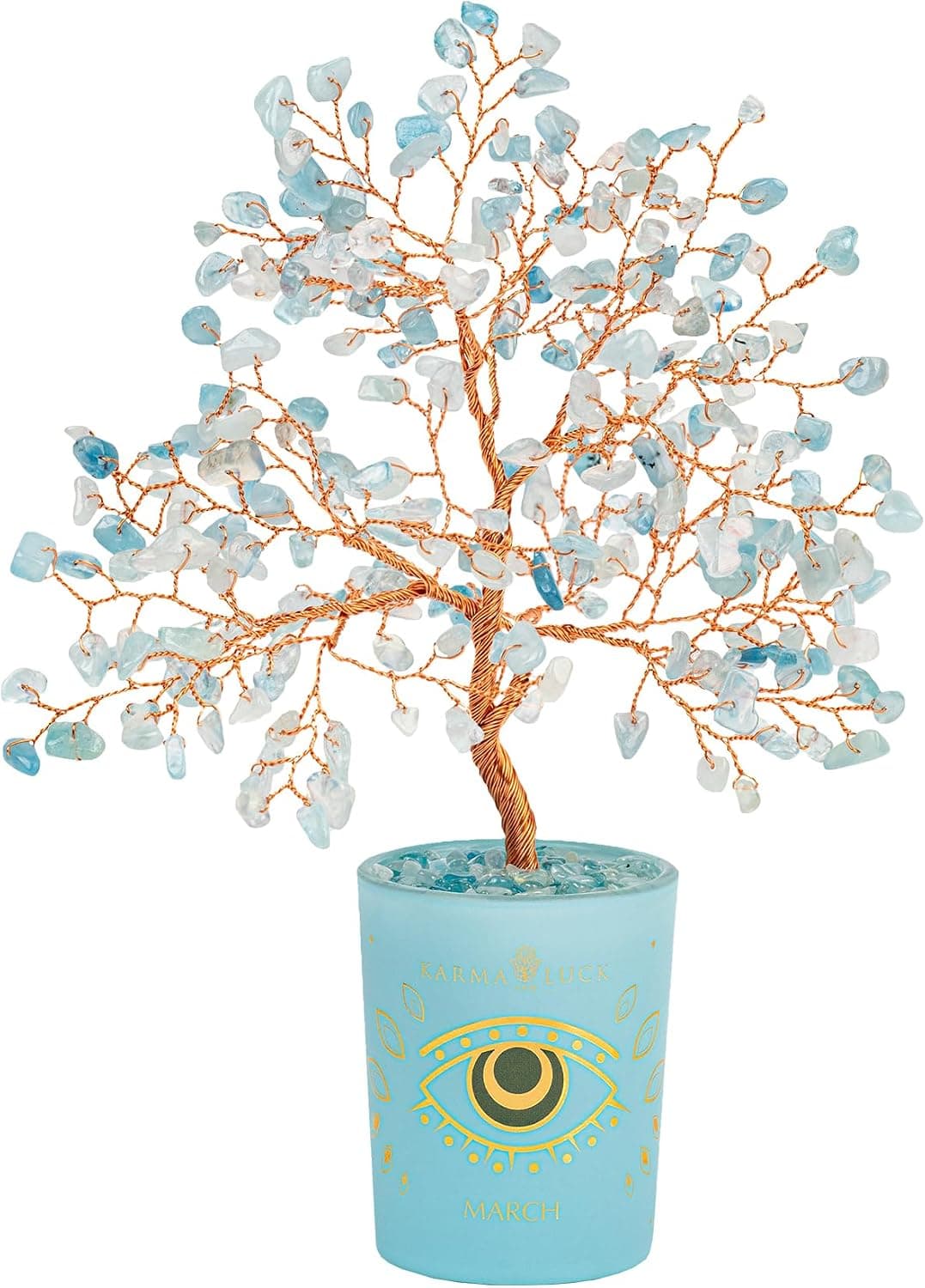 -29%
-29%Karma and Luck March Birthstone Crystal Tree of Life, Aquamarine Gemstone Fen...
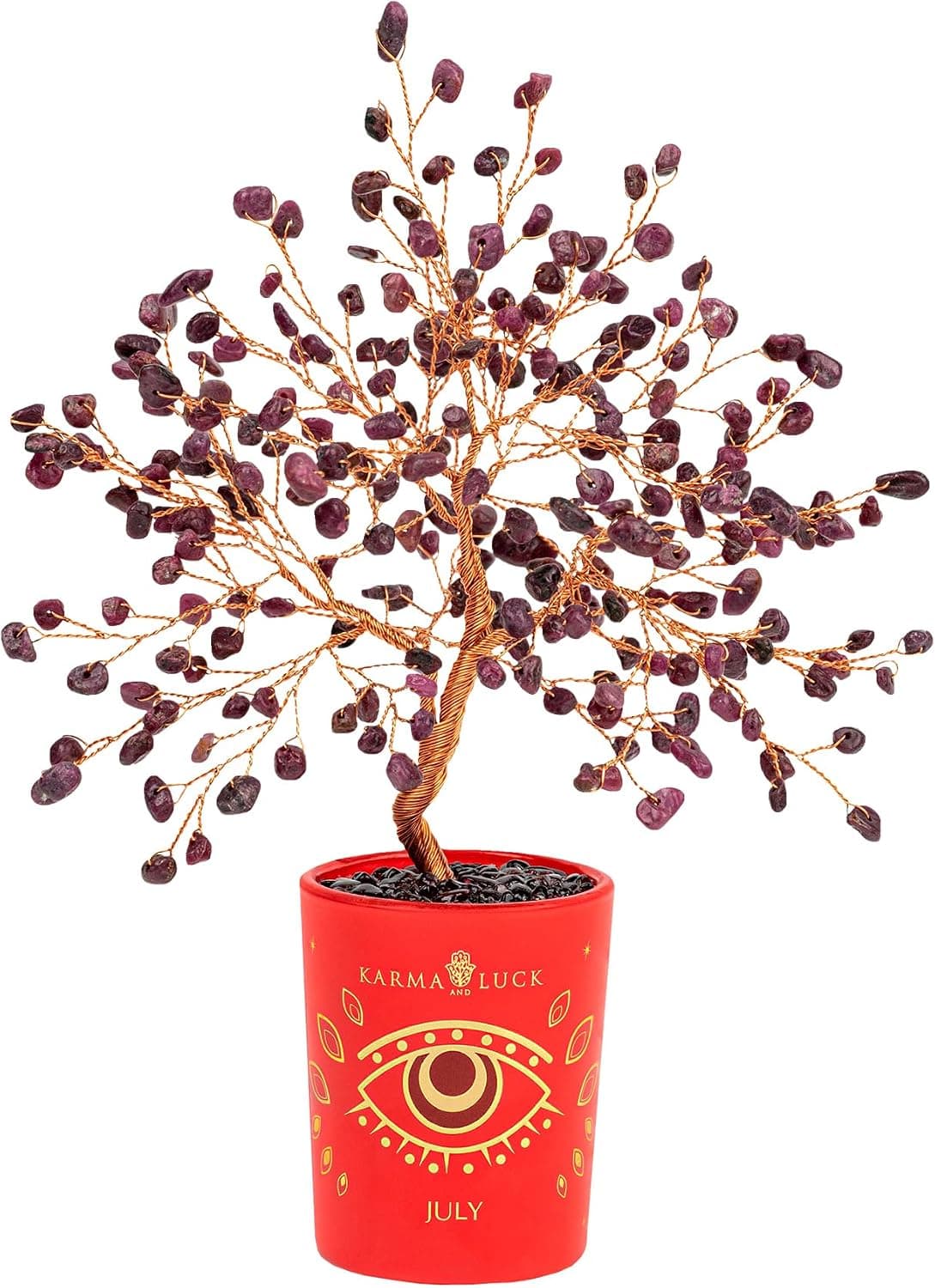 -29%
-29%Karma and Luck July Birthstone Crystal Tree of Life, Ruby Gemstone Feng Shui ...
As an Amazon Associate, we earn from qualifying purchases. We only recommend items our practitioners have personally tested.
Continue Your Journey
Explore these related guides to deepen your understanding:


Ready for Deeper Guidance?
Try our free I Ching reading for personalized wisdom, or explore our curated Feng Shui essentials.