The same cure can settle one room and fail in the next; depth changes everything.
The Hidden Truth About feng-shui-2020-flying-stars-cures
I’ve watched the same metal remedy calm one narrow hallway and do almost nothing in a deep living room with a recessed sofa wall. Same house. Same compass reading. Different result.
That is the part people miss. They treat annual stars like a switch you flip once, then they blame the method when the house keeps behaving badly. In reality, shallow spaces catch qi quickly; deep spaces slow it down, dilute it, and make the cure arrive late, if it arrives at all.
A few winters ago, I walked into a split-level condo where the owner had followed every online instruction with near-religious discipline. A brass remedy sat on the bookshelf, red string tied neatly, and a red lamp glowed beside the east wall. The bedroom still felt choppy, and by 2 a.m. she was awake again, staring at the ceiling while the hallway outside held the sound like a tunnel.
That was the clue. The cure was not wrong; the room shape was doing the damage. Deep spaces behave like reservoirs, not bowls. They hold more inertia, so a correction near the entrance can fade before it reaches the back wall where the real pressure sits.
People love a neat answer. Homes rarely cooperate.
When a room runs deep from front to back, the star energy does not spread evenly; it stacks in layers. A remedy placed at the front edge may work for the first few feet and then lose force behind a large sectional, a partition shelf, or even a heavy curtain in charcoal gray. That is why a cure can seem “effective” in a shallow study but strangely underpowered in a long bedroom.
There is also a psychological effect that gets ignored. In a compact room, your eye lands on the remedy at once, so your body registers the change and relaxes. In a deep room, the remedy often sits out of sight or too far from the area where you spend the most time, and your nervous system keeps reacting to the same cluttered visual field. The space still feels unresolved, because it is.
One rule I repeat in practice: place the correction where the problem is experienced, not where it is easiest to find. That sounds obvious until you see how many people tuck a cure by the door and expect it to fix the back corner where sleep breaks down, savings scatter, or arguments flare up at night.
For a clear map of room sectors, I often send readers to how to map energy in your home without overthinking it. If you need to read the annual chart properly, the next step is usually reading a feng shui compass wrong is more common than you'd think. And if the room feels broken in a way the annual star chart alone cannot explain, five elements theory explains why good feng shui still feels wrong.
Shallow rooms forgive sloppy placement. Deep rooms do not.
Case Notes: Where the Cure Backfired
The simplest way to see the problem is to look at a specific failure. A north-facing guest room in a townhouse had a narrow entry, then stretched almost twenty-two feet to a window wall dressed in heavy linen drapes. The owner placed the annual remedy on a side table near the door because that was the “center” she saw first. She also added a red ribbon and moved a lamp into the corner, following advice she found online.
The room looked finished. It did not feel finished. Sleep became lighter, and she started waking at 3:10 a.m. with a hot chest and a racing mind. The explanation was not mystical drama; the correction sat too far from the sleeping zone, while the deepest part of the room—the back half near the bed—kept carrying the old pattern.
That is the part that backfires. People assume more visible equals more effective. In practice, visibility can be a trap if the actual qi flow is being disrupted farther in, behind a wardrobe, under a low beam, or at the end of a long axis where the room narrows and pressure accumulates.
Another common error is treating all annual work as if it belongs on a shelf at eye level. Not every room wants the same height. A cure in a shallow entry may function well on a console table, but in a deep dining room it may need to live on the inner wall, closer to where people linger, so the correction meets the active field instead of the passing one.
One sentence matters here: depth changes the job.
People also forget that some rooms are not just deep; they are emotionally deep. A long bedroom with a dark rug, one narrow lamp, and a wardrobe that blocks half the side wall can feel like a tunnel even before you add any annual influence. In that setting, a metal cure may stabilize one issue while the rest of the room still broadcasts confinement, which is why the owner says, with some frustration, that the remedy “did nothing.”
Sometimes the real mistake is not the object. It is the assumption that a small object can outrun a bad layout. It can’t.
What Works in Shallow Spaces, and Why Deep Rooms Need More Care
In a shallow room, qi reaches the back wall quickly and rebounds with less distortion. That makes annual corrections relatively straightforward. You can place the cure in the affected sector, keep the surrounding area quiet, and see a noticeable shift because the room does not swallow the signal before the body notices it.
Deep rooms behave differently because the front half often acts like a filter. Furniture, rugs, door swing, and traffic pattern all create drag. So the correction should sit where the room actually “bends,” not where the floor plan begins. A metal remedy near the midpoint of a long hall-like room often performs better than the same item near the entrance, especially if the back third is where people sleep, read, or work.
For homeowners trying to stabilize money matters, the placement question gets even sharper. A coin cure can help when the wealth sector is compact and open, but if that area sits behind a tall cabinet in a deep corner, the object becomes decoration instead of direction. I’ve seen this pattern often enough to be blunt about it: coin placements that make money feel managed, not chaotic work best where the eye and body can actually register them.
Kitchen spaces show the same principle in a different costume. A knife block at the far end of a deep counter may not bother you at first, but the visual tension keeps sitting there, especially if the room is long and the prep zone is hemmed in. The object is not just an object; it becomes a repeat cue. For that reason, kitchen knives carry more energy than you'd think — here's why placement matters is not a decorative slogan. It is a spatial fact.
There is a tempting misunderstanding here: people think “more cures” will solve a deep room. Usually it only creates clutter and noise. One well-placed remedy, supported by a cleaner sightline and less blockage, does more than a cluster of symbolic items with no clear line of action.
A deep room wants specificity. Measure the space. Notice where you pause when you enter. Watch where your shoulders tighten. Then place the correction in the zone that actually collects the problem, not in the first available corner with free shelf space.
And no, adding a bright red object just because someone said “activate the star” is not the whole answer. That habit can overheat an already agitated room, especially if the layout has little daylight and too many closed surfaces.
Room shape first. Object second. Timing third.
Signs You Put the Cure in the Wrong Layer
Here is a plain test. If the room looks calmer but you still avoid sitting in the back half, the correction is probably sitting in the wrong layer of the space. The eye can be fooled faster than the body.
You may notice the bed feels too exposed even after the remedy is in place, or you keep leaving the lamp on because the far wall still feels unsettled. Those are not random habits. They are behavior changes that show the room has not accepted the adjustment.
Another sign shows up in conversation. People begin saying, “I don’t know, it just feels off,” even though the setup looks intentional. That sentence is usually a clue that the deeper zone of the room is still carrying the old pattern, and the cure is only addressing the surface.
The same thing happens in apartments with an L-shape, where one wing is shallow and the other stretches into a quiet recess. A remedy positioned for the front section may improve traffic flow there, while the recessed wing stays cold, underused, and slightly tense. If that sounds familiar, the L-shaped apartment problem that quietly breaks feng shui shows why shape can overrule intention.
Do not confuse a quiet room with a corrected room. Silence can hide stagnation.
And do not assume a cure failed because the tradition is weak. More often, the placement ignored depth, traffic, and where the body actually spends time. That is the hard lesson. It asks for observation, not faith-by-habit.
In a bedroom, this issue can intensify fast. A long room with the bed set too far back may need the annual adjustment near the sleeping zone, plus a lighter visual field around the headboard, plus a cleaner path from door to bed. If the room still feels nervous after that, I look at lighting temperature, reflected glare, and whether the bedside table is overloaded. Often one of those small details is the real leak.
For deeper sleep-specific corrections, the broader pattern lives in turning a bedroom into a sanctuary requires less than you'd think and in bedroom rules that affect both sleep and relationships. The annual star is part of the picture, not the whole room.
One more thing: if the room is deep and the correction is metal-based, too much competing metal can sharpen the atmosphere instead of settling it. That is why a tidy tray of coins, a steel lamp, and a chrome frame all in one narrow sector can feel edgy rather than calm.
Small room? Less room for error. Deep room? Less room for shortcuts.
How I Would Rework the Case
I would start by finding the real active zone, not the symbolic center. In the townhouse room, that meant standing at the door, tracing the line of sight to the bed, then walking halfway in and noting where the room changed character. The change happened near the wardrobe line, not at the threshold. That was the true pressure point.
Next, I would reduce the visual drag around that point. Remove one extra object. Close the heavy drape if it sits in the same axis as the bed. Shift the lamp so it illuminates the deeper half of the room evenly, not just the first few feet. Then place the annual correction where the body actually feels the room compress.
That may sound too ordinary for something people buy as a feng shui cure. It isn’t. Ordinary is often what works. The room needs a cleaner channel before it can register symbolism without distortion.
For wealth-related spaces, I would apply the same logic. If the sector is shallow and open, one clear cure may do the job. If it is buried behind a closet or split by an awkward wall return, the object should be relocated to a point where it can meet the daily flow, and the surrounding clutter should be reduced so the signal is not buried under visual static. The same principle appears in the alcove advantage in wealth feng shui, where recesses can either support or swallow the adjustment.
That is also why I pay attention to the doorway color and approach path. A front door that pulls you inward softly will distribute influence differently from one that slams the eye into a dark corridor. If you want to see that mechanism in another setting, the alcove advantage that changes a front door fast shows how entries shape everything that follows.
I’ve seen dozens of homes where the owner kept asking for “stronger” cures while the actual need was better placement, less blockage, and a little patience. The cure was not underpowered. The room was overcomplicated.
That is the uncomfortable answer. It does not flatter the shopper’s instinct for more objects.
Common Traps People Fall Into
One trap is copying a chart without checking the room depth. Another is assuming the center of the floor plan matters more than the center of lived experience. Those are not the same place.
Another is overcorrecting with fire colors because the advice sounded urgent. Red is not a universal fix. In a deep room with poor light and low ceilings, it can create agitation rather than support, especially when the floor is dark and the furniture is heavy.
Then there is the habit of leaving old cures in place year after year. That makes the room feel stale. Annual work asks for revision; otherwise the space keeps wearing a past season like a coat that no longer fits.
Some people also miss the practical overlap with other features. Sharp corners, mirrored walls, and a poorly placed knife block can all reinforce the same unease that the annual remedy was supposed to reduce. If the kitchen is part of the problem, the issue may be smaller but more visible than you think, which is why kitchen knives carry more energy than you'd think — here's why placement matters belongs in the conversation.
A final trap: believing that because the advice came from a chart, it must be correct for every room of the house. That is lazy thinking dressed as discipline. The chart gives direction. The room gives reality.
And reality has dimensions.
FAQ
Is conventional feng-shui-2020-flying-stars-cures advice reliable?
Often not on its own. It usually assumes the room is open enough for the correction to travel evenly, which is exactly where deep spaces cause trouble. A cure that works in a compact study can feel weak in a long bedroom or a recessed family room.
How do I know my room is too deep for a simple cure?
Look for delayed response. If you place the remedy and the far end of the room still feels heavy, cold, or tense, the correction is probably landing in the wrong layer. Long sightlines, hidden corners, and furniture that creates a tunnel effect are the usual clues.
Can I use the same remedy in every room?
No, and that is where many people go wrong. A shallow room may accept a single object cleanly, while a deep room may need repositioning, decluttering, and a different height or distance from the active zone.
What if the room looks perfect but still feels uncomfortable?
That mismatch matters. A room can look arranged and still carry pressure if the cure sits too close to the entrance or too far from where you sleep, work, or sit. The body tells the truth faster than the styling does.
Should I add more cures if one doesn’t work?
Not right away. More objects can create visual noise and make the room harder to read. Start by checking whether the problem is placement, depth, or blocked flow; then adjust the environment before adding anything else.
Does this apply to annual cures only, or to all feng shui remedies?
The pattern shows up everywhere. Annual work just makes it easier to see because the mistake is so visible when a room stays restless after the correction goes in. That restless corner by the wardrobe often says more than the chart ever will.
In a deep room at dusk, the lamp glows on one end while the far wall stays in shadow. The remedy sits neatly on the shelf, but the back corner still looks as if it is holding its breath. Why would you expect a small object to change that by itself?
Mei Chen
Traditionally informed guidance • Cross-referenced with classical Chinese source texts
Content draws from both Compass (Luopan) and Form (Xingshi) school traditions. Illustrative examples are composites based on consultation experiences.
Practitioner-Selected Tools for This Topic
Items our team has tested and found effective for the principles discussed above. Individual results may vary.
 -19%
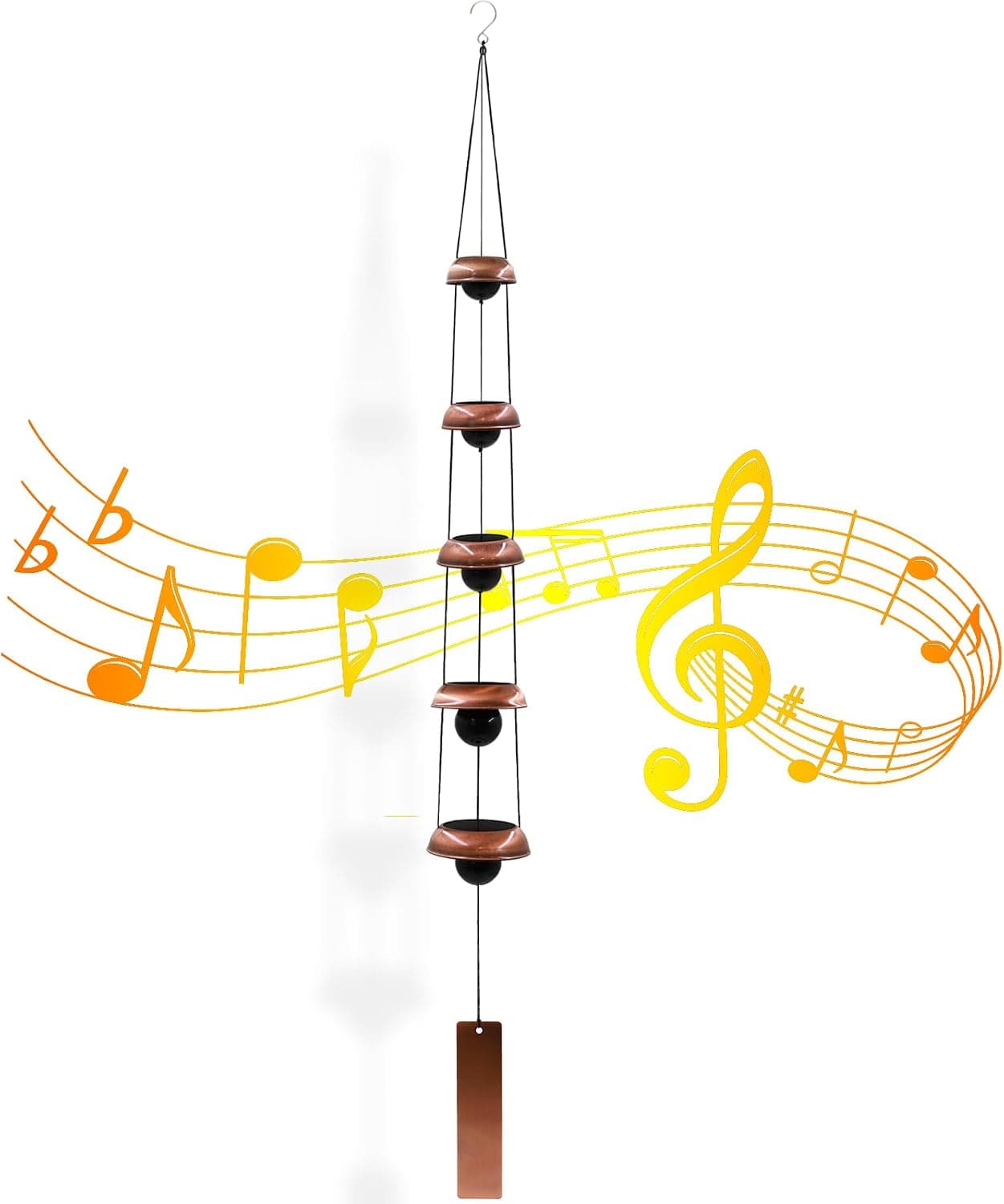
-19%Wind Chimes for Outside with 5 Bell Unique Copper Musical Chimes Feng Shui Wi...
 -5%
-5%YU FENG Evil Eye Money Tree, Blue Feng Shui Decor with Golden Buddha
 -29%
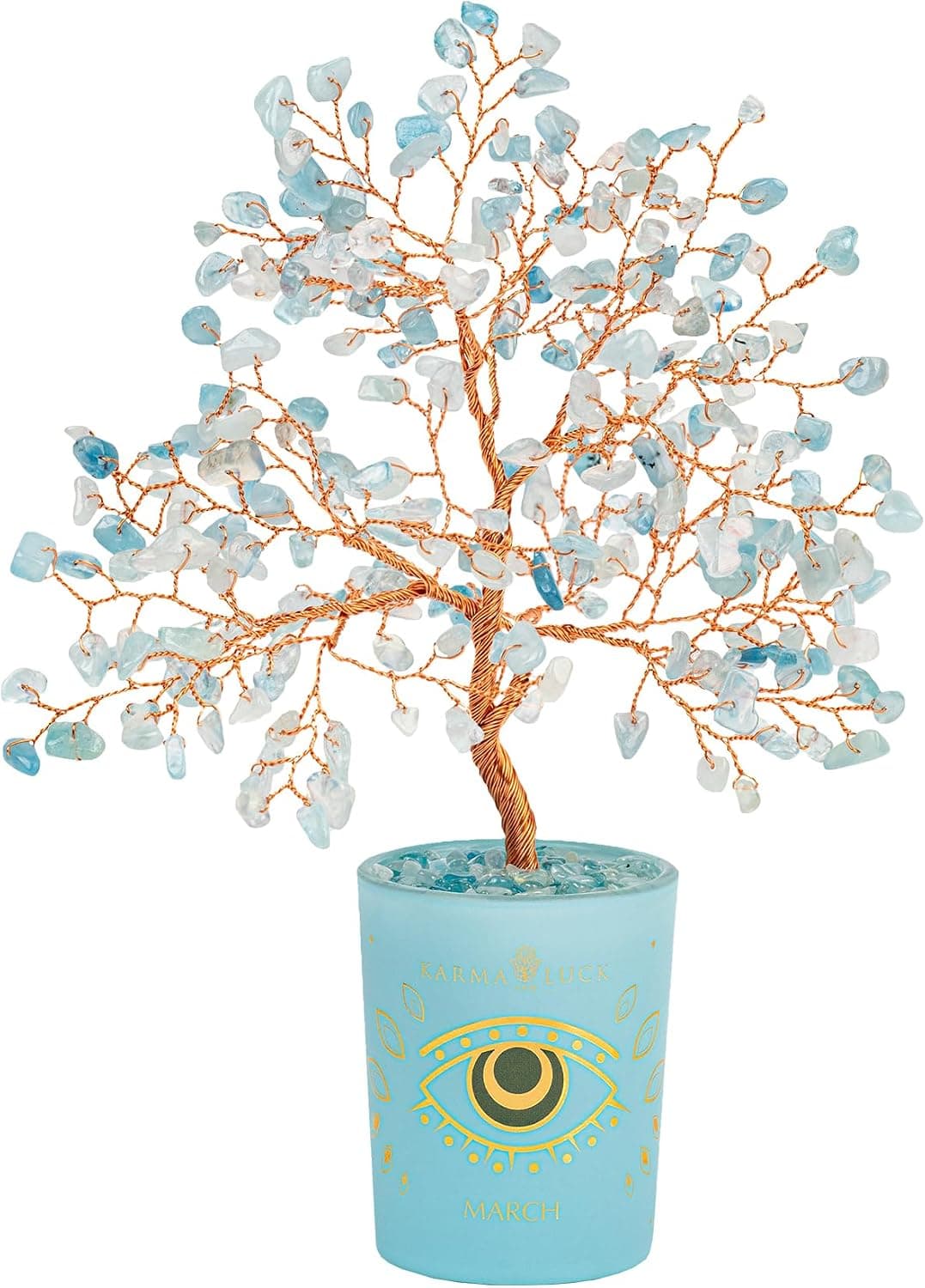
-29%Karma and Luck March Birthstone Crystal Tree of Life, Aquamarine Gemstone Fen...
 -29%
-29%Karma and Luck July Birthstone Crystal Tree of Life, Ruby Gemstone Feng Shui ...
As an Amazon Associate, we earn from qualifying purchases. We only recommend items our practitioners have personally tested.
Continue Your Journey
Explore these related guides to deepen your understanding:


Ready for Deeper Guidance?
Try our free I Ching reading for personalized wisdom, or explore our curated Feng Shui essentials.