New crystals can still drag a room down if you buy the wrong stone, place it badly, or trust fake sparkle over real energy.
You did everything right. New crystals, a Bagua map on the wall, and still the room felt off.
I’ve walked into homes where the shelf glittered with points, towers, and polished hearts, yet the space felt oddly tired. The owner had followed a fake vs real feng shui crystals guide from a social post, bought three “wealth stones,” and then wondered why sleep got lighter, arguments got sharper, and money decisions felt strangely foggy.
The problem usually is not effort. It’s mismatch. A crystal can be beautiful, even expensive, and still do the wrong job in your home.
If you want the room to change, you need better judgment, not more sparkle. That starts with learning how to separate decoration from substance, and it’s why I always send people to a real amethyst reference before they buy another purple stone.
Mistake 1: Buying by color alone
People see purple, pink, or white and assume the crystal must carry the right feng shui message. That feels right because color is visible, immediate, and easy to match to a room palette. But color alone can be a trap: dyed glass, heat-treated stone, and cheap resin can look perfect while doing nothing useful for the qi in the room.
I once visited a teacher’s apartment in Queens where three bright “amethyst” geodes sat on a navy console in the living room. They were stunning. They were also tinted glass. Her sleep improved only after we replaced them with a smaller but authentic piece and moved the old decor out of the bedroom line of sight. The consequence was clear: sleep disruption, plus a subtle sense of agitation every night.
Real feng shui work starts with substance. If you are unsure, compare the stone to an authentic clear quartz reference and look for natural irregularities, not showroom perfection.
Mistake 2: Putting crystals everywhere because “more energy” sounds better
One crystal on a bedside table. Fine. Seven crystals on the dresser, two on the windowsill, one in the shoe cabinet, and another near the stove? That feels like you’re amplifying the house.
What actually happens is different. Too many objects create visual noise, and visual noise becomes energetic noise. In a bedroom, that often shows up as restless sleep, tension between partners, and the strange feeling that the room never truly shuts off. In a wealth area, overload can feel like stagnant wealth qi rather than abundance.
Less clutter is not a minimalist slogan here. It is a functional principle. If you’re mapping a room, the placement guide for room-by-room use matters more than piling on another cluster.
Mistake 3: Choosing fake stones because they are “more affordable”
Affordability feels practical, and sometimes people do not need rare collector-grade material. Fair enough. But fake stones can be worse than neutral. Resin spheres, painted quartz lookalikes, and plastic “crystal trees” often carry a cheap, deadened presence that makes the room feel unfinished rather than supported.
I saw this in a retiree’s guest room in Pasadena. She had a glossy pink “rose quartz” heart on a white lacquer tray next to a humidifier and lavender lamp. It looked sweet. Her daughter kept sleeping badly there, waking at 3 a.m. with a tight chest. When we swapped in a genuine stone and removed the fake piece from the bedside area, the room felt softer within days. The consequence was relationship tension, because the daughter began avoiding overnight visits.
Cheap is not always fake, and expensive is not always real. But if you are comparing options, the recommended authentic crystals list is a better starting point than a bargain bin full of polished impostors.
Mistake 4: Treating every crystal as if it belongs in the same sector
This one surprises people. A stone can be real and still be in the wrong place. They buy with good intentions, then park a strong, active crystal in the bedroom because they heard it “raises energy.”
That is exactly how sleep gets wrecked. A sharp point near the bed, especially on a small nightstand, can feel mentally activating. The body may not name it as anxiety, but it acts like it: lighter sleep, vivid dreams, waking too early, and a sense that the room is pressing in. If you need a map for room-specific logic, the bedroom approach that reduces overstimulation is worth reading before you place anything beside your pillow.
Placement changes the outcome faster than buying does.
Mistake 5: Ignoring the front door and then wondering why opportunities stall
Many people keep their “money crystal” hidden in a drawer or buried on a shelf in a back room. It feels private. It also cuts the symbol off from the entry flow where new qi actually arrives.
When the front door area is neglected, the home can feel slightly underfed. I’ve seen this show up as delayed payments, missed callbacks, and a general sense that nothing quite lands. A crystal that’s meant to support opportunity needs to be placed where movement begins, not where dust settles. If your entry feels chaotic, the front door feng shui basics will help more than another stone in the far corner.
That is the part people resist. They want a lucky object. They do not want the discipline of good placement.
Mistake 6: Using flashy fake crystals to “fix” a weak wealth area
People love a shortcut here. They buy a dramatic cluster, maybe gold-painted, maybe oversized, and they drop it into the southeast corner expecting money to rise. It feels right because wealth should look rich, right? That is exactly where the mistake starts.
An overdecorated wealth corner often becomes stagnant wealth qi. Instead of attracting opportunity, it can sit like a display case: pretty, static, and disconnected from actual movement in the house. I worked with an architect in Brooklyn who had a huge faceted display crystal on a shelf next to unopened mail and a dead plant. Her invoices were late for months. We cleared the shelf, replaced the fake display with a smaller authentic stone, and linked the corner to practical action. Within six weeks, her cash flow improved because the space stopped broadcasting confusion.
If wealth is the real issue, start with the broader system and read the page on items that actually support abundance.
What to do instead
Begin with honesty. Hold the stone, look at the room, and ask a blunt question: does this object support the way the space is supposed to function? A beautiful fake may decorate a shelf. A real crystal, placed badly, can still cause friction. Both matter. Neither gets a free pass.
Then simplify. Use fewer pieces. Choose authentic materials when the purpose is energetic support. Place them in line with the room’s job: rest in the bedroom, welcome at the entry, movement in the living area, and clear purpose in the wealth area. If you want a broader framework, the crystal selection guide for home use will help you match stone to intention instead of chasing trends.
That is what actually works. Not more sparkle. Better fit.
FAQ
Can fake crystals still be decorative in feng shui? They can, if you treat them as decor and not as an energetic tool. The trouble starts when people expect a plastic or dyed object to do the work of a real stone. Decoration can be fine; confusion is what causes the problem.
How can I tell if a crystal is real without being an expert? Start with texture, internal variation, weight, and price that makes sense for the material. A stone that looks too uniform, too glossy, or suspiciously cheap usually deserves a second look. If you’re unsure, compare it with a trusted reference and avoid buying based on photos alone.
Should I keep crystals in the bedroom? Some belong there, but not every stone and not every shape. Calm, soft, and visually quiet pieces tend to work better than pointed or highly activating ones. The bedroom should support rest first.
Do I need many crystals to improve a home? No. A single well-chosen stone placed correctly can do more than a shelf full of random pieces. The surprising part is that restraint often creates stronger results because the room can breathe.
Mei Chen
Traditionally informed guidance • Cross-referenced with classical Chinese source texts
Content draws from both Compass (Luopan) and Form (Xingshi) school traditions. Illustrative examples are composites based on consultation experiences.
Practitioner-Selected Tools for This Topic
Items our team has tested and found effective for the principles discussed above. Individual results may vary.
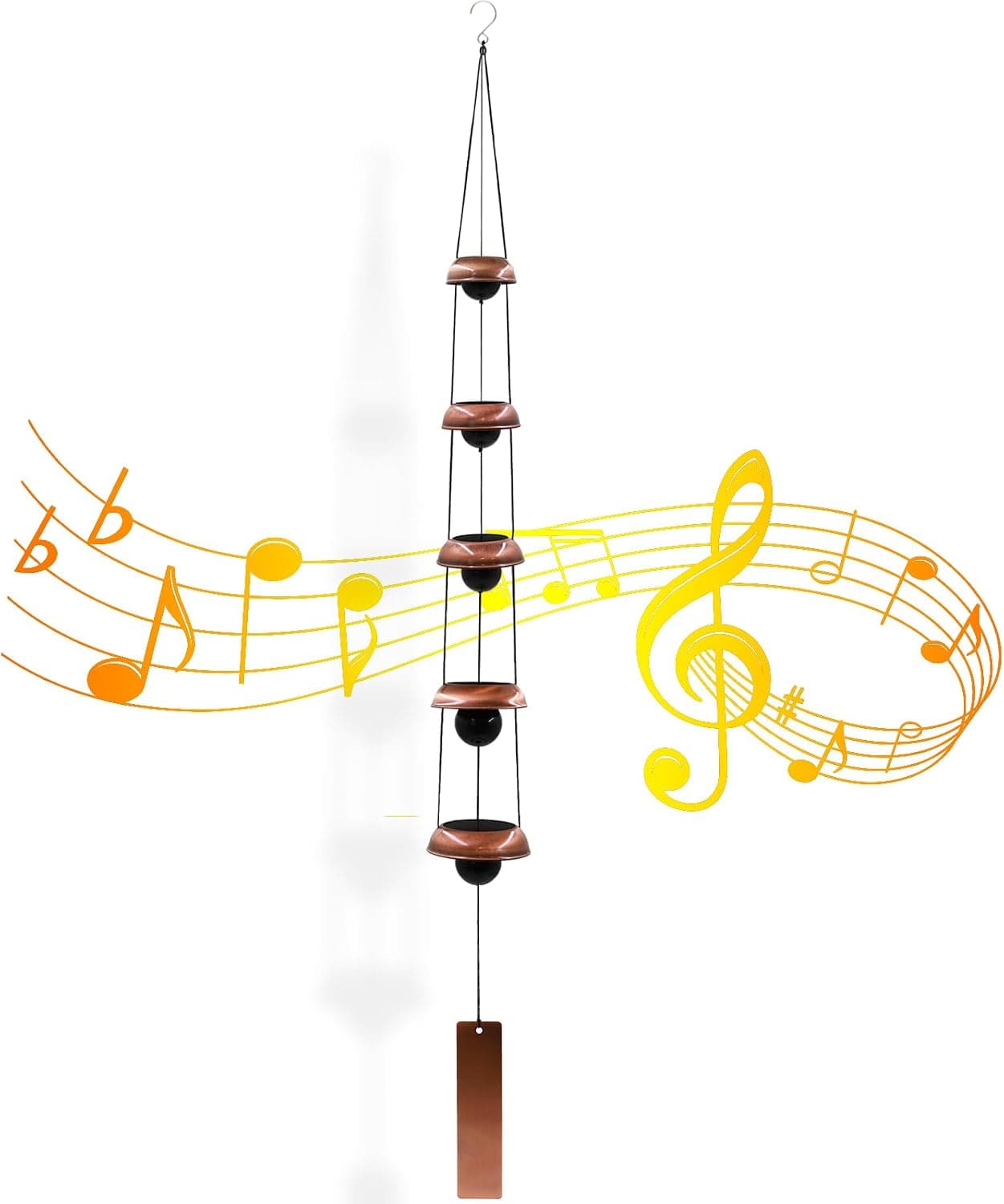 -19%
-19%Wind Chimes for Outside with 5 Bell Unique Copper Musical Chimes Feng Shui Wi...
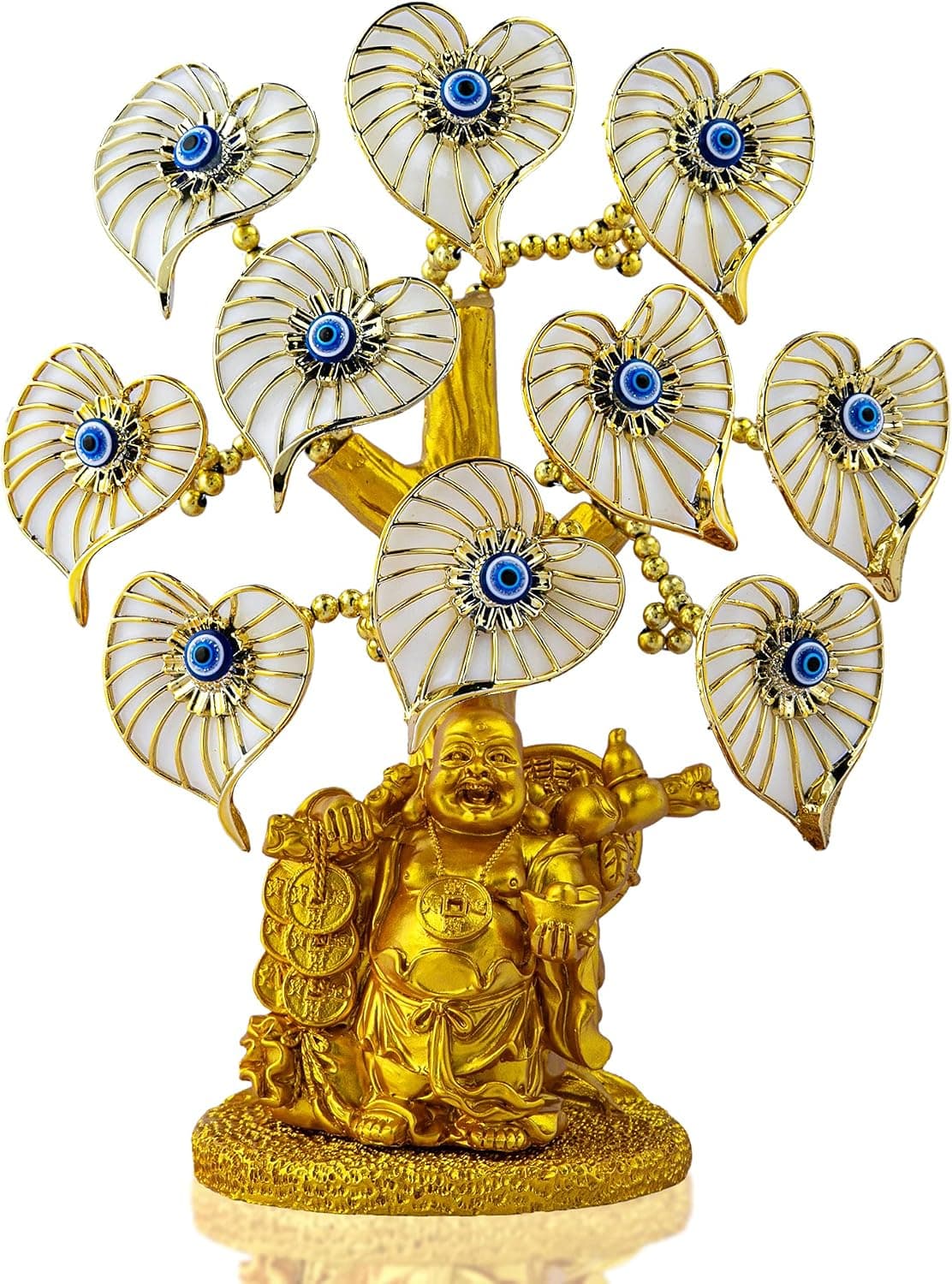 -5%
-5%YU FENG Evil Eye Money Tree, Blue Feng Shui Decor with Golden Buddha
 -29%
-29%Karma and Luck March Birthstone Crystal Tree of Life, Aquamarine Gemstone Fen...
 -29%
-29%Karma and Luck July Birthstone Crystal Tree of Life, Ruby Gemstone Feng Shui ...
As an Amazon Associate, we earn from qualifying purchases. We only recommend items our practitioners have personally tested.
Continue Your Journey
Explore these related guides to deepen your understanding:


Ready for Deeper Guidance?
Try our free I Ching reading for personalized wisdom, or explore our curated Feng Shui essentials.