A small mirror across from the table can steady a room—or double the wrong pattern and make meals feel tense.
The Hidden Truth About dining-room-mistakes feng shui
People place a mirror across from the table, expecting expansion, then wonder why dinner feels louder, not calmer. I’ve seen this in a narrow dining room with dove-gray walls, a walnut table, and one gilt mirror hanging exactly opposite the head chair; the family started eating faster, talking over one another, and leaving plates half-finished. That wasn’t random. The mirror was doing its job too well.
The mistake begins with reflection geometry. A mirror does not just “decorate” a dining room; it doubles whatever it faces, and that means it can amplify abundance, clutter, conflict, or warmth depending on the angle. Straight-on placement sends a clean visual echo back to the table, so the room feels larger and food more present. Turn the mirror slightly, though, and it starts catching side traffic, a sink full of dishes, a doorway, or the sharp edge of a hallway, which breaks the meal into fragments.
That is why common advice fails. It treats every reflective surface as if it were a symbol instead of a device. A mirror facing the table can support the room because it returns the image of a full spread, but one angled toward a passage can keep the nervous system alert; you are eating while watching movement, and the body never fully settles into digestion. For deeper room mapping, the bagua map helps, but only if you pair it with the actual line of sight, which is where a lot of people get lost: how to map energy in your home without overthinking it.
Here is the part people miss: reversal and amplification are not opposites. They are siblings. A mirror facing the dining table can reverse the room’s feeling from sparse to generous, yet the same mirror, shifted a few degrees toward the doorway, can amplify haste because every passing figure becomes part of the meal.
How the Angle Changes the Room’s Behavior
The mechanism is simple once you look at it in steps. First, the eye takes in the table and mirror at the same time, which creates a loop; second, the loop either closes on the meal itself or leaks into the rest of the house; third, the body reacts to that loop by softening or bracing. In feng shui terms, the dining room should gather qi, not scatter it. Reflection helps when it consolidates the scene; it hurts when it keeps the room in motion. That is why I treat the mirror like a valve, not a picture frame.
Face the mirror toward the table if the room feels cramped, underlit, or strangely undersupplied. A rectangular mirror centered on a side wall, about chest height, can double the image of fruit, candles, and a properly set place, which gives the room a fuller visual register. But keep the reflected image clean. If the mirror shows a radiator, a trash bin, or the edge of the kitchen prep counter, it will carry that clutter back into the meal and flatten appetite. The surface itself is not the issue; the reflected content is.
That surprise bothers people because they assume symbolism is enough. It isn’t. A mirror in the wrong diagonal can turn a dining room into a corridor of restlessness, especially if it catches the front door or a stair landing. In a brick townhouse dining nook I once observed, the mirror was hung at a shallow angle toward the hall, and every time someone passed with keys or a coat, the family members visibly shortened their conversations. Once the angle was corrected, shoulders dropped. The room stopped acting like an intersection.
Want the test? Sit where the host usually sits and look up. If the mirror returns the table and only the table, the geometry is likely helping. If it returns movement from another room, you are not holding the meal in place. You are leaking it.
What to Adjust Before You Buy Another Cure
Start with the reflection, not the object count. A dining room already has enough activity: plates, glassware, chairs being moved, children reaching across the table, someone standing up for more water. Add a mirror that catches the kitchen or the passage to the stairs, and you’ve invited extra motion into a space that should be compressing it. Better to place the mirror where it reflects the longest side of the table or a bowl of fruit than where it grabs a doorway in mid-swing.
Then check height. Too high, and it reflects ceiling glare and pendant light, which can make the room feel hard-edged. Too low, and it mostly sees chair backs and feet, which drags the mood downward. A good position is usually centered so the mirror reads the meal, not the mechanics of the room. If the table sits six feet from the west wall, place the mirror so its middle lands roughly at eye level when seated, not when standing; that keeps the visual loop human-sized.
One more thing: avoid letting the mirror reflect broken food arrangements. An empty centerpiece, a stack of unopened mail on the buffet, or a single cold lamp in a corner can become the dominant image. The eye accepts the reflection as a cue. So does the room. This is why some homes feel generous at breakfast and oddly stingy by dinner; by evening, the mirror is bouncing back the day’s leftovers, not the day’s meal.
Some people try to fix this with crystals, red accents, or louder table settings. That can help, but only after the geometry is cleaned up. If the reflection keeps pointing at disorder, you’ll decorate over the symptom. If you want a deeper read on another room where placement alters the whole pattern, see bedroom rules that affect both sleep and relationships. The same principle applies there: the angle decides whether a feature supports rest or keeps the body on alert.
And yes, there are common mistakes. A mirror that faces a sink full of dishes; a glass surface that reflects the front door; a dining chair jammed beneath a sharp beam; a buffet stacked with paperwork; a pendant light hanging so low that the reflection chops the table in half. Any one of those can disturb the room’s rhythm. If the room also shares a wall with the kitchen knives, that edge matters too, because reflective energy plus sharp objects makes the whole area feel more brittle than it should. For that specific problem, the placement logic in kitchen knives carry more energy than you'd think — here's why placement matters is worth reading.
Why One Client-Like Scenario Backfired
Picture a dining room with cream trim, one narrow sideboard, and a mirror mounted above it. The homeowner followed every online rule: mirror in the dining room, good. Mirror reflecting the table, even better. Yet the meals felt tense. The reason was hidden in the angle. The mirror faced the far chair, but that chair sat directly in the line of the hallway, so the glass caught movement from the corridor every time someone passed. The table looked complete, but the room itself never stopped scanning. The result was not abundance. It was vigilance.
Once the mirror was rotated just enough to reflect the centerpiece and the near half of the table, the room changed. Nothing dramatic. No incense clouds, no theatrical makeover. Dinner simply got slower. The spoons stopped clinking so fast. A teenage son, who had been leaving the room after two bites, stayed for the fruit course. That is the kind of change worth paying attention to, because it reveals the mechanism underneath the symbol.
One sentence can save you hours: if the reflection includes motion, you are feeding motion.
Good Mirror Geometry Versus Bad Mirror Geometry
Think in terms of closed versus open loops. A closed loop returns the table to itself, so the room feels gathered and contained. An open loop reaches into another zone, especially a corridor, stairwell, kitchen entry, or the front door line, and that makes the dining space act like a relay station. Meals become interruptions. Conversation becomes half-formed. Even the smell of food can seem to disappear faster because the room no longer feels like a destination.
To improve the loop, use a mirror with a clean edge and no distracting frame if the dining area is small; in a larger room, a frame can help anchor the reflection so it feels deliberate rather than accidental. Avoid mirrored furniture that reflects chair legs and floor clutter from low angles. And if you are dealing with a split dining-living space, the same logic used in the L-shaped apartment problem that quietly breaks feng shui will help you see why one angle steadies the room while another fragments it.
Some readers ask whether a mirror should ever face the table directly. Yes, but only when the table scene itself is worth doubling. A beautiful spread, a stable centerpiece, and a calm wall behind the host can all benefit. What should never be doubled without scrutiny is a view of bad traffic, a cluttered buffet, or a hallway with a strong draft. The mirror will not politely ignore those things. It will magnify them.
And here is a quiet correction to a popular belief: not every reflective surface wants to “expand” a room. Sometimes expansion is the wrong goal. A dining room needs containment first, then generosity. Too much openness and the meal dissolves into the rest of the house. Too much reflection and you get a room that seems busy but never settles. The sweet spot sits in the middle, where the table is echoed but not exposed.
Common Mistakes People Keep Repeating
Many homeowners hang a mirror because the wall looks empty. That feels sensible, because blank walls can seem unfinished. Yet an empty wall is often better than a bad reflection. The problem is not visual plainness; it is the wrong image bouncing back at the people who eat there. A mirror above the buffet that catches a cluttered counter can make a neat room feel messy within seconds.
Another familiar mistake is placing the mirror too close to the light fixture. The room then flashes at dinner, and the glass becomes a source of glare instead of balance. If you’ve ever seen guests squint and shift in their chairs without knowing why, this is often the reason. The eye tires first. The mood follows.
People also copy mirror rules from wealth corners and apply them to the dining room as if the spaces behave the same way. They do not. The dining room handles shared nourishment, not solitary accumulation. That difference matters. If you want to understand how money-related symbolism changes when the room changes, the logic in the threshold problem behind wealth corner mistakes shows why one cure can help in one area and backfire in another.
Another one-sentence correction: a mirror does not fix a bad layout by itself.
FAQ
Is conventional dining-room-mistakes feng shui advice reliable?
Often, no. Standard advice usually stops at “place a mirror here,” but it skips the line of sight and the reflected content, which are the real controls. A mirror can help one dining room and disturb another depending on what it doubles.
Should a mirror always face the dining table?
Not always. If the table scene is clean and calm, a direct reflection can support the room; if the mirror also catches a hallway, sink, or doorway, it tends to scatter attention. The angle matters more than the slogan.
What if my dining room is tiny and the mirror makes it feel crowded?
Then the mirror is probably too large, too low, or reflecting too much movement. Try narrowing the reflected field so it only captures the tabletop and a stable wall. Small rooms need precision, not drama.
Can I use two mirrors in one dining space?
Rarely, and only if the room is large enough to absorb the extra activity. Two reflections can split attention, especially if they face each other or bounce light between the kitchen and the table. A single well-placed mirror usually does more.
What’s the fastest way to test whether the angle is wrong?
Eat one meal with the mirror covered by a cloth, then another meal uncovered. The difference is often immediate: conversation length, pace of eating, and how long people stay seated tell you more than theory ever will. Watch the room, not the label on the decor.
Some evenings the glass will catch the candle, the bowl of pears, and the edge of a chair all at once, and the room will feel complete for a moment. Then a person walks through the reflected doorway, and the whole scene shifts again. Which version of the room do you want to keep feeding?
Mei Chen
Traditionally informed guidance • Cross-referenced with classical Chinese source texts
Content draws from both Compass (Luopan) and Form (Xingshi) school traditions. Illustrative examples are composites based on consultation experiences.
Practitioner-Selected Tools for This Topic
Items our team has tested and found effective for the principles discussed above. Individual results may vary.
 -19%
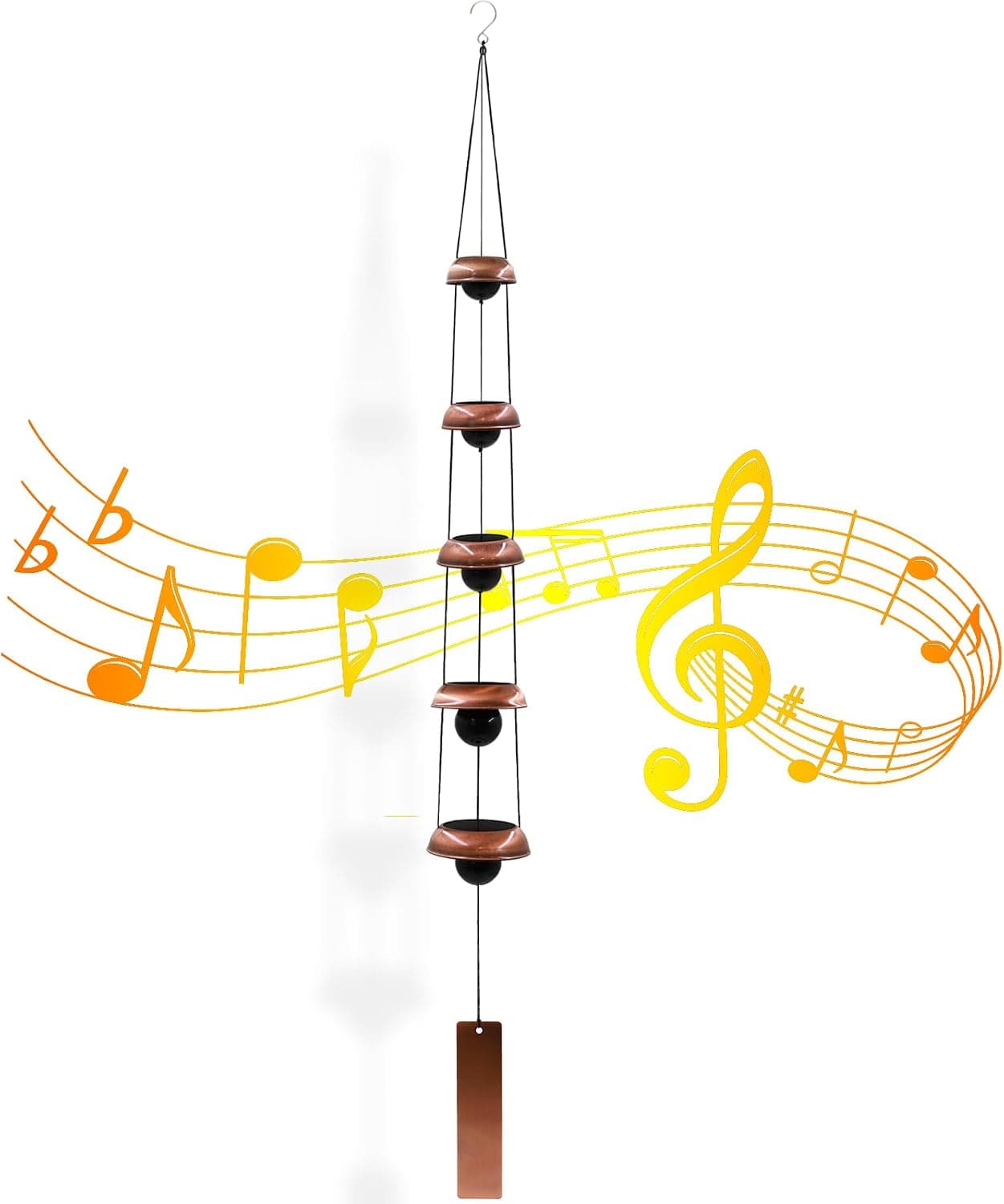
-19%Wind Chimes for Outside with 5 Bell Unique Copper Musical Chimes Feng Shui Wi...
 -5%
-5%YU FENG Evil Eye Money Tree, Blue Feng Shui Decor with Golden Buddha
 -29%
-29%Karma and Luck March Birthstone Crystal Tree of Life, Aquamarine Gemstone Fen...
 -29%
-29%Karma and Luck July Birthstone Crystal Tree of Life, Ruby Gemstone Feng Shui ...
As an Amazon Associate, we earn from qualifying purchases. We only recommend items our practitioners have personally tested.
Continue Your Journey
Explore these related guides to deepen your understanding:


Ready for Deeper Guidance?
Try our free I Ching reading for personalized wisdom, or explore our curated Feng Shui essentials.