Confucianism is not etiquette for polite people; it is a system for shaping trust through repeated forms, from the doorway to the dinner table.
Li at the Doorway: Confucianism Looks Smaller Than It Is
If you only see rules, you missed the room. The first thing Confucianism changes is not belief; it changes how people enter, pause, sit, speak, and yield space. That is why it often looks flat in Western summaries. It gets translated into manners, then dismissed as manners.
In a narrow apartment, that difference is easy to feel. A hallway that forces shoulder-to-shoulder movement, a table pushed against the wall, a single chair that always becomes the “important” seat—these details quietly teach rank, timing, and deference before anyone says a word. Confucian ethics works the same way. It is architectural before it is argumentative.
I've seen a small dining room do more moral teaching than a lecture ever could. There was a round table with a red runner, a serving bowl placed dead center, and the eldest person always invited to lift chopsticks first. Nothing theatrical happened. Yet the whole meal had a rhythm: pour, wait, serve, acknowledge, continue. That rhythm is not decoration. It is the practice.
Western readers often imagine Daoism as the quiet Chinese philosophy and Confucianism as the rigid one. That split is too neat. In real life, both traditions care about order; they simply ask different questions about it. Confucianism asks how a person becomes trustworthy inside relationship. The answer is not abstract freedom. It is cultivated conduct.
Why Translation Shrinks ren, li, and xiao
Three words do a lot of damage when they are translated too quickly: ren, li, and xiao. Ren becomes “benevolence,” which sounds pleasant but thin. Li becomes “ritual,” which Western ears often hear as empty formality. Xiao becomes “filial piety,” which can sound like blind obedience. Each translation catches part of the meaning and drops the rest.
Ren is not being nice. It is humane responsiveness under pressure. Li is not performative politeness. It is the pattern that lets people know what to do when emotion would otherwise make the room chaotic. Xiao is not sentimental family loyalty. It is disciplined care across generations, including the difficult parts: remembering, tending, yielding, and sometimes resisting with respect.
The distortion persists because English tends to separate inner virtue from outer form. If you say a person is kind, the conversation moves to motive. In Confucian thought, motive and form are braided together. Repetition shapes feeling, and feeling shapes identity. That is why a bowed head, a seated order, or a measured greeting matter. They train the nervous system.
Modern readers also miss the social scale. Confucianism was never only a private philosophy for self-improvement. It was a way of organizing family, school, court, and public conduct. That is why it can feel oddly relevant in offices, classrooms, and households today. Not because everyone should become formal. Because every group already has a moral architecture, whether it admits it or not.
The House Plan Hidden Inside Confucian Ethics
Think of Confucian ethics as a house plan. The walls matter, but so do thresholds, circulation, and where light falls. A well-designed building tells you where to pause, where to speak softly, and where to move with confidence. Confucianism does the same for social life. It places responsibility in clear pathways.
Thresholds are especially important. A doorway is not just an opening; it is a change of role. In a family home, the person arriving from outside does not burst directly into the center of life. They pause. They are received. The host adjusts. That pause may look small, but it teaches everyone that relationships have edges, and edges deserve attention.
Light also carries meaning. Bright public rooms invite visibility, while softer interiors encourage restraint and intimacy. In Confucian settings, this is not merely aesthetic. Public speech should be clear and accountable. Private speech can be more careful, more layered, more protective. That distinction keeps people from overexposing what should be held with tact.
Hierarchy is where Western readers usually tense up. They hear control. But in Confucian practice, hierarchy often functions as responsibility moving in a defined direction. The older person owes guidance. The younger person owes attentiveness. The manager owes clarity. The employee owes seriousness. Rank without duty is corruption. Rank with duty can reduce anxiety because everyone knows who carries what.
This is why design language helps. A building with no circulation plan creates collisions. A family with no relational sequence creates collisions too. People interrupt, compete, perform, and resent. Confucianism tries to prevent that by giving social movement a shape. The shape is not a cage. It is a usable order.
Ritual Is Daily Design, Not Empty Formality
Ritual is where Confucianism becomes visible. And no, ritual does not mean ornate ceremony only. It begins with the sound of tea being poured before everyone speaks. It continues in who is seated near the door, who is given the first portion, and who waits before reaching across the table. These forms seem ordinary. That is exactly why they work.
Ritual reduces social friction because people do not have to invent respect from scratch every time they meet.
At a family meal, the order matters more than Western casualness admits. The eldest may sit facing the room; guests may be placed where they can be welcomed without confusion; serving may begin with the honored person before others follow. The food itself is not the lesson. The sequence is the lesson. It tells the body, “You are in relationship now.”
One apartment dining nook shows this clearly. A square table sat under a warm pendant lamp. The host had placed a blue ceramic bowl of rice at the center, a green tea pot near the right edge, and two chairs closer to the window for older relatives. No one announced the arrangement, yet everyone immediately slowed down. The room asked for composure. The arrangement made it easy to give it.
That same logic appears in grief. At a funeral home or ancestral hall, repeated gestures, folded paper offerings, muted incense smoke, and formal clothing do something Western sensibility often underestimates: they hold emotion inside structure so it does not spill everywhere. The quiet cadence of speech, the pause before entering the room, the careful placement of offerings—these are not empty repetitions. They keep sorrow from becoming social chaos. They also keep memory from evaporating into vague feeling.
And that is the deeper point. Ritual does not suppress emotion. It gives emotion a channel. That is why the formal can feel unexpectedly humane.
The Junzi at Work, at Home, and in Public Life
The junzi is often flattened into “the noble person,” which sounds aristocratic and vague. Better to think of it as the person whose conduct is reliable under pressure. Not flashy. Not self-protective. Reliable. The junzi does not win by dominating a room. The junzi steadies a room.
In the office, that can look very modern. A manager opens a meeting by listening first, not because hierarchy vanished, but because hierarchy now carries responsibility for the quality of the conversation. The manager allows dissent, but does not turn disagreement into humiliation. The junior staff member speaks with care, not fear. Everyone knows the goal is not personal performance. It is shared clarity.
That style is often misread in the West as evasive or weak. Sometimes it is. But sometimes it is calibrated speech: precise, restrained, and directed at preserving trust without avoiding accountability. Confucianism is not asking people to swallow the truth. It is asking them to deliver the truth in a form the relationship can survive.
At home, the same principle changes ordinary conflict. A teenager is not treated as a rival adult, and a parent is not treated as a tyrant by default. Each role carries obligations. That does not eliminate tension. It makes tension legible. When roles are clear, people can argue about behavior without having to destroy the structure that holds the family together.
For readers in studios or rented apartments, this still applies. You may not have a grand entry hall, but you do have thresholds. The line between the front door and the sofa. The chair that receives guests. The shelf that holds family photos or letters. A single lamp can turn one corner into a receiving space and another into a private one. Confucianism lives in those distinctions because it has always understood that spaces teach habits.
Gender is where the tradition needs honesty. Confucian systems have often supported patriarchy, and Western romanticizing should not hide that. Yet the tradition is not exhausted by its worst historical uses. Many modern readers, especially in East Asia and the diaspora, have reworked Confucian ideas to support education, mutual duty, and family care without accepting old exclusions. Traditions survive by being argued with.
Where Western Adoption Misses the Point
Western adoption often turns Confucianism into three bad shortcuts: polite behavior, family hierarchy, and ancient wisdom. That is too small. It removes the social mechanics and keeps only the costume. It also ignores how different societies have adapted the tradition. Korea, Japan, Vietnam, and Singapore each carried Confucian ideas into local institutions, producing distinct patterns in education, governance, elder respect, and workplace conduct.
The bigger mistake is treating it as a museum piece. Confucianism still surfaces in contemporary life through mentorship, exam culture, boardroom etiquette, ancestral rites, and debates about duty to community. New Confucian thinkers have also tried to rebuild the tradition in modern terms, especially where urban life and democratic pressure force old forms to justify themselves. That revival is not nostalgia. It is repair.
When people reduce the tradition to “being nice,” they miss the harder question: who is responsible for what, and how do repeated forms make that responsibility livable? That question matters in a small apartment as much as in a government office. It matters when three people share a kitchen. It matters when a family meal becomes a weekly negotiation of care. It matters when a team meeting needs order without domination.
So the practical correction is simple. Do not ask whether the room looks traditional. Ask whether it guides behavior well. Does the seating invite attention without forcing performance? Does the lighting support the right kind of speech? Does the doorway create a clean threshold between public and private roles? If it does, the room is already teaching something Confucian, whether anyone uses the word or not.
For a related lens on how moral order starts with balance and visible patterns, see how yin and yang show up in everyday life. The overlap is real, but the emphasis differs: one tradition tracks relational duty and ritual form more than spontaneous flow.
How to Practice It in a Small Home
Start with the entrance. Clear the doorway. Give people a place to pause before they enter the main room. A small bench, a shoe tray, even a narrow table with one lamp can turn a cramped entry into a respectful threshold. That pause changes the tone of every interaction that follows.
Then assign the room. A seat for guests. A seat for the elder or primary host. A place where conversation begins. You do not need a formal dining room to do this. You need clarity. In design terms, that means circulation that is easy to read and objects that do not compete for attention. A symmetrical arrangement often helps because it calms the eye and lowers social noise.
Next, practice sequence at meals. Let one person speak first, and make that person consistent when possible. Serve with care, not frenzy. If you live with family, rotate the honor of pouring tea or setting the table. Small repetitions teach reciprocity better than speeches do. The body learns what the mind keeps forgetting.
Use speech as ritual too. Begin difficult conversations with context. Name the relationship. Name the issue. Avoid the modern habit of firing opinions like arrows. Confucianism rewards calibrated speech because it asks you to protect the bond while correcting the behavior. That is not softness. It is discipline.
Finally, bring reverence into memory. If you honor ancestors, keep a small, orderly space with photos, flowers, or simple objects that are maintained with care. If you do not practice ancestor rites, you can still mark remembrance by keeping family records, preserving letters, or setting aside a quiet annual meal. The point is continuity. People need forms that tell them where they come from.
And if you want the philosophical frame behind this practical order, the Tao Te Ching offers a useful contrast in emphasis: less role, more naturalness. Put them side by side and the difference becomes sharper, not weaker.
Confucianism survives when it stops being a label and starts becoming a way of arranging life. That is the part Western readers often miss. Not the ancestor altar alone. Not the virtue list alone. The whole lived system—thresholds, roles, gestures, and timing—repeated until respect becomes habit.
FAQ
Is Confucianism a religion or a philosophy?
It can function as both, depending on context. In many households and institutions, it behaves less like a creed and more like an ethical and ritual framework for ordering relationships.
How is Confucianism different from simple manners?
Manners are social polish. Confucian practice is deeper: it connects behavior to responsibility, family continuity, education, and public trust, so the form carries moral weight.
Can Confucian ideas work in a modern apartment or office?
Surprisingly, yes. A clear entryway, deliberate seating, orderly meals, and respectful meeting structure are all modern ways to preserve the same logic without copying old architecture.
David Liu
Traditionally informed guidance • Cross-referenced with classical Chinese source texts
Rooted in classical Chinese metaphysics and cross-referenced with original texts. Product recommendations are based on traditional symbolism, not guaranteed outcomes.
Practitioner-Selected Tools for This Topic
Items our team has tested and found effective for the principles discussed above. Individual results may vary.
 -29%
-29%Karma and Luck March Birthstone Crystal Tree of Life, Aquamarine Gemstone Fen...
 -29%
-29%Karma and Luck July Birthstone Crystal Tree of Life, Ruby Gemstone Feng Shui ...
 -29%
-29%Karma and Luck February Birthstone Crystal Tree of Life, Amethyst Gemstone Fe...
 -50%
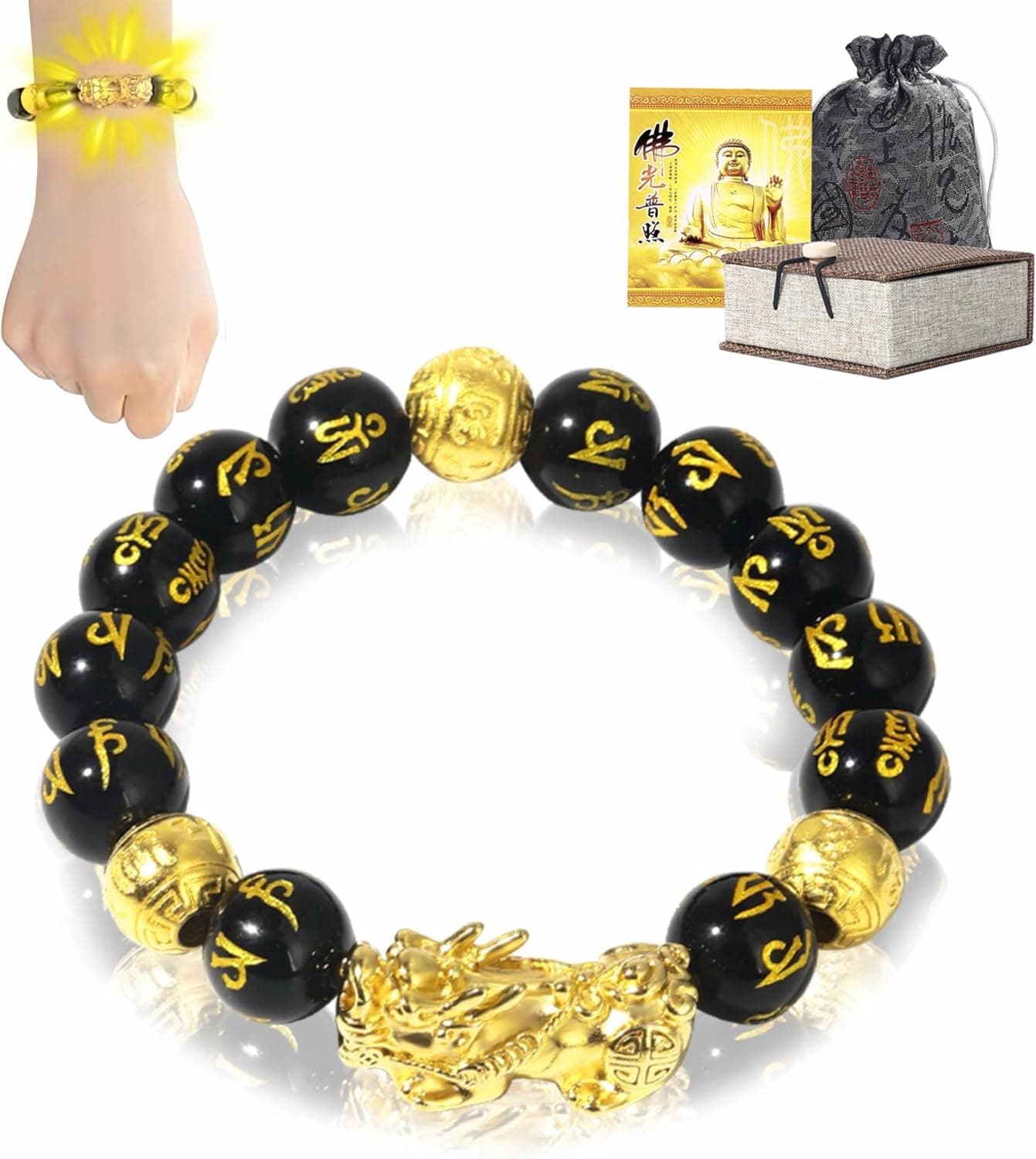
-50%biuufish Feng Shui Black Obsidian Bracelet for Men Women, 24K Gold Plated Pix...
As an Amazon Associate, we earn from qualifying purchases. We only recommend items our practitioners have personally tested.
Continue Your Journey
Explore these related guides to deepen your understanding:

Ready for Deeper Guidance?
Try our free I Ching reading for personalized wisdom, or explore our curated Feng Shui essentials.