
Most people place clear quartz wherever it looks pretty. That's exactly why it isn't working.
The Stone That Does Too Much (When Placed Without Intention)
Clear quartz is probably the most over-purchased and under-utilized crystal in feng shui practice. People pick it up at a market, set it on a windowsill because it catches the light beautifully, and then wonder why nothing feels different. The stone itself isn't the problem. Placement without purpose is. Learn more about Five Elements Theory: Why Your Feng Shui Still Feels Off (Even When You Did Everything “Right”.
Here's what most beginner guides skip: clear quartz doesn't carry a fixed elemental energy the way, say, black tourmaline or citrine does. It amplifies whatever energy already exists in a space. That's its primary function. Put it in a room that already hums with clarity and productivity, and it strengthens that. Put it in a cluttered, stagnant corner and you've just turned up the volume on chaos. Location isn't just important with this crystal. It's everything.
How the Bagua Shapes Your Placement Decision
Before you move a single stone, you need to know which area of your home you're targeting. If you haven't already mapped your floor plan using the classical octagonal overlay, that foundational step matters more than the crystal itself. Understanding how to map energy in your home with the Bagua will save you months of trial and error and tell you exactly which life area needs amplification right now.
Once you have that map, clear quartz becomes a precision tool rather than a decorative afterthought. Each gua has a different need, and clear quartz can serve several of them, but not all equally well.
The Knowledge and Self-Cultivation gua (northeast) is one of the strongest placements. This area governs study, inner clarity, and personal growth. A single clear quartz point placed here, tip facing upward, supports mental focus and the kind of stillness that allows real learning. I've worked with students preparing for licensing exams who shifted a piece from their bedroom dresser to a northeast desk corner and noticed a marked improvement in their ability to concentrate. Small shift. Significant result.
The Center of the home, known as the Tai Chi, is another high-impact location. The center governs overall well-being and connects all eight surrounding guas. A sphere or large cluster placed here acts as a broadcast tower, sending amplified, balanced energy outward in every direction. This only works, though, if the center of your home is clear of clutter, functioning as an actual living space rather than a storage dump.
The Helpful People and Travel gua (northwest) responds well to clear quartz because this area is associated with the metal element, and quartz, with its crystalline, light-refracting nature, carries a resonance with metal's qualities of clarity and precision. If you've been struggling to attract the right collaborators, mentors, or support systems, try a small quartz cluster here.
Room-by-Room Guidance
Living room: This is the social heart of most Western homes, and a large clear quartz cluster on a shelf or coffee table serves multiple purposes here. It clears residual emotional energy after gatherings, supports open communication, and keeps the room from feeling heavy after conflict. Position it so it's visible from the main seating area but not directly underfoot or on the floor. Elevating it, even slightly, matters energetically.
Home office: A single terminated point (the kind with one faceted tip) works better here than a cluster. Face the tip toward the window, not toward you. The goal is to draw stagnant mental energy outward and invite fresh clarity in. If your desk faces a wall, place the quartz between you and the wall to act as a buffer against that blocked-view pressure.
Bedroom: This is where I'd urge real caution. Clear quartz amplifies, and in the bedroom, that amplification applies to everything: dreams, mental activity, emotional processing during sleep. Many people find a large piece disruptive rather than restful. If you want quartz in the bedroom, keep it small, keep it on a lower surface like a bedside table rather than elevated above the bed, and consider combining it with a grounding stone like shungite or smoky quartz to temper its energy. For more specific guidance on balancing energy in your sleeping space, the full breakdown on creating a feng shui bedroom sanctuary covers elemental balance in ways that apply directly here.
Bathroom and kitchen: These rooms cycle energy constantly through water and fire activity. Clear quartz placed near a bathroom sink can get overwhelmed by the constant energetic flux of water draining. It's not the worst placement, but it's one of the least effective. If you want a crystal in these spaces, cleanse it more frequently, at least weekly, or choose a placement near the entrance of the room rather than near water sources or stoves.
A Placement That Changed How I Think About This Stone
A retired nurse I know, Meredith, had been experiencing persistent mental fog and what she described as a feeling of being "disconnected from her own life" after moving into a new apartment. She had placed a beautiful clear quartz cluster in her bedroom because a wellness blog told her it would "cleanse her aura while she slept."
When she mentioned it in conversation, I asked her to move it immediately to her northeast corner, which, in her floor plan, fell in the small hallway leading to her home office. That hallway had been dark and largely ignored. She added the quartz on a small shelf, kept the hall light on more consistently, and within two weeks reported that the fog had lifted noticeably. She also said she'd started writing again, something she'd abandoned years earlier.
Was it entirely the quartz? Probably not. But moving it from a space that needed calm to a space that needed activation made a real difference. That's the lesson. Clear quartz is not a passive decoration. It's an amplifier, and you need to choose what you want amplified.
Practical Placement Rules Worth Keeping
Cleanse before you place. Clear quartz absorbs ambient energy during shipping, handling, and display in stores. Rinse it under cool running water, set it in sunlight for a few hours, or leave it on a bed of dry sea salt overnight. Don't skip this step, especially for stones that have passed through many hands.
Avoid placing quartz directly on electronic devices. The instinct to put a stone on top of a router or beside a laptop is common, but electronics generate electromagnetic interference that can muddy the stone's energetic field. Keep at least a few inches of separation.
Cluster versus point matters. Clusters radiate energy outward in multiple directions, making them ideal for shared spaces and room centers. Points direct energy along a single axis, making them better for targeted intentions like study, creativity, or sleep work. Choose the form based on your intention, not aesthetics.
Rotate periodically. Unlike a piece of furniture, crystals benefit from being repositioned every few months as your life circumstances change. What needed amplification in autumn may not be what your home needs in spring. Treat placement as a living practice, not a one-time decision.
The Bigger Picture
Clear quartz placement is ultimately an exercise in self-knowledge as much as spatial arrangement. To use it well, you have to know what area of your life needs strengthening, which means knowing where you actually are right now. That honest self-assessment, applied to a home map, is the core practice of feng shui at every level. The crystal is just a responsive tool within a larger system.
For anyone who wants to take this further, the interaction between elemental energies and crystal placement gets more nuanced as you learn the full five-element framework. Understanding why a metal-resonant stone like quartz behaves differently in a wood-dominant room or a fire-heavy space can transform your results from occasional coincidence into consistent, intentional effect.
Mei Chen
Traditionally informed guidance • Cross-referenced with classical Chinese source texts
Content draws from both Compass (Luopan) and Form (Xingshi) school traditions. Illustrative examples are composites based on consultation experiences.
Practitioner-Selected Tools for This Topic
Items our team has tested and found effective for the principles discussed above. Individual results may vary.
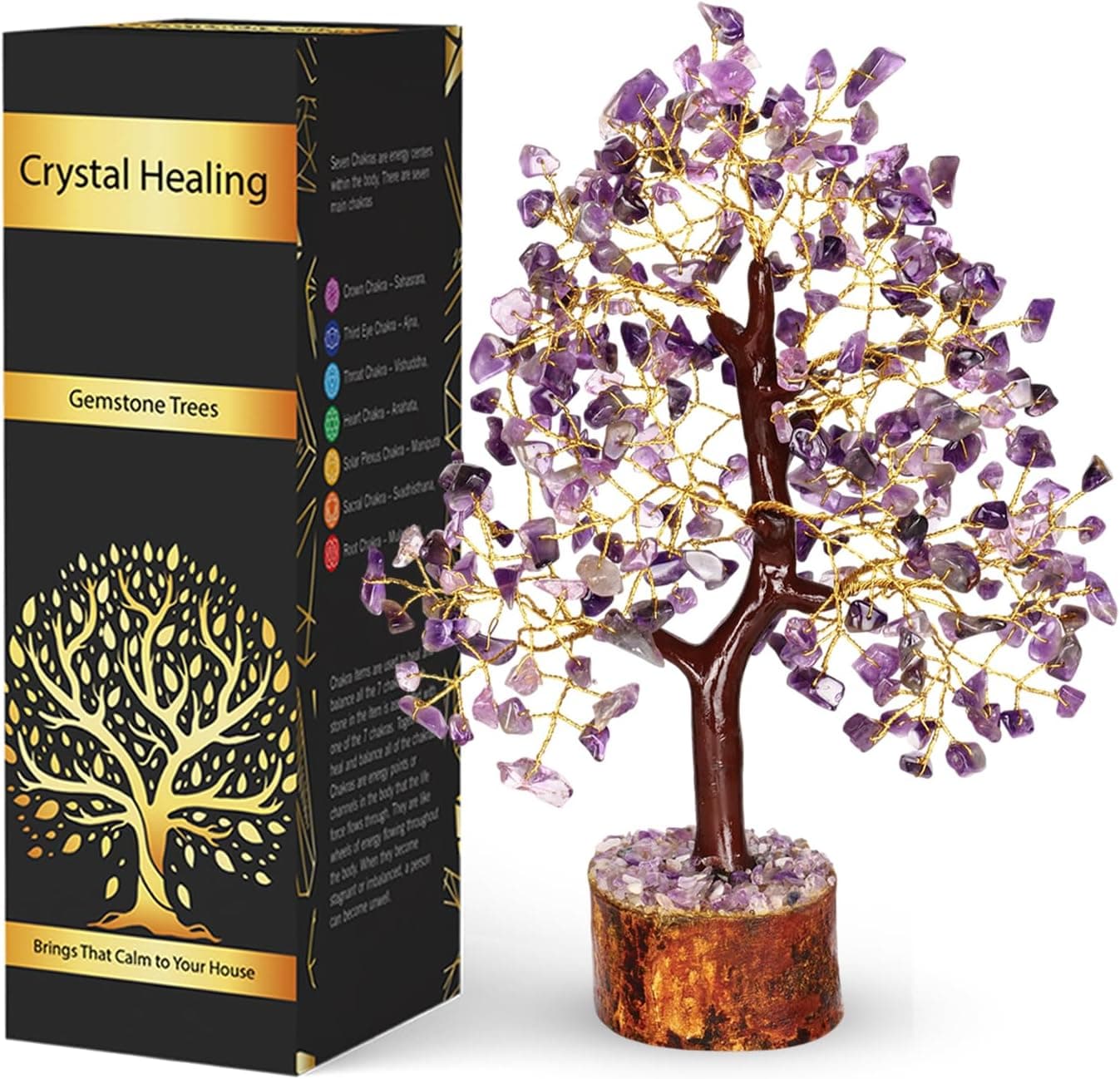 -50%
-50%Amethyst Crystal Tree, Healing Crystals And Gemstones, Crystal Gifts For Wome...
 -29%
-29%Karma and Luck March Birthstone Crystal Tree of Life, Aquamarine Gemstone Fen...
 -29%
-29%Karma and Luck July Birthstone Crystal Tree of Life, Ruby Gemstone Feng Shui ...
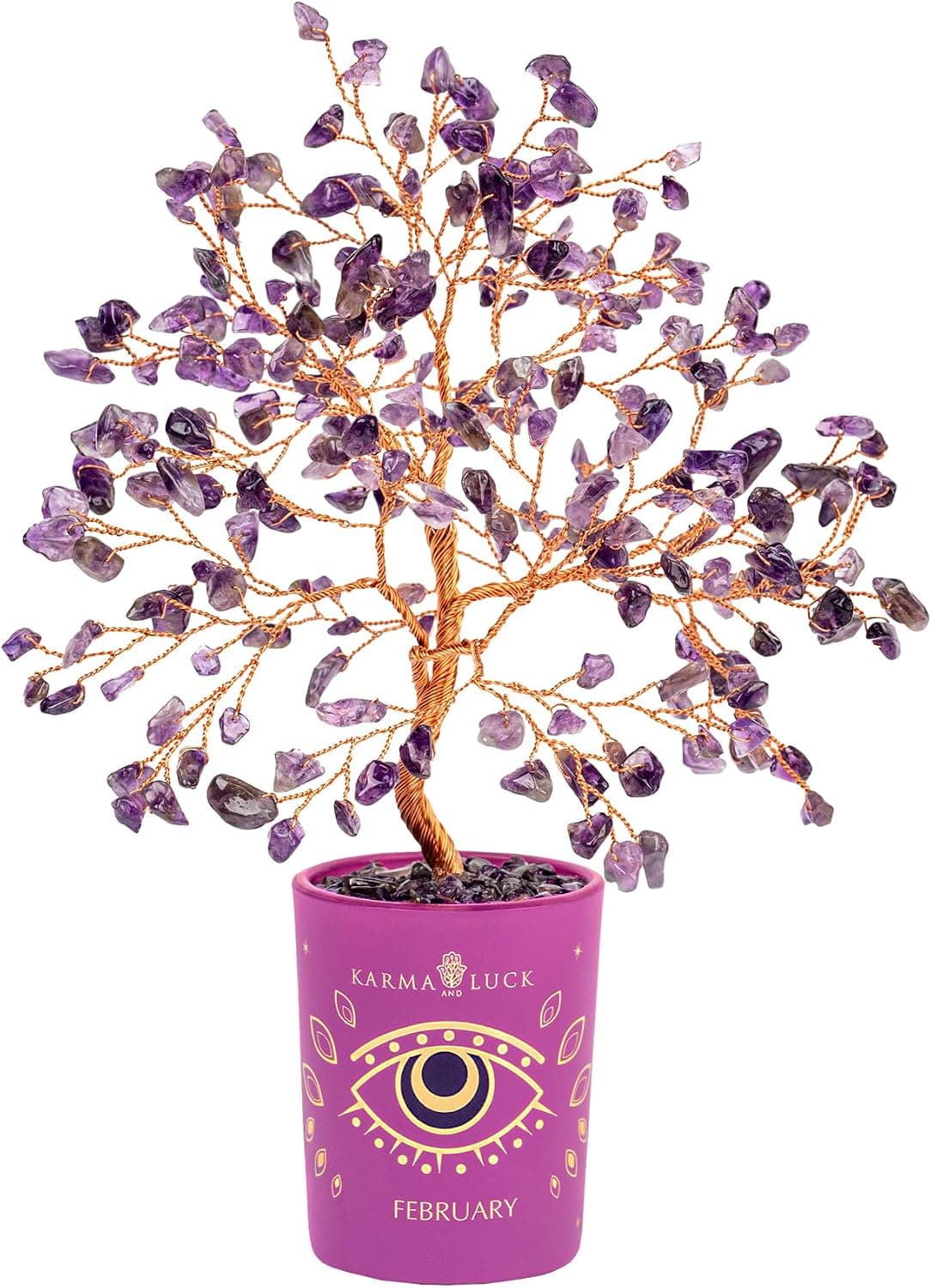 -29%
-29%Karma and Luck February Birthstone Crystal Tree of Life, Amethyst Gemstone Fe...
As an Amazon Associate, we earn from qualifying purchases. We only recommend items our practitioners have personally tested.
Continue Your Journey
Explore these related guides to deepen your understanding:


Ready for Deeper Guidance?
Try our free I Ching reading for personalized wisdom, or explore our curated Feng Shui essentials.