A birth year is not enough. The cutoff date can change the animal sign, the BaZi reading, and the meaning altogether.
The year changes before the calendar says it does
If you were born in early February, the chart can flip under your feet. A person born on February 3rd may look up the listed animal for that Gregorian year and feel certain, then discover the answer changes if the Lunar New Year had already arrived. That is the whole problem. People trust January 1 because civic calendars train the mind to stop there, but this system does not obey that habit.
A clean comparison with Western birth-sign logic helps only if you notice the mismatch: one calendar starts the year on January 1, the other changes at the lunar boundary. That gap creates real confusion, especially on mobile charts that cram twelve animals into a narrow screen and hide the cutoff in fine print. The fix is not more mystical language. It is a clearer date rule.
The best chart is a vertical one. Years are grouped by decade, the Lunar New Year date sits in a separate column, and the animal icon stays anchored beside each row so your eye can scan fast. Red-and-gold cues do more than decorate the page; they tell your brain, instantly, that this is a different calendar logic. Clean separators matter. Strong contrast matters. Boundary dates should feel like crossing a threshold, not squinting at a footnote.
That matters because the mind hates ambiguous categories. Behavioral science has a name for this kind of friction: when a system uses a special threshold, people keep defaulting to the most familiar one. In this case, the familiar one is January 1. The remedy is visual, not philosophical. Show the exact date, and the confusion drops.
Here is the rule I use when people ask for their animal year: check the exact birth date against the Lunar New Year, not the Gregorian year label. If the birthday falls before the cutoff, the previous animal applies. If it falls after, the new one begins. Simple. Precise. Not intuitive, which is exactly why people get it wrong.
Why the cutoff matters more than the birth year label
Two people can be born in the same calendar year and still belong to different animal years because the system is anchored to a moving lunar boundary, not a fixed January 1 reset. That is why the printed year alone is not enough. A baby born on January 28 may still belong to the previous animal year, while a baby born on February 8 may already belong to the next one, even though both share the same Gregorian year on paper. The label is only a shell; the cutoff is what determines the sign.
A boundary-date timeline makes this clearer than a flat table ever can because it shows the transition as a process, not a trivia fact. Late January and mid-February are not a vague blur; they are the decision zone where the calendar changes hands. When the page shows the shift as a visible movement across a line, users stop asking, “What year was I born?” and start asking the more accurate question, “Had the New Year passed yet?” That small reframing reduces errors immediately.
The common mistake is to overread the animal label. Once people see a sign, they often lock onto identity stories and then remember only the traits that fit. That is a selective-memory effect, not destiny. A chart can tempt the mind into overconfidence because a familiar label feels complete, even when it ignores the exact date. A better chart keeps the sign useful without pretending it explains everything.
One crisp February morning, I saw this happen on a phone screen in a quiet dining room with a white tablecloth and a red envelope from a Lunar New Year display still sitting near the vase. The chart listed the animal for that year, but the birth time fell before the cutoff. The room was full of certainty for ten seconds, then full of rechecking. That is normal. The threshold is doing its job.
For that reason, the most practical chart includes three columns: Gregorian year, Lunar New Year date, and zodiac animal. The mismatch becomes obvious at a glance. You do not need a lecture. You need a layout that makes the calendar system visible.
For deeper reading on how labels shape perception, the best next step is the way animal signs can color self-image. That does not mean the sign is meaningless. It means interpretation should stay awake.
From folk animal sign to BaZi year pillar
The old folk layer is only the surface. In BaZi, the year pillar is one part of a four-part structure, and the animal sign sits inside that larger frame. That is why I never treat the chart as the final word. A birth year animal can be a useful doorway, but it is not the whole house.
This is where many charts fall short. They give you an animal and stop. A more serious reading asks what the year pillar is doing inside the full birth chart, how it interacts with month, day, and hour, and whether the person’s actual timing falls near a seasonal boundary. The system is not built on a single label. It is built on relationships.
Think of the year as a social climate, not a personality verdict. It describes the outer weather around a birth, the kind of time a person entered, not their entire character. In practice, that means two people with the same animal can behave very differently once the rest of the chart is taken into account. People often want a shortcut. The chart refuses to be reduced that far.
There is also a subtle psychological trap here. Once a person accepts an animal sign, they may start fitting their life into the story. A difficult year becomes “very me.” A lucky break becomes “proof.” That is confirmation bias wearing a silk robe. The antidote is not skepticism for its own sake. It is proportion.
If you want the fuller picture, the five elements behind each animal year matter just as much as the animal itself. Fire changes how a sign behaves. Water changes the pace. Metal sharpens. Earth stabilizes. Wood expands. The animal is the face; the element is the temperament of the year.
A family planning a wedding once asked about an animal year chart as if it were a yes-or-no gate. The chart could tell them the year animal, but not whether the timing fit the rest of the couple’s charts, the season, or the practical demands of the day. That is the point many people miss. A chart can inform timing. It cannot replace judgment.
How the chart evolved from calendar tradition to modern lookup tool
Originally, the chart was not designed for quick online lookup at all. It belonged to a living calendar culture, tied to festival rhythms, seasonal markers, and agricultural time. The modern habit of treating it like a birth-year lookup is useful, but it is also a simplification. We borrowed the chart and flattened it.
That flattening is why the page design matters so much now. A modern reader wants the answer in seconds, on a phone, while standing in a kitchen or riding a train. So the chart must work harder than the old paper version ever did. It has to compress history without losing the boundary.
The best modern layouts use a three-column comparison: Gregorian year, Lunar New Year date, zodiac animal. That format makes the calendar mismatch impossible to ignore. It also respects the real logic of the system. The user sees why a January birth and a February birth can land in different years even when the number on the passport looks the same.
In I Ching terms, this is not a static block of fate. It is a threshold. The old line has not fully ended; the new line has begun. That threshold thinking is closer to lived experience anyway. People do not transform all at once. They cross, hesitate, and then continue.
That is why a chart should avoid sounding like destiny language. It should sound like a decision aid. Check the date. Find the cutoff. Read the sign. If you need the broader relationship logic, the full match chart for animal relationships gives another layer, but it still works best when you know the exact year first.
One more thing surprises readers: the chart can be correct and still feel wrong at first. That is not a failure. It is the mind resisting a better category. Once the boundary becomes visible, the discomfort usually disappears.
Using the chart without turning it into fate
Use the chart for orientation, not surrender. That is the cleanest way to approach it. If you were born near the Lunar New Year, verify the exact date, and if necessary compare your birth day against the official cutoff for that year. Do not guess. Guessing is where errors breed.
Keep the chart close to practical questions. Which year animal applies? Did the cutoff already pass? Does the full BaZi chart change the reading? Those are the useful questions. The unhelpful one is, “What does this force me to be?” That question shrinks the system into a label.
For daily use, a chart should make decisions easier, not heavier. A person checking a wedding date, a business launch, or a family event needs clarity more than drama. If the page is well designed, the answer should come quickly: exact birth date first, Lunar New Year second, zodiac label third. That order saves time and prevents false certainty.
If you want a broader sense of how this fits with timing and temperament across traditions, look at how year labels are organized across the cycle only after you understand the cutoff. Otherwise you are reading the table backward. The label alone will never tell the whole story.
One final warning: do not use the chart as a shortcut for compatibility decisions without context. The animal year can hint, but it cannot carry the burden of a full reading. And do not assume every Janruary or early-February birth belongs to the same sign just because a website says so. I have seen enough mistaken charts to know that tiny date errors create big interpretive errors.
When the year boundary is visible, the chart becomes honest. When it is hidden, people project too much onto it. The difference is small on the screen and large in life.
FAQ
What if I was born in early February?
Check the exact Lunar New Year date for your birth year. Early February often sits near the transition, so the Gregorian year alone is not enough. The cutoff decides which animal year applies.
Is the animal sign the same as my BaZi year pillar?
They are related, but not identical in how they are used. The animal is the visible label most people recognize, while the year pillar sits inside the full four-pillar structure and gains meaning from the rest of the chart.
Can two people born in the same calendar year have different zodiac years?
Absolutely. A person born before Lunar New Year belongs to the previous animal year, while someone born after the cutoff belongs to the new one. That is why the birth month and day matter so much.
Does the chart decide my personality?
No. It offers a pattern, not a prison. The strongest readings stay flexible and remember that habits, environment, and timing shape behavior alongside any symbolic label.
Mei Chen
Traditionally informed guidance • Cross-referenced with classical Chinese source texts
Rooted in classical Chinese metaphysics and cross-referenced with original texts. Product recommendations are based on traditional symbolism, not guaranteed outcomes.
Practitioner-Selected Tools for This Topic
Items our team has tested and found effective for the principles discussed above. Individual results may vary.
 -29%
-29%Karma and Luck March Birthstone Crystal Tree of Life, Aquamarine Gemstone Fen...
 -29%
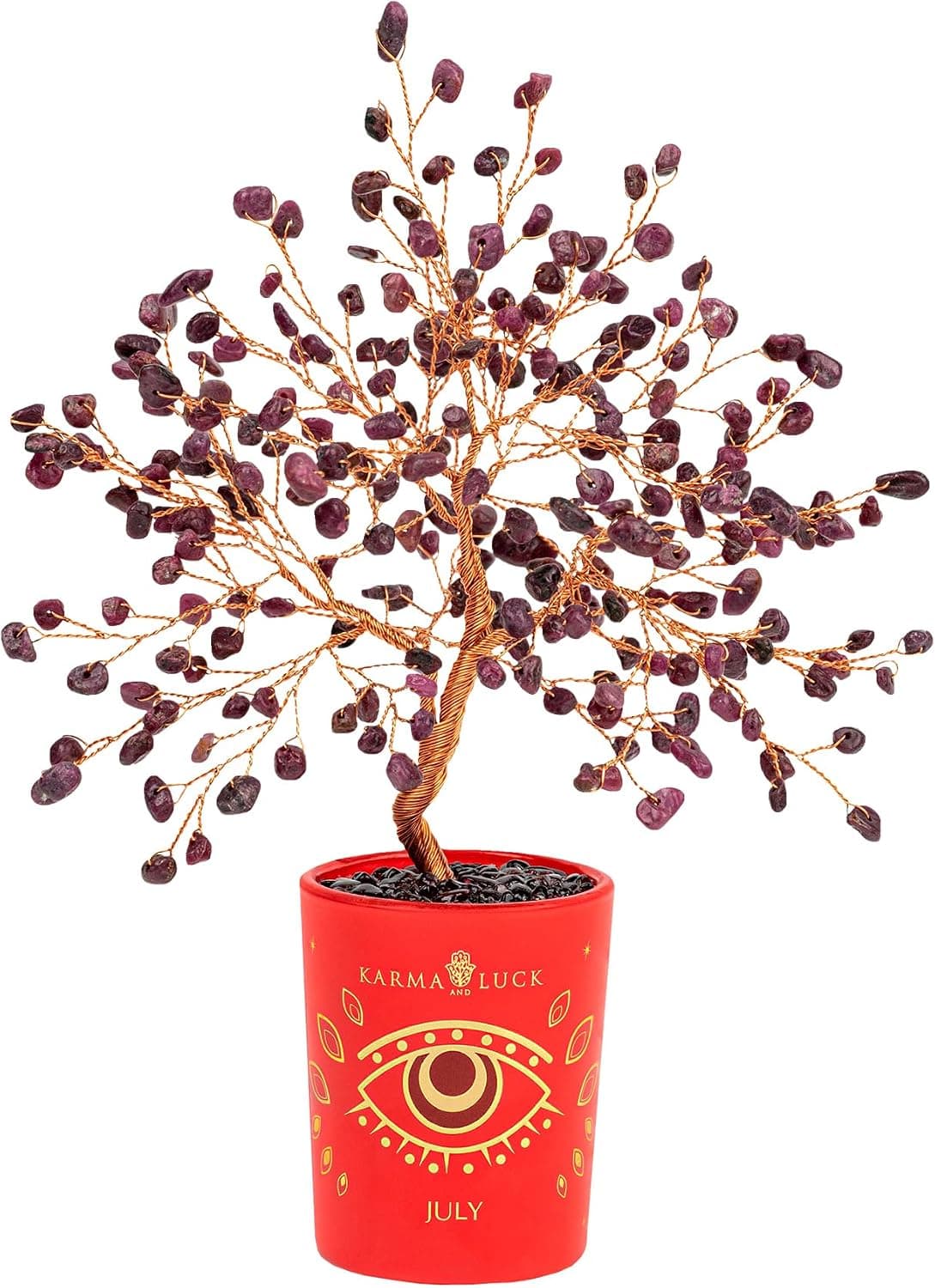
-29%Karma and Luck July Birthstone Crystal Tree of Life, Ruby Gemstone Feng Shui ...
 -29%
-29%Karma and Luck February Birthstone Crystal Tree of Life, Amethyst Gemstone Fe...
 -50%
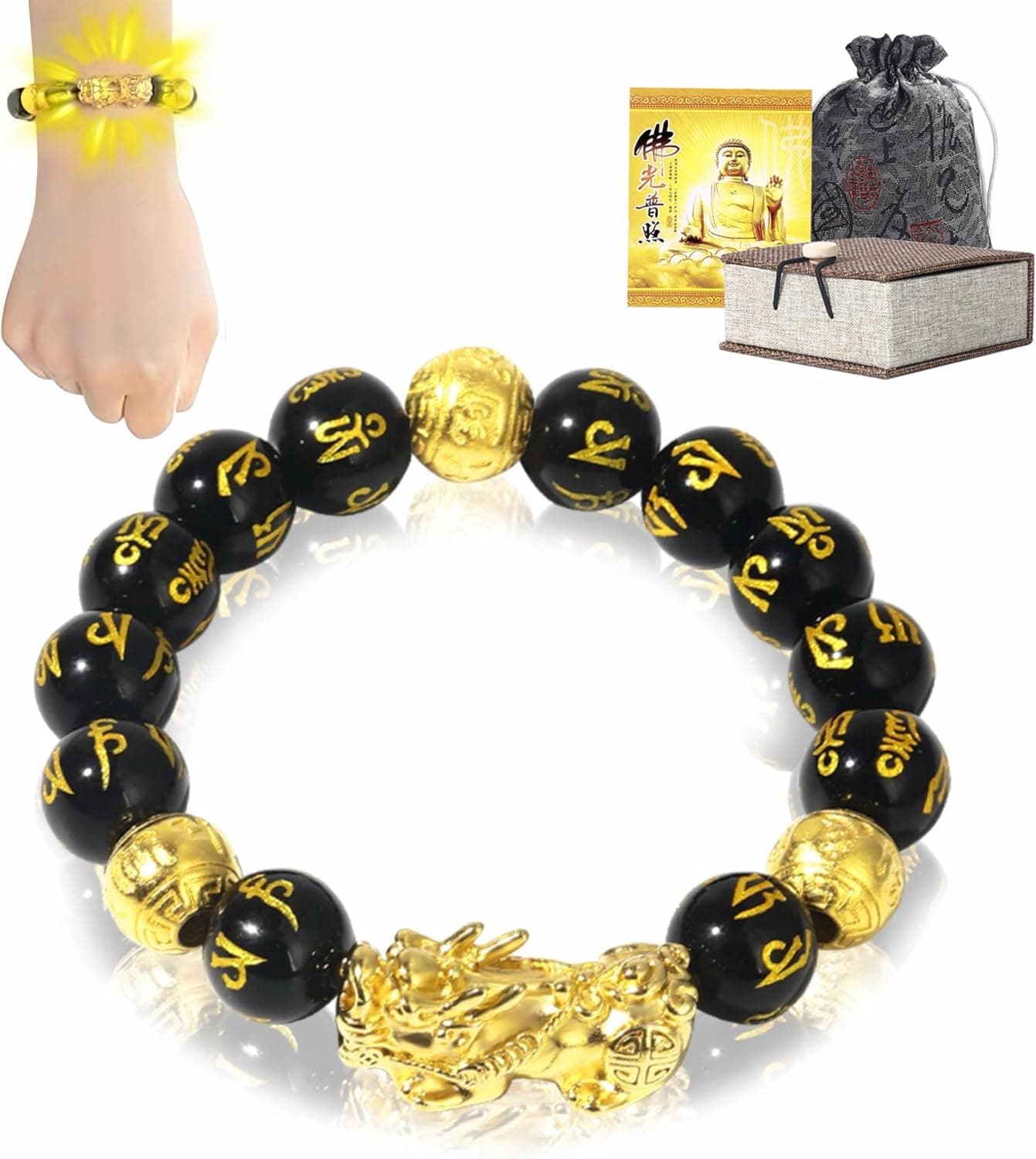
-50%biuufish Feng Shui Black Obsidian Bracelet for Men Women, 24K Gold Plated Pix...
As an Amazon Associate, we earn from qualifying purchases. We only recommend items our practitioners have personally tested.
Continue Your Journey
Explore these related guides to deepen your understanding:
Ready for Deeper Guidance?
Try our free I Ching reading for personalized wisdom, or explore our curated Feng Shui essentials.