The wrong system can still feel right—until you ask it the wrong question.
When the two signs both seem right, but point in different directions
You are probably comparing a Western sun sign description with a Chinese animal sign and feeling a strange split: both sound accurate, yet one says you are direct and independent while the other says you are cautious and strategic. That conflict is not a failure; it is the first clue that these systems are answering different questions. Learn more about A Pig Chart I Read for 2027 Split Two Ways.
In practice, the way people read zodiac symbols is often too shallow for the decision they want to make. A label can feel precise because it arrives first, and the mind likes the first label it hears. That is confirmation bias, not proof.
Picture a bright living room with balanced daylight, one open window, and clean air moving through the space. A generic sign reading is the opposite: stale air, echoing noise, and the same trait words repeated until they sound true. One gives circulation. The other gives familiarity.
The deeper problem is proportion. A single sign, whether Western or Chinese, can dominate your self-image because it is easy to remember, but the actual structure underneath may be driven by something else entirely. That is where BaZi enters the room.
The first misdiagnosis: treating BaZi like a birth-year label
People often use Chinese zodiac vs western zodiac as if the comparison were simply animal versus sun sign. That is the first mistake, because BaZi is not a birth-year animal chart. It is a four-pillar system built from year, month, day, and hour, which means the birth-year animal is only the outer facade.
Think of it like architecture. The facade language may be Western, Chinese, modern, or classical, but the frame decides whether the building stands up, how air moves through it, and where pressure accumulates. BaZi reads the frame. The animal sign alone is just the street-facing surface.
I have seen people cling to a year-animal description because it matches the image they want to keep. Then a proper BaZi reading shifts the recommendation completely. A person who seems like a classic “water” personality from the animal label may actually carry a strong fire-day structure, which changes how they handle stress, work pace, and relationships.
That is why the comparison gets distorted so quickly. Western astrology usually begins with the sun sign, while many casual Chinese zodiac readings stop at the year animal. Both are surface entry points. Neither should be treated as the full machine.
A northern-facing bedroom with a red lamp on one side and a heavy bookshelf blocking the door will not behave the same as a room with even light and clear passage. Charts work the same way. The visible label matters, but circulation matters more.
The root cause: one element can strengthen itself and weaken the whole
BaZi is built on five elements in motion, and that motion creates a feedback loop. Add too much fire and water gets pressured. Overbuild metal and wood feels constrained. Support one part of the structure too aggressively and another part loses its breathing room.
That is why a reading can change when you move from year to month, from month to day, and from day to hour. The system is not asking, “What animal are you?” It is asking, “How do the parts interact, and which force is currently carrying too much load?”
Here is the surprise for many Western readers: more detail does not always mean more confusion. More detail can mean better proportion. When a chart is read correctly, the dominant element is not worshiped. It is measured against what it suppresses.
Environmental science gives a clean analogy. A room with too little ventilation may feel warm and intimate at first, but stale air, odors, and rising noise sensitivity soon affect the whole atmosphere. A chart with one overactive element can create the same effect: the first impression looks strong, but the rest of the system starts to suffer.
So when someone asks whether chinese zodiac vs western zodiac is “more accurate,” I usually ask a different question: accurate for what? Identity shorthand, timing, compatibility, or structural diagnosis? If you ask one system to do another system’s job, the result will disappoint you.
The correct protocol: match the system to the question
If you want a fast personality hook, the Western sun sign and the Chinese year animal can both be useful. They are efficient. They give the mind a face to hold onto. That makes them good for conversation, branding, and first-pass self-recognition.
If you want timing, stress patterns, or a real recommendation about how a person is likely to function under pressure, the BaZi frame is the better tool. It tracks circulation across the four pillars, so the reading accounts for threshold points, not just labels. In other words, it moves from facade to interior plan.
That distinction matters in commercial decisions too. A reader comparing products or consultations should know what they are buying. Are they buying a symbolic identity profile, or a structural analysis with element balance, support, and restraint? Those are not the same service.
One useful way to test the choice is to look at your question in plain English. If the question is, “What kind of person am I at a glance?” the answer can come from either zodiac tradition. If the question is, “Why do I keep hitting the same relationship wall, and what element is amplifying it?” you need the deeper chart logic.
That is also why some online compatibility reports look contradictory. A Western pairing may emphasize shared temperament, while a Chinese reading may flag clash, harm, or hidden pressure. They are not necessarily disagreeing. They are operating at different levels of granularity.
In a studio with one window, a white wall, and a black desk placed directly in the light path, the room feels productive until glare starts to fatigue the eyes. Then the same setup becomes harder to use. The chart can behave that way too: what looks favorable at first may reveal an overload once the full structure is inspected.
Where the systems align, and where they split apart
There are moments when both systems point to similar themes. A person may read as expressive in a Western chart and also carry a lively, outward-moving Chinese animal image. When that happens, people feel validated, and the match can be useful as an entry point.
But surface agreement is not the same as shared mechanism. Two methods can describe the same behavior for different reasons. One may be reading psychological style, the other seasonal force, and BaZi may be tracing how those forces distribute across the day, month, and hour.
That is the real threshold. Once you cross from label-reading into structural reading, the question changes from “Which sign am I?” to “Which part of the system is driving the result?” This is where generic zodiac pages usually go quiet, because the reading has become technical.
Suppose a relationship search returns opposite advice from both traditions. The Western sign pair looks warm and cooperative, but the Chinese pairing suggests strain. Before choosing a side, check what each system is measuring. One may be describing emotional style, while the other is flagging element collision in daily life.
That difference is not a flaw. It is a map-scale issue. You would not use a city map to judge the grain of a doorway hinge, and you would not use a hinge diagram to route a road trip.
So when chinese zodiac vs western zodiac appears to disagree, pause before calling one false. Ask whether you are comparing a facade language with a structural frame. If so, the disagreement is telling you where the real question lives.
Choosing the right lens for self-assessment, compatibility, or buying a reading
For self-assessment, start with the level of detail you can actually use. If you want a fast mirror, the sun sign or year animal is enough to spark recognition. If you want a usable adjustment plan, you need the full chart, because the whole system determines where support leaks and where pressure builds.
For compatibility, avoid treating either zodiac as a verdict machine. A good compatibility reading should explain mechanism: why two people amplify each other, where friction appears, and which element gets crowded out when the relationship is under stress. That is far more useful than a flattering label.
For product selection, be honest about what you are paying for. A basic personality product can live at the zodiac level. A serious BaZi service should interpret the interaction of the five elements, because that is where the useful correction appears.
I have watched people buy charm-heavy advice while ignoring the room itself. They place a decorative object on a cluttered shelf, keep the desk under harsh light, and wonder why nothing changes. The same thing happens when a person adds more sign labels instead of more structure.
One sentence can save a lot of money: labels describe identity, but structures determine behavior.
How to verify which system is serving you
Start with a question and test the answer against lived reality. If a reading helps you predict your reaction under pressure, your energy across seasons, or the pattern behind repeated setbacks, it is functioning structurally. If it only produces a quick personality resemblance, it is functioning descriptively.
Look for specificity. A useful chart reading should distinguish between year, month, day, and hour influences, because those layers change the recommendation. A shallow zodiac page usually cannot tell you why a bright, social exterior hides a depleted core, or why a calm surface masks a strong internal drive.
Also watch for contradiction inside your own life. If a sun-sign article feels true in social settings but fails in work habits, that is not unusual. Different systems can catch different slices of the person, and neither slice should be promoted to the whole.
The most honest choice is not “Chinese or Western.” It is “which lens matches the question and the level of precision I need?” That question protects you from buying a pretty answer that cannot help when the pressure rises.
And if you want the deeper reading, begin with structure, not symbolism. Symbols are the facade. Structure is the building.
FAQ
Is chinese zodiac vs western zodiac just a cultural preference?
No. They are built on different assumptions about time, personality, and causation, so they do not simply swap places. One can feel more intuitive to you, but intuition is not the same as method.
Can both systems be useful at the same time?
Absolutely, if you use them for different jobs. A sun sign or animal sign can give a quick identity frame, while BaZi can explain element balance, timing, and pressure points with much more precision.
Why do some readings seem to contradict each other?
Because they are often answering different questions. A system that highlights personality style may agree with your self-image, while a structural chart may reveal the mechanism underneath that style.
What should I choose if I want the most practical answer?
Surprisingly, the best choice is usually the one that asks the most specific question. If you need a work, relationship, or timing decision, choose the method that can explain causes, not just labels.
For deeper chart work, a BaZi reading is usually the better investment; for quick orientation, the zodiac layers can still be useful. The key is knowing which one is speaking at the facade level and which one is reading the frame.
Mei Chen
Traditionally informed guidance • Cross-referenced with classical Chinese source texts
Rooted in classical Chinese metaphysics and cross-referenced with original texts. Product recommendations are based on traditional symbolism, not guaranteed outcomes.
Practitioner-Selected Tools for This Topic
Items our team has tested and found effective for the principles discussed above. Individual results may vary.
 -29%
-29%Karma and Luck March Birthstone Crystal Tree of Life, Aquamarine Gemstone Fen...
 -29%
-29%Karma and Luck July Birthstone Crystal Tree of Life, Ruby Gemstone Feng Shui ...
 -29%
-29%Karma and Luck February Birthstone Crystal Tree of Life, Amethyst Gemstone Fe...
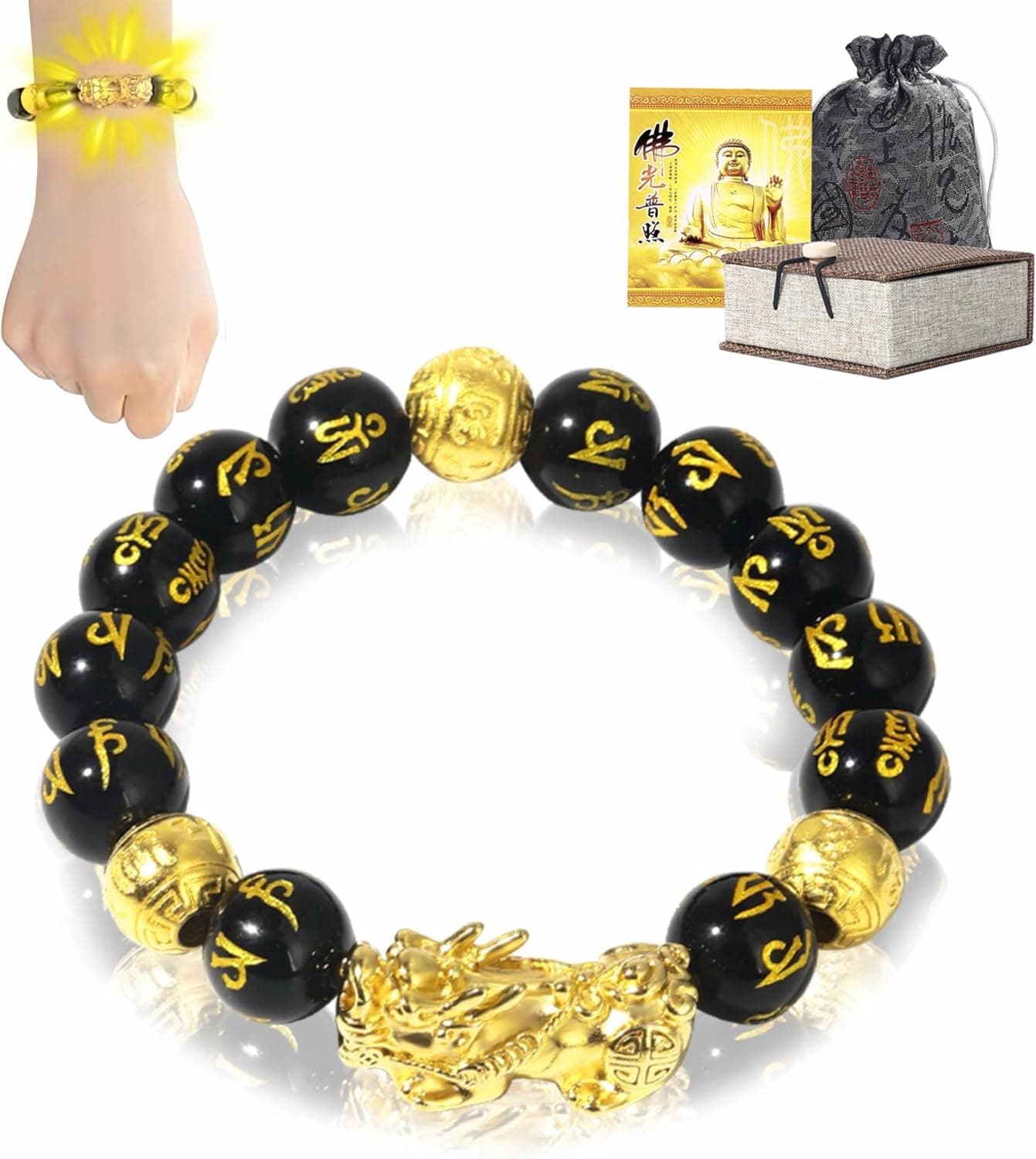 -50%
-50%biuufish Feng Shui Black Obsidian Bracelet for Men Women, 24K Gold Plated Pix...
As an Amazon Associate, we earn from qualifying purchases. We only recommend items our practitioners have personally tested.
Continue Your Journey
Explore these related guides to deepen your understanding:
Ready for Deeper Guidance?
Try our free I Ching reading for personalized wisdom, or explore our curated Feng Shui essentials.