A fortune can look excellent on paper and still collapse at the threshold. The first three feet decide more than people want to admit.
Beyond the Surface of Chinese Zodiac Pig-2026-predictions
The standard framework for C has an internal contradictionhinese Zodiac Pig-2026-predictions is typically understood. People read the annual animal forecast, nod at the money luck and relationship luck, then wonder why their year feels strained the moment they walk through the front door. I watched that happen in a Queens apartment last spring: a retired nurse had a brass pig figurine on a shelf in her entry hall, a red mat by the door, and a tidy stack of shoes lined up neatly on the left side. Her reading looked excellent. Her hallway did not.
The problem wasn't the zodiac text. It was proximity. Three feet from the main entrance, the qi that enters a home either slows enough to be useful or gets shoved sideways by clutter, glare, and sudden turns. That's where the year begins for a Pig person, not in a calendar sentence. Common advice usually stops at symbols, colors, and lucky numbers. Not even close.
I've seen people follow every chart-based instruction and still get a jagged year because the first movement inside the home fought the forecast. A mirror caught the doorway. A coat rack blocked the natural line of travel. The result was subtle but clear: poor sleep, irritated conversations, and that strange habit of forgetting bills until the late fee arrived. The entry was telling a different story than the zodiac.
So the real question is not whether the Pig has support in 2026. It is whether the home lets that support land. A favorable year can arrive and still be filtered through a cramped threshold, and then it behaves like rain hitting a slanted roof. You see the water, but it never reaches the ground where it matters.
That is why the three-foot rule matters more than the usual lucky-object talk. Keep the zone nearest the main door open, calm, and easy to read. No crowding, no visual shocks, no junk that forces the body to brace. The first step inside should feel like an exhale.
One client in a narrow Brooklyn brownstone learned this the hard way. She had followed a social-media forecast for Pig natives: more gold accents, more red, a decorative bowl near the entry, and a crystal hanging from the knob. Her foyer had a blue umbrella stand, a black stroller parked half in the walkway, and a tall plant with dusty leaves pressed against the wall. Within two weeks of her “good luck” setup, she started snapping at her partner over tiny things and missing morning meetings because the hallway felt like a bottleneck. She removed the stroller, moved the bowl deeper into the home, and left a clear path from the door to the living room. The change was not mystical. It was physical. Her shoulders dropped when she came home, and that changed everything that followed.
For readers who want the larger framework, the entry is only one part of the home map. The method used in how the bagua really maps a house explains why the front sector can overpower a whole floor plan, while reading a feng shui compass correctly helps you stop guessing which side of the doorway is actually doing the work. And if the home still feels off after adjustments, Five Elements theory usually shows which element is crowding the entrance energy.
That is the myth worth breaking open: the forecast does not operate in a vacuum. A Pig year reading can be accurate and still miss the place where your body first meets the house. If that threshold is sharp, cramped, or visually noisy, the year feels harder before it has even begun.
Why the threshold changes everything
People love symbolic shortcuts because they are easy to remember. Wear this color. Put that crystal there. Face this direction. The trouble starts when a shortcut replaces observation. A home has a sequence, and the entry is the first beat in that sequence. Miss that beat, and the rest of the rhythm sounds wrong.
The main door matters because it sets the pace for everything entering the home: air, sound, people, mood, and your own nervous system. If the first thing you see is a pile of Amazon boxes or a mirror reflecting the door back at itself, the body reads tension before the mind can make excuses. That is why a lovely forecast can still feel flat in an apartment with a cluttered foyer.
Think of the threshold as a filter rather than a decoration zone. Good entry design lets qi slow, spread, and orient itself. Bad entry design throws it off balance with too many objects competing for attention. A Pig person in 2026 does not need more noise. They need the home to stop arguing with the year.
Wrong.
The common habit is to put remedies wherever there is empty space, usually near the door because it seems convenient. Convenient is not the same as correct. A red rug jammed against a door that already opens into a tight hallway can create agitation, not support. A plant under a dim bulb can look alive while quietly weakening the atmosphere around the entrance.
What actually works near the front entrance
Start with distance. If an object touches the door or sits directly in the path of opening, it is already too close unless it is serving a clear function. Move the first decorative item at least three feet back from the main entrance so the eye can settle before it has to choose a direction. That pause matters. The home should not ambush you.
The floor space itself should be easy to scan. Shoes belong in a contained spot, not scattered like a family argument. Umbrellas need a holder, not a puddle. A bench can be useful if it does not force you to twist around it just to enter. These are tiny logistics, but they change how you arrive in your own life.
Light deserves more attention than most people give it. Harsh glare at the entry can make the home feel defensive, while a softer lamp or balanced daylight gives the threshold a calmer temperature. I walked into a townhouse in Seattle where the foyer had a bright white bulb overhead, a black metal console, and a glass bowl that flashed every time the door opened. The owner said she felt “jumpy” every evening. She swapped the bulb for warmer light, removed the reflective bowl, and added a matte ceramic tray for keys. Sleep improved first, then patience.
Color should support the structure, not perform for it. A deep red doormat can work in some homes, but if the entrance already gets intense afternoon sun or faces a noisy street, more fire just makes the arrival feel hot and restless. Earth tones, muted greens, and grounded neutrals often settle the threshold better because they ask less from the nervous system. That is the part people skip when they chase a lucky palette.
There is also the issue of sightlines. What do you see from the doorway? If the first visible object is a laundry basket, a recycling tower, or a coat draped over a chair, the message is unfinished business. That message is louder than any charm. It seeps into the day.
A sanctuary-style bedroom helps only after the home stops shouting at the entrance. Otherwise the body leaves one tense zone just to enter another. And if the bedroom still refuses to settle, the usual bedroom mistakes are often hiding in plain sight.
The most surprising part? A smaller change at the door often does more than a dramatic overhaul. I have seen a single coat hook moved six inches to the right reduce the feeling of congestion because the hand stopped snagging on it every time someone came home. Small friction turns into big mood.
When Pig advice backfires
Here is the uncomfortable part: some of the advice circulating for Pig natives in 2026 can make things worse if applied mechanically. A polished brass pig, for example, can be charming on a desk or shelf, but it becomes awkward when shoved beside a cramped entrance where it reflects movement and attracts more visual clutter. A lucky object is not magic by itself. It needs a place that can carry it.
Another familiar mistake is adding too many symbols at once. People stack coins, crystals, figurines, and a special-color mat in the same two-square-foot zone. It feels intentional, even devoted. What actually happens is a crowded threshold, interrupted flow, and the odd sensation that nobody wants to linger there, including you.
Then there is the “fix it with a mirror” habit. A mirror can expand a tight space if it is used with restraint and the doorway is not reflected directly back at itself. Put it wrong, and the house appears to double the motion at the entrance. Suddenly every arrival feels more frantic than it needs to be.
Big mistake.
Some readers assume more symbolism means more support. I see the opposite. The home does not reward over-explaining itself. It rewards clarity. One clean function beats five hopeful objects every time.
That is also why the annual forecast should be read alongside the actual movement of your house. The year may point to opportunity, but the doorway decides whether opportunity can enter without tripping over a shoe pile. If you want a deeper view of yearly remedies, compare this with room-by-room 2026 flying stars remedies; they work for the same reason the entry works: location matters more than decoration.
Another thing people get wrong is assuming the entry can compensate for a neglected rest of the house. It cannot. If the living room is clogged with sharp angles and the bedroom is overstimulating, a tidy door will not rescue the whole system. Still, the threshold is the first place to fix because it changes the way the rest of the home is experienced.
The practical three-foot rule, without the fluff
Stand at your main door and look in. Anything that blocks the first three feet should earn its place or leave. This is not about minimalism for its own sake. It is about reducing decision load at the exact point where you transition from outside to inside.
Three feet gives the eye room to orient. It lets the body register where to go without tensing up. In a narrow hallway, that may mean moving a table deeper into the room, shifting a plant to the side wall, or replacing a tall object with something lower and quieter. The goal is not emptiness. The goal is breathing room.
In a Chicago condo I visited in January, the entry opened directly into a white wall with a narrow black shelf just two feet from the door. On that shelf sat keys, receipts, a bowl of coins, and a red candle someone had given her for “prosperity.” The owner said she never wanted to stop there, so the mail piled up elsewhere and she lost track of papers. We removed the candle, moved the shelf to the left wall, and left the first stretch of floor open. Three days later she said the hall felt “less argumentative.” That is a better word than lucky.
Pay attention to direction too. If the door opens toward a corner, soften that corner with a rounded object or a plant that can actually survive the light there. If the entrance faces a staircase, the issue is speed; the house is pulling energy upward or downward too quickly. The cure is not always a trinket. Sometimes it is a bench, a lamp, or a simple rearrangement that slows the first step.
Keep the entry clean enough that you notice what changes from day to day. The moment you stop seeing it, it starts accumulating problems. Dust, envelopes, shoes, and bags all carry a little weight in that zone. Together they create the tone of arrival.
Money corner mistakes often begin with the same problem: too many objects, too little intention, and no real room for energy to settle. The entrance is simply the first place where that pattern becomes obvious.
If you want one concrete test, use your body as the measuring instrument. Walk in carrying groceries. Open the door with your shoulder half-turned. If you have to sidestep, squeeze, or adjust more than once before you can set anything down, the first three feet are already failing the test. That is the home telling you its story out loud.
Why common zodiac advice sounds right
There is a reason the usual advice spreads so easily. It offers a neat narrative: the Pig has a favorable year, so add supportive symbols and trust the calendar. People like tidy narratives because they reduce uncertainty. They also sell well.
But real homes are not tidy. They have corners that collect shoes, doors that stick in humid weather, and entry mats that shift half an inch every time someone drags a suitcase across them. A symbolic cure cannot override a physical problem that greets you eight times a day. It can only sit there looking earnest.
That does not mean symbols are useless. It means they work best after the structure is corrected. A small brass pig can be welcome if the doorway already feels clear and coherent. Put it in a jammed hallway, and it becomes one more thing the eye has to process.
The mechanism is almost embarrassingly simple. People feel better in spaces that reduce friction, and they make better choices when they feel less friction. The forecast nudges attention. The entry shapes behavior. One without the other leaves too much on the table.
For a wider lens on pattern and behavior, the old text discussed in Tao Te Ching wisdom keeps returning to the same point: what is forced eventually loses its grip. That sounds philosophical until you watch a cluttered threshold make everyone in the house slightly more impatient.
And yes, the Pig energy in 2026 can still be generous. It may even bring openings that surprise you. Yet openings only matter when the door is usable. That part is less glamorous than a lucky charm, which is probably why people keep skipping it.
Quick checks for a Pig year entry
Notice the first object you touch when you come home. If it is a coat pile, a stack of deliveries, or a wall that feels too close, your entry is asking for adjustment. Simple, but not simplistic. The house will tell you where the pressure lives.
Check the first sightline from outside. Do you see order, or do you see unfinished errands? That one question explains more about the mood of the year than most forecasts ever will.
Listen to the sound of the door opening. A slam, a scrape, or a hard echo can make the threshold feel combative before anyone speaks. Softening that sound changes the entire landing.
Measure the pause. Three feet. That is the amount of space that often separates a home that supports the year from one that fights it.
Would you rather trust a charming prediction, or the room that actually meets you every single day?
FAQ
Is conventional Chinese Zodiac Pig-2026-predictions advice reliable? Often not on its own. It may point in the right general direction, but it usually ignores the part of the home that shapes daily experience: the entry, the first sightline, and the distance between the door and the nearest object.
Do lucky objects near the front door help at all? They can, if the space around them is already calm. A pig figurine, a plant, or a bowl for keys works best when it is not competing with clutter, glare, or a cramped path. Put the symbol in a crowded threshold and it becomes another visual demand.
What if my entry is tiny and I have nowhere to move things? Then scale matters more than style. Remove one object, lower another, and keep the floor visible for at least part of the walk-in path. Tiny spaces often improve faster than large ones because every inch you clear is immediately felt.
Should I focus on the living room instead? The living room matters, but it does not get to start the conversation. The front door sets the tone, and the room after it inherits that tone. Fix the threshold first, then see what the rest of the house reveals.
Can the three-foot rule be adjusted for a long hallway? Yes, but the principle stays the same: give the arrival point enough room to register before the rest of the home takes over. In a longer hall, that might mean clearing the first three feet and then using lighting or a low piece of furniture to guide the eye more gently inward.
What if my doorway already feels good? Then do not force changes just to follow a rule. Sometimes the cleanest threshold is already doing the work. The interesting part is noticing whether the rest of the year matches that feeling, or whether the door is the only place in the house that knows how to breathe.
David Liu
Traditionally informed guidance • Cross-referenced with classical Chinese source texts
Rooted in classical Chinese metaphysics and cross-referenced with original texts. Product recommendations are based on traditional symbolism, not guaranteed outcomes.
Practitioner-Selected Tools for This Topic
Items our team has tested and found effective for the principles discussed above. Individual results may vary.
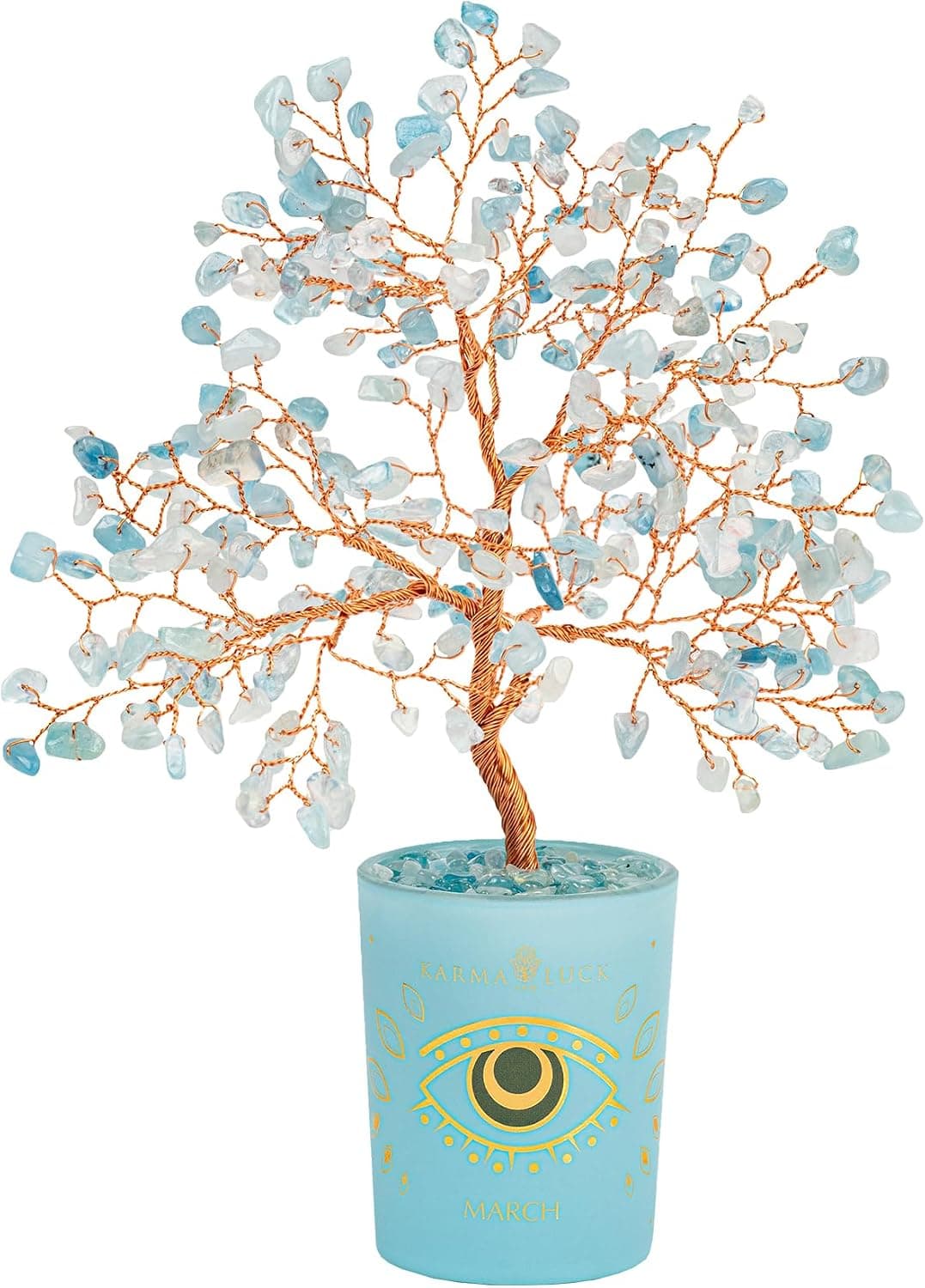 -29%
-29%Karma and Luck March Birthstone Crystal Tree of Life, Aquamarine Gemstone Fen...
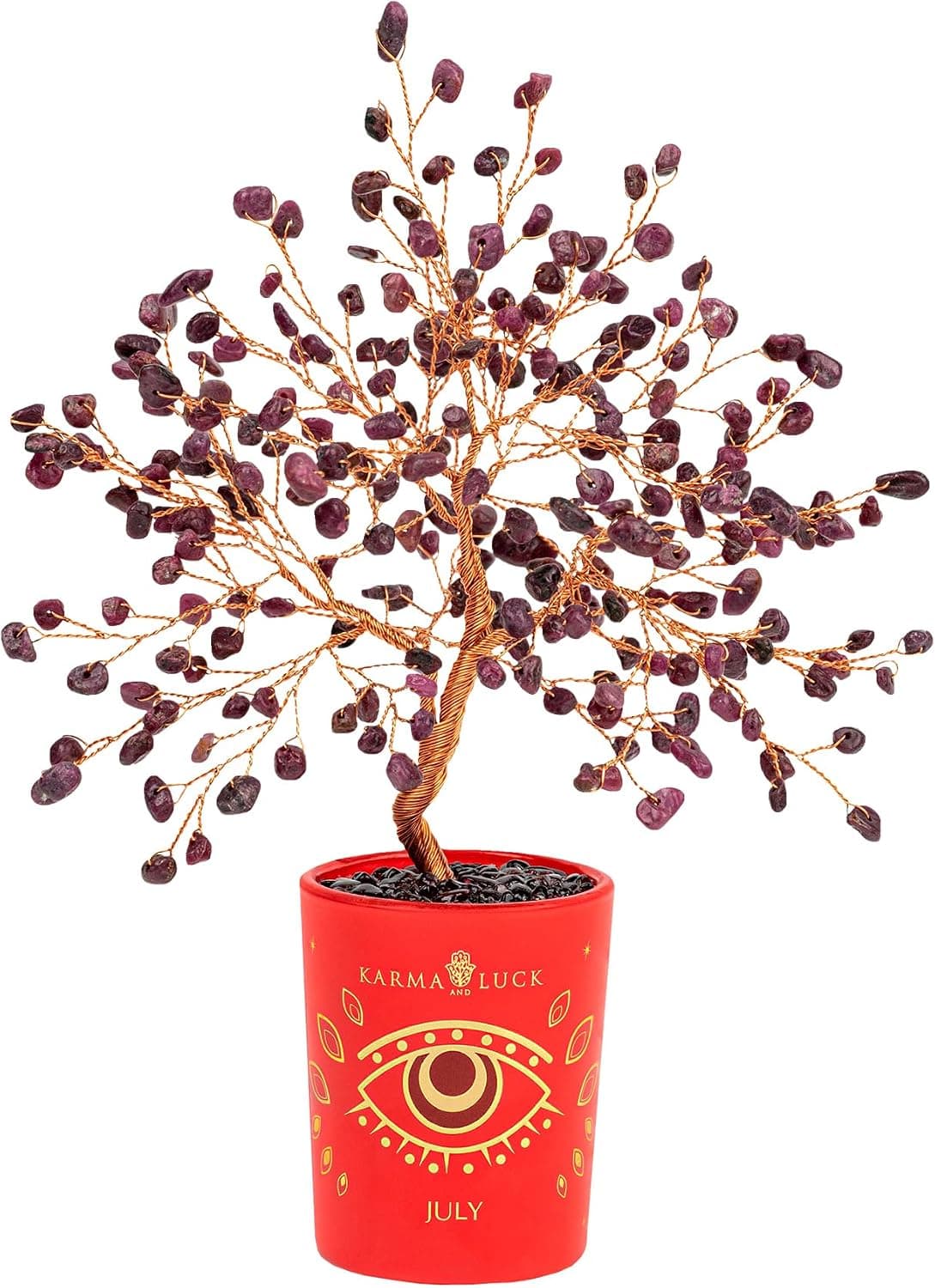 -29%
-29%Karma and Luck July Birthstone Crystal Tree of Life, Ruby Gemstone Feng Shui ...
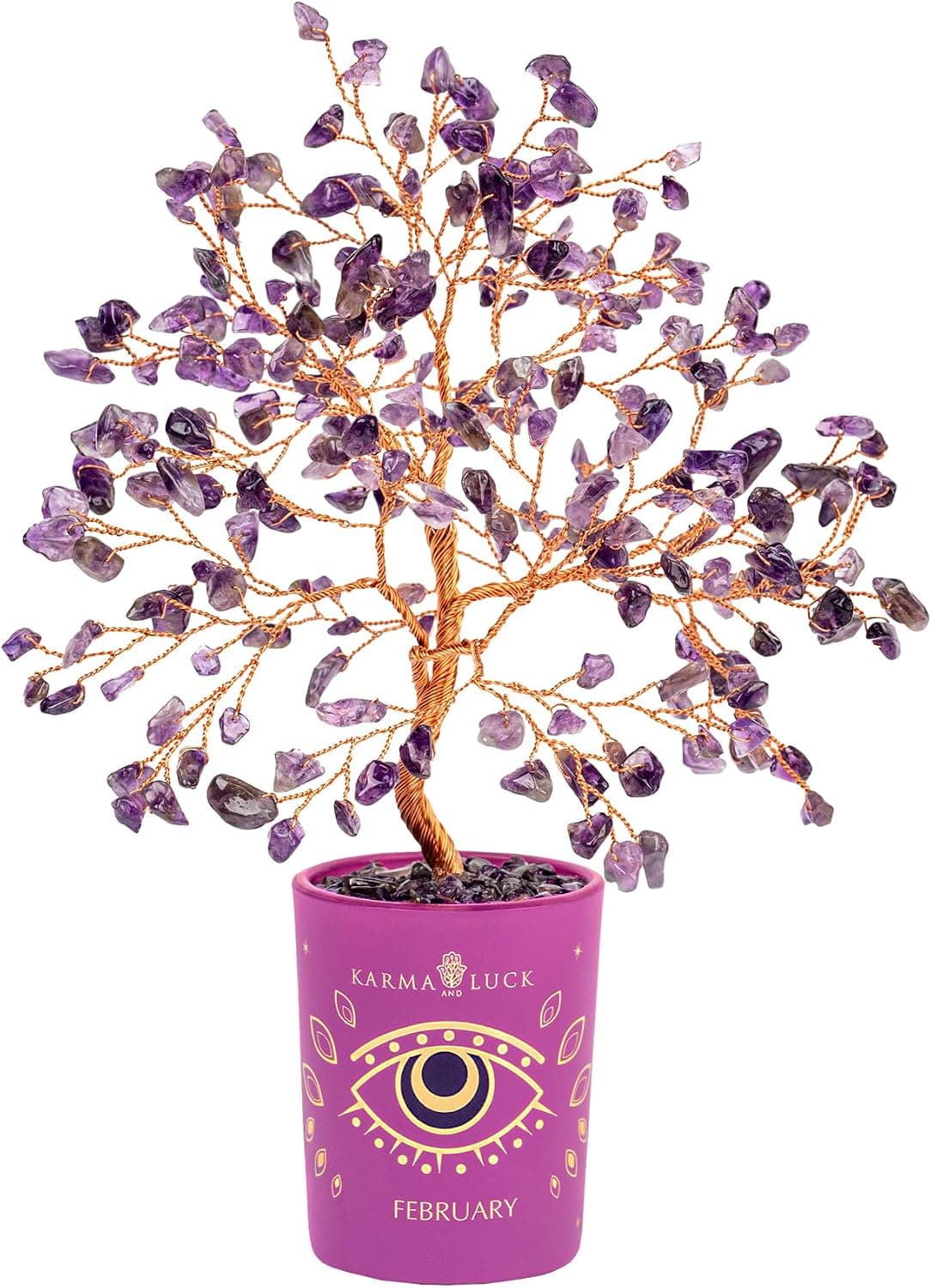 -29%
-29%Karma and Luck February Birthstone Crystal Tree of Life, Amethyst Gemstone Fe...
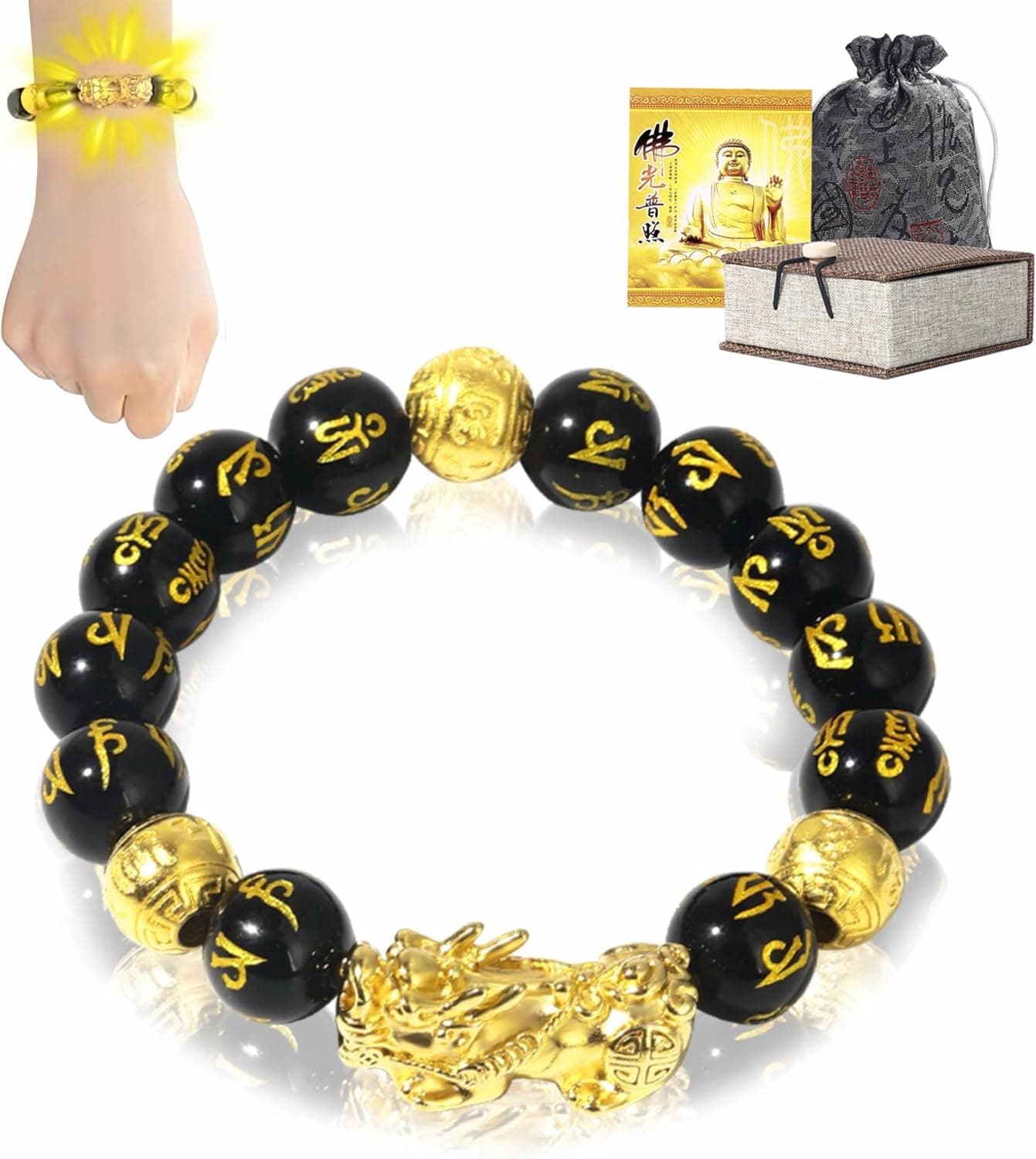 -50%
-50%biuufish Feng Shui Black Obsidian Bracelet for Men Women, 24K Gold Plated Pix...
As an Amazon Associate, we earn from qualifying purchases. We only recommend items our practitioners have personally tested.
Continue Your Journey
Explore these related guides to deepen your understanding:

Ready for Deeper Guidance?
Try our free I Ching reading for personalized wisdom, or explore our curated Feng Shui essentials.