Common recommendations for chinese zodiac ox 2026 predictions tend to overlook key principles. Experience reveals a clearer path.
The Desk at the Back Wall Has Already Started the Year
At 6:40 a.m., the room looks calm. The blinds are half-closed, the desk lamp hasn't been switched on yet, and the ceramic pot on the filing cabinet holds a plant that hasn't been watered in eleven days. The Ox-born person sitting at the narrow desk pushed into the back corner hasn't opened their laptop. They don't need to. The jaw is already tight.
That tension — felt before the first email, before the first decision, before the calendar even registers as a problem — is what 2026 actually feels like for the Ox sign. Not a bad year. Not a blocked year. A compressed one.
I've spent enough time studying how space and elemental cycles interact to know that the Chinese zodiac forecast for an Ox in 2026 cannot be separated from the rooms they sit in. The Fire Horse year of 2026 doesn't arrive as a dramatic rupture. For the Ox, it arrives as pressure — slow, structural, the kind that lives in the shoulders and the back of the throat and the habit of rechecking an email without sending the reply.
The heavy wooden desk. The half-closed blinds. The inbox already glowing. The year has already begun, and it began in the body, not in the stars.
Why Earth Gets Heavy When Fire Arrives Nearby
The Ox is an Earth sign — rooted, methodical, built for long work rather than quick pivots. In many years, that quality is an asset. In 2026, the dominant Fire energy of the year creates a specific kind of friction with Earth-heavy temperaments that doesn't show up in simple compatibility charts.
Fire accelerates. It pushes decisions forward, compresses timelines, raises the emotional temperature of a room. Earth responds to that pressure not by moving faster, but by bracing. The body of an Earth-dominant person near too much Fire energy doesn't get motivated — it gets rigid. Muscle tension. Procrastination that looks like careful deliberation. The same email opened four times without a response sent.
This is not a character flaw. It's an elemental mismatch playing out in real time, in real rooms, in the body of a person who genuinely prefers gradual consolidation to sudden heat.
In 2026, the Fire influence doesn't erase Ox stability — it sits on top of it. And when Earth energy cannot move, cannot breathe, cannot circulate through a space, it becomes something closer to concrete than soil. The stability that once felt like safety begins to feel like confinement.
The year's central challenge for the Ox is not a lack of effort. It's the risk that too much Earth — too much sameness, too much sealed routine, too much weight in the corners of their most-used rooms — will turn structural strength into structural stiffness.
When Discipline Becomes a Form of Bracing
Ox people are not praised for nothing. The persistence is real. The capacity to sit with difficulty and not flinch is genuine. But in 2026, I'd argue that the very traits that make the Ox admirable are the ones most likely to mislead them.
Routine, endurance, and discipline — under Fire pressure — can harden into something that looks like strength but functions like resistance. The Ox who wakes at 5:40 a.m. with jaw already clenched, in a bedroom where the blackout curtains are half-open, the radiator hissing beside the headboard, the air stale and faintly warm with dust — that person is not being disciplined. They are bracing. There's a difference, and the body knows it even when the mind insists otherwise.
Bracing is what happens when a system expects impact and can't identify where it's coming from. The Ox, surrounded by accumulated Earth energy in a sealed room, under the ambient pressure of a Fire-dominant year, will often interpret that tension as a signal to do more, hold tighter, work longer. This is where the year's real trap is set.
What looks like discipline in 2026 may actually be the refusal to loosen one fixed point. And loosening — not doubling down — is where the year's actual advantage lives.
The Rooms That Make an Ox Hold Its Breath
Not every space creates equal pressure. For the Ox in 2026, specific room configurations act as amplifiers of the Earth-Fire compression, and they share one quality: they are sealed, under-ventilated, and arranged in ways that keep the nervous system partially on guard without offering a clear reason why.
Consider the bedroom at 11:30 p.m. — mirror angled toward the bed from the west wall, nightstand crowded with medication, phone, and receipts, blanket pulled to the chin, room too warm and sealed tight. The mirror isn't decorative at that hour. Reflection is processed by the brain as movement even when nothing is moving, which means the nervous system keeps re-scanning the room through the night. The Ox owner wakes earlier than intended, jaw already set, and blames stress rather than the room's layout.
Or the home study at 9:15 p.m. — desk pushed directly against the south wall, laptop open within 18 inches of the wall, the desk lamp creating a hard pool of light on a surface that goes nowhere. When the visual field ends too quickly — when the wall is the only thing in front of you — the mind compresses into narrow focus. That works for short tasks. For planning, for decisions that require a sense of options and space, it becomes brittle. The chair back is six inches from the wall. There is literally no room to lean back and think.
The corner office at 2:10 p.m. — L-shaped desk in the southwest corner, file stack blocking the right side, window directly behind the chair so the light hits the monitor from behind, dry recycled air and that faint metallic taste that comes from sustained tension. The southwest corner in feng shui is associated with long-term holding patterns. When it's cluttered, the person sitting there tends to default to endurance rather than delegation. They hold everything. They renegotiate nothing.
The study nook at 7:00 a.m. — chair facing a blank wall four feet from the only window, coffee cooling too fast, the room smelling of paper and old wood. Twenty-eight inches between the chair and the wall. The room is ten by twelve feet and most of it is behind the person sitting in it, invisible, unmonitored. The nervous system doesn't fully relax in spaces where the room entry cannot be seen. Working memory drops. Fatigue arrives earlier than the workload warrants.
These rooms are not unusual. They are ordinary. And in 2026, for an Ox-born person, they are the locations where the year's pressure concentrates most quietly and most effectively.
One Fixed Object to Move Before the Laptop Opens
I want to be specific here, because the instinct when reading about feng shui adjustments is to reach for additions — a crystal, a plant, a red accent, a wealth symbol placed in a corner. For the Ox in 2026, I'd argue against almost all of that.
Adding objects to an already-compressed room adds weight to a space that is already too heavy. The ceramic plant pot on the filing cabinet in the morning study isn't helping. An oversized money plant in the corner of an already-small office doesn't activate energy — it blocks movement and creates maintenance anxiety, so the owner unconsciously starts avoiding that corner.
The single most effective adjustment I've seen for Ox people navigating a Fire-pressure year is this: move the desk away from the wall it is pressed against — not to the commanding position, not to face the door directly, but simply far enough that there is visible space between the monitor and the surface behind it. Twelve inches minimum. Eighteen is better.
This is not symbolic. When a person can see past their screen — even slightly, even peripherally — the nervous system registers that the visual field has options. The brain stops compressing into the narrow focus that makes planning feel impossible and email feel like a trap. The shoulders drop a fraction. The jaw unclenches a fraction. That fraction is where the year's decisions get made more clearly.
Moving the desk is not a cure. It's a signal — to the body, to the room — that this year will not be spent bracing against a wall.
One object. Before the laptop opens. That's the adjustment.
How Breakthroughs Appear After the Pressure Stops Looking Useful
Here is where I'll contradict something that gets repeated constantly in Ox-year forecasts: 2026 is not mainly a productivity year. Framing it that way — as a year to push harder, stay disciplined, accumulate more — misreads what compression actually produces when it's handled well.
Compression, in the right conditions, doesn't create more output. It creates clarity. The Ox who has been holding too many obligations, too many unfinished conversations, too many files stacked in the southwest corner of an office they've stopped fully using — that person doesn't need more hours in a sealed room. They need the pressure to drop enough that the system can reorganize.
When the desk moves away from the wall. When the blackout curtains open enough to let the east-facing window do its actual work at 5:40 a.m. When the mirror stops facing the bed. When the radiator hissing beside the headboard is finally moved or blocked — the room changes. And in that changed room, choices that were previously invisible become obvious. Not because new information arrived, but because the nervous system finally has enough space to process what was already there.
Breakthroughs in 2026 for the Ox will not look like sudden inspiration. They will look like a decision that should have been made six months ago, finally made. A boundary that was obvious to everyone else, finally stated. A project that needed to be dropped, dropped. The clarity is not dramatic. It arrives in the gap between pressure and the next thing — and only if that gap is allowed to exist.
This is the upside of a compression year, and it is genuinely valuable. But it requires the Ox to stop interpreting the release of pressure as failure.
What an Ox Should Rebuild, Not Just Endure, in 2026
The distinction between endurance and rebuilding matters enormously for this year. Endurance keeps the structure intact. Rebuilding asks whether the structure was right to begin with.
In the workspace, the priority is airflow and sightlines before any symbolic addition. The desk in the apartment kitchen — between the fridge and the stove, microwave door reflecting the screen, fluorescent light buzzing overhead — is not a temporary inconvenience. It is a daily instruction to the nervous system that work happens in a state of ambient noise and visual interference. That setup needs to change, not be decorated.
In the bedroom, the northwest corner wardrobe standing eight inches from the ceiling beam, with a mirror on the inside door facing the bed, is doing more damage to Ox sleep quality in 2026 than any astrological influence. The bed pressed into the corner with a 14-inch gap on one side and a 10-inch gap on the other leaves no room to enter or exit without navigating around furniture — a physical metaphor for the year's psychological pattern. More space beside the bed is not a luxury. It is a daily reset.
In daily rhythm, the Ox in 2026 benefits from building in one deliberate pause before a decision rather than one additional hour of work. The pause is not procrastination. It is the moment when Earth energy, no longer compressed by Fire urgency, can do what it actually does best: consolidate, assess, and commit from a position of genuine readiness rather than braced endurance.
The work to rebuild in 2026 is not the career, the relationship, or the savings account — though all of those may shift as a result. The work is the room. The layout. The morning sequence. The single fixed object that has been in the same place so long that it has started to feel like a wall.
The Morning Inbox, Revisited
The narrow home office at dawn. The heavy wooden desk. The blinds half-closed, the ceramic pot on the filing cabinet, the inbox already glowing before the lamp is switched on.
Nothing in that scene has changed. The desk is still there. The plant is still unwatered. The emails are still waiting.
But the desk is now twelve inches from the wall instead of pressed against it. The blinds are open enough that the east light reaches the left side of the keyboard. The ceramic pot has moved from the filing cabinet to the windowsill, where it's closer to light and no longer sitting on top of documents that need to be filed. The chair is pulled slightly away from the corner so that the room entry is visible in peripheral vision.
The jaw is still tight. The year's pressure hasn't disappeared — it's 2026, and the Fire-Earth dynamic doesn't resolve because a desk moved. But the room is no longer instructing the body to brace. And that difference, at 6:40 in the morning, before the first decision of the day, is the difference between a year spent enduring compression and a year spent moving through it.
The Ox's strength was never in question. What 2026 asks is whether that strength can be applied to loosening, not just holding.
The inbox is still full. The room, finally, has room in it.
David Liu
Traditionally informed guidance • Cross-referenced with classical Chinese source texts
Rooted in classical Chinese metaphysics and cross-referenced with original texts. Product recommendations are based on traditional symbolism, not guaranteed outcomes.
Practitioner-Selected Tools for This Topic
Items our team has tested and found effective for the principles discussed above. Individual results may vary.
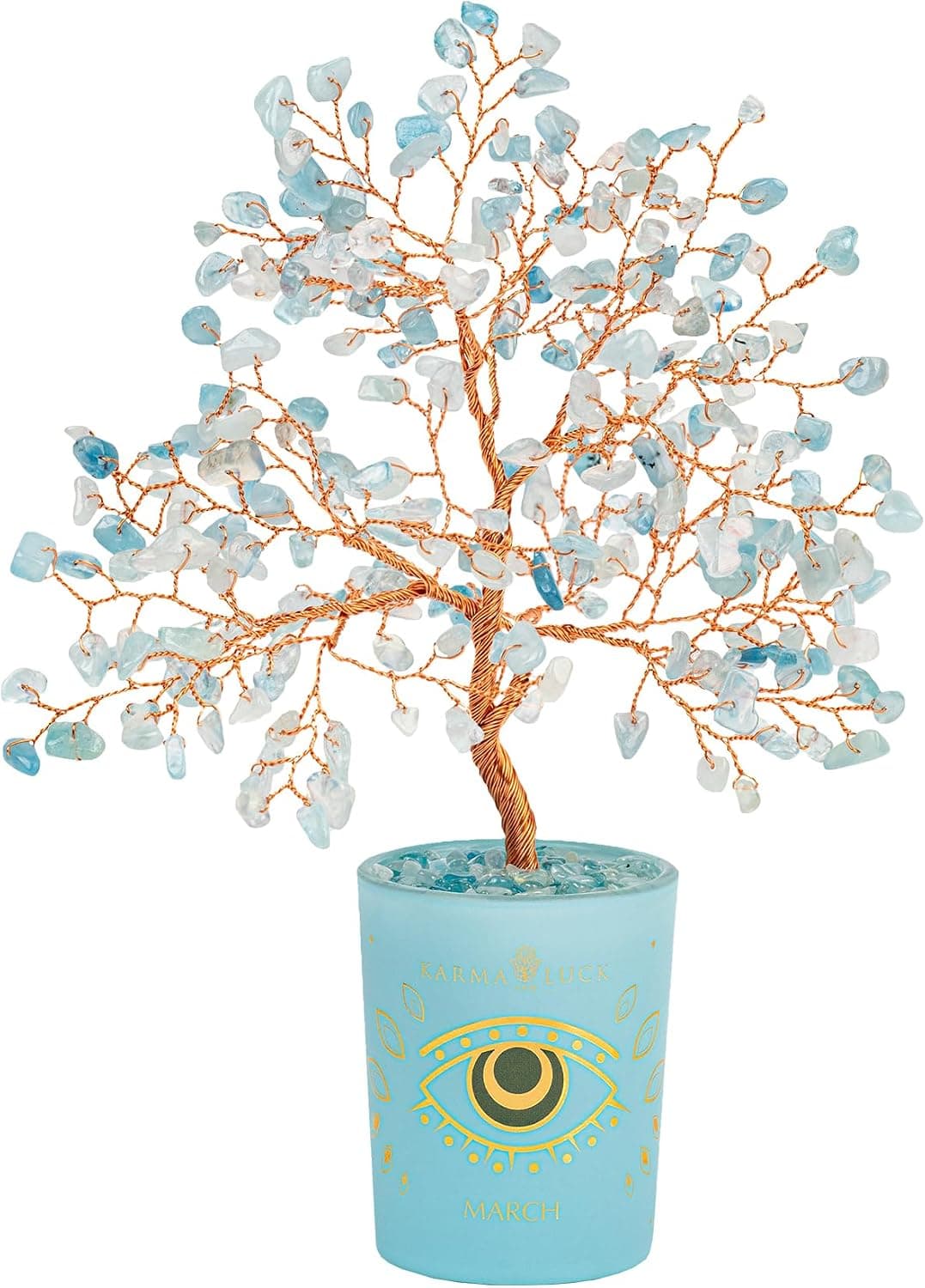 -29%
-29%Karma and Luck March Birthstone Crystal Tree of Life, Aquamarine Gemstone Fen...
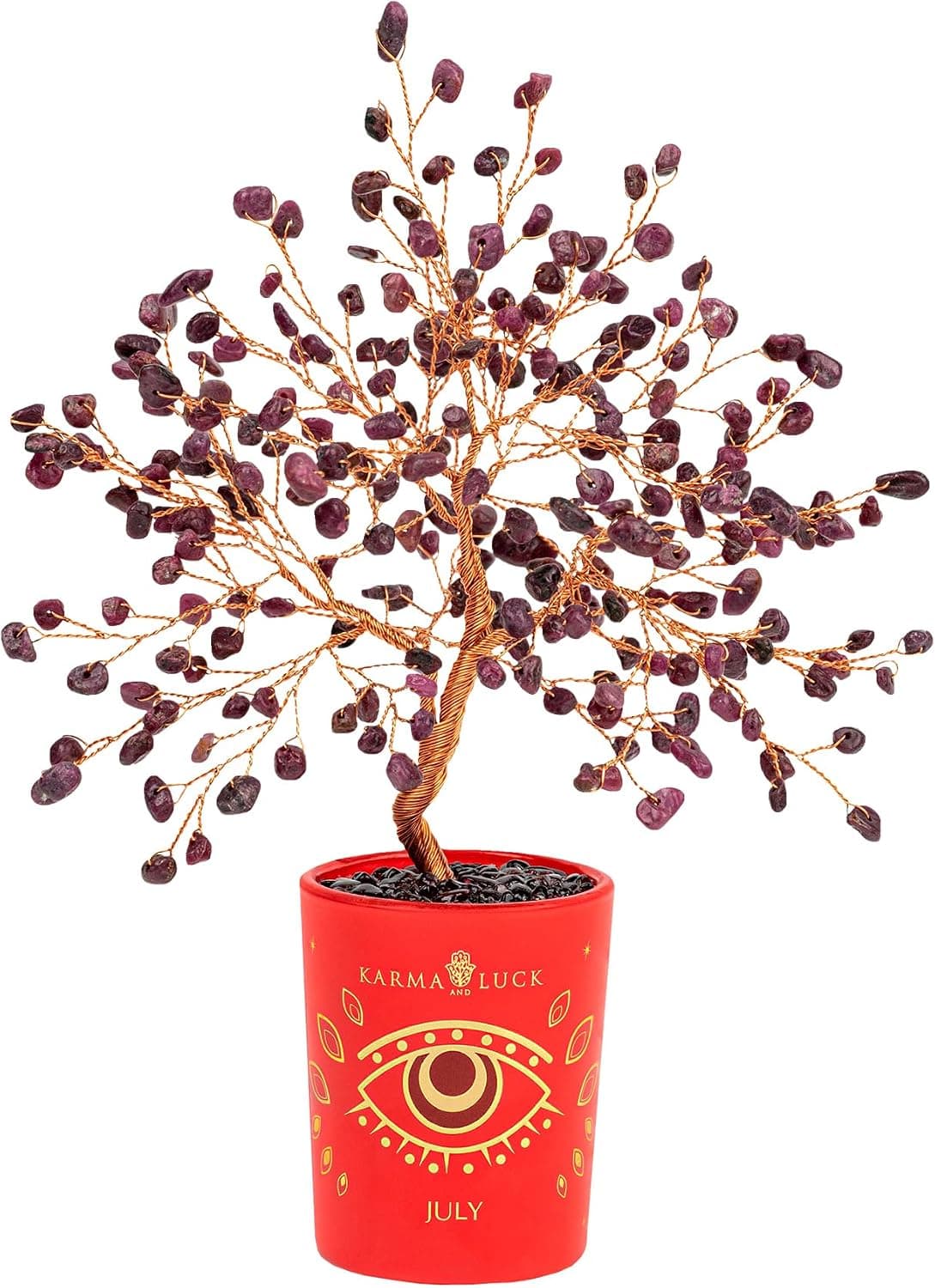 -29%
-29%Karma and Luck July Birthstone Crystal Tree of Life, Ruby Gemstone Feng Shui ...
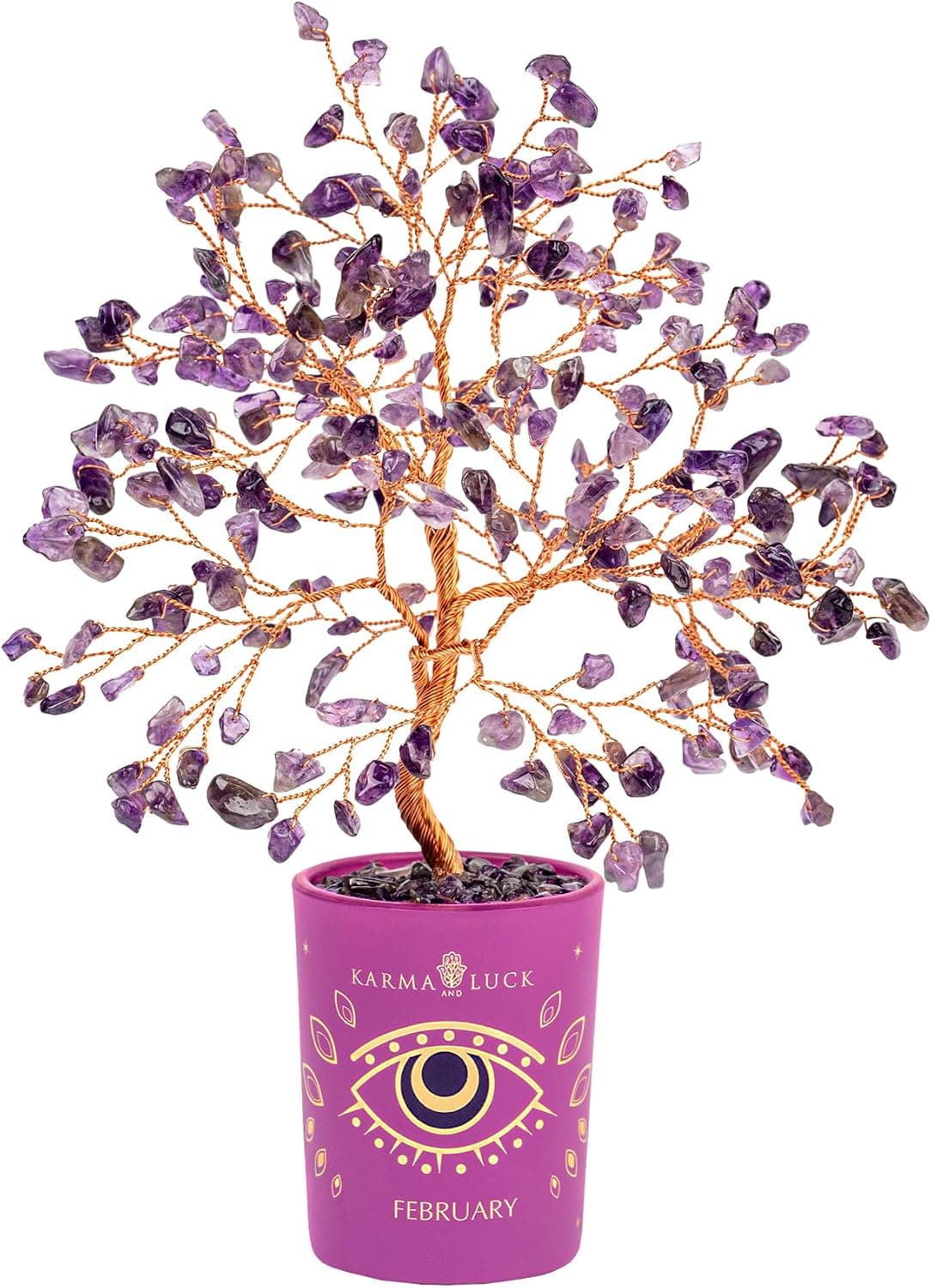 -29%
-29%Karma and Luck February Birthstone Crystal Tree of Life, Amethyst Gemstone Fe...
 -50%
-50%biuufish Feng Shui Black Obsidian Bracelet for Men Women, 24K Gold Plated Pix...
As an Amazon Associate, we earn from qualifying purchases. We only recommend items our practitioners have personally tested.
Continue Your Journey
Explore these related guides to deepen your understanding:

Ready for Deeper Guidance?
Try our free I Ching reading for personalized wisdom, or explore our curated Feng Shui essentials.