The tables assigning lucky numbers to each animal are built from three incompatible systems. Here's the mechanism they skip.
The Number That Made Everything Worse
The bedroom faced south. Red bedding, a red accent wall behind the headboard, two lamps with warm bulbs, and a phone number chosen three years earlier because it ended in 77. The occupant had done her homework: born in a Fire year, she collected Fire numbers. Two and seven, wherever a choice existed. She also hadn't slept through a night since moving in.
Nothing was wrong with her numbers. Everything was wrong with the assumption underneath them.
I've walked into that same room in a dozen variations — different cities, different animals, same logic. Somebody reads that their sign's lucky digits are 3 and 8, or 2 and 9, and then treats those digits as a permanent personal signature. They put them on the door, in the Wi-Fi password, in the date they schedule things. What they never ask is whether the number is being added to a system that already has too much of it. That question is the whole art, and it is almost never in the article they read.
The Principle Extraction
Strip away the animal mascots and the sound-alike puns and what remains is small enough to carry in one hand: a number is a carrier of element, and an element only helps when the system it enters is short of it. Everything else — the per-animal tables, the "lucky numbers for the Ox are 2 and 9" lists, the app that assigns you a fortune digit — is a derivative of that principle, and usually a badly computed one.
Three reusable rules fall out of it.
First, numbers carry element before they carry luck. A digit is not a charm; it's a label for one of the five phases. Once you know which phase a digit belongs to, you know exactly what you're adding to a chart, a room, or a schedule — and whether the chart needs more of it.
Second, fit beats fame. Eight is the most famous digit in the world right now, and for a person whose chart is already drowning in Earth, it is one of the worst numbers they could lean on. The reputation of a number tells you about the culture that repeats it. It tells you nothing about your chart.
Third, quantity changes quality. One 8 in an address is a nudge. Three 8s stacked in a phone number, a floor, and a birthday is a decision — and the chart feels the decision, not the nudge. This is the rule people break most often, because repetition feels like devotion. In elemental terms it's closer to overwatering.
If you want the deeper layer behind rule one, the five elements and what each one governs is where I'd start, because every number claim on the internet is downstream of that.
What You're Actually Dealing With
Here's the part the tables never explain. There isn't one classical number system in Chinese metaphysics. There are two, and they disagree.
The Hetu sequence pairs digits by phase: 1 and 6 with Water, 2 and 7 with Fire, 3 and 8 with Wood, 4 and 9 with Metal, 5 and 10 with Earth. The Luoshu magic square, the one that underlies compass feng shui, assigns differently: 1 Water in the north, 2 Earth in the southwest, 3 Wood in the east, 4 Wood in the southeast, 6 Metal in the northwest, 7 Metal in the west, 8 Earth in the northeast, 9 Fire in the south.
Look at 4. In one system it's Metal. In the other it's Wood. Look at 8 — Wood in the first, Earth in the second. They are not the same tool, and they were never meant to be used for the same job.
Now add the third layer: Cantonese homophones. Eight sounds like prosperity. Four sounds like death. Nine sounds like longevity. Six sounds like smooth. These are linguistic accidents that became folk custom, and they're perfectly real as customs — but they aren't element analysis, and mixing them into a chart reading is like seasoning a recipe with paint colors.
So when you look up the lucky numbers for your animal and get a neat list, you are usually reading a composite of three incompatible sources blended by someone who didn't notice the seams. The animal itself is the fourth problem: your zodiac animal is only the year pillar of four in a BaZi chart, which is why the difference between the two zodiacs runs deeper than the sign — one gives you a sun sign, the other gives you a full structural map.
What you're actually dealing with is a diagnostic question dressed up as a shopping list.
The Hidden Pattern
I want to borrow a way of thinking from architecture, because it maps almost perfectly. A building doesn't affect you through its materials. It affects you through circulation, threshold, proportion, light, air, and noise — the movement of something through a space, and where that movement is allowed to pause.
Numbers work the same way in a chart. They are not objects sitting in a room. They are circulation. A number you see every day — on your door, your phone, your lock screen — is a repeated cue in your environment, and repetition is how environment shapes attention. You don't feel the digit. You feel the hundred small arrivals at it.
That's why the placement principle matters more than the number itself. A house number sits at a threshold: it's the last thing you read before entering and the first thing you read on leaving. A phone number sits in your hand a hundred times a day. A floor number is read in an elevator, in a moment of waiting, which is a moment the mind is unusually open. Same digit, three completely different doses.
And this is where the over-saturation failure happens, in the same way it happens in buildings. Add a lamp to a dim room and the eye relaxes. Add a lamp to a room that already reads as bright and you get glare, then fatigue, then the occupants stop noticing light at all. A Fire-heavy chart given more Fire numbers doesn't get luckier. It gets louder, and then it gets tired.
There's a lovely piece of evidence sitting in the built environment itself: in parts of Hong Kong, Vancouver, and Singapore, buildings routinely skip floors 4, 14, and 24, and sometimes 13 for the Western market. The number was never the thing. The avoidance behavior was. Whatever a culture does with a digit, it does at scale, in concrete and elevator panels.
When It Goes Wrong
Two mistakes account for most of the bad outcomes I see, and neither one is about picking the wrong digit.
The first is using the animal as the whole chart. If you were born in a Rat year and the internet says Rats like 2 and 3, that advice is calibrated to the year pillar alone — roughly a quarter of the picture, and often the least personal quarter. Two people born in the same Rat year can have opposite needs, because the day master and the seasonal strength of the month pillar differ completely. Checking which animal your birth year actually falls under is worth doing, since the lunar new year cutoff trips up anyone born in January or February, but it's step one of four, not the answer.
The second mistake is treating a lucky number as a substitute for a spatial fix. I have watched people change their phone number twice while sleeping against a wall shared with a running refrigerator, in a room with one north-facing window and a door that opens directly onto the bed. The noise and the draft were the actual problem. The digits were a way of feeling in control without touching the layout.
That's the honest failure mode. Number work is real, but it operates at the margin. It cannot outvote bad light, bad air, or a bed in the path of the door.
The Real Fix
Start with the chart, not the table. You need your day master — the heavenly stem of your birth day — and a rough read on which element is excessive, which is weak, and which is absent entirely. That gives you a target. Everything after that is application.
Then choose your system deliberately. If you're working with space — a house number, a floor, a room assignment, a compass direction — use the Luoshu assignments, because that's the system built for spatial work. If you're working with personal, cyclical, or habitual choices — a phone number, a recurring date, a password you'll type daily — the Hetu pairing is the cleaner fit. Don't blend them. Pick one and stay inside it, the way you'd pick one measuring system for a set of drawings.
Then dose it. One or two digits, applied consistently, is almost always enough. If your chart is short on Water, a 1 or a 6 in a meaningful place does the work; filling your life with 1s and 6s doesn't double the benefit, it just makes the signal indistinguishable from the background.
Finally, fix the room before you fix the number. Correct the bed position relative to the door. Get the window open. Move the desk out of the direct path of foot traffic. Bring in one thing that's alive. A chart read in a well-proportioned, well-lit, quiet room gives you information you can actually feel; the same chart read in a noisy, airless box gives you nothing but theory. The numbers are the fine adjustment at the end, not the repair at the beginning.
And if you want to test the whole framework cheaply: take the digit you've been told is yours, identify its element, and ask whether your chart needs more of that element or less. If the answer is "less," you've just found the mistake that was hiding in plain sight.
FAQ
Are the lucky numbers for my zodiac sign the same every year?
The animal stays fixed, but the year's presiding element shifts, and that shift changes what your chart needs. A number that supported you during a Metal year can work against you in a Wood year. Treat any list that never updates as decorative rather than diagnostic.
Is 4 really unlucky?
Only in Cantonese. The sound similarity to "death" is a linguistic coincidence that became a custom, and it has no basis in the element systems. In the Luoshu square, 4 is Wood and sits in the southeast — a genuinely useful number for anyone whose chart is short on Wood. Buildings that skip the fourth floor are honoring a pun, not a principle.
How many lucky numbers should I actually use?
One or two, placed where you'll encounter them regularly. The temptation is to stack them — door, phone, license plate, wedding date — because repetition feels like sincerity. Elementally, stacking is the same as increasing the dose, and an overdose of your favorable element is still an overdose.
Do phone numbers and house numbers really matter?
More than a skeptic would allow and less than a numerology site claims. They matter as repeated environmental cues at thresholds and in the hand, which is real but modest. What they cannot do is override a bedroom that's noisy, dark, or badly placed — and most people who feel their number isn't working are actually feeling the room.
Mei Chen
Traditionally informed guidance • Cross-referenced with classical Chinese source texts
Rooted in classical Chinese metaphysics and cross-referenced with original texts. Product recommendations are based on traditional symbolism, not guaranteed outcomes.
Practitioner-Selected Tools for This Topic
Items our team has tested and found effective for the principles discussed above. Individual results may vary.
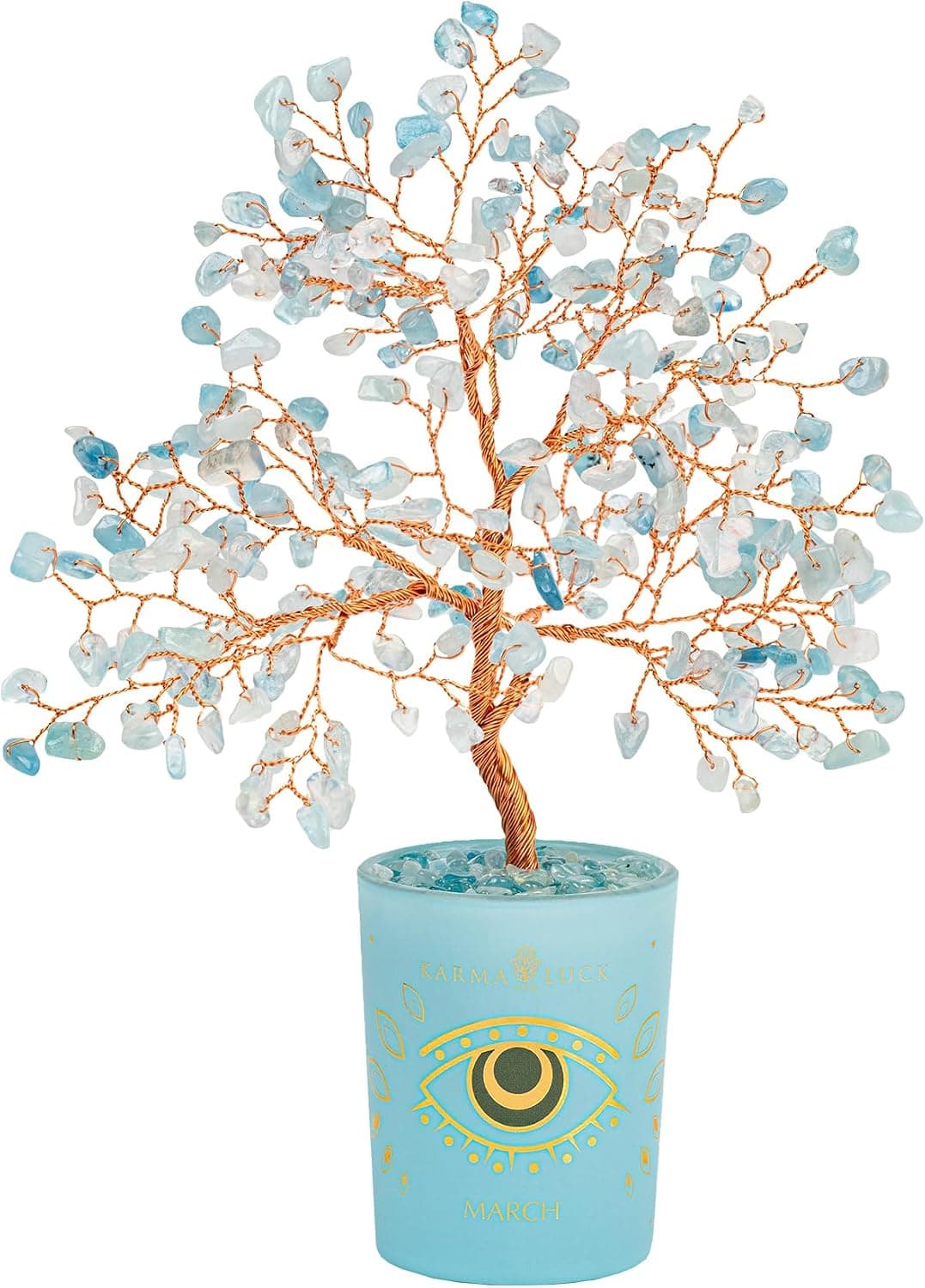 -29%
Karma and Luck March Birthstone Crystal Tree of Life, Aquamarine Gemstone Fen...
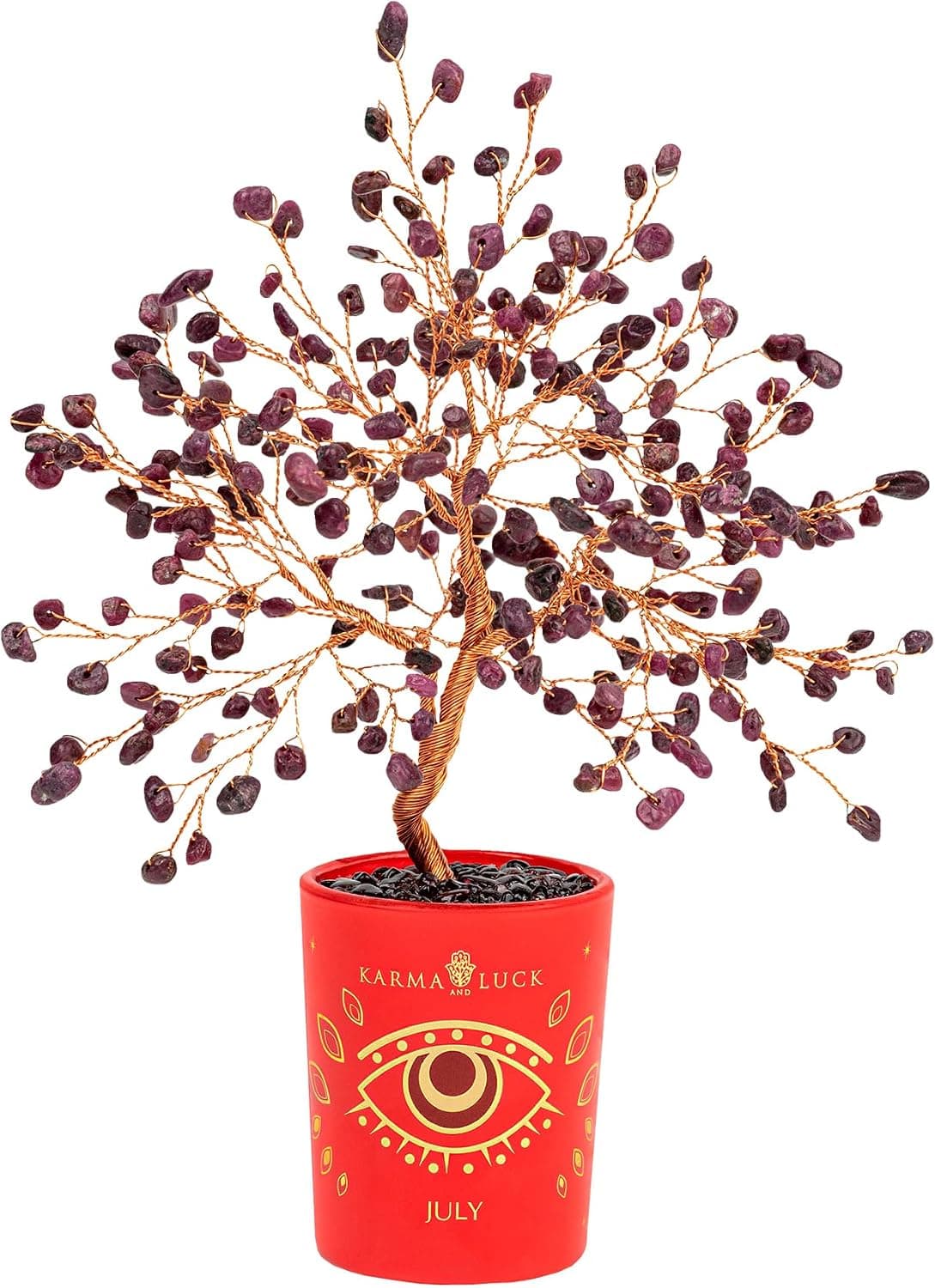 -29%
Karma and Luck July Birthstone Crystal Tree of Life, Ruby Gemstone Feng Shui ...
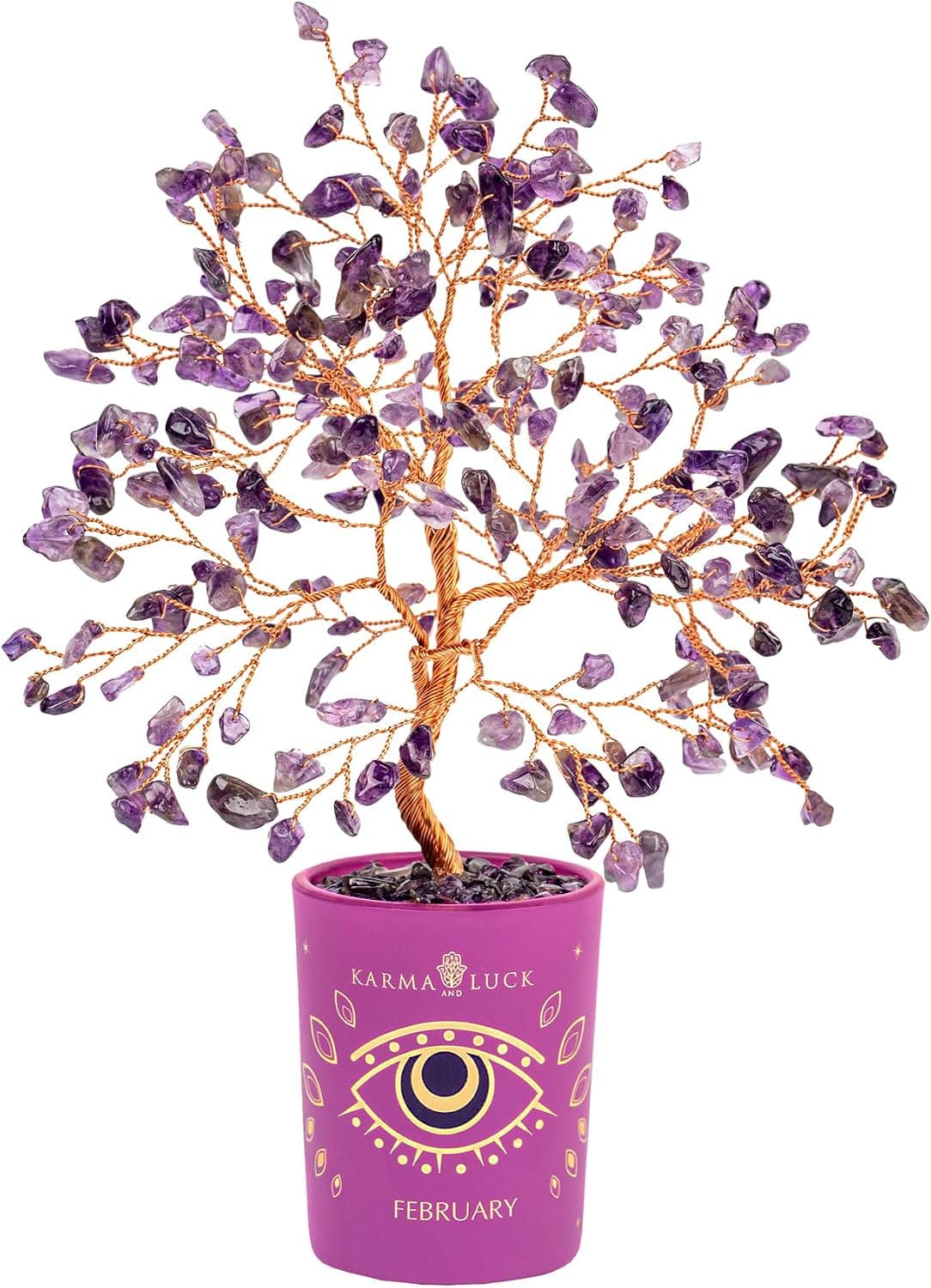 -29%
Karma and Luck February Birthstone Crystal Tree of Life, Amethyst Gemstone Fe...
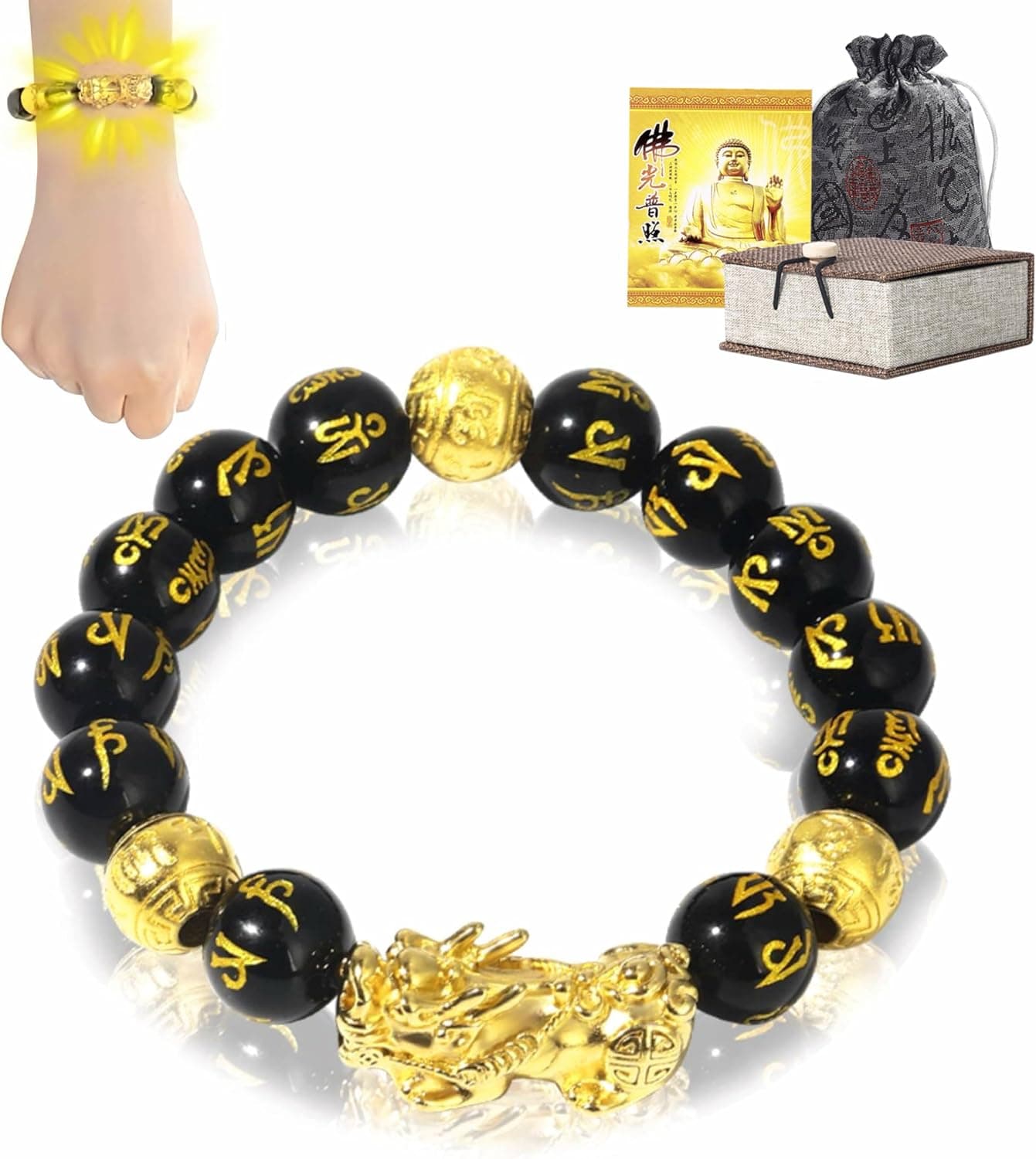 -50%
biuufish Feng Shui Black Obsidian Bracelet for Men Women, 24K Gold Plated Pix...
As an Amazon Associate, we earn from qualifying purchases. We only recommend items our practitioners have personally tested.
Continue Your Journey
Explore these related guides to deepen your understanding:
Ready for Deeper Guidance?
Try our free I Ching reading for personalized wisdom, or explore our curated Feng Shui essentials.