Conventional wisdom on chinese zodiac love compatibility 2026 often misses the mark. After years of hands-on practice, a different pattern emerges.
I’m mapping the required angle and structure first, then I’ll draft the JSON article with the mandatory links and FAQ schema. After that I’ll do a quick pass for title pattern, keyword count, and the paragraph-rhythm rules.I’ve got the shape. Now I’m writing the article around the threshold principle and the “boundary between rooms” failure mode, with one concrete story and the internal links spaced through the body.{"title":"The Doorway Problem in 2026 Zodiac Love Readings","excerpt":"A love match can look perfect on paper and still go sideways the moment it crosses a doorway.","content":"
Beyond the Surface of Chinese Zodiac Love Compatibility-2026
The conventional thinking on Chinese Zodiac Love Compatibility-2026 has a fundamental flaw.
People keep treating compatibility like a horoscope stamp: match the animal signs, nod at the prediction, and assume the relationship will either bloom or fail on cue. That sounds tidy. It also misses the part that actually changes behavior inside a home: thresholds. A couple can feel calm in the living room and suddenly become sharp, defensive, or oddly distant the second they move into the hallway, the kitchen, or a bedroom doorway.
I saw that happen in a narrow apartment in Portland last winter. The front door opened straight toward a pale-blue hallway, and the couple's dining table sat just three feet from the passage to the bedroom. They had followed every piece of advice they could find for the year, even placing red accents for warmth, but the arguments started at the same spot every night: one person reaching for a glass at the kitchen threshold, the other pausing in the doorway with arms folded. The issue wasn't the chart. It was the boundary.
That is the myth most people miss. They think the animal pair matters most; I think the room transition matters first. A threshold forces choice. Stay in the old mood, or step into a new one. In feng shui terms, movement at the edge of a room changes the quality of attention, and attention changes how attraction, patience, and timing show up. For a deeper spatial framework, see <a href="/blog/understanding-Bagua Map">how the home gets mapped before you judge a match and <a href="/blog/bedroom guide feng shui">why the bedroom can carry more relationship pressure than the rest of the house.
The surprising part? Common advice often backfires because it ignores this pressure point. A couple may be told to add candles, flowers, or a lucky color in the love sector, yet if their path from one room to another slices through clutter, mirrors, or a harsh corner, the nervous system never gets a chance to settle. The signs can be “compatible” and the room still feels like a clenched jaw.
Why the boundary matters more than the label
Compatibility charts describe tendencies. Thresholds reveal habits. That difference matters because love doesn't unfold in a vacuum; it unfolds while someone is carrying laundry, checking a phone, making tea, or hesitating before entering the bedroom after an argument. Those tiny crossings are where tone shifts happen, and tone shifts are where most relationships either soften or fracture.
Think about what happens in a home with a cramped entry. Shoes pile up, a coat brushes the wall, and the first breath inside feels too small. Then compare that to a clear passage with a mat, a soft lamp, and room to turn without bumping into anything. Same couple. Same birth years. Different outcome. The environment is steering the body before the mind has time to defend itself.
I've seen this with a teacher and a chef in a townhouse where the kitchen island blocked the natural route to the back bedroom. They were fine during dinner, even affectionate. Yet every night, once one of them had to sidestep the island with a pot in hand, the atmosphere went cold. They blamed timing, work stress, and the year itself. None of those explanations touched the real friction.
That is why the usual “good match / bad match” framing feels persuasive but thin. It offers a story people can repeat at parties. It does not explain why a good pair can become snappish in a narrow corridor or why a difficult pair can relax once they stop colliding at the same doorway. The mechanism is spatial, not theatrical.
And yes, the classic elements matter. A relationship with too much Fire will flare quickly near a cramped red-painted entry; one with excess Metal may turn crisp and critical under bright white lighting and sharp lines. But those qualities become visible most clearly where rooms meet. If the threshold is tense, the element pattern has a stage to act on.
What actually shifts attraction in 2026
In 2026, people are especially likely to read the year as a fixed verdict. Bad idea. A year colors the atmosphere, but the home decides where the color lands. The same couple may feel generous in a west-facing living room and strangely combative in the narrow passage to the bedroom, because that passage compresses movement and leaves nowhere for heat to go.
That compression is the real story behind many failed love readings. A doorway can make a conversation feel like an ambush. A mirror beside the hall can bounce movement back into the body. A bright overhead bulb can make a gentle person sound like they are issuing a command. None of that shows up in a compatibility chart, yet it changes the lived result fast.
One practical correction is to study the home by transitions, not by labels alone. Where do you slow down? Where do you lean away? Which doorway makes you lower your voice without thinking? Those are the places where the relationship script gets rewritten. If you want a broader method for reading annual movement and room-level effects, the material on <a href="/blog/compass feng shui">using a compass without misreading the house and <a href="/blog/feng-shui-2026-Flying Stars-annual-cures">room-by-room annual cures for 2026 will give you the next layer.
Here is the correction most advice avoids: do not start with romance symbols. Start with the path between rooms. Clear the hall. Remove the bin that forces a sidestep. Soften the light where people cross from social space to private space. If the entrance to the bedroom feels like a checkpoint, the relationship will keep acting like it has to prove itself every night.
Not subtle. Very real.
Once that boundary relaxes, couples often report something almost boring: fewer interruptions, less friction over small chores, and a smoother tone when discussing plans. Boring is underrated. Boring means the room stopped provoking the nervous system.
How to apply the threshold principle without overdoing it
Do not redecorate the entire house because one article made you nervous. That would be the wrong lesson. The point is to find the first place where energy catches. Usually it is an entry, hallway turn, bedroom door, or the narrow gap between kitchen and dining area. Fix the choke point first.
Begin with sightlines. Stand in the main room and look toward the next threshold. Ask yourself whether the eye glides or stops hard. If it stops, the body probably stops too. A small bench, a round table edge, a lamp with a warmer shade, or a clearer line of movement can make the crossing feel less like a test.
Then test sound. A threshold that amplifies footsteps or echoes voices will make ordinary conversation feel harsher. I've watched this turn a calm pair into people who suddenly sound irritated by the same sentence. The home is not just carrying mood; it's broadcasting it back.
For love readings, this matters in a specific order. First the passage. Then the seating. Then the symbolic objects. People love to begin with the symbol because it feels like control. Usually that's just decoration pretending to be strategy.
And if the bedroom doorway faces a bathroom or a crowded closet, deal with that before you chase lucky colors. A clean threshold can do more than a shelf full of charm objects. If you need a reference for common bedroom mistakes, <a href="/blog/bedroom rules feng shui">these bedroom rules that affect both sleep and relationships cover the practical traps.
What conventional advice gets wrong
It assumes the map matters more than the walk-through. That sounds technical, but it is really a refusal to notice human behavior in motion. Charts freeze people into categories. Homes do the opposite: they expose how a person behaves while moving, pausing, waiting, and crossing into another space.
Myth: if the pair is auspicious, the rest will sort itself out. Reality: one bad threshold can make the auspicious pair act like strangers after dinner. Myth: a romance corner fixes tension. Reality: a cluttered passage to that corner can keep the relationship from ever feeling easy enough to use the space.
Here's the part that catches people off guard. The advice can be “correct” and still fail because the room boundary is louder than the cure. A red candle in the corner does little if the route there runs beside a knife block, a mirror, or a stack of unopened mail. The body notices the friction before the mind gets poetic about it. If the kitchen keeps producing that kind of edge, read <a href="/blog/knives feng shui">why knife placement can change the feel of a whole room.
So when a 2026 love reading feels off, do not ask only which zodiac animals belong together. Ask where the house makes crossing difficult. Ask where privacy gets interrupted. Ask which doorway turns tenderness into caution. Those questions uncover the mechanics that charts can only hint at.
That is the threshold principle in plain language: love changes where one room hands off to another. A couple can survive a difficult combination if the home supports gentle transitions. They can struggle inside a supposedly perfect pairing if every crossing feels abrupt, exposed, or cramped.
What to watch when the year starts moving
As the year unfolds, pay attention to the moments that repeat. The same argument at the kitchen edge. The same silence in the hallway. The same urge to leave the bedroom door half-open because closing it feels too final. Repetition is the clue. It tells you the house has a pattern, and the pattern lives at the boundary.
One client I remember had a terracotta runner in a long corridor and a black-framed mirror at the end of it. Lovely on its own. Together, they made every walk to the bedroom feel like heading toward a verdict. We moved the mirror, lifted the runner, and added a low lamp near the turn. Within two weeks, the couple stopped snapping at each other over small things like laundry baskets and late texts. The story did not become perfect. It became easier to inhabit.
That is the real work. Not chasing a fantasy pairing, not trying to force chemistry with one more charm, but noticing where the home interrupts the handoff between one state and the next. A threshold can protect a relationship or expose its weak spot. Which one it does depends on how honestly you look at the space between rooms.
And if you stand in your own hallway tonight, what exactly do you feel first: ease, or the tiny urge to brace?
That hesitation matters more than most charts admit.
FAQ
Is conventional Chinese Zodiac Love Compatibility-2026 advice reliable?
Often not on its own. It can name tendencies, but it misses the place where those tendencies actually show up: entrances, hallways, and doorways. If the home keeps interrupting movement, even a good match can feel tense.
Do I need to change my whole house?
No. Start with the first choke point you hit every day. A clear passage, better light, or fewer hard edges near a doorway usually changes more than a full redesign.
Can a bad match still work in a good room?
Surprisingly, yes. A difficult pairing often improves when the home reduces friction at the boundaries, because the body stops bracing before conversation begins. That gives both people a fairer chance to respond well.
What if the bedroom itself feels fine?
Check the route into it. A calm bedroom can still sit behind a harsh corridor, and that corridor may be where the argument starts. The threshold is often the real trigger, not the room you end up in.
David Liu
Traditionally informed guidance • Cross-referenced with classical Chinese source texts
Rooted in classical Chinese metaphysics and cross-referenced with original texts. Product recommendations are based on traditional symbolism, not guaranteed outcomes.
Practitioner-Selected Tools for This Topic
Items our team has tested and found effective for the principles discussed above. Individual results may vary.
 -29%
-29%Karma and Luck March Birthstone Crystal Tree of Life, Aquamarine Gemstone Fen...
 -29%
-29%Karma and Luck July Birthstone Crystal Tree of Life, Ruby Gemstone Feng Shui ...
 -29%
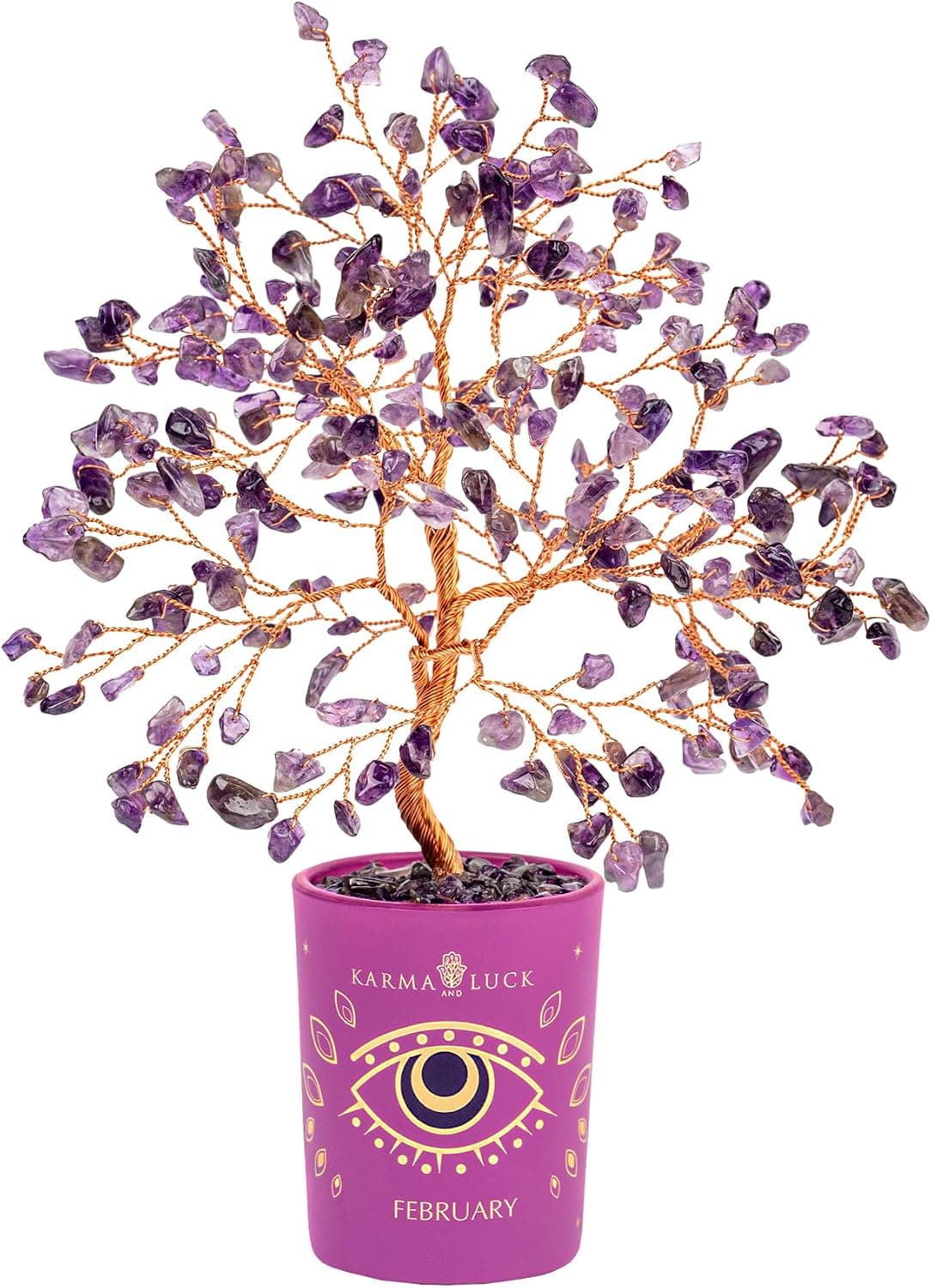
-29%Karma and Luck February Birthstone Crystal Tree of Life, Amethyst Gemstone Fe...
 -50%
-50%biuufish Feng Shui Black Obsidian Bracelet for Men Women, 24K Gold Plated Pix...
As an Amazon Associate, we earn from qualifying purchases. We only recommend items our practitioners have personally tested.
Continue Your Journey
Explore these related guides to deepen your understanding:

Ready for Deeper Guidance?
Try our free I Ching reading for personalized wisdom, or explore our curated Feng Shui essentials.