Animal signs only tell the first layer. Real compatibility shows up in element exchange, Day Master balance, and how the relationship handles pressure.
Observation: a poor match can feel surprisingly right
Two people can look terrible on paper and still build a steady marriage. I’ve seen a Rat and Horse pairing that should have sparked constant friction, yet the relationship felt calm because one partner carried the missing Water the other needed, and the other brought the Fire that kept the home moving. That is the first thing people miss about a proper compatibility chart: attraction is only the front door. What matters is whether the house has circulation once you step inside.
In a bedroom, good circulation means you can move without bumping furniture every few steps. Romance works the same way. Some couples look “compatible” because their animal signs are praised in simplified lists, but the room is congested: both want the same emotional role, both need the same reassurance, or both are pulling on the same resource. The result is not harmony. It is crowding.
That is why the common Western habit of treating Chinese zodiac pairing like sun-sign matching misses the older method. Classical Chinese reading was layered, not flat. It moved from the visible animal, to the Earthly Branch, to the element, then to the Day Master and ten gods. That sequence matters. It changes everything.
Once, I looked at a north-facing bedroom with pale blue walls, a black metal bed frame, and two identical nightstands placed so tightly against the bed that walking through the room felt like edging down a narrow hallway. The couple sleeping there fought on and off, but never about the same issue twice. The pattern was obvious: the room had no threshold, no breathing space, no proportion. Their charts were similar in the same way. Too much overlap. Not enough exchange.
The problem: pair charts flatten a full birth chart into one animal
The most common mistake is simple. People see one sign and stop reading.
That habit produces neat answers and bad relationships. A chart list can tell you that certain animal signs are traditionally friendly, clashing, or neutral. Useful? Yes. Sufficient? No. It ignores the fact that a couple is never just two animals sitting beside each other. Each person brings a whole structure of element balance, hidden stems, timing, and relationship functions. If those deeper layers do not cooperate, the headline match can fail for reasons the chart list never even names.
Think of it like architecture. A building can have beautiful materials and still fail if the hallways are too narrow, the windows are all on one side, or the load is concentrated in one corner. Compatibility works the same way. A relationship is not made stable by one pretty label. It needs proportion, light, and a workable path for energy to move.
This is why the classical method was never just animal-sign astrology. It was correspondence reading. The animal sign offered a surface pattern, but the deeper layers revealed whether a bond was nourishing, draining, or simply intense. Modern pop versions often flatten that into “best match” and “worst match.” That sells easily. It also leaves people confused when a supposedly ideal pairing keeps tripping over the same invisible step.
The reason is causal, not mystical. If both people rely on the same emotional function, they may keep asking the other to perform a job neither one can sustain. If both charts are heavy in the same element, they may amplify each other’s excess instead of balancing it. If their branches interact in a hidden clash, the friction may only appear once commitment, stress, or intimacy makes the pattern visible.
And no, conflict is not always a sign of deep passion.
The four layers that change love compatibility in Bazi
Start with the animal sign, but do not stop there. It gives the broadest social impression: how a person may approach contact, timing, novelty, and instinctive response. It is the outer shell. Helpful, not decisive.
Next comes the Earthly Branch. This is where hidden relationships live. Branches can combine, clash, harm, or support one another in ways that are far more specific than the headline animal. If two people have a strong visible attraction but keep colliding in certain situations, the branch layer often explains why. The chemistry is real. So is the threshold they keep hitting.
Then comes the element. This is where the climate of the pairing shows itself. A Wood-heavy person paired with another Wood-heavy person may feel motivated and inspired at first, but they can also become rigid, idealistic, and stubborn. A Fire-and-Water pairing can generate heat and movement, or repeated conflict, depending on which chart supplies stability and which one is already under pressure. Elemental analysis is not about labels. It is about exchange.
The deepest layer is the Day Master and the ten gods. This is where love stops being abstract. The Day Master shows the self at the center of the chart, while the ten gods describe how a person experiences support, control, expression, desire, and responsibility. Two people can have easy animal-sign harmony and still fail because both expect the other to provide the same emotional function. One wants reassurance. The other wants leadership. Both keep waiting. Nothing arrives in the right form.
That is the core of the element system behind the signs: it explains not only who attracts whom, but how the relationship actually behaves after the first spark.
Chinese zodiac and Western sign thinking are often compared as if they answer the same question. They do not. Western sun-sign talk usually emphasizes personality style. Bazi asks something more structural: where is the energy coming from, where does it go, and what role does each person play inside the exchange?
Seen together, these four layers explain why a pair chart can be right in one way and wrong in another. The animal sign describes the opening scene. The branch describes the hidden mechanics. The element describes the balance of forces. The Day Master and ten gods describe the roles that make love sustainable or exhausting. When people skip that sequence, they turn a living system into a label.
That is also why two couples with the same animal pairing can have opposite outcomes. One couple may have complementary elements and clear role separation; the other may have mirrored needs and constant competition. Same outer match, different structural result.
Mei Chen
Traditionally informed guidance • Cross-referenced with classical Chinese source texts
Rooted in classical Chinese metaphysics and cross-referenced with original texts. Product recommendations are based on traditional symbolism, not guaranteed outcomes.
Practitioner-Selected Tools for This Topic
Items our team has tested and found effective for the principles discussed above. Individual results may vary.
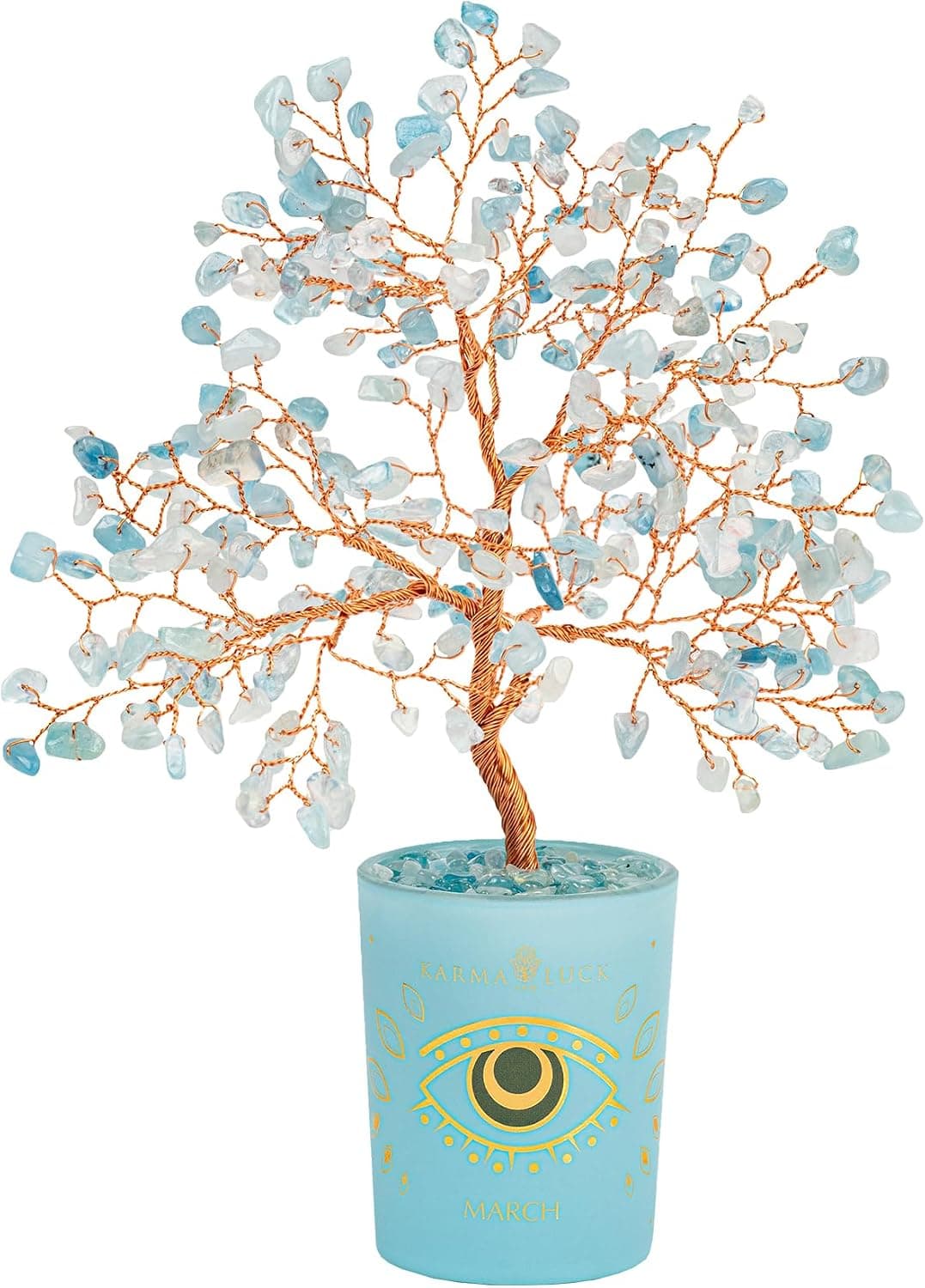 -29%
-29%Karma and Luck March Birthstone Crystal Tree of Life, Aquamarine Gemstone Fen...
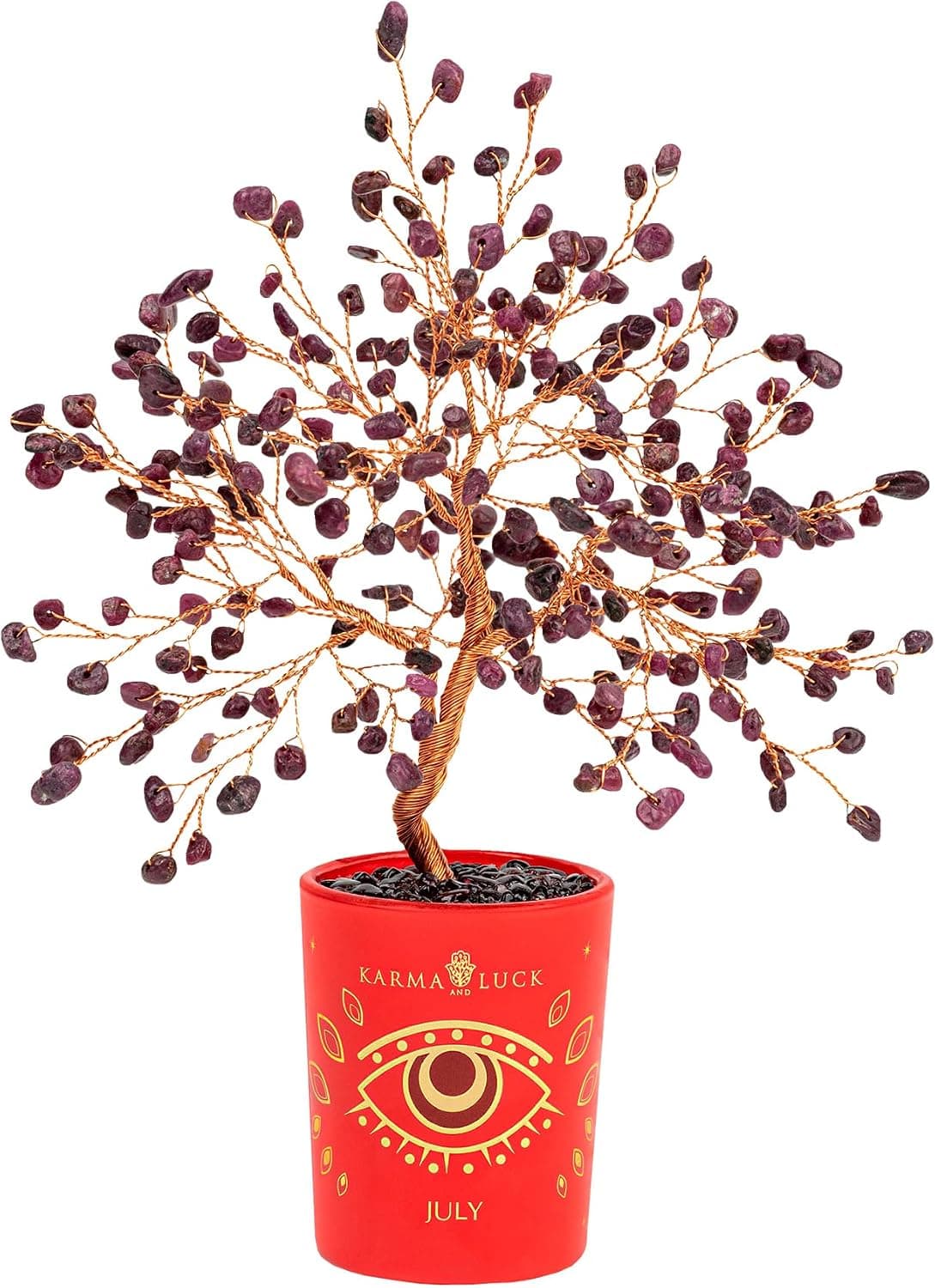 -29%
-29%Karma and Luck July Birthstone Crystal Tree of Life, Ruby Gemstone Feng Shui ...
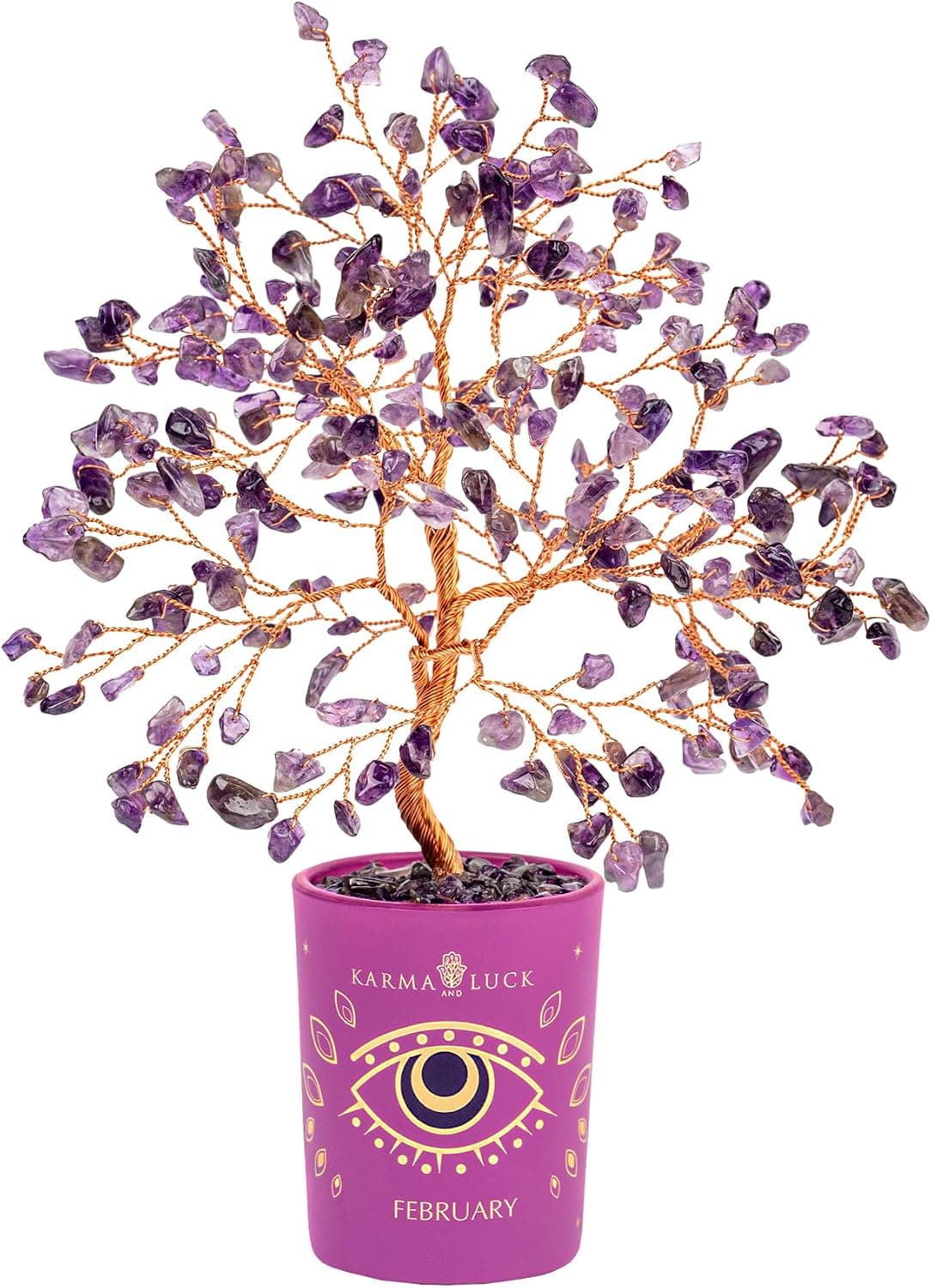 -29%
-29%Karma and Luck February Birthstone Crystal Tree of Life, Amethyst Gemstone Fe...
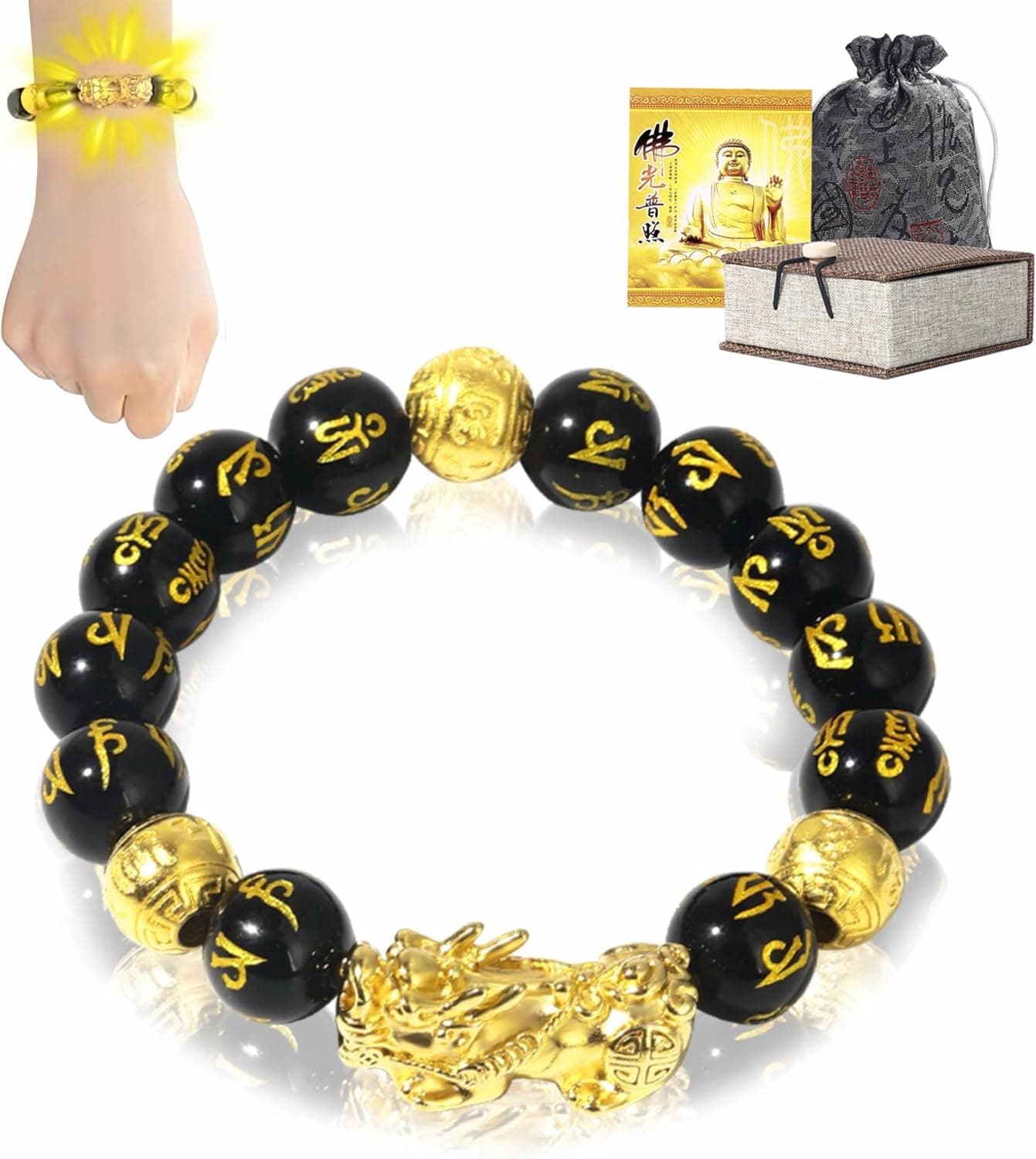 -50%
-50%biuufish Feng Shui Black Obsidian Bracelet for Men Women, 24K Gold Plated Pix...
As an Amazon Associate, we earn from qualifying purchases. We only recommend items our practitioners have personally tested.
Continue Your Journey
Explore these related guides to deepen your understanding:
Ready for Deeper Guidance?
Try our free I Ching reading for personalized wisdom, or explore our curated Feng Shui essentials.