Conventional wisdom on chinese zodiac health forecast 2026 often misses the mark. After years of hands-on practice, a different pattern emerges.
I’m , then I’ll draft the JSON with the required internal links and FAQ schema. After that I’ll do a quick pass for title bans, keyword count, and paragraph rhythm.{"title":"One Window Can Make or Break Your 2026 Zodiac Health Reading","excerpt":"The wrong window ratio can turn a careful 2026 zodiac health forecast into a mess of headaches, fatigue, and restless sleep.","content":"
Beyond the Surface of Chinese Zodiac Health Forecast-2026
The standard framework for C has an internal contradictionhinese Zodiac Health Forecast-2026 is typically understood. I walked into a small study in Oakland last winter and saw the setup everyone recommends: a clean desk, a jade plant, a brass bowl, and a chart taped beside the window. The homeowner, a retired nurse named Elaine, had followed every rule she found online. Yet she was waking at 3 a.m. with a tight jaw, dry eyes, and that wired feeling that makes a person reach for their phone instead of sleep. The problem was not the remedies. It was the room.
Look at the window-to-wall ratio before you look at the zodiac chart. Too much glass and the room behaves like a corridor of light and noise; too little, and stale air hangs around the bed like a wet coat. That ratio shapes how any annual forecast lands in the body. A person born in a supposedly lucky sign can still feel worn down if the room bleeds yang all day or traps it without movement. That is why a cure can fail in one apartment and work beautifully in another.
Conventional advice persists because it is easy to sell. Move a figurine. Hang a color. Wear a bracelet. People love visible action because it feels decisive, and the nervous system calms down for a minute. But a chart on the wall will not fix a bedroom with a six-foot sliding door facing west and a single narrow strip of drywall beside the bed. I have seen more than one person blame their birth year when the real issue was exposure: too much light before dawn, too much noise from the street, and not enough visual containment.
Here is the part people miss. In a room with large glazing, the annual message becomes amplified. A strong sector gets louder. A weak one drains faster. That is why the same zodiac guidance can feel clean in a den with two small windows and chaotic in a loft with glass from knee height to ceiling. Not even close.
Why the Room Shape Changes the Reading
Think of the window as a valve, not a decoration. It controls how much of the outside world enters the body through sight, sound, temperature, and rhythm. In a bedroom, a wide window at the foot of the bed can keep the mind alert long after the lights go out, especially if the curtains are thin or the streetlamp sits directly across the road. In a living room, the same opening can help the space breathe, provided the furniture creates a stable center. The annual forecast only becomes useful when the shell of the room can hold it.
That is why I push clients to measure before they rearrange anything. A simple rule helps: if glass dominates one entire wall and the remaining walls are bare, the space tends to overstate whatever yearly influence is present. If the room has modest windows, deep trim, or heavy drapery that can be closed at dusk, the forecast behaves more quietly and predictably. You can see this clearly in <a href="/blog/bedroom guide feng shui">bedrooms that actually support rest, because the balance of openness and enclosure changes how a body settles after dark.
The same logic appears in the old language of forms. San He and San Yuan schools may disagree on details, but neither ignores the container. Water without banks floods. Fire without a hearth scatters. A year’s luck for health is no different. The body notices edges, airflow, and light before it notices symbolism.
Small rooms with one oversized window often produce a strange pattern: energy spikes in the morning, then collapses by late afternoon. People think they are “sensitive to the forecast.” More often, they are sensitive to glare, temperature swings, and the lack of a visual anchor. That is not superstition. It is lived physiology wrapped in classical language.
The Backfire Story Everyone Ignores
Elaine had placed a red lamp in the east corner because a forum thread told her red supports life force in 2026. The lamp looked lovely at sunset. By 1 a.m., it was still bouncing warmth off a white ceiling, and her sleep kept breaking into fragments. She also had a wide uncovered window directly opposite the bed, about eight feet across, with no headboard tall enough to interrupt the line. The forecast was not wrong. The room was overdriving it.
This is where the conventional approach fails: it assumes symbolic cures override structure. They do not. A bright object near a large pane can intensify agitation, especially if the room already leans warm, reflective, or acoustically hollow. Meanwhile, a softer space with fewer reflective surfaces can absorb the same object without producing the same strain. The issue is not the object alone. It is the proportion.
Take a narrow guest room with one small window and dark wood furniture. Put the same red lamp there, and you may get too much heaviness rather than restlessness. Put it in a sunwashed loft, and the room may feel edgy by dinner. That is why spatial proportion matters more than blanket advice. The forecast changes tone according to the shell around it.
Wrong.
How to Read Your Space Before You Read the Year
Start with the simplest question: how much wall do you actually have left after the windows are counted? If the opening takes up more than a third of one side, you are dealing with a different health environment than a room where the windows are smaller and the walls can carry weight. In practical terms, that means thicker curtains, a sturdier headboard, and fewer shiny surfaces near the bed. In a home office, it may mean placing the desk so you are not staring into weather, traffic, or sunset glare for eight hours.
Then notice the direction of the light. Morning sun into an east-facing room can be cleansing and alerting. Late-day glare from the west can keep the nervous system half awake long after dinner. In a room with a high window-to-wall ratio, those effects multiply. People often report headaches, a scratchy throat, or a vague inability to settle. The forecast is blamed because the pattern arrives with the year, but the root cause is architectural.
When the room is too open, anchor it with mass. A long cabinet under the window, a fabric shade that actually lowers, and a chair angled toward the center can all lower the sense of exposure. When the room is too enclosed, create circulation instead of adding more objects. Open the upper half of the window for fifteen minutes, remove one bulky item, or switch out a heavy rug that traps the air. These are not flashy cures. They are corrections.
You can see the same principle in other areas of the house. A kitchen with cluttered blades feels sharp because it behaves sharp; the issue shows up as tension, not philosophy, which is why <a href="/blog/knives feng shui">knife placement changes the tone of a kitchen fast. Likewise, a room with too much glass can make a health forecast feel harsher than it is. The body reads surfaces faster than the mind reads intentions.
Sometimes the fix is as unglamorous as closing the sheer curtain before sunset. Sometimes it is moving the bed three feet so your first view on waking is a wall, not the alley behind the building. I once changed nothing except a pair of floor-length drapes in a Seattle condo and the owner stopped taking afternoon naps out of sheer exhaustion within a week. Same calendar. Different container.
Why Popular Advice Feels Right Anyway
People want a chart that tells them who gets sick, who gets lucky, and who needs a charm on the desk. It feels tidy. It also flatters the ego, because it suggests a single symbol can outrun a physical environment that has been misbuilt for years. That is the real reason surface-level guidance survives. It offers certainty without requiring a tape measure.
There is another reason. Most people notice change after a ritual, not after a correction. They place a crystal, feel hopeful, and sleep a little better because they expect relief. That improvement gets credited to the object, when what really helped was attention: they finally noticed the harsh lamp, the draft, or the desk shoved against the radiator. Hope matters. So does accuracy.
Good practitioners keep both. They do not dismiss annual influences; they place them inside the room’s actual proportions. In a balanced space, the year can be used. In a distorted space, the year gets distorted too. If you want to go deeper into the structural side, the <a href="/blog/feng-shui-2026-Flying Stars-annual-cures">annual cures for 2026 room by room only make sense once you know which rooms can hold them.
One more thing. The popular version of zodiac health forecasting treats people as isolated from their buildings. That is backwards. A body sleeps in a bedroom, eats in a kitchen, and recovers in a room that may be bright, dry, echoing, and overexposed for ten hours a day. The house is not a backdrop. It is part of the diagnosis.
When Conventional Advice Still Helps
Not every room needs a structural overhaul. If your windows are modest, the walls are balanced, and the bed already sits away from direct glare, then annual guidance can be useful in a lighter way. A color adjustment, a cleaner nightstand, or a carefully chosen object can support what is already working. The mistake is trying to use small symbolism to rescue a room that is physically loud.
That distinction matters in homes with mixed conditions. A front room with generous glass may need curtains, lamps, and furniture placement first. A smaller back bedroom may only need a softer palette and less clutter. The same forecast can be handled differently in each space because the spaces are not the same. The body knows the difference even when the spreadsheet does not.
For readers who want a broader framework, <a href="/blog/theory why your still five elements feels off even when you did everyt feng shui">the five elements explain why a setup can look correct and still feel off. Add the wrong proportion of light, and the mismatch becomes obvious. Add the right one, and the room stops arguing with the calendar.
That is the real test. If you walk into a room and your shoulders drop, your breath lengthens, and the day feels less sharp at the edges, the forecast has room to work. If you walk in and immediately want to leave the curtains shut and the overhead light on, do not blame the year yet.
FAQ
Is conventional Chinese Zodiac Health Forecast-2026 advice reliable?
Sometimes, but only inside a room that can actually carry it. A neat charm or a lucky color may help when the space is already balanced, yet it can fail in a sunblasted room with too much glass and no visual shelter. The structure comes first.
How do I know if my window-to-wall ratio is causing problems?
Watch for patterns: waking too early, afternoon headaches, or a sense that the room never quite settles. A big glass wall with thin curtains is a common culprit. So is a dark room that never gets refreshed with air.
Should I change the room or the yearly remedy first?
Change the room. Move the bed, soften the light, or cover the window better before you add more symbols. Once the container is steadier, any annual adjustment has a better chance of landing cleanly.
Can a bright room ever be healthy?
Absolutely. Bright does not mean harsh. A room with good daylight, solid walls, and real control over glare can feel excellent, especially if the furniture creates a center instead of leaving everything floating in space.
What if my apartment has almost all windows?
Then you work with layers. Use heavier drapes, taller furniture, and rugs that absorb sound. A reflective loft can be calming, but only if you stop the light from bouncing around like it has nowhere to land.
Does the zodiac forecast still matter if the room is fixed?
Yes, because timing and environment still interact. Once the room stops fighting you, the forecast becomes easier to interpret. Before that, you are mostly reading the building.
David Liu
Traditionally informed guidance • Cross-referenced with classical Chinese source texts
Rooted in classical Chinese metaphysics and cross-referenced with original texts. Product recommendations are based on traditional symbolism, not guaranteed outcomes.
Practitioner-Selected Tools for This Topic
Items our team has tested and found effective for the principles discussed above. Individual results may vary.
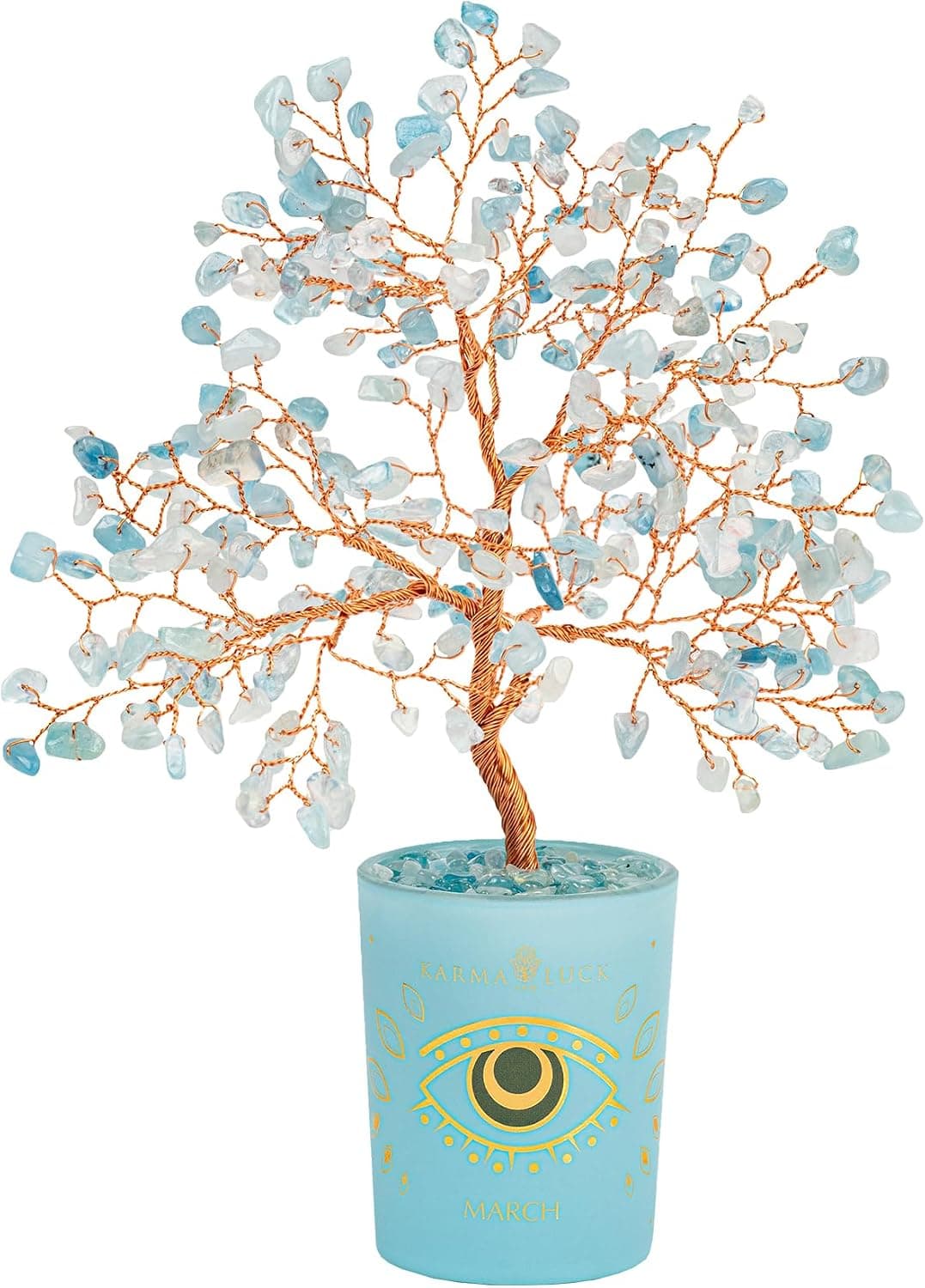 -29%
-29%Karma and Luck March Birthstone Crystal Tree of Life, Aquamarine Gemstone Fen...
 -29%
-29%Karma and Luck July Birthstone Crystal Tree of Life, Ruby Gemstone Feng Shui ...
 -29%
-29%Karma and Luck February Birthstone Crystal Tree of Life, Amethyst Gemstone Fe...
 -50%
-50%biuufish Feng Shui Black Obsidian Bracelet for Men Women, 24K Gold Plated Pix...
As an Amazon Associate, we earn from qualifying purchases. We only recommend items our practitioners have personally tested.
Continue Your Journey
Explore these related guides to deepen your understanding:

Ready for Deeper Guidance?
Try our free I Ching reading for personalized wisdom, or explore our curated Feng Shui essentials.