If the entry stays cramped and shadowed, a lucky object will not change a Dog’s 2027 feel of progress.
When the lucky charm did nothing
I watched a renter place a bright red bowl on the little table by the front door because a viral post promised it would “activate luck.” The hallway was still narrow, the mirror still caught morning glare, and the first thing the body met each day was a hard block of shadow. The result was predictable: the apartment looked decorated, but it did not feel open.
That is the first lesson in a proper zodiac-year reading for the Dog in 2027. The symbol matters, but the room decides whether the symbol lands or bounces off the surface. If you only add an object and nothing changes in movement, light, or scale, the mind labels the whole exercise as failed.
I have seen the same pattern in bedrooms, offices, and studio apartments. The object was “correct.” The feeling was not.
In 2027, that gap matters more than people expect because Dog energy tends to notice friction fast. A small obstruction can become a daily signal. A daily signal becomes a mood.
Why the usual Dog 2027 advice misses the room
Most Dog-year advice stops at color, charm, or direction, and that is too thin for real life. A red ribbon, a crystal, or a lucky figurine can be part of the reading, but only if the space can carry the message. Otherwise you are asking a whisper to compete with noise.
The better question is not “What should I place?” It is “What is the room already telling the Dog body to expect?” That sounds subtle, but it is the whole mechanism. If the entry forces you to turn sideways, if the desk sits in a pocket of shadow, or if the seating area is cut off by a heavy cabinet, the nervous system reads resistance before the mind invents a story for it.
That is why many people follow popular guidance and still feel stuck. They obey the symbol and ignore the circulation.
In a north-facing living room with a dark laminate floor, a black console, and one small lamp on the far side, a Dog person may feel oddly guarded even when the layout is “tidy.” The room is sending mixed signals. The path is interrupted, the light is uneven, and the proportion makes the decorative cure feel too small to matter.
What the Dog sign is really answering in 2027
The Dog is not asking for theatrical luck. It is asking whether the year feels trustworthy.
That is why I read the sign through the lived environment, not just through personality clichés. In a BaZi-style reading, the question is always about interaction: what supports, what drains, what blocks, and what quietly amplifies pressure. For 2027, the practical issue for the Dog is less “How do I attract fortune?” and more “What conditions make my decisions cleaner?”
This is where architecture and design become useful, because they describe the same problem in another language. Circulation is not only physical movement; it is the room’s story of access. If the path from door to chair to window is awkward, the psyche expects the future to be awkward too. Proportion works the same way. A tiny cure placed in an oversized, unbalanced room disappears the way a weak sentence disappears in a loud meeting.
That is why a plant on a desk can help one person and do nothing for another. In a bright work nook with clear sightlines, the plant may soften vigilance and mark the edge of the workspace. In a cramped corner where the chair scrapes past a filing cabinet and the window is half blocked by a blind, the plant becomes just another object in the way.
The symbol is secondary. The sequence is primary.
Circulation, light, and thresholds: the hidden engine
Start with circulation because the body notices it first. When a path makes you sidestep, pause, or detour every time you enter a room, you accumulate micro-friction. That friction reads as delay, and delay is easily mistaken for bad luck.
Then check the thresholds. Door frames, hallway mouths, and the shift from public zone to private zone tell the nervous system whether a space is welcoming or guarded. A living room can look perfectly arranged on paper and still feel closed if the passage from the hall drops you into a compressed seating area with no visual release. The issue is not decoration. It is transition.
Light comes next, because poor light raises vigilance. Morning glare at the entry can make you tense before breakfast; dim corners behind a sofa can keep the room feeling unfinished all day. In one apartment I reviewed, the fix was not a new charm but moving a floor lamp two feet so the shadow under the desk disappeared. The owner said the room felt “less argumentative” within a week. That is not magic. That is perception settling down.
Material also matters. A hard floor, a heavy cabinet, and a soft rug do not just look different; they create a tactile sentence. If every surface says “stop,” your Dog-year reading will feel defensive. If the materials guide you gently from one zone to another, the year feels more navigable.
And yes, color has a role. Muted earth tones can anchor a space without shouting, while sharp red accents can overstate an intention when the room is already tense. People love the drama of red. The room often needs restraint instead.
Why the same advice works in one apartment and fails in another
This is where renters and small-space dwellers usually get misled. They see the same advice online, copy the object placement, and expect the same result. But a studio with one window, a narrow entry, and a bed visible from the door is not the same environment as a wide, sunlit flat with a clear corridor and balanced furniture.
In a compact apartment, the strongest change often comes from removing a bottleneck. Shift the shoe rack so the entry opens cleanly. Angle the desk so the chair can move without brushing the wall. Move the heavy cabinet out of the line between door and window if you can. These are not glamorous moves, but they alter the body’s expectation of the space.
That is also why a well-placed feng shui adjustment can outperform a room full of lucky objects. The adjustment changes the route, the light, or the sense of scale. The object only marks the intention.
Common belief says the cure works because it is symbolic. That is only half true. It works when the symbol is supported by an environment that lets the symbol be felt. Otherwise people mistake symbolic action for environmental change, and when nothing shifts perceptually they conclude the advice failed even if they followed it perfectly.
I have seen this in a home office with a deep-blue wall, a brass lamp, and a desk pushed into shadow beside a filing cabinet. The owner added a plant and a money charm, but work still felt stalled because every trip from the door to the chair required a half-turn around obstacles. Once the desk moved into a cleaner path and the lamp was brought forward, the mood changed faster than the decor ever did.
The Dog sign is really answering in 2027
For the Dog in 2027, the real question is not whether luck can be summoned. It is whether the year can be made legible enough for trust to build. Dog energy tends to read a room through safety cues: Is the route clear? Is the light honest? Is there enough room to stop bracing?
That is why the sign responds so strongly to environmental friction. When the entry is cramped, the workspace is dim, or the main chair faces a visual block, the body keeps preparing for interruption. Over time that preparation looks like hesitation, second-guessing, or a vague sense that opportunities arrive with too much effort. The chart is not necessarily predicting failure; it is often describing a setting that makes confidence expensive.
This is also where the Dog’s 2027 prediction becomes more useful than a generic horoscope. It highlights the conditions under which judgment sharpens. A clear path from door to seat reduces scanning. Balanced light reduces overreaction. A room with better proportion reduces the feeling that every decision has to fight the space to exist. In practice, that means the Dog is answering pressure management, not fantasy luck.
So if you want a usable reading, start by asking what your home or office is training you to expect. If it trains you to pause, you will feel 2027 as delay. If it trains you to move, you will feel the same year as more workable. That is the hidden logic behind the sign: the environment is not decorative background, it is part of the forecast.
Once you see that, the cure becomes straightforward. Strengthen the path, improve the light, reduce the visual block, and place any symbol where it can ride on those conditions instead of fighting them. For Dog readers, that is the difference between a prediction that sounds right and a year that actually feels better.
Two mistakes that quietly flatten the year
The first is treating a single charm as if it can override a bad layout. It cannot. If the doorway is cramped and the desk sits in a shadow pocket, the charm becomes a decorative apology.
The second is copying someone else’s cure without respecting scale. A large object in a tiny room creates pressure; a tiny object in a large, scattered room vanishes. Proportion is not a luxury detail. It is part of the message.
To compare your own pattern with another sign, you may find it useful to read how a different chart responds in the same year, such as the Rabbit’s 2027 pattern, because the contrast makes the Dog’s needs easier to see.
FAQ
Does the Dog always need red in 2027?
No, and that surprises people who think color alone drives the result. Red can help if the room already has calm circulation and enough light, but in a cramped entry it can feel louder rather than luckier.
What if I rent and cannot change much?
Then work with movable things: lamp position, rug placement, chair angle, and what you keep near the door. Small changes matter when they change the first five seconds of entering a room.
Can a good layout replace a lucky object?
It can do more than people expect. A good layout reduces friction, which changes vigilance, which changes decisions; the object then becomes an accent instead of a substitute.
Why does the same advice work for one Dog person and not another?
Because their rooms, thresholds, and light conditions are different, and their charts are not identical either. For a deeper comparison of how year-level pressure shifts by chart, see the way a full Four Pillars chart changes the reading.
Mei Chen
Traditionally informed guidance • Cross-referenced with classical Chinese source texts
Rooted in classical Chinese metaphysics and cross-referenced with original texts. Product recommendations are based on traditional symbolism, not guaranteed outcomes.
Practitioner-Selected Tools for This Topic
Items our team has tested and found effective for the principles discussed above. Individual results may vary.
 -29%
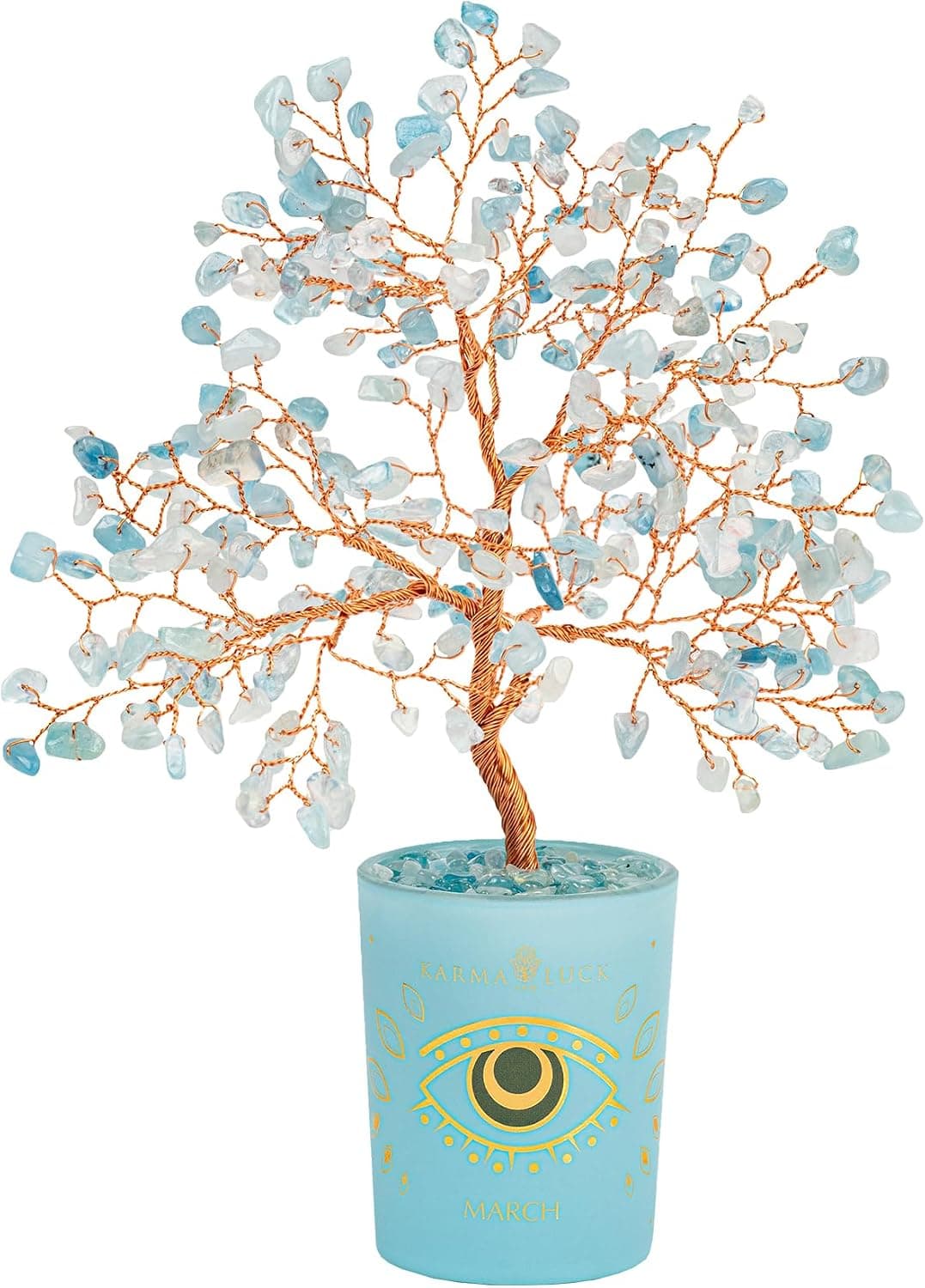
-29%Karma and Luck March Birthstone Crystal Tree of Life, Aquamarine Gemstone Fen...
 -29%
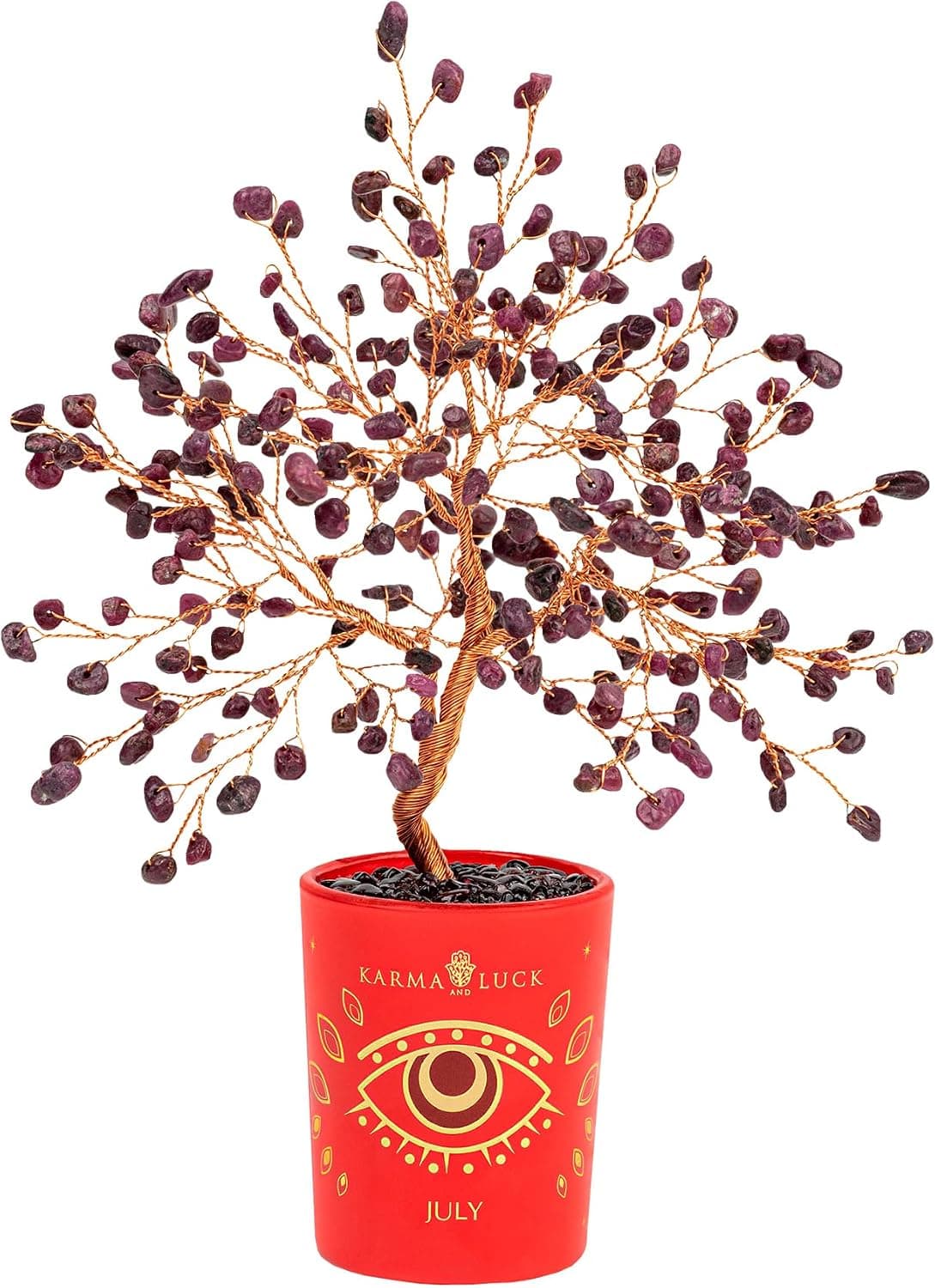
-29%Karma and Luck July Birthstone Crystal Tree of Life, Ruby Gemstone Feng Shui ...
 -29%
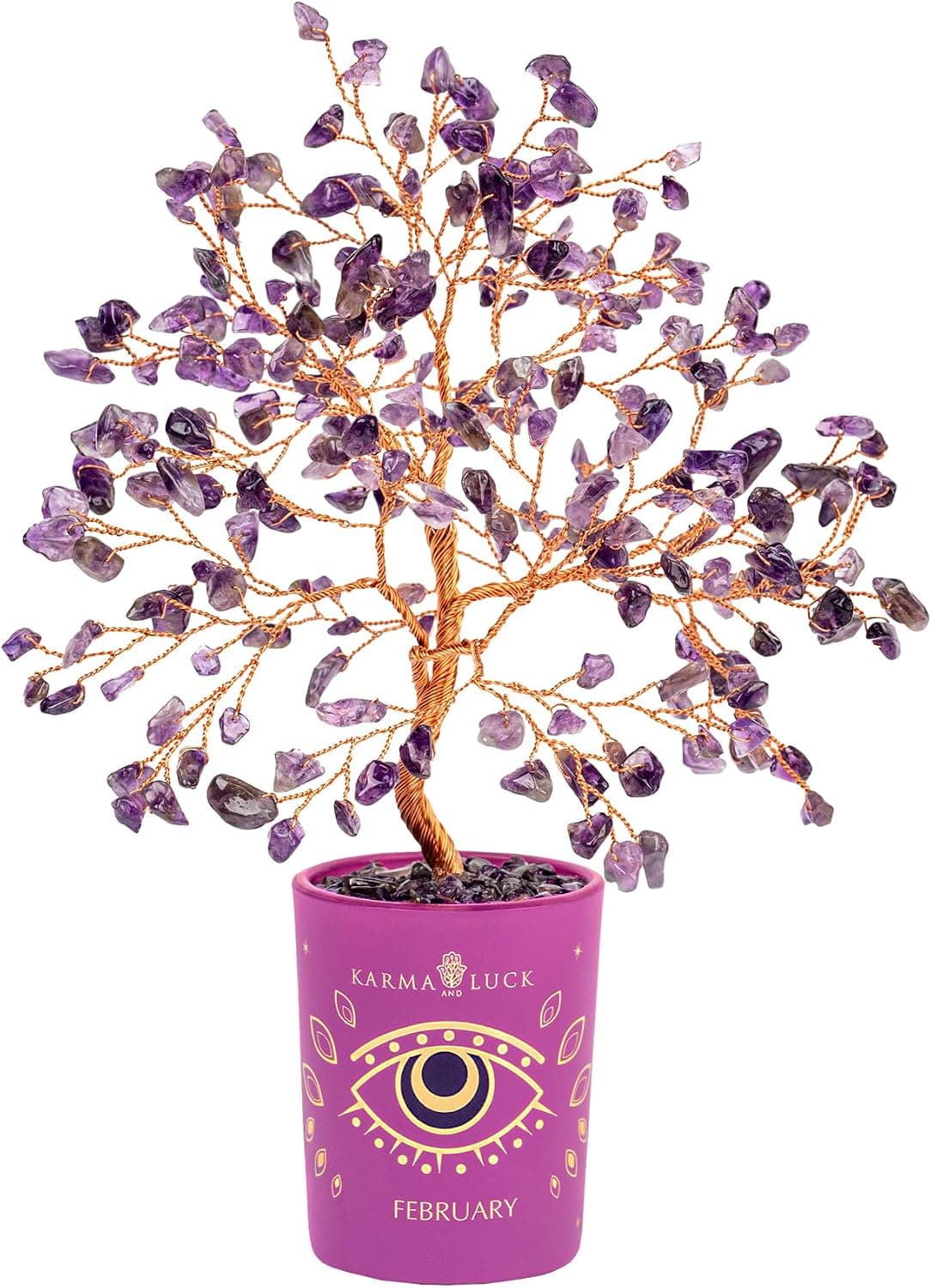
-29%Karma and Luck February Birthstone Crystal Tree of Life, Amethyst Gemstone Fe...
 -50%
-50%biuufish Feng Shui Black Obsidian Bracelet for Men Women, 24K Gold Plated Pix...
As an Amazon Associate, we earn from qualifying purchases. We only recommend items our practitioners have personally tested.
Continue Your Journey
Explore these related guides to deepen your understanding:
Ready for Deeper Guidance?
Try our free I Ching reading for personalized wisdom, or explore our curated Feng Shui essentials.