Common recommendations for chinese zodiac dog 2026 predictions tend to overlook key principles. Experience reveals a clearer path.
When Devotion Becomes the Problem
The Dog is not entering 2026 with bad luck. That framing misses the actual danger entirely.
Fire years do not punish the Dog. They flatter it. They make the Dog feel that its instinct to guard, to stay, to absorb—is exactly what the moment demands. And for a while, that feeling is indistinguishable from purpose. The problem arrives quietly, around month three or four, when the Dog realizes it cannot remember the last time it said no to something it did not want to do, and the exhaustion has a shape now, a weight, and it sits in the chest just below the sternum.
Protection and self-erasure can look identical from the outside. That is the year's central trap.
In 2026, the Dog's loyalty is not its weakness—but it is the thing most likely to be used against it, by circumstance, by social pressure, by the particular urgency that Fire energy generates in everyone around the Dog who senses that here, finally, is someone who will not leave.
The Entry Hall at 7:10 a.m.
Imagine a west-facing front door. It opens each morning into a narrow hall where a single upholstered armchair sits two feet inside the threshold, angled fifteen degrees toward the corridor instead of toward the room. The chair is not empty. It holds three coats, a bag whose strap has been draped over the back for so long it has left a small crease in the fabric, and a stack of unopened mail that arrived four days ago and has not moved.
The person who lives here keeps picking up other people's problems. They do not know why the habit feels so automatic.
I would argue the chair knows.
A chair placed directly inside the entry does something specific to the nervous system. The brain reads it as a pause point—a permission slip to stop, store, and postpone. Every morning, the first physical decision is not a decision at all: the coat goes on the chair, the mail goes on the chair, the anxiety about the day goes somewhere in the vicinity of the chair. And every evening, the first thing seen at homecoming is that same pile, which signals not arrival but continuation. The threshold never closes. The Dog never lands.
This is where overcommitment begins—not in the office, not in the family group chat, but at the door, at the moment the body crosses from outside to inside and finds no clear signal that inside means something different.
Three Objects, One Pattern
The chair is not alone.
On the north wall, eighteen inches from the doorframe, a mirror is mounted four inches above a shoe rack. It faces the front door. At 9:30 p.m., when the ceiling light is on and the rest of the apartment is dim, the mirror throws a hard white glare back across the seating area. It reflects the hallway, the shoe rack, and—if the front door is not fully closed—the outside corridor beyond it.
Common advice says: put a mirror near the entry to expand the space, to reflect wealth back into the home. Here is why that fails for a Dog household in a Fire year. A mirror facing the door does not create arrival. It creates rebound. The eye goes out, scans the reflection, registers the hallway as a continuation of the outside world, and the nervous system stays in alert mode. The room never becomes a room. It stays a corridor.
The shoe rack below the mirror compounds this. Overflowing by two pairs, it is the first thing seen and smelled at waking—at 6:15 a.m., when the morning sun hits the bedroom window and the light reaches the shoe shelves before it reaches the bed, carrying with it a faint smell of rubber and stale leather. The day begins with departure. With errands. With outside demands. Not with the Dog's own interior sense of what it actually needs from the next sixteen hours.
When shoe storage is the first sensory experience of the morning, the mind is primed for duty before it has had a single moment of choice.
Three objects. One continuous message: you are not home yet, you are never quite home, there is always something waiting at the door.
The Day Starts at the Threshold
Exhaustion, for a Dog in 2026, often begins before the first message arrives.
Not at the desk. Not in the conversation where someone asks for too much. Before all of that—at the moment the body crosses the threshold and the space either confirms that home is a different register than the world outside, or quietly insists that it is not.
If the entry hall trains the Dog to absorb on arrival—coats on the chair, mail on the chair, problems on the chair—then the body is already in intake mode before the coffee is made. Everything that follows is downstream of that first decision the space made on the Dog's behalf.
What Fire Energy Does to a Dog's Sense of Duty
In Chinese astrology, 2026 is a Fire year, and Fire has a particular relationship with urgency. It accelerates. It intensifies feeling. It makes the present moment feel consequential in a way that is hard to argue against.
For many signs, this is energizing. For the Dog, it is something more complicated.
Fire energy makes obligation feel like virtue. It wraps the pressure to be indispensable in the language of loyalty, which is the Dog's native language. The Dog in a Fire year does not feel exploited—it feels needed, and those two experiences are close enough in texture that distinguishing them requires a kind of stillness the year itself keeps interrupting.
At 2:00 p.m. in a home office corner, a desk sits angled toward the southeast doorway with a stack of family documents on the right side. The owner answers messages with one hand while eating lunch at the keyboard. This is not laziness or poor time management. This is what a Dog looks like in a Fire year: fully activated, fully available, convinced that the busyness is meaningful because the busyness is, in fact, for people it loves.
The astrological risk is not failure. It is the particular kind of success that leaves the Dog depleted by December, having given the year everything it had, and wondering why the loyalty that felt so right in February has become a kind of exhaustion it cannot name.
Boundaries Are Spatial Before They Are Psychological
Telling a Dog to set better boundaries is accurate advice that almost never works, because it places the entire burden on willpower—on the Dog's ability to override its own instincts, repeatedly, in real time, while Fire energy is making every request feel urgent and every refusal feel like abandonment.
The more durable intervention is spatial.
If the threshold is clear—no chair two feet inside the door, no mirror pushing the eye back out toward the street, no overflowing shoe rack broadcasting departure at the moment of return—then the body receives a different signal at the moment of crossing. The entry becomes a decompression chamber rather than a continuation of the outside world. The Dog gets a moment, just a moment, between what the day demanded and what the evening will ask.
That moment is where discernment lives.
Reducing visual and physical friction at thresholds is not a decorative choice. It is a neurological one. The eye that enters a clear hallway settles faster. The shoulders drop sooner. The jaw unclenches before the coat is off. And a Dog whose body has already begun to separate from the day's obligations is a Dog who can actually hear its own intuition when the next request arrives.
This is what Feng Shui can do that a mindset shift cannot: it removes the need to make the same decision about boundaries over and over, because the space has already made it once.
Clear Before You Cure
Every year, the advice circulates: in a Fire year, add red. Activate the south sector. Place auspicious symbols at the entry to attract luck and deflect drain.
For a Dog household in 2026, this sequence is backwards.
Adding a red lamp to a dining room where the table is pushed six inches too close to the kitchen path—where dinner is eaten in standing interruptions while the stove hisses behind the back—does not change what the space is teaching. It decorates the lesson. The urgency is still there, now lit in red.
Adding more Fire energy to a Dog who is already over-answering, over-hosting, and over-rescuing does not activate luck. It intensifies the pattern that is already costing the Dog its reserves.
Before any symbol, before any cure, before any auspicious object is placed at the entry: remove the chair from two feet inside the door. Relocate the shoe rack so it is not the first thing seen at waking or returning. Move the mirror off the north wall, or angle it so it reflects the window rather than the door. These are not preparatory steps. They are the intervention. Everything else is optional.
When Loyalty Helps and When It Starts Costing
The Dog's loyalty is not the problem. Let that be clear.
The problem is what happens to loyalty in an environment—spatial and social—that has no clear signal for when enough is enough. Healthy devotion has a rhythm: it moves toward, it gives, and then it returns to itself. Overcommitment has no return. It is a single direction, sustained by the Dog's own high threshold for discomfort and the Fire year's insistence that this moment, this person, this situation cannot wait.
At work, this looks like the Dog who stays on the call after everyone else has left, not because they are needed, but because leaving feels like abandonment. In family dynamics, it is the Dog who absorbs the emotional weather of every person in the household and calls that attentiveness love. In friendship, it is the one who is always available, who has trained the people around them to call at 11:00 p.m. because the Dog has never once said: not tonight.
None of this is dramatic. None of it announces itself as a crisis. It accumulates.
And it accumulates fastest in a Fire year, when the urgency is real and the Dog's instinct to respond to urgency is also real, and the two things together create a momentum that is very hard to interrupt from the inside.
What the Home Looks Like When It Is Teaching Over-Responsibility
There are specific signs.
The armchair in the northeast corner, back six inches from the wall, facing the front door at a thirty-degree twist—the person sits there to rest but checks the door every few minutes, shoulders raised, jaw tight. Rest that requires vigilance is not rest. It is standby mode.
The laundry basket at the foot of the bed, leaving sixteen inches of clearance to the door. At 10:30 p.m., with a mirror leaning against the south wall, the person falls asleep with the sense that tomorrow has already started. The psyche reads the visible backlog as falling behind. Sleep becomes tinged with guilt, and the Dog wakes at 6:15 already behind.
The hallway mirror opposite the bathroom door, eight feet away, catching the bathroom light every time the door opens. A repeated visual cue of interruption. The mind links release with unfinished tasks, and small chores begin to feel like obligations that must be answered immediately—not chosen, answered.
The bills near the kettle at 7:00 a.m. The body learns that basic care comes bundled with responsibility. Breakfast becomes a moment to scan the financial pile rather than a pause. The Dog absorbs that pairing as duty, and over time, self-care starts to feel like one more thing that needs to be earned.
If more than two of these patterns are present, the home is not neutral. It is actively training over-responsibility, and no amount of intention will override what the space repeats every morning.
The Reset That Does Not Require Discipline
Move the chair away from the door.
Not to another room, necessarily—just away from the threshold. Two feet inside a west-facing entry is a position that catches the first cold draft and turns the entry into a storage decision the moment the door opens. Move it to the side wall, or remove it from the hall entirely. The entry should have one clear path: in, and then a landing surface—a console table ten inches from the door, a hook, a single tray for keys—that signals arrival without accumulation.
Relocate the shoe rack out of the direct sightline from the bedroom window. The morning should not begin with departure.
Angle the mirror so it reflects the window, or a piece of the room, rather than the door. Let the eye settle inward.
These are not metaphors. They are physical changes that take less than an afternoon and do not require willpower to maintain. The space, once changed, continues to give the Dog the same signal every day without the Dog having to remember to enforce it.
What follows from a clear threshold is not magic. It is simply this: the Dog crosses into the home and the home confirms that crossing. Inside is different from outside. The day is behind the door, not piled on the chair in the hall. And in that small confirmation, repeated every morning and every evening, the Dog finds something that 2026 will not easily offer anywhere else—
A moment that belongs entirely to itself.
David Liu
Traditionally informed guidance • Cross-referenced with classical Chinese source texts
Rooted in classical Chinese metaphysics and cross-referenced with original texts. Product recommendations are based on traditional symbolism, not guaranteed outcomes.
Practitioner-Selected Tools for This Topic
Items our team has tested and found effective for the principles discussed above. Individual results may vary.
 -29%
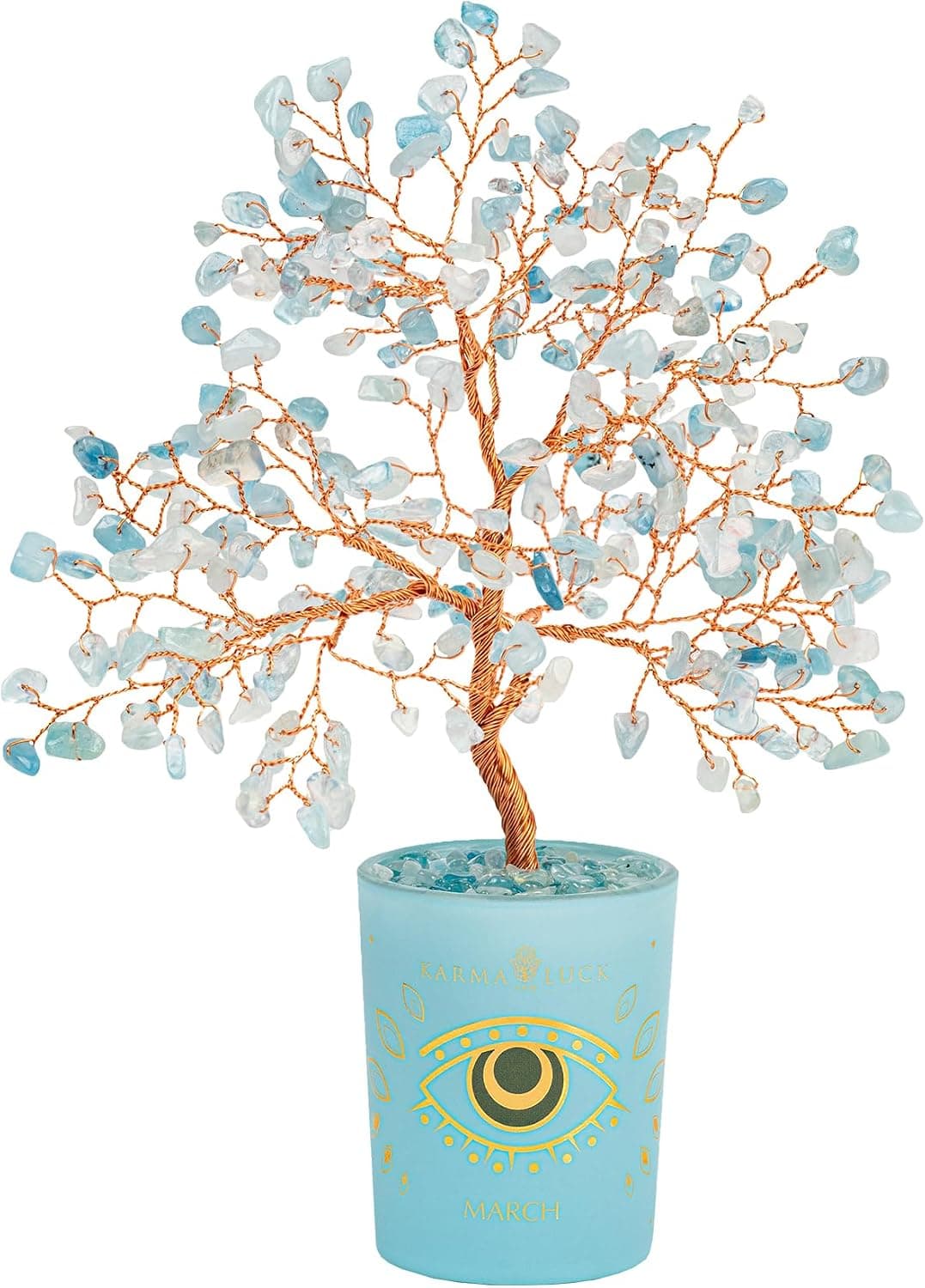
-29%Karma and Luck March Birthstone Crystal Tree of Life, Aquamarine Gemstone Fen...
 -29%
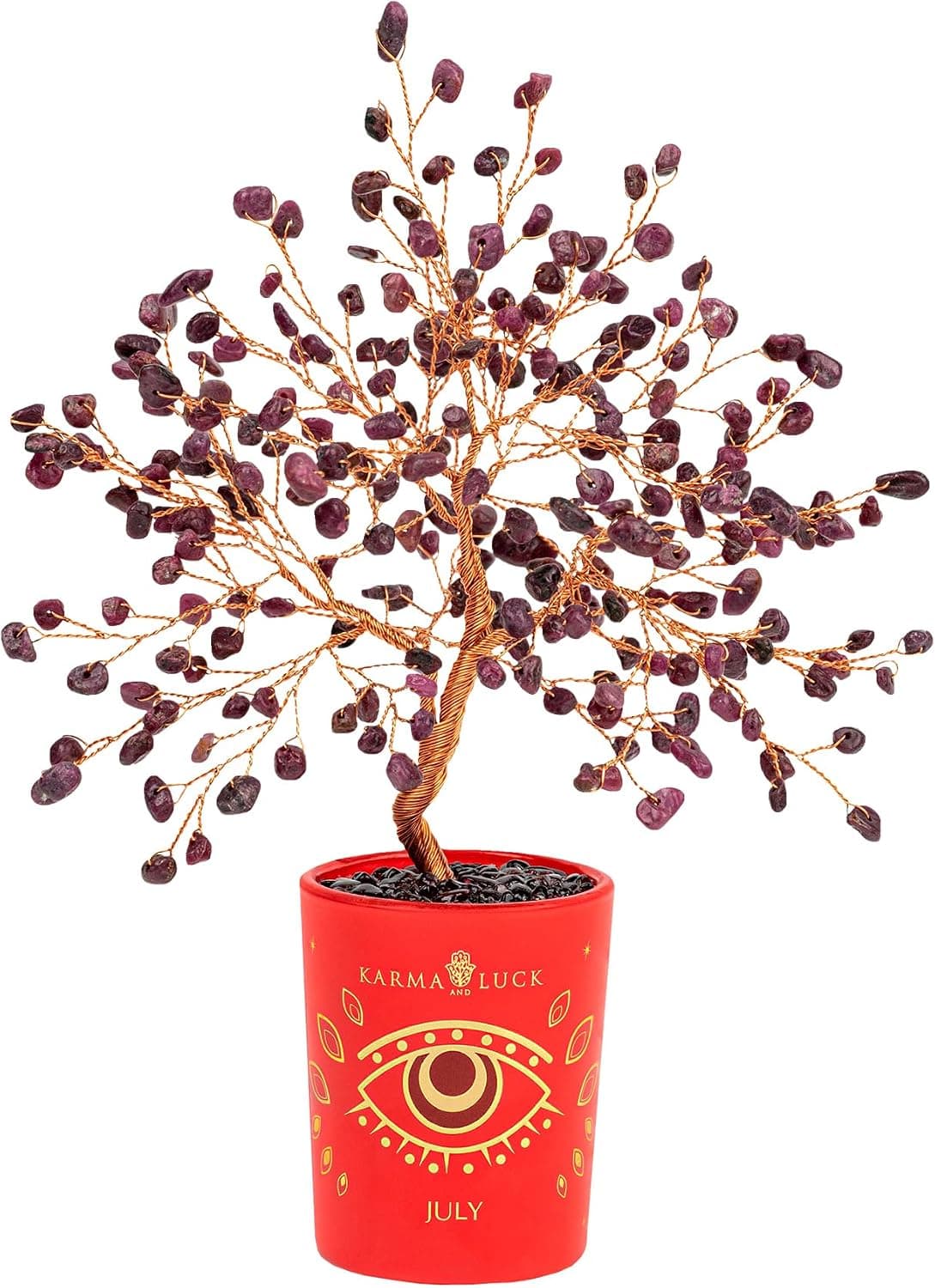
-29%Karma and Luck July Birthstone Crystal Tree of Life, Ruby Gemstone Feng Shui ...
 -29%
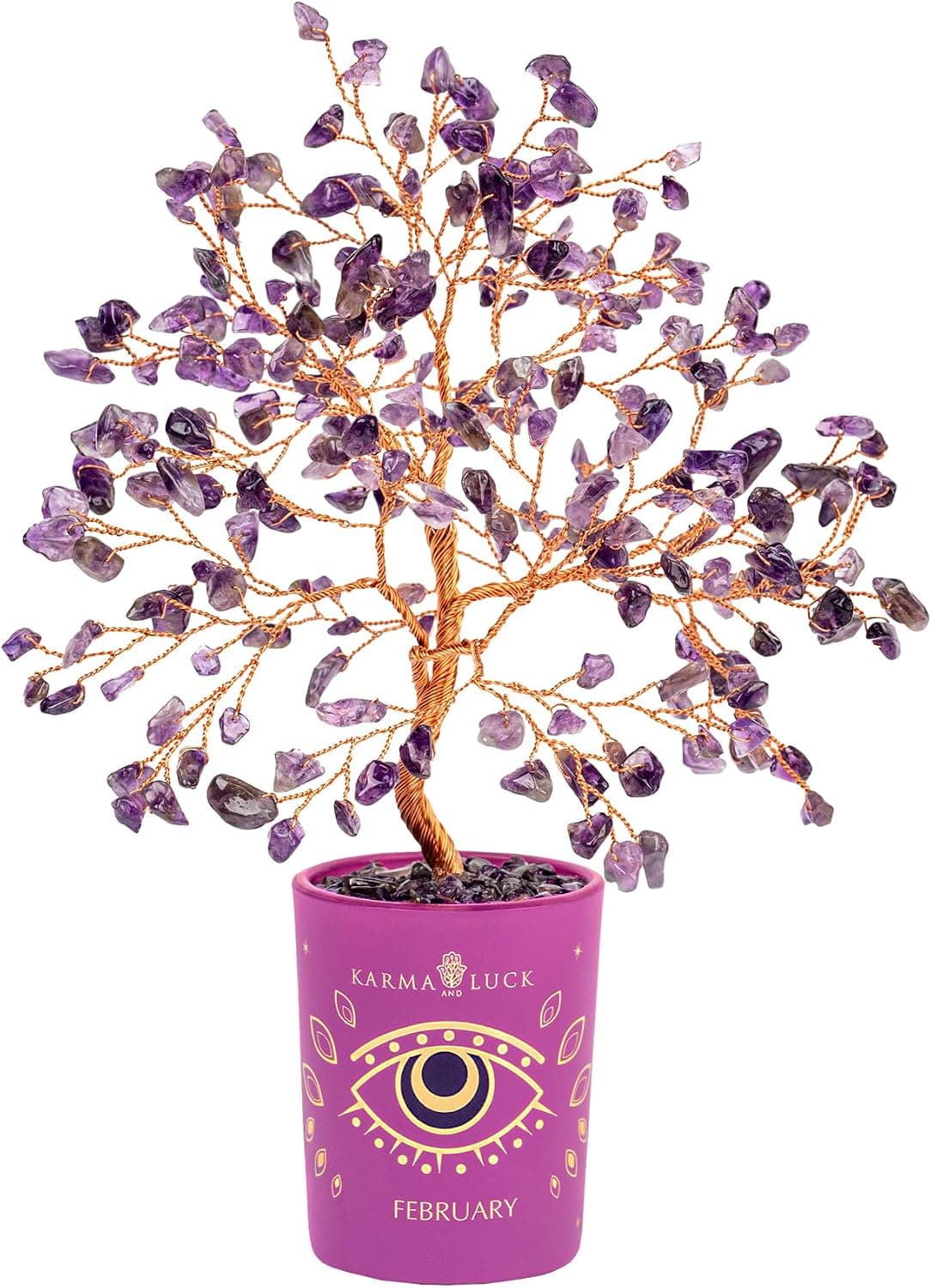
-29%Karma and Luck February Birthstone Crystal Tree of Life, Amethyst Gemstone Fe...
 -50%
-50%biuufish Feng Shui Black Obsidian Bracelet for Men Women, 24K Gold Plated Pix...
As an Amazon Associate, we earn from qualifying purchases. We only recommend items our practitioners have personally tested.
Continue Your Journey
Explore these related guides to deepen your understanding:

Ready for Deeper Guidance?
Try our free I Ching reading for personalized wisdom, or explore our curated Feng Shui essentials.