Knocking down walls can make a home look modern and feel worse. The zodiac cares about movement, exposure, and who gets forced to share air.
The Real Story Behind Chinese Zodiac Compatibility Chart-2026
The conventional thinking on Chinese Zodiac Compatibility Chart-2026 has a fundamental flaw. People keep treating compatibility like a personality quiz, then wonder why a room that looked harmonious on paper still feels tense at 11:30 p.m. under bright ceiling lights.
I saw this happen in a north-facing apartment in Seattle last fall. The owners had removed the wall between the kitchen and living room, painted everything soft white, and placed a round oak table under a black metal pendant. They thought the open plan would “improve flow.” Instead, the husband, born in a Tiger year, started working late at the table because there was nowhere to disappear; the wife, a Rabbit, complained that every sound bounced through the space; and the teenage son stopped studying there altogether. By the second week, the place felt louder, not freer.
That is the part most charts miss. Compatibility is not only about which animal likes which animal. It is also about how fast qi moves, where it gets trapped, and whether two people can keep their own rhythm without being watched by the whole house. An open plan strips away the buffer that once softened friction.
The chart can be right and still fail. Not even close to a contradiction. A Horse and Dog may read well together, but put them in a room with no boundaries, no visual rest, and a kitchen island that points straight into the sofa, and you have created a constant parade of interruptions.
Why Open Plans So Often Backfire
Open layouts look generous because they remove barriers you can see. They also remove barriers you cannot see. That matters. In Chinese metaphysics, a doorway, a half wall, even a tall plant can slow movement just enough for a person to settle. Without that pause, qi rushes, attention fragments, and people start snapping at each other over tiny things: a kettle left on, a speaker too loud, a chair angled the wrong way.
One reason the conventional advice persists is simple. Developers love big, uninterrupted rectangles because they photograph well. Designers do too. The room looks expensive. Yet a beautiful room can still be a poor container for two Metal types sharing deadlines, or for a Water-heavy child trying to sleep beside a kitchen that never really closes.
Notice what happens when walls come down: the senses stay on. You can hear the blender, smell dinner, see the laptop glow, and watch someone else's restless foot tapping from across the room. That constant exposure feels modern. It also leaves less room for recovery. A home without enough partitioning can turn into a public lobby with your toothbrush in it.
There is a better way to read compatibility in 2026. Start with the home’s bones, then ask whether the people inside need separation, support, or shared activity. That is why I send readers first to how to map energy in your home without overthinking it, because the wrong layout problem often starts long before anyone buys a crystal or changes a color.
Who Suffers Most When the Walls Disappear
Some pairings can handle a wide, airy room. Others cannot. Wood and Fire personalities often enjoy stimulation, but even they need one quiet edge where the eye can land. Metal types usually want cleaner boundaries; Water types often need retreat. Put them all in one exposed box and the loudest temperament wins.
That is why a couple can look compatible on a chart and still fight after moving into a loft. One partner starts leaving dishes in the sink because the kitchen never feels finished. The other begins to resent the mess, then the resentment spreads. Small problem. Big drag.
I've seen this with siblings, too. Two boys sharing a converted dining area in Austin slept better when a bookcase divided the room; after the parents removed it to “make more space,” the older one kept waking at 5:40 a.m. and the younger one refused to do homework there. The issue wasn't discipline. It was exposure.
Here the chart should be read with the house, not instead of it. If a relationship already runs hot, removing walls can pour fuel on it. If a child is sensitive, the same layout can make concentration feel impossible. And if one person works from home, the lack of separation can turn the whole place into one long unfinished task.
Wrong. The fix is not always more decoration.
What Conventional Advice Gets Right, and Where It Stops
Traditional compatibility advice still has value when it tells you which combinations need distance, which need warmth, and which need a gentler entrance into shared space. A Rat and Horse pairing, for instance, may need more discretion than an advice column admits. Two strong personalities can love each other and still require visual separation at home.
Where the standard advice falls short is its habit of treating people as if they live in a vacuum. They do not. They live beside a stove, across from a TV, under a beam, near a window, or in a room with no door. That is where the real test begins.
So yes, use the chart. Then ask a harder question: does this house let those two energies breathe separately? If the answer is no, the remedy is architectural before it is symbolic. A narrow screen, a low shelf, or a shift in seating may matter more than a dozen decorative objects.
For bedrooms especially, boundaries matter more than style. A couple can share a prosperous match on paper and still sleep badly if the bed faces the doorway, the closet stays open, and the room has no visual pause at all. I have written more about that in the bedroom setup that actually helps people rest, because rest is where compatibility either softens or starts to fray.
How to Test a Layout Before You Tear Anything Out
Stand in the center of the room at dusk, when the light has gone gray and the lamps are not yet doing all the work. Look toward the kitchen, the sofa, the desk, and the hall. Ask yourself what your eyes do first. Do they settle, or do they keep jumping?
Then listen. A room that supports harmony will not echo every spoon clink into the living area. You should be able to cook, talk, and read without feeling like all three tasks are demanding the same brain at once. If the sound footprint is too wide, you will feel it in the body before you can explain it.
Try simple fixes before expensive ones. Move a tall plant to block the direct line from stove to sofa. Shift a chair so it faces inward rather than broadcasting into the whole room. Hang a textile, not because fabric is fashionable, but because soft material gives the eye a place to rest. In one Boston condo, a pale green curtain on a ceiling track calmed a restless dining nook within a week. The couple did not need a renovation. They needed a pause.
There is also the matter of sleep. A room that never visually closes can keep a mind half-awake. If you want a deeper look at that angle, the notes in bedroom rules that affect both sleep and relationships are worth studying, especially if your home has become one open rectangle with a mattress somewhere inside it.
One more thing: a mirror reflecting the stove into the living room can amplify activity in a bad way. I have watched families think the mirror made the space feel larger, only to discover that everyone stayed on edge during dinner. Large. Bright. Never still.
Why the 2026 Reading Changes the Conversation
2026 brings a sharper emphasis on movement, exposure, and timing. That means homes already overloaded with open sightlines will feel even less forgiving. People who once got away with “airy” layouts may notice they are tired by midafternoon, more reactive after work, and oddly reluctant to sit in the same room for long.
Open plans are not the enemy. Unregulated open plans are. There is a difference. When a layout allows circulation but still creates micro-boundaries, couples often do better because they can share space without sharing every sensation at once.
Here the old image of harmony can mislead you. Many people imagine compatibility as two signs smiling at each other across a perfect table. Real homes are messier. A good setup may involve a screen behind the desk, a bookshelf between zones, and one stubborn chair that seems to say, “Not everything needs to be visible.”
That is why I treat charts as prompts, not verdicts. The chart asks which temperaments are involved. The room answers whether they can coexist without collision. If those answers clash, trust the room first. It is usually telling the truth faster.
FAQ
Is conventional Chinese Zodiac Compatibility Chart-2026 advice reliable?
Often not on its own. The pairing may be sound, but the layout can ruin the result by forcing too much contact, too much noise, or too little privacy. A good chart with a bad floor plan still produces friction.
Does removing a wall always harm compatibility?
No. Some homes need openness because they are dark, cramped, or cut into too many tiny rooms. The problem starts when the opening removes all buffering and leaves people exposed to every sight, sound, and smell all day.
What’s the quickest way to test whether my open plan is too much?
Watch for the small behaviors. Do people leave the room to take calls, avoid eating at the table, or retreat to the bedroom earlier than they used to? Those are layout symptoms, not personality flaws.
Can furniture fix what walls used to do?
Surprisingly, yes, sometimes. A bookcase, a plant, a curtain, or even a shifted sofa can create enough separation to restore rhythm. The point is not to rebuild the wall; it is to restore a sense of containment.
Should I trust the compatibility chart or the house plan first?
The house plan. Always. The chart can tell you where tension might appear, but the room shows you how that tension behaves when people are tired, hungry, or trying to work in the same light. That is the part that decides whether a home feels livable at 9 p.m.
In a quiet house, you can hear a spoon settle into a bowl from the far end of the room. Sometimes that is the first sign that a layout is asking too much.
David Liu
Traditionally informed guidance • Cross-referenced with classical Chinese source texts
Rooted in classical Chinese metaphysics and cross-referenced with original texts. Product recommendations are based on traditional symbolism, not guaranteed outcomes.
Practitioner-Selected Tools for This Topic
Items our team has tested and found effective for the principles discussed above. Individual results may vary.
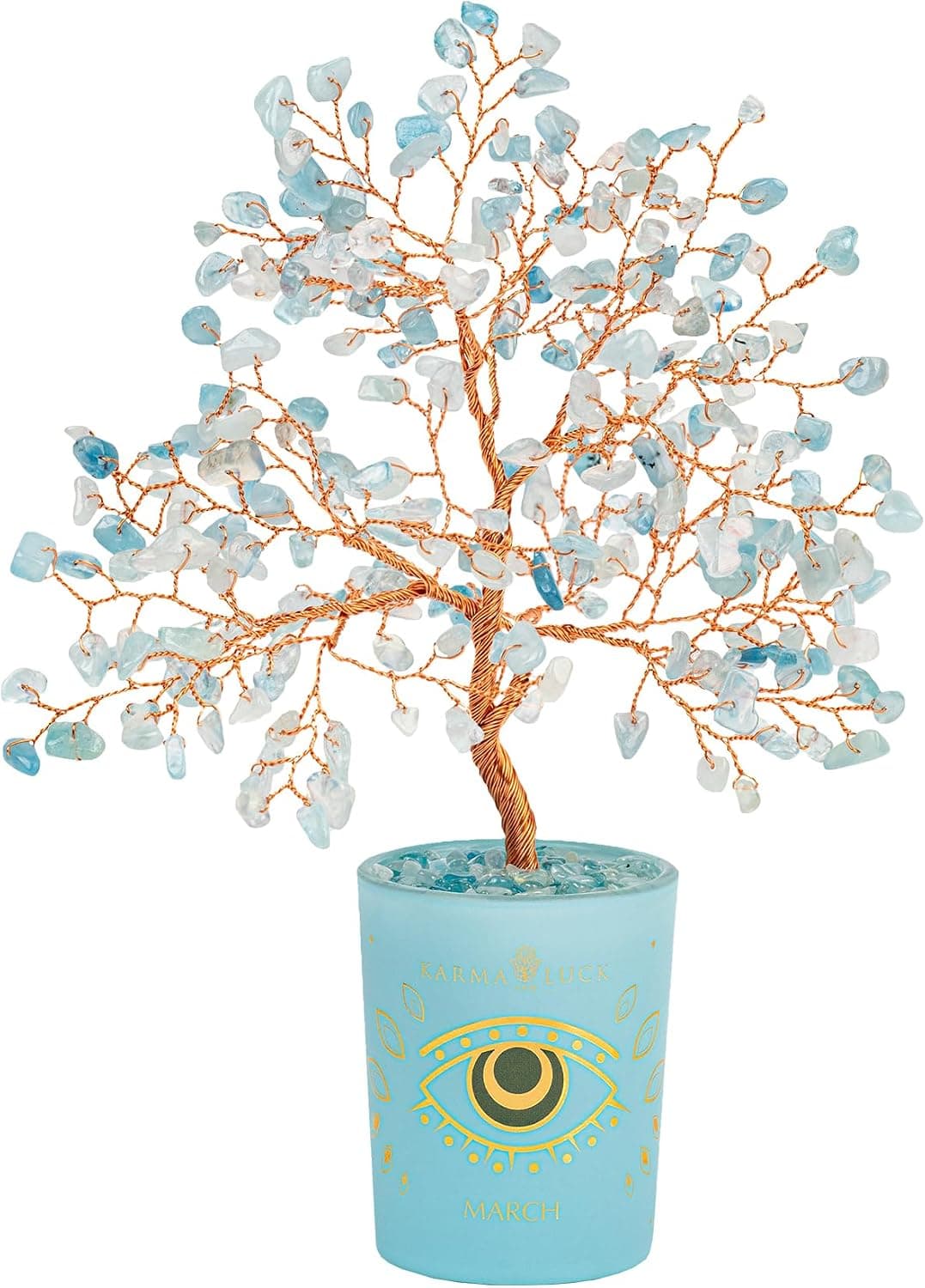 -29%
-29%Karma and Luck March Birthstone Crystal Tree of Life, Aquamarine Gemstone Fen...
 -29%
-29%Karma and Luck July Birthstone Crystal Tree of Life, Ruby Gemstone Feng Shui ...
 -29%
-29%Karma and Luck February Birthstone Crystal Tree of Life, Amethyst Gemstone Fe...
 -50%
-50%biuufish Feng Shui Black Obsidian Bracelet for Men Women, 24K Gold Plated Pix...
As an Amazon Associate, we earn from qualifying purchases. We only recommend items our practitioners have personally tested.
Continue Your Journey
Explore these related guides to deepen your understanding:

Ready for Deeper Guidance?
Try our free I Ching reading for personalized wisdom, or explore our curated Feng Shui essentials.