A fast match score can mislead you; the real answer hides in stems, branches, and element flow.
From palace almanac to modern chart
A simple animal match table can save time, but it can also flatten the reading into a label that feels certain when it is only partial. The old Chinese zodiac compatibility chart grew out of calendrical thinking, court records, and pattern recognition across years, not out of a personality quiz. Learn more about A Pig Chart I Read for 2027 Split Two Ways.
That history matters. In classical use, the signs were never meant to stand alone like decorative icons pinned to a wall; they were part of a larger structure of stems, branches, seasonal strength, and timing. Modern Western adoption often trims that structure down to a romance score, which is neat, but not honest. Learn more about The Dog’s 2027 Forecast Starts at the Door, Not the Charm.
Think of the chart as a floor plan. The animal signs are visible rooms, the heavenly stems are the beams, and the hidden stems are the circulation corridors that determine whether energy moves cleanly or gets trapped at a threshold. If you only look at the wallpaper, you miss the load-bearing wall.
People trust simple tables because simple tables reduce uncertainty. That relief is real, and I understand why it works psychologically; a clean “high match” label feels like a promise. But a promise is not a diagnosis.
In older Chinese metaphysics, compatibility was tied to order, season, and relationship between forces. In modern use, the same logic often gets chopped into sign-to-sign shorthand, which is useful only if you remember it is the first pass, not the final reading.
For that reason, I treat the chart as a comparison matrix rather than a verdict. One layer tells you how two people may interact on paper; another tells you whether the structure can carry that interaction without strain.
Why the same animal pair can change
The same pair can look harmonious in one chart and tiring in another because the real question is not “Do these two animals like each other?” It is “What is the condition of each chart, and what is being asked of the relationship?”
Here is the key move: compare the visible sign, then compare the surrounding forces. A Rabbit paired with a Goat may look gentle on the surface, but if one chart is already weak in Wood and the other is overloaded with Earth, the match may feel supportive in conversation and exhausting in daily life. Proportion matters.
The reason the same pair changes is usually not the pair itself, but the layer around it. A supposedly friendly combination can become tense if one chart is born in a season that weakens its useful element, if a strong opponent element crowds the structure, or if hidden stems pull the energy in a different direction than the surface sign suggests. In other words, the animal pairing tells you the tendency; the full chart tells you whether that tendency has room to work.
I have seen a north-facing bedroom situation used as a relationship metaphor because the room itself behaved the same way as a weak chart: plenty of hope at the door, poor movement in the center, and one corner that never got light. The couple could talk beautifully in public, but at home the air felt dry, and every decision took too long.
That is how element balance works. Too much of one force crowds the structure. Too little leaves an unlit corner where nothing seems to grow, and people start blaming personality when the actual problem is circulation.
A good reading asks where the energy enters, where it turns, and where it stalls. Favorable elements support clarity, movement, and ease; excessive clashes create bottlenecks at the threshold between one pillar and the next.
This is why a compatibility chart should never be read as fate in a costume. It is a system, and systems change when context changes.
Side by side: animal matching versus BaZi analysis
The animal-only approach is fast. It is also blunt. It tells you whether two signs are traditionally considered friendly, neutral, clashing, or complicated, but it does not tell you why the same pair can feel easy in one decade and difficult in another.
BaZi analysis is slower because it reads the whole architecture. The stems show what is active at the surface, the branches show the room structure, and the hidden stems show the internal traffic moving through the walls. That is the difference between looking at a building’s facade and understanding how it actually stands up.
A comparison matrix makes this clear. Under animal matching, two people may receive a strong compatibility label. Under BaZi, the same pair may reveal a weak day master, seasonal water shortage, and competing demands on the resource element, which changes the relationship from “naturally supportive” to “helpful in some settings, draining in others.”
That is not contradiction. That is context.
The comparison works because it forces you to hold more than one truth at once. A couple can be socially smooth and privately strained. Two business partners can share goals but not rhythm. A family pair can be labeled “in conflict” by an app while the real issue is a temporary timing issue during a metal-heavy season.
If you want the short version, here it is: animal matching gives you the surface signal, and BaZi tells you whether the structure beneath it can carry the load. One is the sign on the door. The other is the layout behind it.
Diagnostic case: when a perfect match still breaks down
A couple once looked at a simple compatibility table and saw a high match. Their signs were considered cooperative, and that single line gave them confidence. On paper, everything looked promising.
Then the full chart was read. One partner had a weak day master with a seasonal water shortage, which meant they relied heavily on external support to feel steady. The other partner carried strong output energy and liked to move fast. Publicly, they looked balanced; privately, the first partner felt dried out by the pace, while the second felt slowed down by the need for reassurance.
The room-level image was vivid. It was a small apartment living room with a pale blue sofa, a black metal shelf, and one narrow window facing east. The light reached the wall near the kitchen but never the center of the room, so every conversation seemed brighter at the edge than in the middle. That is what a partial match feels like: good optics, weak circulation.
The root cause was not affection. It was load distribution. The relationship asked one person to provide structure and the other to provide momentum, but the chart could not balance those jobs without creating fatigue.
Once that was clear, the fix became practical. Reduce the pressure on the weak element, support the missing quality through environment and timing, and stop reading the pair as either “perfect” or “bad.” Those labels are too small for a living system.
Reading the matrix: clashes, combines, harms, and flow
When you read a compatibility chart properly, start with the obvious pairings, then move to the interactions that change the whole picture. Clashes show friction. Combines show temporary cooperation. Harms and punishments show slow leaks, the kind that do not announce themselves at the threshold but show up later as distrust, delay, or irritation.
Then check element flow. Does Wood feed Fire cleanly, or does Fire scorch the room before the next phase can form? Does Water nourish what is weak, or does it flood a structure that already lacks boundaries? These are not poetic questions. They are structural ones.
Hidden stems matter because they explain why a chart can look calm and still carry pressure. I treat them like corridors inside the walls: invisible from the outside, but decisive for movement. When those corridors are blocked, people often feel it as vague tension, not as a clearly named problem.
Proportion is the other test. A strong element is useful only when it is in the right ratio to the rest of the chart. Too much Metal can create hardness and distance. Too much Earth can make the relationship heavy and slow. Too much Water can blur decisions. Too much Fire can turn every disagreement into heat.
This is where architecture helps. A building is not judged by one beautiful beam. It is judged by the distribution of load, the way light enters, and whether people can move through it without crowding. A BaZi reading works the same way.
That is also why I never rely on a single score band. Scores are tidy. Systems are true.
Using compatibility for romance, family, business, and timing
Romance is the easiest place to misread a chart because chemistry can hide strain. A supportive pairing may still need better pacing, quieter spaces, or more respect for recovery time. The point is not to romanticize difficulty or to fear it; the point is to understand the mechanism.
Business partnerships ask a different question: can the pair share execution rhythm? In one partnership I reviewed, the signs looked compatible, yet the hidden stems showed competing resource demands. One person wanted to research forever, the other wanted to launch immediately, and the delay between those impulses bred mistrust. The chart did not forbid the partnership. It described the friction pattern.
Family readings need even more care. A parent and child may be marked as difficult by an app, but the conflict can be temporary timing rather than permanent incompatibility. A metal-heavy season, for example, can sharpen tone and make a cooperative pair sound harsh for a few months. That is when people panic unnecessarily.
The most useful application is timing. If you know where pressure tends to rise, you can choose calmer periods for major conversations, moves, launches, or reconciliations. The chart becomes a planning tool instead of a judgment machine.
That is the modern value of the Chinese zodiac compatibility chart when it is handled properly. It does not hand out destiny in a neat row of boxes. It shows where circulation improves, where thresholds tighten, and where one small adjustment can change the whole feel of the structure.
And in a small apartment, that practical lens matters even more. Limited space reveals imbalance quickly. If the room is crowded, if the light is poor, or if every pathway bends around one overloaded corner, the relationship reading will feel that strain sooner than a larger, looser environment would.
So use the chart the way a good architect uses a plan: identify the beams first, then the rooms, then the traffic between them. The sign on the surface matters, but the structure underneath decides whether the life inside can breathe.
What to do when the table and the chart disagree
Start by trusting the disagreement. A mismatch between a simple table and a full BaZi reading is not an error to ignore; it is the moment the real analysis begins.
Then ask three questions. What is the day master strength? What season does the chart sit in? Where is the element flow blocked or overfed? Those answers usually explain why a relationship looks smooth from the outside but feels uneven once people share time, money, or space.
If the structure is weak, stop asking the sign label to carry the whole burden. Support the missing element through timing, environment, and behavior. The point is not superstition. The point is better design.
And if you only remember one thing, remember this: a compatibility chart is not a prophecy. It is a map of pressure, support, and movement. Read it that way, and it becomes useful immediately.
FAQ
Is a Chinese zodiac compatibility chart enough on its own? Not if you want a serious reading. It gives a surface-level pattern, but the rest of the BaZi chart tells you whether that pattern is stable, strained, or only temporarily active.
Can a supposedly bad match still work? Absolutely. A hard pair can function well when the charts balance each other’s missing elements or when timing reduces pressure. I have seen difficult combinations become reliable once the environment and rhythm were adjusted.
Why do apps give such different results? Because many apps reduce a layered system into a single label. That feels convenient, but it ignores season, hidden stems, and chart proportion, which are often the parts that change the answer.
What if the chart says conflict but the relationship feels fine? Then the conflict may be dormant, seasonal, or displaced into another area such as work pace or money habits. A surprising fact: some of the calmest pairs on paper become tense only when timing activates the weak spot, which is why context matters so much.
Mei Chen
Traditionally informed guidance • Cross-referenced with classical Chinese source texts
Rooted in classical Chinese metaphysics and cross-referenced with original texts. Product recommendations are based on traditional symbolism, not guaranteed outcomes.
Practitioner-Selected Tools for This Topic
Items our team has tested and found effective for the principles discussed above. Individual results may vary.
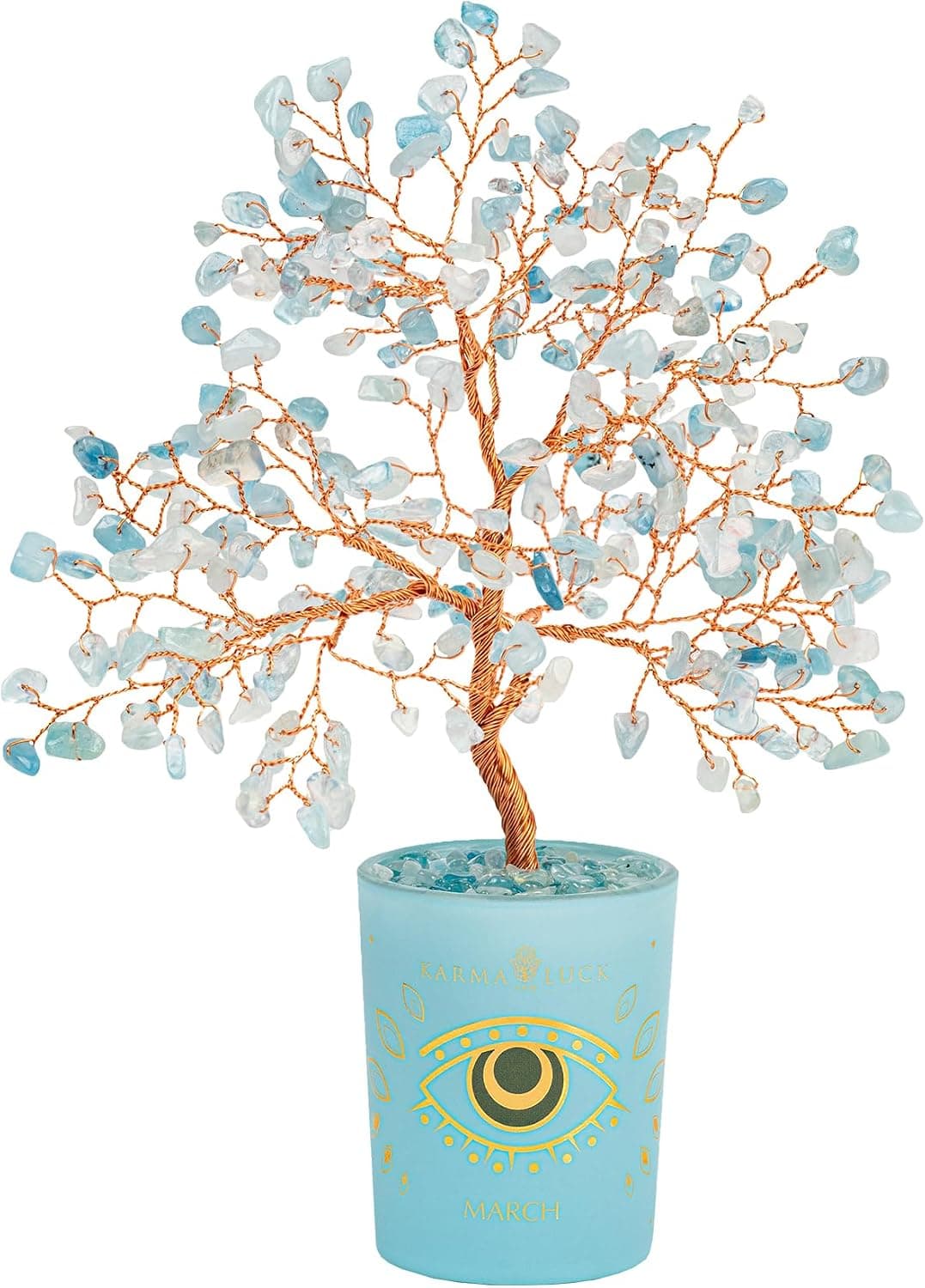 -29%
-29%Karma and Luck March Birthstone Crystal Tree of Life, Aquamarine Gemstone Fen...
 -29%
-29%Karma and Luck July Birthstone Crystal Tree of Life, Ruby Gemstone Feng Shui ...
 -29%
-29%Karma and Luck February Birthstone Crystal Tree of Life, Amethyst Gemstone Fe...
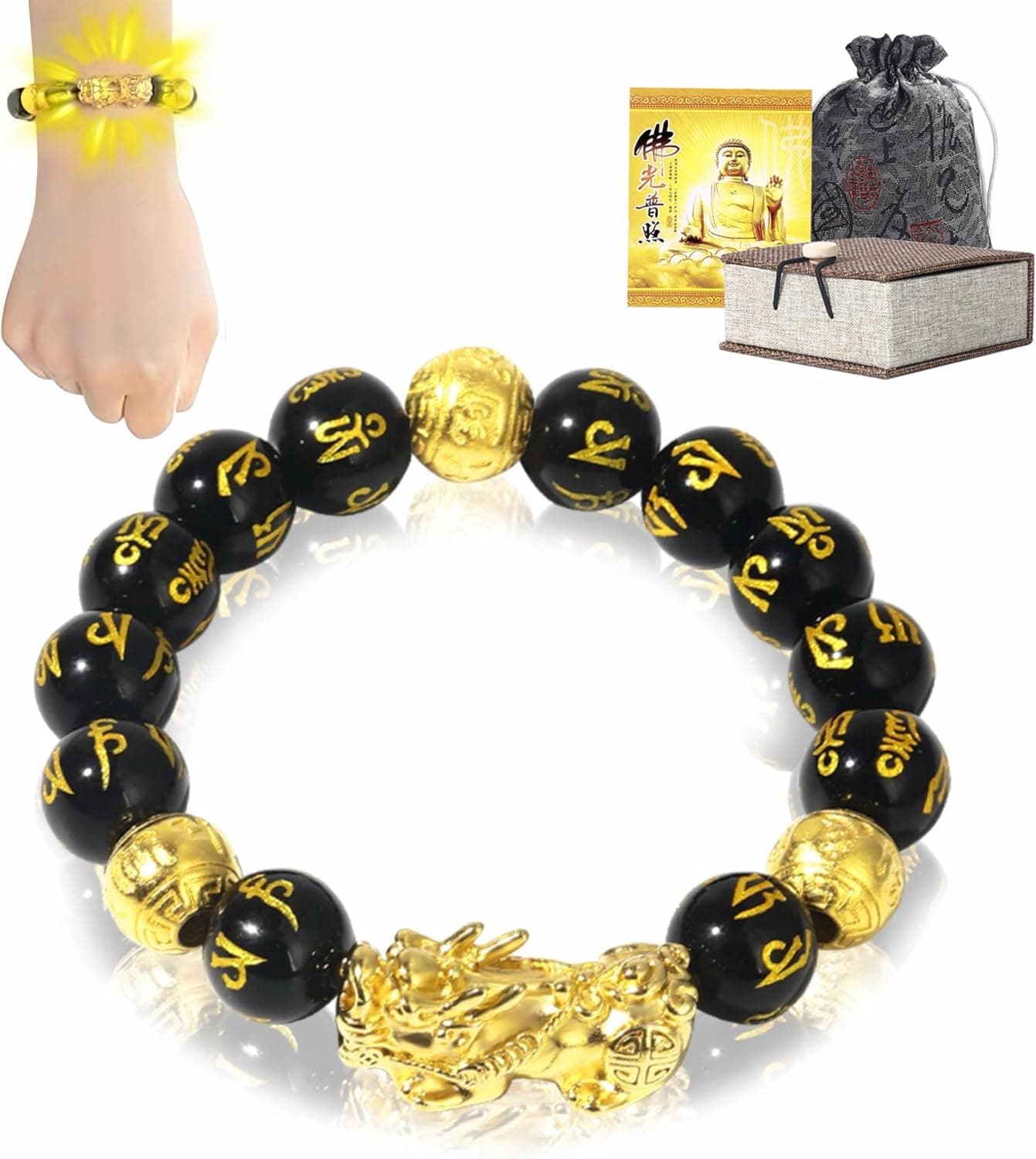 -50%
-50%biuufish Feng Shui Black Obsidian Bracelet for Men Women, 24K Gold Plated Pix...
As an Amazon Associate, we earn from qualifying purchases. We only recommend items our practitioners have personally tested.
Continue Your Journey
Explore these related guides to deepen your understanding:
Ready for Deeper Guidance?
Try our free I Ching reading for personalized wisdom, or explore our curated Feng Shui essentials.