The hour pillar doesn't record a fixed personality. It records the noise, pace, and people of the house you learned to be a person in.
The Social Environment
There is a desk in a rented one-bedroom that sits three feet from the door, pushed flat against a blank wall, and the man who works at it has been told by four different websites that his birth hour makes him restless, talkative, and quick to abandon plans. He is none of those things. He is the most patient person in his family — the one who finishes what he starts.
But his mother talked constantly. His older brother changed majors three times. And for the first nineteen years of his life he ate dinner at a table where that was simply how people behaved.
Nobody told him that part. The Chinese zodiac birth hour meaning he was handed was a personality tag, and the tag was wrong in every direction except one: it described the room, not the man.
What You're Actually Dealing With
BaZi builds a chart from four columns — year, month, day, hour — and each column pairs a heavenly stem with an earthly branch, with an animal attached to the branch. Most English-language readers only ever see the year animal, which is the popular zodiac. That is one quarter of the chart at best, and it is the least personal quarter: it describes the shared weather of a birth year, not the texture of a life. The year pillar and its lunar new year cutoff has its own rules; the hour column has different ones entirely.
The hour branch is a two-hour window, not a clock minute. Rat runs from 23:00 to 01:00, Ox from 01:00 to 03:00, and so on around the day. But the animal is only half the column. The stem above it is calculated from the stem of your birth day — a classical rule sometimes called the five-rats method — so your hour stem is not chosen, not random, and not readable in isolation. It is a relationship: the hour element is sitting on top of a branch that is itself keyed to the day you were born into. That is why two people born in the same two-hour window can share an animal and carry different elements, and why the element usually changes the reading more than the animal name does.
The two-hour window is not arbitrary either. It maps to the old Chinese double-hour, roughly the stretch a watchman would serve, a market would stay open, or a household would move through one phase of its day. The column was designed to describe a working period of a day, not a flicker of birth. That is a surround-shaped unit from the beginning — a block of time with its own social rhythm, not a personality switch that flipped when you were born.
That structural fact is where the social reading comes from. In traditional interpretation the hour column sits closest to children, subordinates, the people who work under you, the household, and the later part of life. Every one of those describes surround, not self. The day pillar is you — the conscious day master around which the chart is read. The hour pillar is who and what you keep producing into the world, and who keeps arriving around you while you do it. It is less like a label on your forehead and more like a description of the room you keep building and the company that room attracts.
So when a chart calls a birth hour restless, talkative, or drawn to travel, it is not describing a permanent internal trait. It is describing the texture of the environment that column governs. “Restless” can mean a house with irregular hours, frequent visitors, a parent who changed jobs, or a school commute that cut across the whole city. “Talkative” can mean a dinner table where three conversations ran at once. “Drawn to travel” can mean a childhood organized around movement — a market, a railway town, relatives in another province — rather than a personality that cannot sit still. You learned the pattern. You did not inherit it from an animal.
It is worth separating this from the Western habit of reading a sun sign, where one placement is expected to do all the work. BaZi spreads the reading across four columns and expects them to argue with each other. The difference between BaZi and Western sun signs is mostly a difference in how much of the chart is allowed to contradict the rest — and in how much weight the system gives to the people and conditions around you.
The Hidden Pattern
Here is the mechanism most write-ups skip: human beings are not simply shaped by an environment; they learn from it, rehearse what they learned, and then keep choosing environments that reward the familiar behavior. Psychologists have studied pieces of this for decades under names like modeling, mimicry, social referencing, and niche selection. The part that matters for the hour column is the loop: exposure teaches a response, repetition makes it feel natural, and the feeling of naturalness gets mistaken for identity.
A child who grows up in a household where adults talk over each other becomes an adult who talks over people, and reports it as “just my personality.” A child in a quiet house becomes a listener and reports the same thing. Neither is lying. Both are describing an environment and calling it a self. The hour pillar happens to govern exactly the territory where that swap is most likely: the household you came from, the people you manage or raise, and the later-life role you keep recreating. That is why the column often reads less like an internal trait and more like a social niche you were trained in and then rebuilt without noticing.
There is a yin-yang structure underneath this that makes it easier to hold. The day stem is yang — conscious, active, deciding. The hour column is yin — receptive, accumulative, the part that takes in what is around it and gives it back later. Yang is what you push out. Yin is what you absorbed. Read the hour as though it were a room you spent your childhood in, and half the confusing descriptions resolve into sense: the animal is not the person; it is the weather the person learned to work inside.
I have watched this play out in space as much as in charts. The room where the hour column’s themes live is usually the room you sit in without thinking — the corner of the kitchen, the chair by the window, the desk against the wall. Move a chair six feet so it faces the door instead of the plaster, and the quality of light changes from flat and grey to something with direction in it. People describe themselves differently in that chair. They finish things. The change is not magic; it is a shift in what the environment asks of the body. A flat wall with no sightline keeps the nervous system in a low-grade guard. A sightline to the door, a window at an angle, a surface with room on it gives the body enough information to stay alert and open. The hour column and the room you occupy are describing the same thing at two different scales.
There is a second layer, which is habit. Emotional response to a space is not fixed; it is trained by repetition. Sit in the same chair for two years and the chair stops being furniture and becomes a mood. That is why hour readings so often feel eerily accurate to people who never moved house and completely off to people who moved five times — the column is describing a groove that got worn, and grooves depend on repetition. If you want to test the reading, do not ask whether the adjectives sound like you. Ask what environment you keep returning to, what behavior that environment rewards, and who tends to show up once you are in it. That is the hidden pattern: not an animal controlling a life, but a social and physical surround teaching a person which version of themselves is allowed to stay.
When It Goes Wrong
Two failure modes, and they are opposites.
The first is performing the animal. Someone looks up their hour, gets a paragraph about a restless, sociable, quick-moving sign, and then — slowly, without deciding to — starts living into it. The description becomes the only mirror in the house, so it becomes the face. Within a year they are describing themselves in the exact adjectives they read, and the chart gets credit for accuracy it never earned.
The second failure is dismissal. Someone reads the paragraph, does not recognize themselves, and throws out the entire column. Fair enough — except they never checked the stem, never converted clock time to true solar time, and never read the column as a palace rather than a personality. They rejected a reading they were never actually given.
Both errors come from the same missing step: treating one animal as the whole column. There is a four-pillar structure around it, and the animal is the least specific part. If you want to see how much the surrounding columns change a reading, watching the hour pillar's role in compatibility is a good place to observe the effect.
I would add a third, quieter failure: reading the hour animal as a forecast. It is not one. It describes a palace and the element that rules it. Forecasts come from how the yearly and monthly pillars interact with your chart, which is a different operation.
There is also a plain data problem almost no popular source mentions. Hospital records round. Daylight saving shifts the clock by an hour. And clock time is not solar time — a birth at 12:55 in a city far west in its time zone can fall into a completely different two-hour branch than the same clock reading further east. Get the longitude correction and the equation of time right before you build anything on top of the hour.
The Real Fix
Start with the time itself. Pull the recorded minute, convert it to true solar time for the birth location, and note whether daylight saving was in effect. Most disputed hour readings I have seen dissolve at this step, before any interpretation begins.
Then find the stem, not just the animal. The stem tells you which element sits on top of the branch, and the element is what actually interacts with the rest of the chart. A Rat hour with a water stem and a Rat hour with a fire stem share an animal and almost nothing else. For the elemental grammar behind that, the breakdown of how the five elements color each animal is the reference I would keep open.
Next, read the column as a palace. Ask who occupies it: the children, the people you manage, the household, the later decades. Ask what it produces. This reframes the reading from "am I restless" to "what kind of environment do I keep creating, and who keeps showing up in it."
Then check the day master against it. Is the hour element feeding the day element, draining it, controlling it, or being controlled by it? That relationship — not the animal name — determines whether the column reads as support or as pressure. The character traits BaZi assigns to each sign only make sense once you know which side of that relationship you are on.
Test the result against evidence rather than recognition. Recognition is cheap; a well-written paragraph about being adaptable but sometimes restless will land on almost anybody. Evidence is different. Look for specific, checkable patterns in how you handle the people the hour column governs — the ones you manage, the ones you raised, the ones who keep arriving in your life at the same age with the same problem.
Finally, audit the room. Find the seat you take without thinking. Look at what is behind it, what is in front of it, and how the light falls on it in late afternoon. If the hour column describes a social surround, then the physical surround belongs to the same reading, and it is the part you can change this weekend.
That is what happened with the desk three feet from the door. It moved to the wall opposite the window, angled so the doorway stayed in peripheral vision. Nothing mystical occurred. He stopped leaving projects half-finished, which is what his birth hour had been predicting for years — not because the prediction was destiny, but because he had been sitting in a corner that made finishing feel pointless.
The chart did not change. The room did. And the man turned out to have been patient all along.
Questions About the Hour Column
Can two people born in the same two-hour window get different readings?
They almost always do. The animal is identical, but the stem above it depends on the day stem, so two people born at 3 p.m. on different days carry different elements in the same branch — and that element is doing most of the work.
Does the birth hour matter more than the birth year?
Not more important, more personal. The year column describes the shared weather of your generation; the hour column describes your household, your output, and the people who surround you. If you want a reading about you rather than about your cohort, the hour is where you look.
How precise does my birth time need to be?
Precise enough to land inside the correct two-hour branch, which means clock time plus a solar time correction for the birth longitude. If a hospital rounded your time to the nearest half hour, check whether that pushes you across a branch boundary — that is the only case where rounding actually matters.
What if the description fits me perfectly?
Then check whether you have been living into it. A perfect fit is often a sign the description became a script early and nobody questioned it. Read the stem and the palace meaning next; if the fit survives that, you have got something real.
Mei Chen
Traditionally informed guidance • Cross-referenced with classical Chinese source texts
Rooted in classical Chinese metaphysics and cross-referenced with original texts. Product recommendations are based on traditional symbolism, not guaranteed outcomes.
Practitioner-Selected Tools for This Topic
Items our team has tested and found effective for the principles discussed above. Individual results may vary.
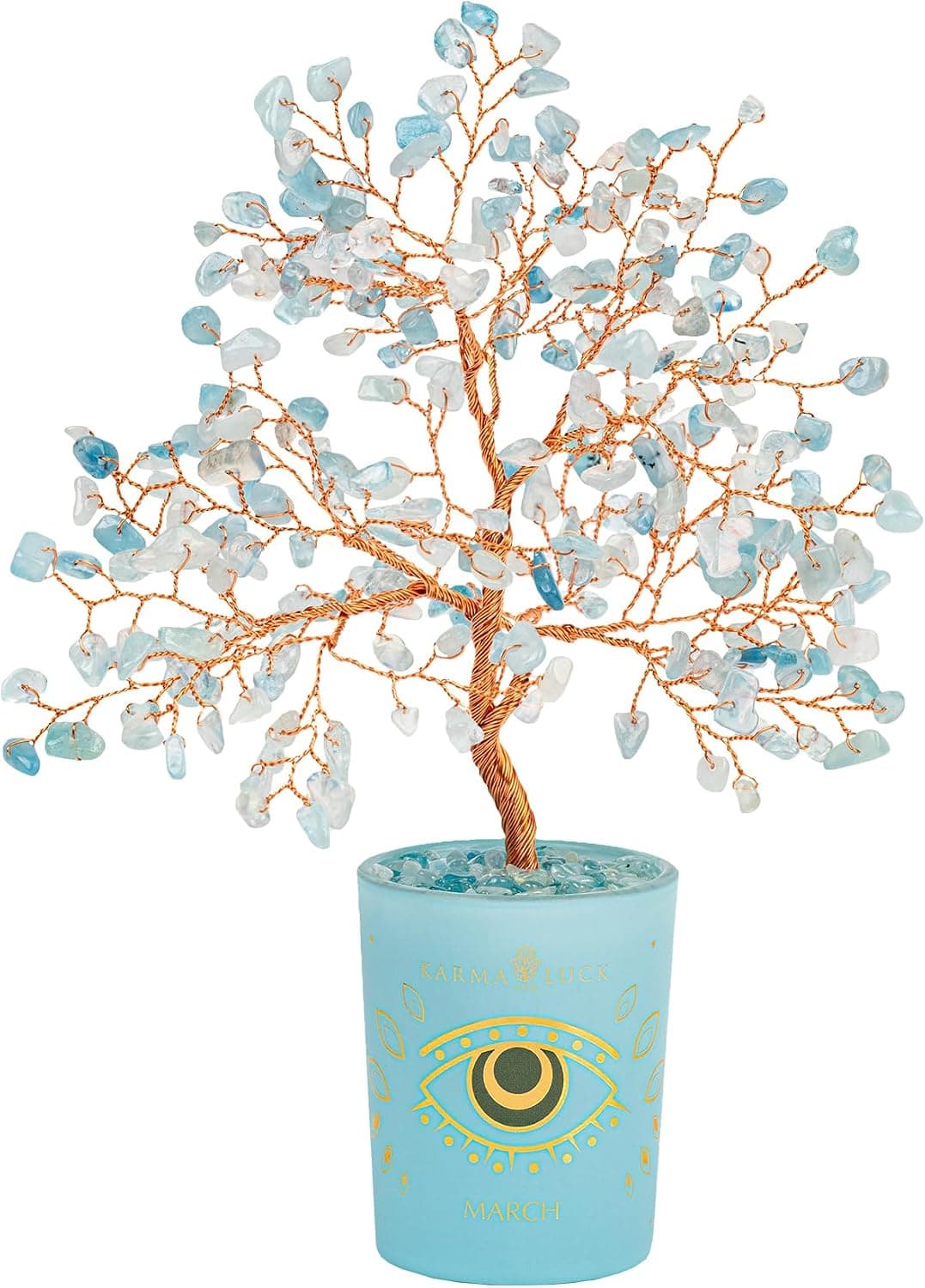 -29%
Karma and Luck March Birthstone Crystal Tree of Life, Aquamarine Gemstone Fen...
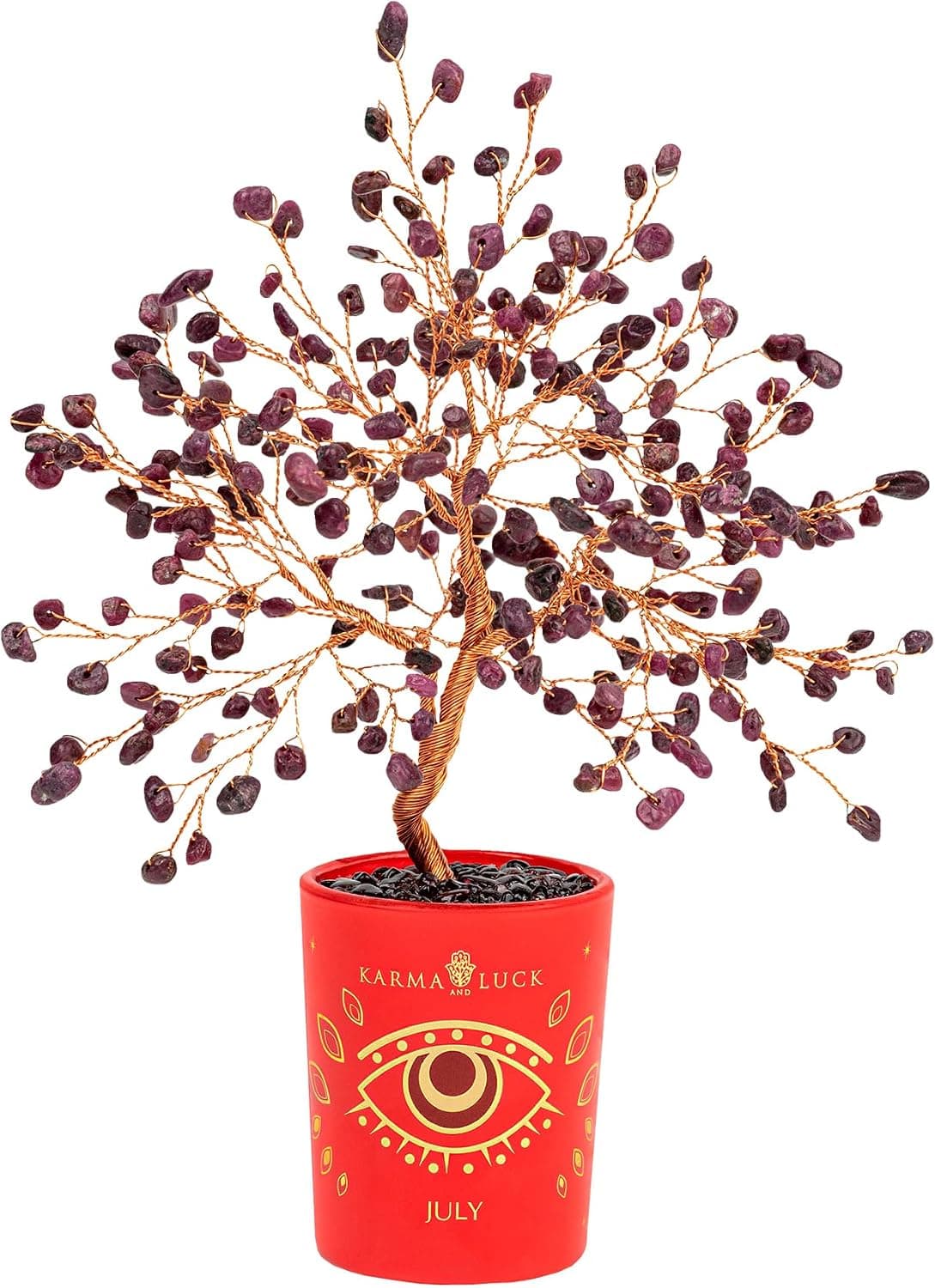 -29%
Karma and Luck July Birthstone Crystal Tree of Life, Ruby Gemstone Feng Shui ...
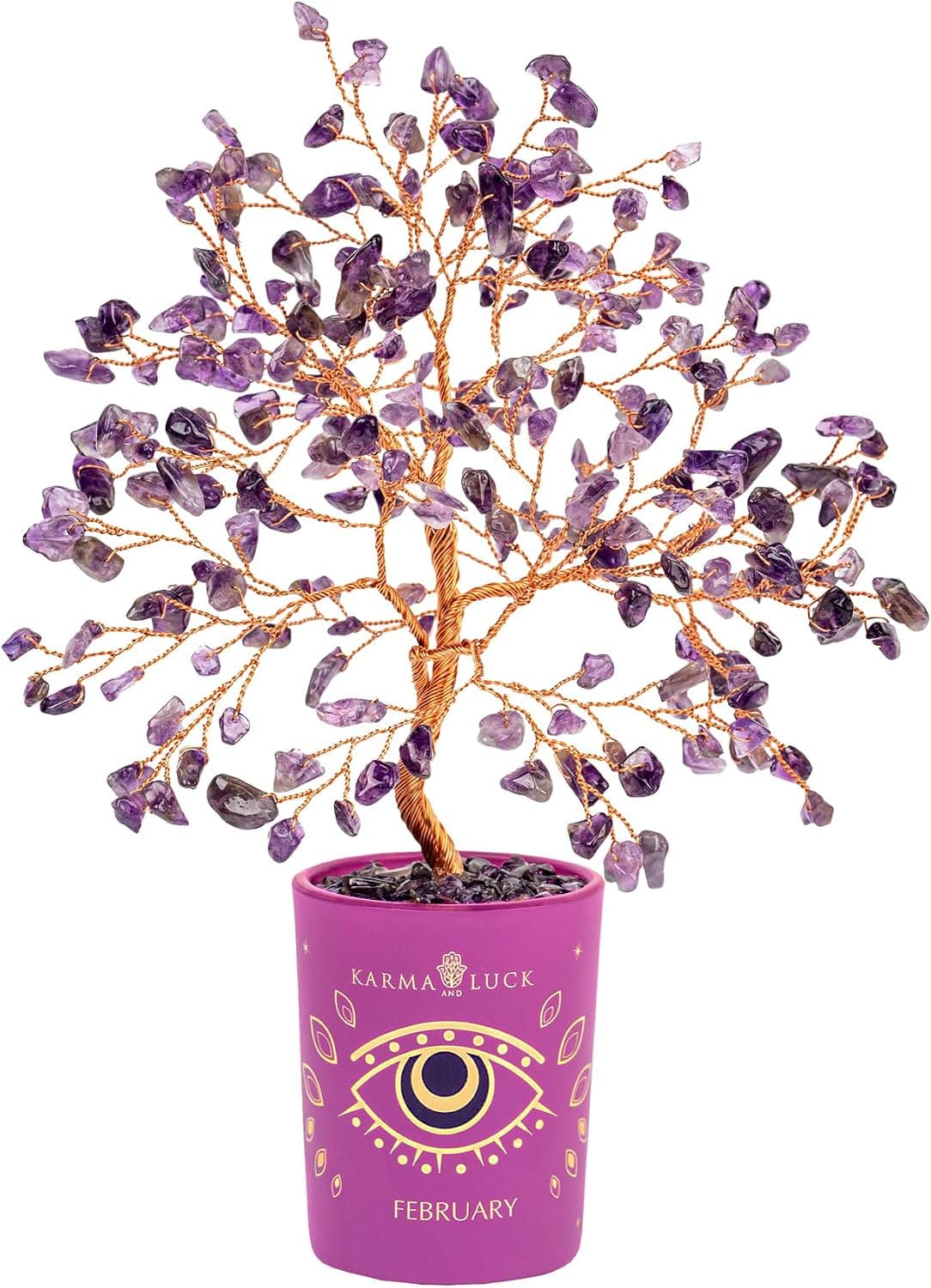 -29%
Karma and Luck February Birthstone Crystal Tree of Life, Amethyst Gemstone Fe...
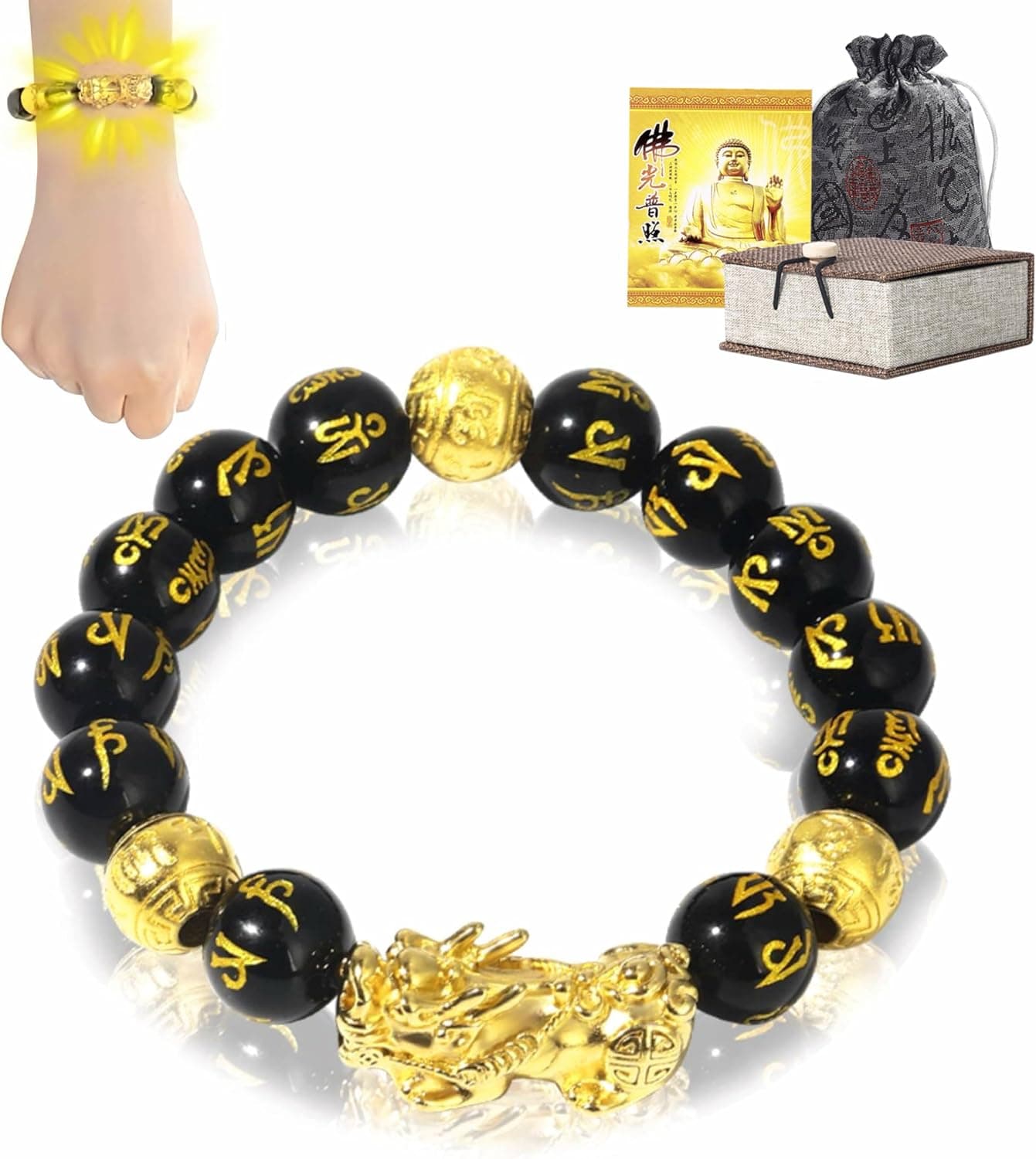 -50%
biuufish Feng Shui Black Obsidian Bracelet for Men Women, 24K Gold Plated Pix...
As an Amazon Associate, we earn from qualifying purchases. We only recommend items our practitioners have personally tested.
Continue Your Journey
Explore these related guides to deepen your understanding:
Ready for Deeper Guidance?
Try our free I Ching reading for personalized wisdom, or explore our curated Feng Shui essentials.