The animal year is not a fortune cookie; it is a social machine for memory, identity, and expectation.
It Is a Calendar, a Memory System, and a Way of Reading Character
The Chinese zodiac is not mainly a prediction device. It is a cultural system for marking time, assigning meaning to birth years, and giving families a shared language for character, ritual, and expectation.
On Lunar New Year morning, the shift is often visible before anyone says a word. Red paper appears on doors, gold ink catches the light, and the twelve animals show up everywhere at once, on calendars, candy tins, children’s clothing, and the tray beside the oranges and tea. The point is not decoration for its own sake. The point is that the household has entered a different rhythm.
That rhythm matters because it organizes memory. A birth year becomes an animal, the animal becomes a story, and the story is repeated until it feels familiar. What starts as a label turns into a social cue.
Seen this way, the zodiac is closer to a house plan than a fortune cookie. It tells people where to place attention, how to speak about age, and how to read the year as part of a larger pattern. That is why it stays alive in homes, not just in books.
For a deeper sense of how symbolic systems work in Chinese thought, compare this with heaven, earth, and human action are linked in Chinese thought. The zodiac is one more way of mapping relationship, not isolating facts.
Why the Twelve Animals Keep Returning
The cycle lasts because it is easy to carry in speech and hard to forget. A year of the Dragon, Rabbit, or Ox gives people a compact way to remember something that would otherwise be just another date on a page. Once a symbol can be repeated, it can be shared. Once it is shared, it becomes socially durable.
There is also a practical reason the system survives. Human beings do not hold abstract time very well, but they remember images, stories, and ritual objects with far less effort. A named year gives shape to what would otherwise feel thin and repetitive.
That repetition is doing more than decoration. It creates a stable association between a year, a creature, and a cluster of expectations. By the time the same animal returns again, people are not starting from zero. They are re-entering a pattern they already know how to recognize, which is why the system feels immediately usable in conversation and ceremony.
The system also persists because the animals are flexible enough to absorb local meaning without breaking the cycle. A Dragon can stand for authority in one setting, vitality in another, and good fortune in a third. The form stays fixed, but the social use changes with the moment. That adaptability makes the symbols easy to keep.
That is why the same animal returns in stamps, wall hangings, festival prints, and school decorations. Repetition trains the eye. Familiarity lowers resistance. What people see every year begins to feel natural even before they can explain it.
The system also works because families use it together. A grandmother mentions a sign at the table, a parent remembers an animal year when talking about age, and a child hears the same pattern at every festival. The meaning is reinforced by use, not just by belief.
In that sense, the zodiac behaves like a shared household language.
For readers interested in the philosophical background, Daoist thinking about pattern and correspondence helps explain why the animals were never meant to be random mascots.
Why the Same Animal Can Mean Different Things
A sign is never only the animal. It also sits inside yin-yang movement and one of the five elements, which changes its tone. A Dragon year shaped by Fire does not carry the same feeling as a Dragon year shaped by Water. The name stays the same, but the atmosphere shifts.
This is where people often flatten the system. They treat it like a personality quiz with fixed results. That misses the point. The zodiac was built to read change, and change is where its usefulness lies.
Think of a room with the same furniture but different light. In morning light, the room feels open and practical. Under a low lamp, it feels quiet and inward. The objects did not change, but the experience did. The elements work in a similar way: they alter mood, emphasis, and movement.
Yin and yang deepen that reading. Yin gathers, receives, and consolidates. Yang pushes outward, reveals, and begins. When those currents are layered over the animal cycle, the result is not a sealed verdict. It is a vocabulary for timing.
What this means in practice is that the same animal can point to different forms of action depending on context. A symbol may suggest advance in one year, caution in another, or consolidation in a third. The value of the system is not that it produces one fixed answer, but that it gives a way to compare tendencies instead of flattening them into a single label.
For a practical bridge, read a step-by-step way to read yin and yang in daily life and then watch how the annual animal year picks up the same logic in a broader frame.
Why Families Read It as Character, Not Just Fate
Because the system is repeated inside families, it becomes a way of speaking about temperament. A child hears comments about being born in a Tiger year or an Ox year in casual conversation, at birthdays, and during New Year visits. The sign becomes part of the person’s social description.
That process is ordinary and powerful. When a label is repeated often enough, people start to use it as a lens for behavior. A relative may say someone is bold, careful, or persistent because of their sign, and the person begins to notice those traits more closely in themselves.
I have seen this around a low table during festival prep, with oranges stacked in a bowl and tea cooling beside a red envelope tray. The discussion was not about forecasting luck. It was about how to talk to a child, what kind of pace to expect, and how to place that child inside the family’s remembered order.
That is the social force of the zodiac. It gives households a way to discuss duty, temperament, and timing without sounding clinical. The logic resembles the family-centered moral language found in Confucian family ethics, where character is shaped in relationship, not in isolation.
People in some Western settings assume the sign is always taken literally. In many homes, it is not. It is a shorthand that works because everyone understands the rules of the conversation.
Where the Zodiac Shows Up in Daily Life
During festival season, the symbol moves off the page and into the room. Paper couplets hang at the entrance. Animal motifs appear on candy boxes, lanterns, children’s clothes, and wall calendars. A central table may hold fruit, incense, and sweets in a deliberate arrangement that signals respect and renewal.
Placement matters. A tall object at the center can mark importance. Red near the threshold can suggest welcome and vitality. Gold lettering can lift the mood before anyone speaks. These cues are not mysterious. They are visual instructions, and people respond to them quickly.
The calendar function is just as practical. Families count age by annual cycles, remember milestones through animal years, and use the old wall calendar as something more tactile than a digital date. It gets folded, marked, handled, and checked. That physical contact helps memory stick.
Older family members often carry this knowledge most naturally. One person may explain age, festival date, and birth year in a single sentence because, for them, those things belong to the same rhythm. The system is not only symbolic. It is organizational.
For another angle on how ritual turns into daily habit, this practical yin-yang guide for daily life shows the same pattern in a quieter form.
The symbols only work when the room can hold them.
What Happens When You Live With the System for a While
The real test is not the first glance. It is what happens after months of living with the frame in place. At first, the animal year feels festive. Later, it becomes part of the background, shaping how people speak about plans, expectations, and timing.
The emotional load changes more than the calendar does. If a family has discussed one child’s sign, one parent’s element, and the year’s tone for half a year, the system becomes part of ordinary conversation. It does not need to be believed with intensity to remain active.
Repetition is the mechanism. Repetition makes memory. Memory makes expectation. Expectation sharpens attention. Then attention begins to interpret events through the same structure, and the structure feels stronger because of that interpretation.
I have also seen the system fail when the setting was wrong. In a narrow north-facing bedroom, a shelf of bright zodiac figures was placed too high and too visually loud. The objects were meaningful, but the room felt unsettled because the placement fought the use of the space. Symbols still answer to environment.
That is why the best study of the zodiac stays close to everyday life. It shows up at doorways, family tables, calendars, and annual routines. For a related bridge between symbol and space, this piece on yin-yang balance in modern life is worth reading next.
The Zodiac as a Way of Thinking About Limits
A mature reading treats the zodiac as a philosophy of limits. It says that a person arrives inside conditions they did not choose: a year, a family, a season, a tradition, and a set of expectations. That is not a prison. It is the starting line.
Forecast thinking asks what will happen. A symbolic reading asks what kind of time this is, and how one should act inside it. That shift matters because it moves the system away from crude superstition and toward interpretation.
Some years invite expansion. Some ask for restraint. Some expose what has been ignored. The system does not need to predict every event to remain useful. It only needs to help people frame the year with less confusion and more discipline.
That is one reason it keeps crossing generations. It is portable, easy to remember, and reinforced through family speech. Shared meaning can steady people when the year feels unsettled.
Placed beside inner peace as a practice, the lesson becomes clearer: the value is not control over the future, but steadier judgment in the face of change.
The chinese zodiac lasts because it sits where cosmology, family life, and visual design meet. It gives time a shape, gives character a language, and gives ritual something people can actually see. Used well, it does not trap a person in fate. It trains them to read the year with more memory and less panic.
FAQ
Is my zodiac sign supposed to tell me what will happen this year?
Not in a mechanical way. It is better understood as a cultural framework for timing and temperament. People use it to think about the year, not to replace judgment.
Why do older relatives bring up animal years so often?
Because the system is familiar to them and useful in conversation. It helps them talk about age, personality, and family timing without making the discussion feel formal.
Do the five elements really change the meaning of a sign?
Yes, they change the tone. The animal stays the same, but the element and yin-yang balance alter how the year is read, much like the same room can feel different under different light.
What is the point of the zodiac if I do not believe in fortune telling?
You can still use it as a cultural calendar and a memory aid. Even without belief, it helps explain how families organize festivals, talk about age, and pass down shared symbols.
Why does it appear everywhere during Lunar New Year?
Because festivals turn ideas into visible objects. Red paper, lanterns, food, and animal images make the yearly cycle something the whole household can see and handle.
Can I learn from it without taking it literally?
Yes. Many people do. They treat it as a way to observe patterns, reflect on timing, and understand how tradition shapes daily life.
David Liu
Traditionally informed guidance • Cross-referenced with classical Chinese source texts
Rooted in classical Chinese metaphysics and cross-referenced with original texts. Product recommendations are based on traditional symbolism, not guaranteed outcomes.
Practitioner-Selected Tools for This Topic
Items our team has tested and found effective for the principles discussed above. Individual results may vary.
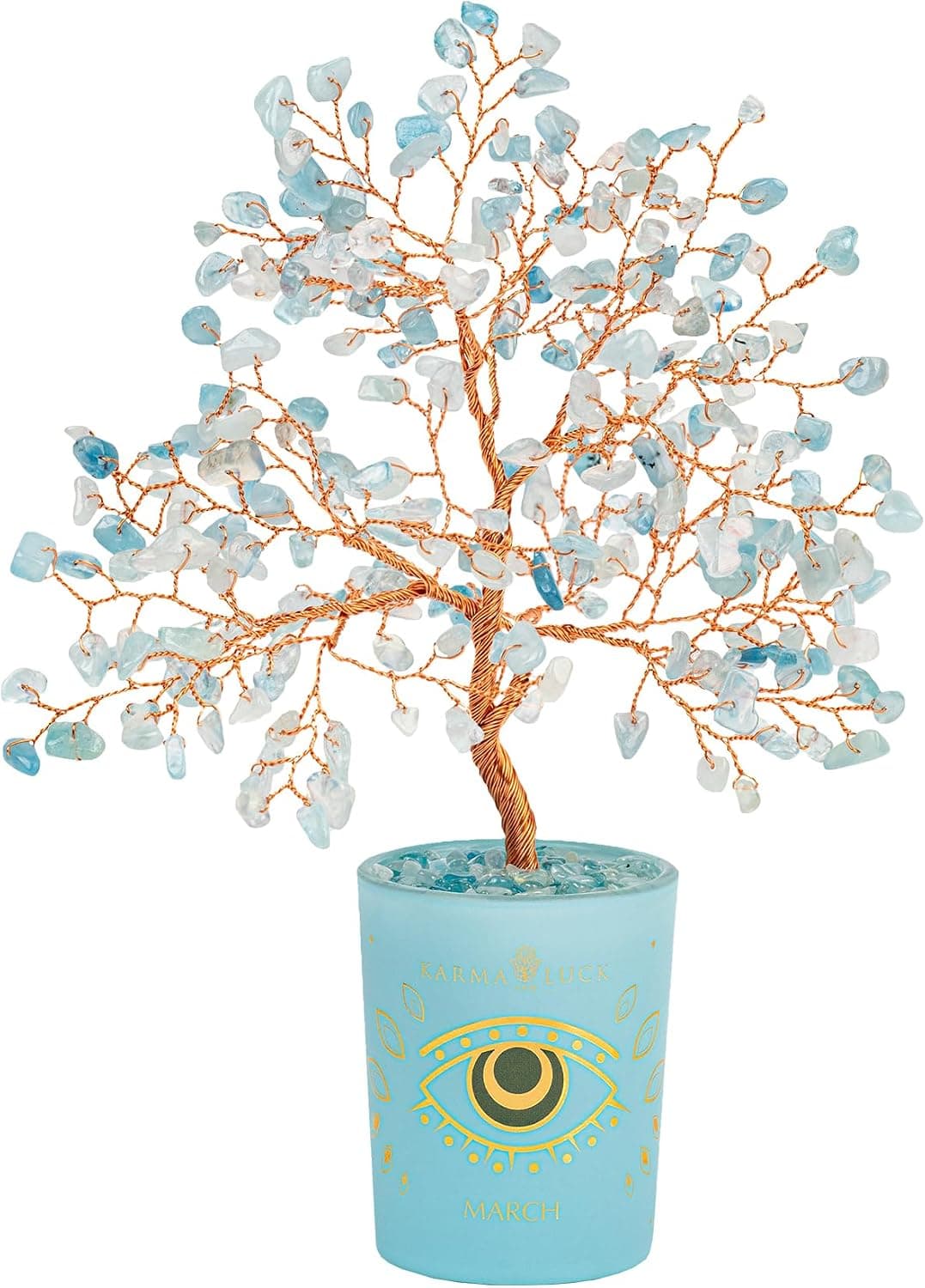 -29%
-29%Karma and Luck March Birthstone Crystal Tree of Life, Aquamarine Gemstone Fen...
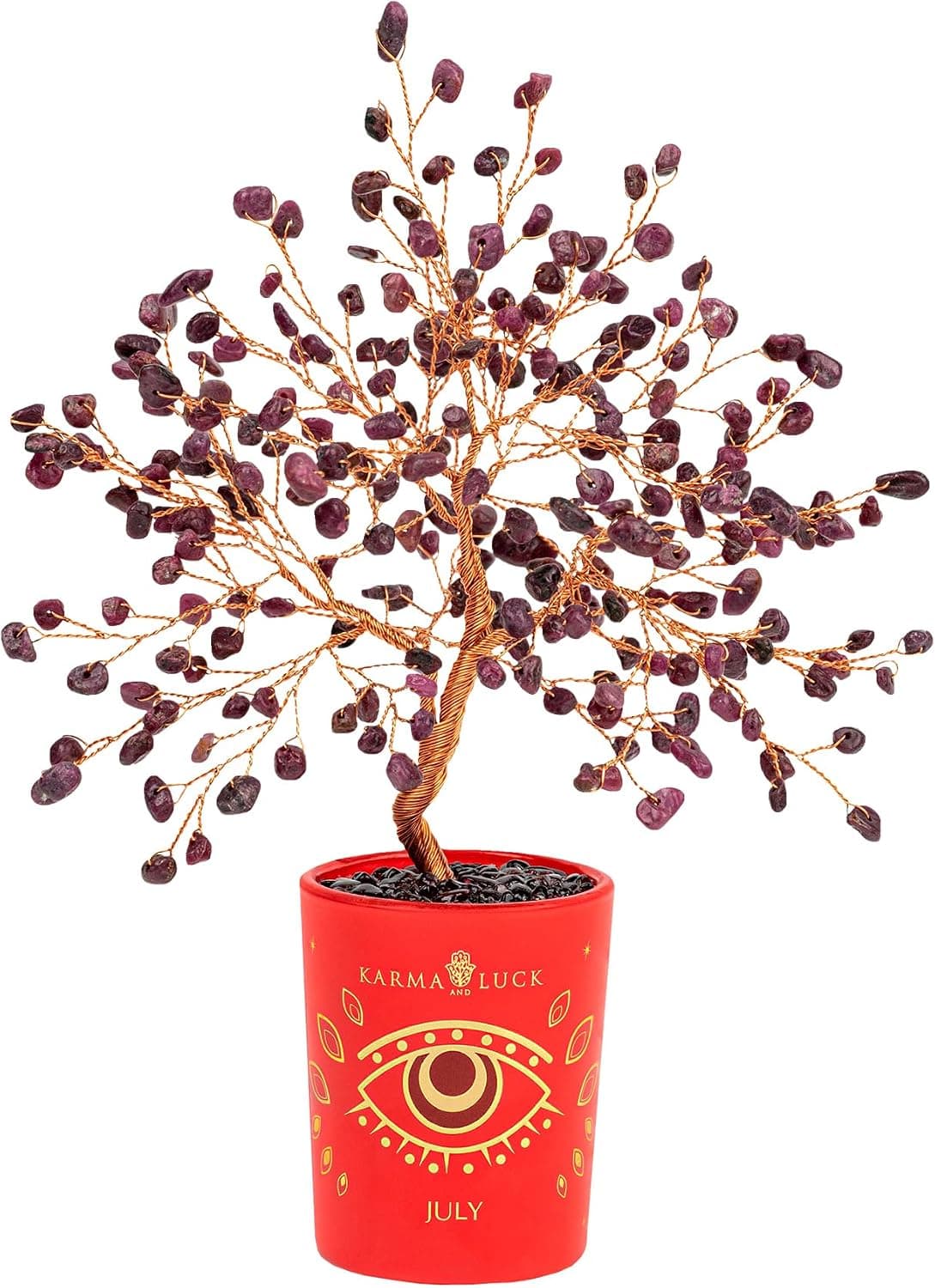 -29%
-29%Karma and Luck July Birthstone Crystal Tree of Life, Ruby Gemstone Feng Shui ...
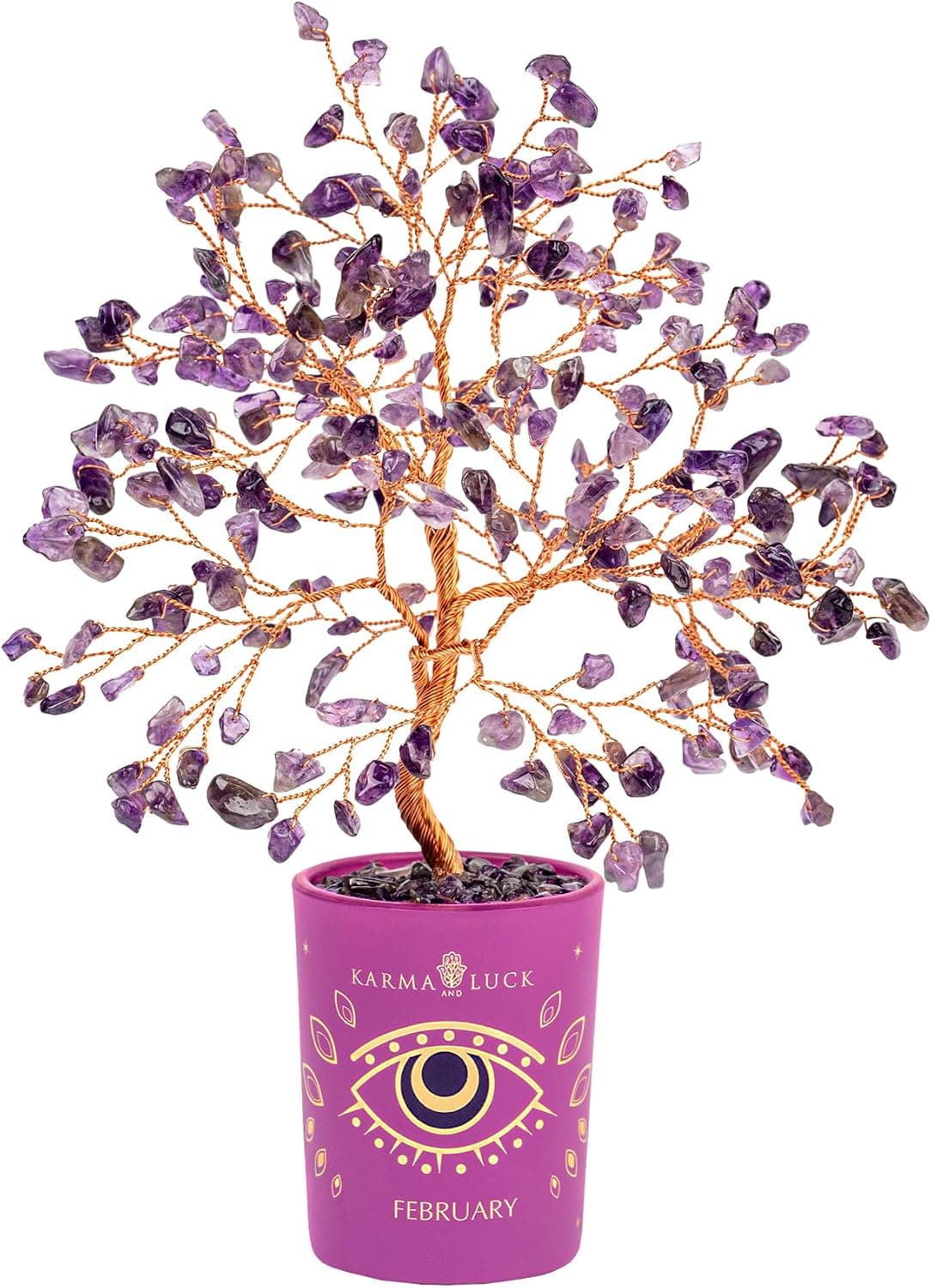 -29%
-29%Karma and Luck February Birthstone Crystal Tree of Life, Amethyst Gemstone Fe...
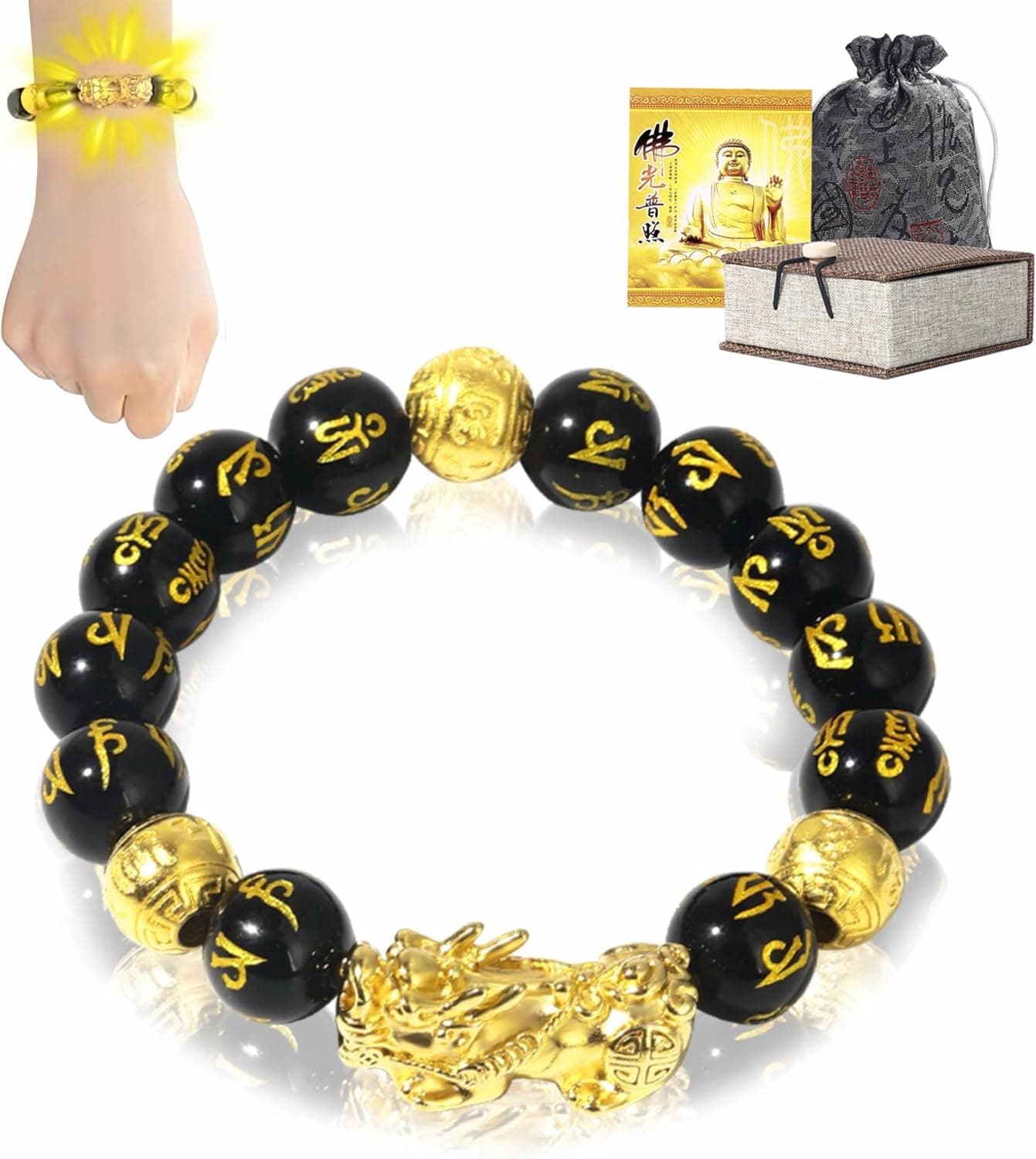 -50%
-50%biuufish Feng Shui Black Obsidian Bracelet for Men Women, 24K Gold Plated Pix...
As an Amazon Associate, we earn from qualifying purchases. We only recommend items our practitioners have personally tested.
Continue Your Journey
Explore these related guides to deepen your understanding:

Ready for Deeper Guidance?
Try our free I Ching reading for personalized wisdom, or explore our curated Feng Shui essentials.