Watch the threshold first: it often reveals more than any textbook summary ever will.
A corridor, a hush, and a decision before anyone spoke
The first thing I noticed was not the table. It was the pause at the doorway.
In a small meeting room with polished stone underfoot and a pale gray wall behind the chair of the senior manager, everyone waited for him to sit first. No one gave an instruction. No one needed to. The room had already arranged the social order. That is where Daoist thinking, Confucian ritual, and even Legalist control stop being abstract labels and start looking like behavior in real space.
I have seen this same pattern in a studio apartment in which the only path to the kitchen cut directly across the living area. The resident kept bumping into decisions: where to place shoes, where to stop, whether to speak to a guest from the couch or stand up and offer tea. Space was not neutral. It was coaching every movement.
That is the part many Western readers miss. Chinese philosophy is not only a shelf of old books; it is a repeated observation that people respond to order, role, tone, and setting long before they form a theory about any of it.
The same family argument, and three very different instincts
Picture a student at a dinner table after a family disagreement. In the mind, three responses appear almost at once: enforce the rule and name the boundary, soften the tone to preserve harmony, or step back and let the tension settle before speaking. Those are not random impulses. They are three distinct moral styles that have shaped Chinese thought for centuries.
The first is structural. It asks what the rule requires. The second is relational. It asks what keeps the bond intact. The third is strategic restraint. It asks what happens if the moment is left alone to cool. In practice, these instincts often compete because each solves a different problem: structure prevents drift, relationship prevents rupture, and restraint prevents escalation. Chinese philosophy becomes interesting when it shows that a good response is often the one that fits the situation, not the one that sounds strongest in the abstract.
That shift matters because behavior is often cued by context before it is chosen consciously. Psychology says the environment primes us; Chinese thought said something similar long before modern experiments confirmed it. Roles, rituals, thresholds, and shared expectations reduce ambiguity, and when ambiguity drops, ethical action becomes easier to sustain. A family argument feels less chaotic when everyone already knows who speaks first, how disagreement is signaled, and when silence is wiser than rebuttal.
So when a person asks whether Chinese philosophy values harmony, order, or freedom, the better answer is all three—but not in the same way, and not at the same moment.
What keeps appearing underneath the examples
The pattern is simple once you see it: Chinese philosophy keeps returning to how action is shaped, not just why action is judged.
That is why terms such as li, dao, qi, ren, wu wei, and zhongyong refuse to stay in neat little boxes. Li is patterned conduct, the visible form that makes social life legible. Dao is the underlying way things move when they are not forced. Qi is the stuff of vitality, the felt quality of aliveness and change. Ren is humane regard, the capacity to treat others as fully human. Wu wei is not laziness; it is action without friction, the kind that does not jam the situation. Zhongyong is the balanced center, not bland compromise but calibrated response.
These ideas are related because they all ask the same question in different language: what lets a person act well without constant inner warfare? Yin and yang in daily life is one way Western readers often first encounter this logic, but the older conceptual map is broader than balance alone. Balance is the surface. Pattern is the engine.
That is why a rigid room can make people rigid, and why a generous room can lower defensiveness. A narrow threshold raises attention. A bright central hall can invite visibility and shared purpose. A low side passage can signal secondary status without anyone saying a word. Architecture is never just shelter; it is behavior made visible.
The surprise is that this also explains why moral language in Chinese traditions often sounds less like commandments and more like cultivation. You shape the conditions, and conduct follows.
Why these ideas work when a textbook summary does not
Chinese philosophy holds together because it refuses to separate self, relationship, and setting.
Confucian thought is often misunderstood as mere obedience. It is stronger than that. At its best, it asks how social forms train attention until courtesy becomes second nature. A person who bows, waits, speaks in the right order, and reads the room is not performing emptiness; they are reducing social noise so trust can form.
Daoist thought pushes against overcontrol. It warns that forcing outcomes can create the very resistance you wanted to remove. This is where the idea of effortless action becomes practical. In a conversation, wu wei may mean asking one better question and then stopping. In a room, it may mean leaving enough open space that people do not feel crowded into a posture.
Legalist thinking adds a hard edge. People do not behave well because they admire virtue. Often they behave well because the system is clear, consequences are predictable, and ambiguity is limited. That can sound cold, but it is honest. A building with one obvious circulation path changes how people move; a company with one obvious decision process changes how people act.
And then there is the quieter thread running through later thought, especially Neo-Confucian and Wang Yangming traditions: mind and action cannot be fully separated. Knowledge is tested by conduct. That is a severe idea. It refuses the comfort of saying the right thing without living it.
Rooms that teach behavior before words do
Walk into a public building and look for the threshold, not the brochure.
A designer once described moving through a civic hall with a narrow entrance, a bright central atrium, and low side corridors lined with matte wood. The body knew what the signs only confirmed. The entrance compressed attention. The atrium expanded it. The side paths suggested support roles and private movement. No lecture on civics could have communicated status and sequence so efficiently.
This is where architecture and psychology meet Chinese philosophy with unusual clarity. Circulation shapes choice. Light changes emotional temperature. Proportion alters confidence. A room with hard glare and exposed seating can make people guard themselves. A room with softened light and clear sightlines can lower vigilance enough for honest speech. That is not mystical. It is human perception doing what it always does.
I have watched it in a cramped apartment hallway painted a heavy blue, where every conversation felt sharper than it needed to be. The moment the owner swapped the bulb for warmer light and cleared a storage cart from the passage, even ordinary greetings became less defensive. The space was no longer demanding a fight.
Do not underestimate that. A well-designed threshold can create pause, and pause reduces impulsive reaction. Chinese philosophy relies on that kind of pause all the time. Ritual is a pause. Courtesy is a pause. Wait a breath before speaking, and the whole ethics of the room changes.
How to use the pattern tomorrow without turning it into theater
Start with one place you enter every day. Stand there and notice whether it asks for speed or attention.
If it is your front entry, remove the first obstacle. If the first thing you see is clutter, your mind receives clutter before it receives welcome. If the transition from door to room is abrupt, add a tiny buffer: a mat, a lamp, a chair, a place to set a bag. The goal is not decoration. It is a threshold that helps you change gears.
Then look at circulation. Can you move through the room without squeezing around furniture? In small apartments, that question matters more than grand style. A tight path makes people feel trapped even when the room is technically enough square footage. A clear path makes restraint easier because the body does not need to negotiate with the furniture.
Next, test light. Does one corner invite retreat while another supports focus? I have seen bedrooms where a bright white bulb over the bed kept the nervous system on alert all night. Swap it for softer side lighting and the room stops shouting. This is not about superstition. It is about matching the environment to the behavior you want to sustain.
Finally, ask what role your space is rehearsing. Is it teaching hierarchy, independence, or shared ease? A tiny dining nook with one chair pulled awkwardly away from the table tells a different story than a balanced arrangement that makes two people face each other comfortably. The room is always rehearsing something.
Yin and yang in modern life becomes clearer when you stop treating it like an abstract emblem and start using it as a diagnostic lens: too much compression, too much glare, too much friction, too little pause. The correction is rarely dramatic. Usually it is a smaller adjustment than your pride wants to admit.
And that is exactly the point. Chinese philosophy does not ask you to become a different species. It asks you to notice the pattern already shaping you, then adjust the setting so better action has a chance to appear.
The pattern you can carry into work, family, and the next conversation
When a room teaches the body to wait, the mind follows. When a ritual clarifies roles, conflict softens. When circulation is obvious, people stop competing with the layout and can pay attention to each other.
That is the hidden pattern: classical Chinese thought keeps linking order with feeling, and feeling with conduct. Not because human beings are simple, but because we are responsive. We copy the room. We absorb the tone. We become what we practice around.
The most useful question is not, “Which school of Chinese philosophy should I believe?” It is, “What kind of response is this space, this rule, this habit, training in me?” If you can answer that honestly, you are already thinking in the tradition.
And once you start seeing that pattern, you notice it everywhere.
the Tao Te Ching and everyday life stop feeling distant when a hallway, a meeting, or a family dinner reveals the same lesson: the best order is the one that makes right action easier to choose.
FAQ
Is Chinese philosophy mostly about harmony?
Harmony is one major thread, but it is not the whole cloth. Some traditions emphasize ritual order, some emphasize flexibility, and some emphasize clear authority. The deeper point is that good action depends on the conditions that make it possible.
How does this apply to a small apartment?
Small spaces expose the mechanism fast. If the entry is cluttered, the circulation is awkward, or the lighting is harsh, the room will train tension. Clear a threshold, open a path, and soften the light; the emotional effect can be immediate.
What is the biggest mistake Western readers make?
They treat these ideas like slogans instead of working models. That misses the point entirely. Chinese philosophy is less about decorating your beliefs and more about changing the conditions that shape your conduct.
David Liu
Traditionally informed guidance • Cross-referenced with classical Chinese source texts
Rooted in classical Chinese metaphysics and cross-referenced with original texts. Product recommendations are based on traditional symbolism, not guaranteed outcomes.
Practitioner-Selected Tools for This Topic
Items our team has tested and found effective for the principles discussed above. Individual results may vary.
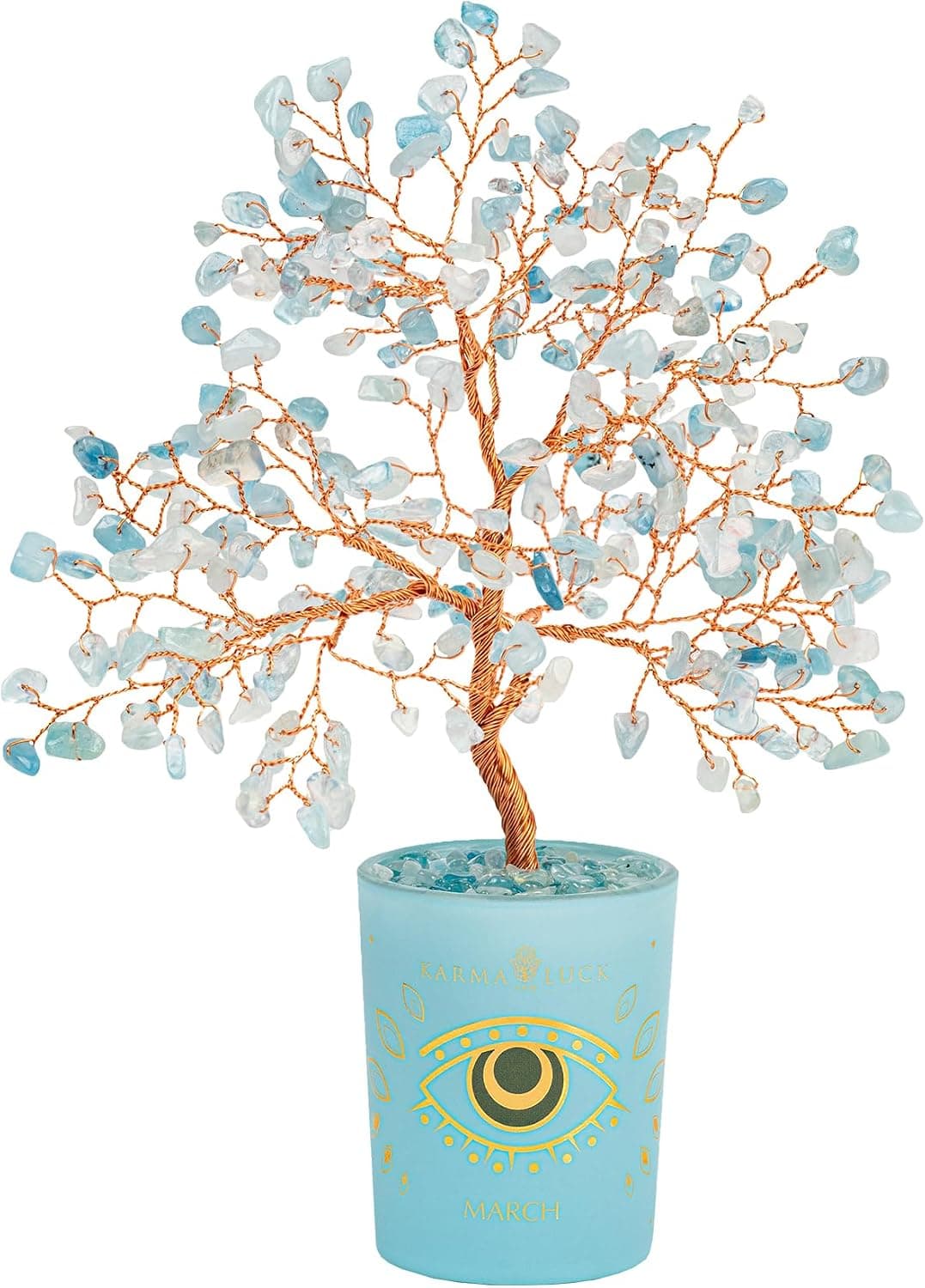 -29%
-29%Karma and Luck March Birthstone Crystal Tree of Life, Aquamarine Gemstone Fen...
 -29%
-29%Karma and Luck July Birthstone Crystal Tree of Life, Ruby Gemstone Feng Shui ...
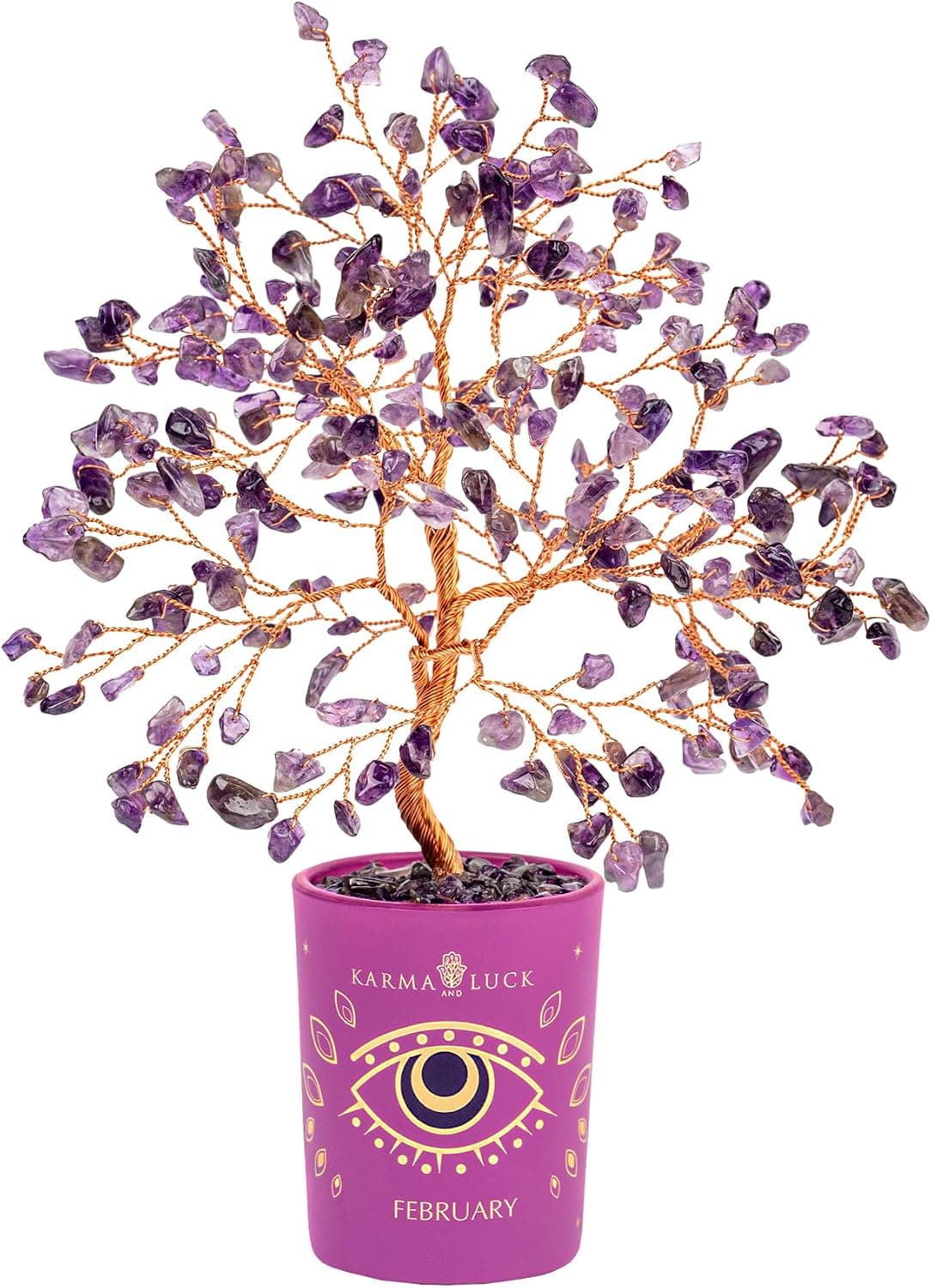 -29%
-29%Karma and Luck February Birthstone Crystal Tree of Life, Amethyst Gemstone Fe...
 -50%
-50%biuufish Feng Shui Black Obsidian Bracelet for Men Women, 24K Gold Plated Pix...
As an Amazon Associate, we earn from qualifying purchases. We only recommend items our practitioners have personally tested.
Continue Your Journey
Explore these related guides to deepen your understanding:

Ready for Deeper Guidance?
Try our free I Ching reading for personalized wisdom, or explore our curated Feng Shui essentials.