The best plant is the one your room can actually support—light, size, and circulation decide the rest.
Why the “best” plant changes the minute you look at the room
I’ve seen a narrow apartment entryway turned awkward by a tall plant that looked noble in the shop and miserable by the door. The leaves were healthy, but the pot sat right in the swing path, so every arrival felt like squeezing past a sentry. That is the real issue with choosing the best feng shui plants indoor: the room decides first, the plant decides second.
A plant can be auspicious and still be wrong for the space. In feng shui, we are not decorating a shelf; we are shaping circulation, first impressions, and the way a home receives people. A healthy plant at the threshold can soften the entry and invite movement, while the same plant jammed against a door creates friction. That is why I start with the room’s function, not with the plant’s reputation.
For readers who want the traditional lens alongside the practical one, this is where a broader look at plant symbolism and care helps. The useful question is not “Which plant is lucky?” It is “Which plant can stay upright, calm, and alive in this exact light, this exact corner, with this exact household?”
People read healthy growth quickly. Upright stems suggest stability. Glossy foliage suggests freshness. Drooping leaves, cramped roots, or a pot that keeps getting bumped suggest neglect, and the room picks up that message fast. Feng shui is sensitive to that kind of social signaling because homes are lived in, negotiated over, and constantly read by the people inside them.
There is no universal winner here. There is only the right match.
The trade-off between auspicious symbolism and indoor survivability
Some plants carry strong symbolic value but behave badly in the average Western home because their ideal conditions are more demanding than they look. A plant that reads as abundant in a bright conservatory may sulk in a shaded hallway; a plant prized for prosperity may need more light, more root room, or more stable humidity than the room can give. When those needs are unmet, the plant loses color, stretches for light, or drops leaves, and the symbolism weakens because the visual evidence of vitality is gone.
That is the real trade-off: symbolic promise versus environmental fit. A money tree or jade plant may feel ideal for wealth intentions, but only if the room offers bright indirect light and enough open space for the plant’s shape to read cleanly. If it is underlit, cramped, or constantly brushed past, it stops communicating abundance and starts communicating strain. The problem is not philosophical; it is biological. A stressed plant changes the tone of the room because people unconsciously register decline before they can name it.
Architecture gives us a useful way to think about this. A floor-standing plant has different visual mass from a tabletop plant, and a hanging plant has yet another weight entirely. In a compact apartment, a large plant can dominate circulation and make the space feel smaller because it competes with body movement and sightlines. In a generous living room, the same plant can act like a soft partition and anchor the corner because it has room to breathe and be seen as intentional. Proportion matters, but proportion matters for a reason: the eye trusts objects that fit the scale of the room.
For the front door line, this matters even more. A threshold is a transition zone, not storage. If you place a plant where it blocks sightlines or door movement, the home feels compressed before the visitor even steps fully inside. The result is not just inconvenience; it creates a subtle cue that the entry is congested, which is the opposite of welcoming. For a room-by-room view of the entrance sequence, the front door carries more influence than most people expect.
So the trade-off is simple, though not always easy: choose a plant that can thrive in the light you actually have, then use its shape to improve the room rather than fight it. A plant that survives gracefully is better feng shui than a famous plant that struggles, because stability reads as ease and ease reads as good flow.
A decision framework that works in real homes
Start with light. Bright indirect light opens the field for jade, money tree, and many glossy-leaf options because it supports compact growth and healthy color. Medium light can support sturdy, adaptable plants that do not need constant attention, but they still need enough energy to hold a full shape. Low light narrows the field, and that is where many people make the mistake of buying a plant for its label instead of its behavior; the plant may survive for a while, but it will often get leggy or thin, which defeats the point.
Then look at size. A small tabletop plant can be perfect for a desk, bedside table, or kitchen ledge because it adds life without crowding the eye. A larger plant works when you want to correct a dead corner, define a seating area, or give visual weight to a room that feels scattered. In massing terms, you are deciding whether the plant should be a light accent or a structural anchor, and that choice should follow the room’s current problem, not your preference for a certain species.
Next comes safety, and this is where I get less romantic and more practical. If you have pets or small children, a plant that is symbolic but toxic creates a hidden problem because you end up managing access instead of enjoying the space. Choose varieties that are non-toxic when possible, or place potentially irritating plants where they cannot be reached. Feng shui is not helped by a household that lives with constant caution, because vigilance changes the emotional baseline of the room.
Then ask what the room is asking from you. A living room wants openness and calm order, so plants there should support the conversation zone without interrupting it. An office wants focus without visual clutter, so the plant should reduce tension rather than become another task. A bedroom wants softness, restraint, and minimal stimulation, which means the plant must be quiet enough to disappear into the background. A wealth corner wants healthy growth, but not a jungle; the sector works better when the plant feels cared for and spacious rather than crowded and overcomplicated. These are not abstract ideas; they are spatial jobs, and each job implies a different plant shape, size, and maintenance load.
If you want a fuller view of how to read those areas through the bagua, this explanation of the bagua map will help you place intention without forcing it. Still, the room itself is the final judge. If the plant looks like it belongs there, the decision is probably right because the eye and the body stop arguing with the object.
One more test: stand in the doorway and look at the first visual field. If the plant improves that first glance by adding freshness, order, or a sense of welcome, you are on the right track. If it creates a snag, a shadow, or a visual barrier, move it.
Where different plants actually fit
A bright living room corner is often the easiest place to succeed. I’ve seen a jade plant on a low stand near a south-facing window do exactly what it should do: hold the corner without interrupting circulation. The glossy leaves caught the afternoon light, and the room stopped feeling thin at that edge. That is good placement because it supports both the eye and the movement pattern.
For entryways, go smaller than your instincts tell you. A narrow hall with a front door that opens inward does not want a tree-like plant crowding the swing. A compact, upright plant or a well-kept tabletop arrangement can soften the threshold without narrowing the passage. The point is to welcome energy, not block it at the door.
Home offices need the most honesty. A plant on a desk with limited daylight should be chosen for reliability, not aspiration. When leaves drop daily or stretch toward the glass in a tired way, the visual field becomes another task. That is why many offices do better with one sturdy plant than with three small ones competing for attention. The right plant lowers decision fatigue because it looks intentional, not improvised.
Bedrooms need restraint. I know the popular advice says plants are harmless everywhere, but a crowded bedside arrangement can make a sleeping room feel more active than restful. If you want greenery there, keep it modest, healthy, and out of the direct line of sight from the pillow. For deeper guidance on the bedroom setting itself, bed placement and room calm work together, and plants should serve that calm, not compete with it.
Wealth corners are best treated as living corners, not trophy shelves. A well-formed money tree or jade plant can support that sector if the leaves are healthy and the container fits the room’s scale. If the corner is dim, cramped, or full of clutter, the plant alone will not fix it. Clear the space first, then add the plant as a sign of renewal.
Pet-safe households often need a different shortlist entirely. That is not a compromise; it is a smarter filter. A plant that everyone can live with quietly beats a “perfect” symbol that creates worry every day.
When placement helps, and when it backfires
Placement helps when the plant softens a dead corner, guides the eye, or balances an empty zone near a window. It also helps when the plant supports circulation by standing just outside a main path rather than inside it. Think of it as spatial courtesy.
Placement backfires when the plant crowds a doorway, narrows a hall, or sits where it has to be constantly moved. Repeated moving is a signal in itself. It tells the room that the object does not belong. A plant that gets bumped, rotated, and rescued every few days is rarely good feng shui, no matter how famous the species.
Shared spaces bring another layer. In households with multiple adults, plant choice often becomes a negotiation over maintenance and taste. The best choice is usually the one that both looks good and creates the least maintenance drama. Sociology matters here: if one person feels burdened by watering duties or allergic reactions, the plant will carry tension with it.
The same goes for visual proportion. A tiny plant lost on a large sideboard can look unfinished. A huge floor plant in a compact studio can feel intrusive. The goal is not to impress the eye. It is to settle it.
Around windows, use reflected light and adjacency carefully. A plant near bright indirect light often reads as alive and crisp. Move it too close to harsh sun and you can scorch the leaves. Push it too far back and it may become weak and leggy. The sweet spot is usually a step or two away from the brightest edge.
For readers who care about symbolic amplification through objects, you can combine a plant with other cures carefully, but do not pile everything into one corner. If you are curious how that logic differs from crystal work, the crystal approach follows a different kind of energy logic.
And one blunt warning: if a plant is beautiful for two weeks and then slowly becomes a dust-collecting obstruction, it stops being a cure and starts being decor debt. That happens more often than people admit.
Picking the right plant for your household setup
If your home has bright light and generous circulation, choose a plant with clear shape and strong leaves. Jade, money tree, and other upright, glossy options can work well because they hold a corner without fuzzing out the room. If you want one plant to carry more visual authority, use a taller specimen; if you want subtle support, use a tabletop version with clean lines.
If your home is shaded, smaller, and full of lived-in movement, the best indoor feng shui plants are the ones that can stay healthy without demanding spotlight conditions. In that setting, I care less about symbolic fame and more about leaf quality, growth habit, and whether the plant can maintain a calm presence. A struggling plant in low light is not a remedy. It is another errand.
Here is the practical sequence I use. First, identify the room’s job. Second, look at the light. Third, decide whether the plant should soften, anchor, or simply freshen the visual field. Fourth, check safety. Fifth, place it where it improves the threshold, the path, or the corner without creating clutter. That sequence works because it respects both feng shui and daily life.
Notice what is missing from that sequence: superstition. A plant does not need to be rare, expensive, or trendy to be effective. It needs to be healthy, proportionate, and in the right place. That is the part many people skip because it sounds too ordinary. It is not ordinary at all.
For the people who want a simple purchase rule, here it is: buy the plant your room can support, not the one your wish list loves most. If you are choosing for a living room corner, think sculptural. If you are choosing for an entry, think clearance and welcome. If you are choosing for an office, think endurance. If you are choosing for a bedroom, think quiet.
And if you’re planning a seasonal reset, remember that timing and arrangement matter too. Some homes feel lighter with a small refresh at the start of the year, especially when the entry and main room have been cleared first. For that kind of reset, seasonal clearing can set the stage for new growth.
The right plant should make the room feel more breathable the moment you see it. Not louder. Not busier. Better.
FAQs
Are money trees really the best feng shui plants indoor?
They can be, but only in the right light and with enough space to read as healthy and intentional. In a dim corner or cramped doorway, a money tree often becomes a maintenance problem instead of a symbol of growth.
Can I keep a plant in the bedroom?
You can, if it stays small, healthy, and visually quiet. I would avoid crowding the bed with several plants or placing one where it competes with rest. A single restrained plant is usually enough.
What if my home is low light?
Then the plant shortlist gets smaller, and that is a good thing. Choose a species that genuinely tolerates lower light and keep expectations realistic. Feng shui improves when the plant thrives, not when you keep rescuing it.
Should I choose based on symbolism or appearance?
Surprising as it sounds, the healthiest choice is usually both. A plant that looks balanced in the room and can actually survive there creates stronger feng shui than a famous symbol that slowly declines. The room reads health first.
Mei Chen
Traditionally informed guidance • Cross-referenced with classical Chinese source texts
Content draws from both Compass (Luopan) and Form (Xingshi) school traditions. Illustrative examples are composites based on consultation experiences.
Practitioner-Selected Tools for This Topic
Items our team has tested and found effective for the principles discussed above. Individual results may vary.
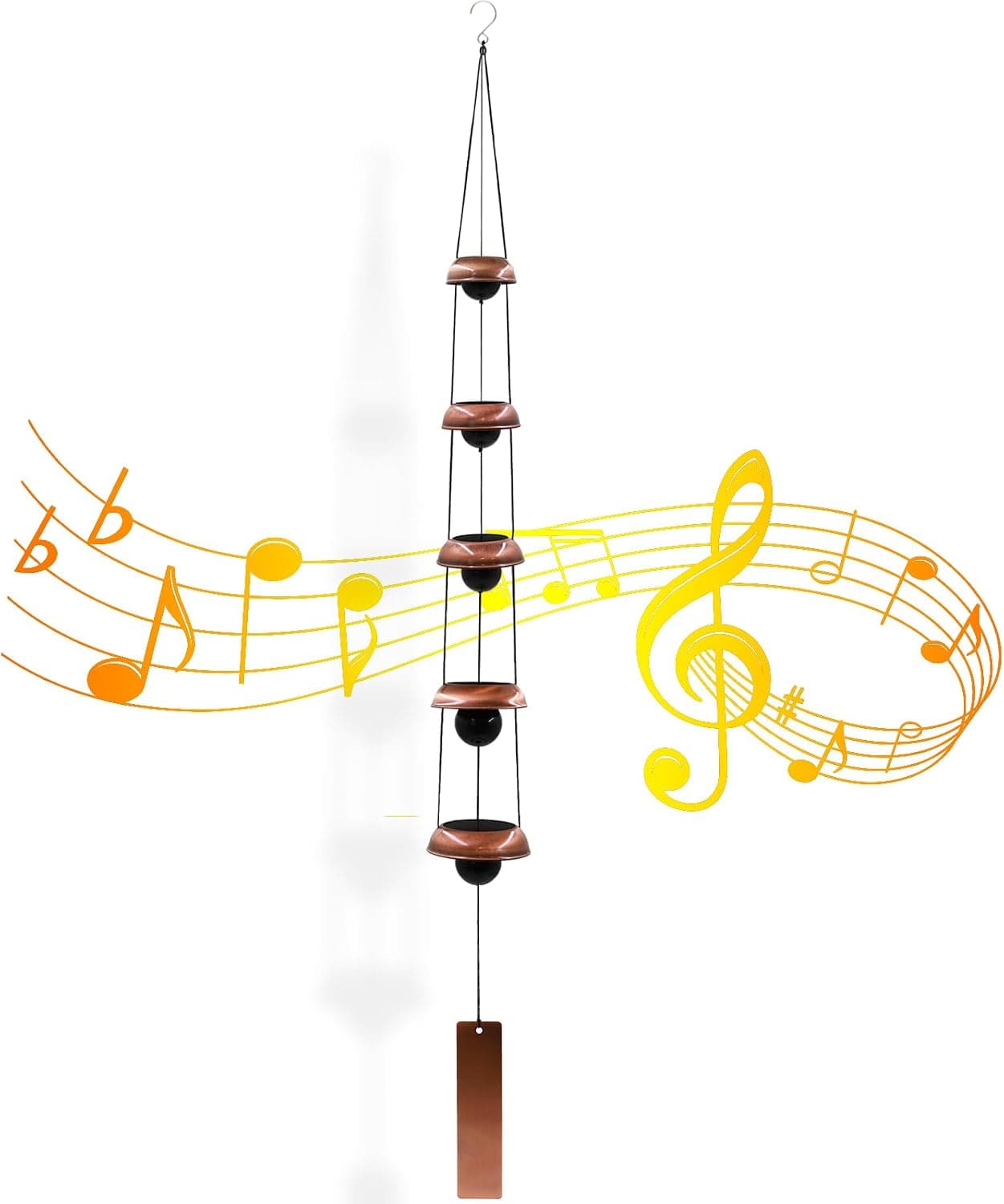 -19%
-19%Wind Chimes for Outside with 5 Bell Unique Copper Musical Chimes Feng Shui Wi...
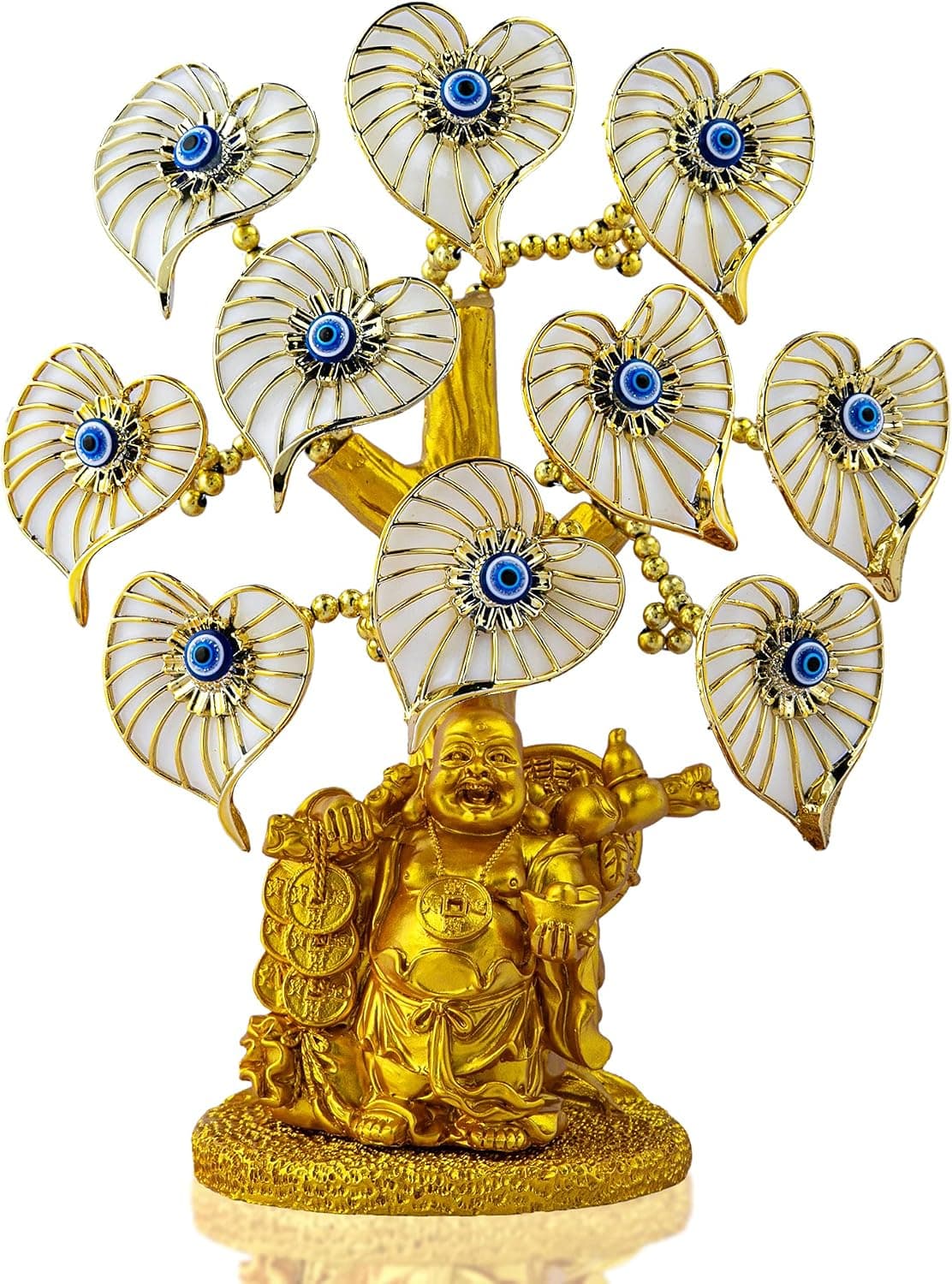 -5%
-5%YU FENG Evil Eye Money Tree, Blue Feng Shui Decor with Golden Buddha
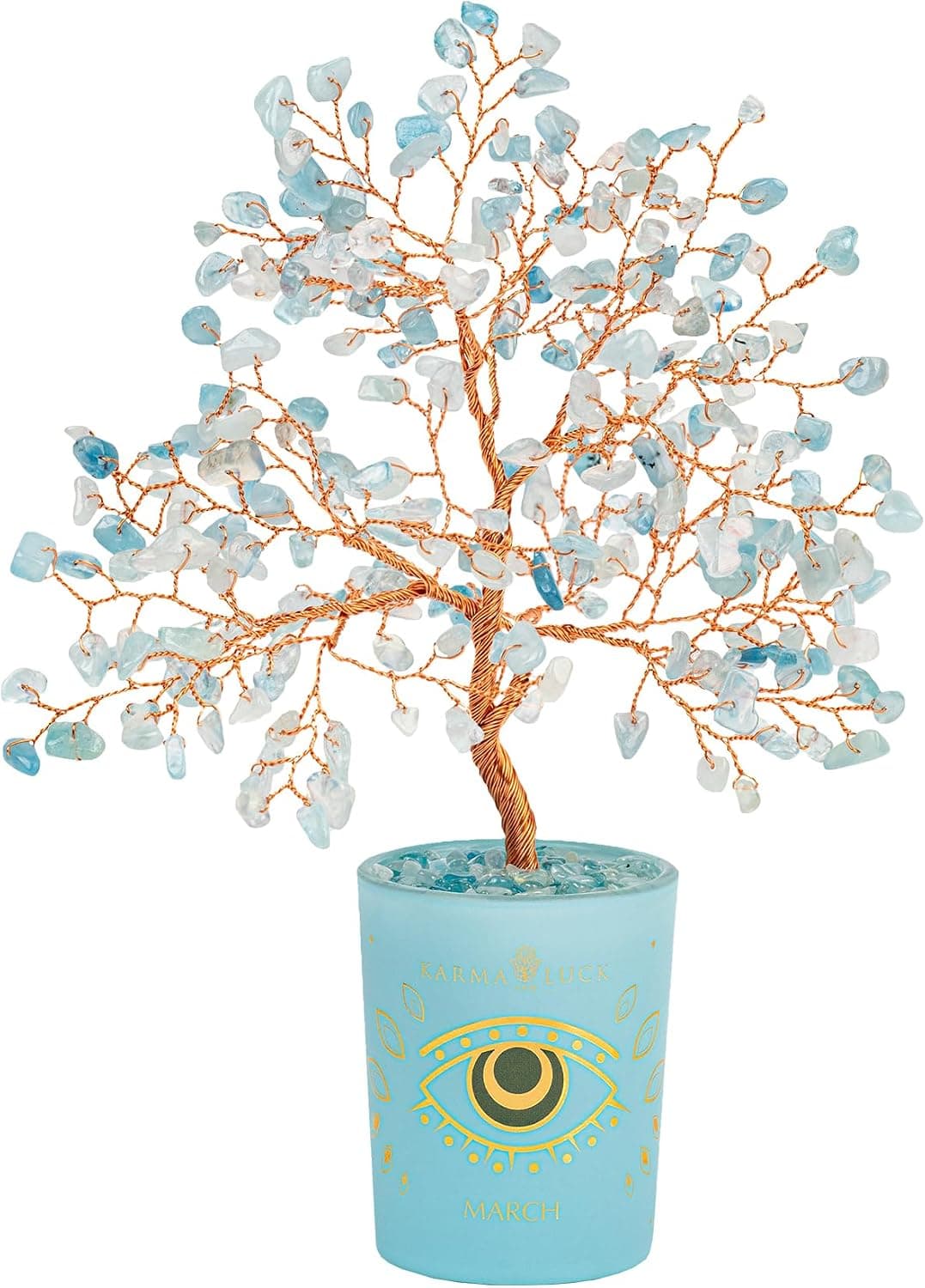 -29%
-29%Karma and Luck March Birthstone Crystal Tree of Life, Aquamarine Gemstone Fen...
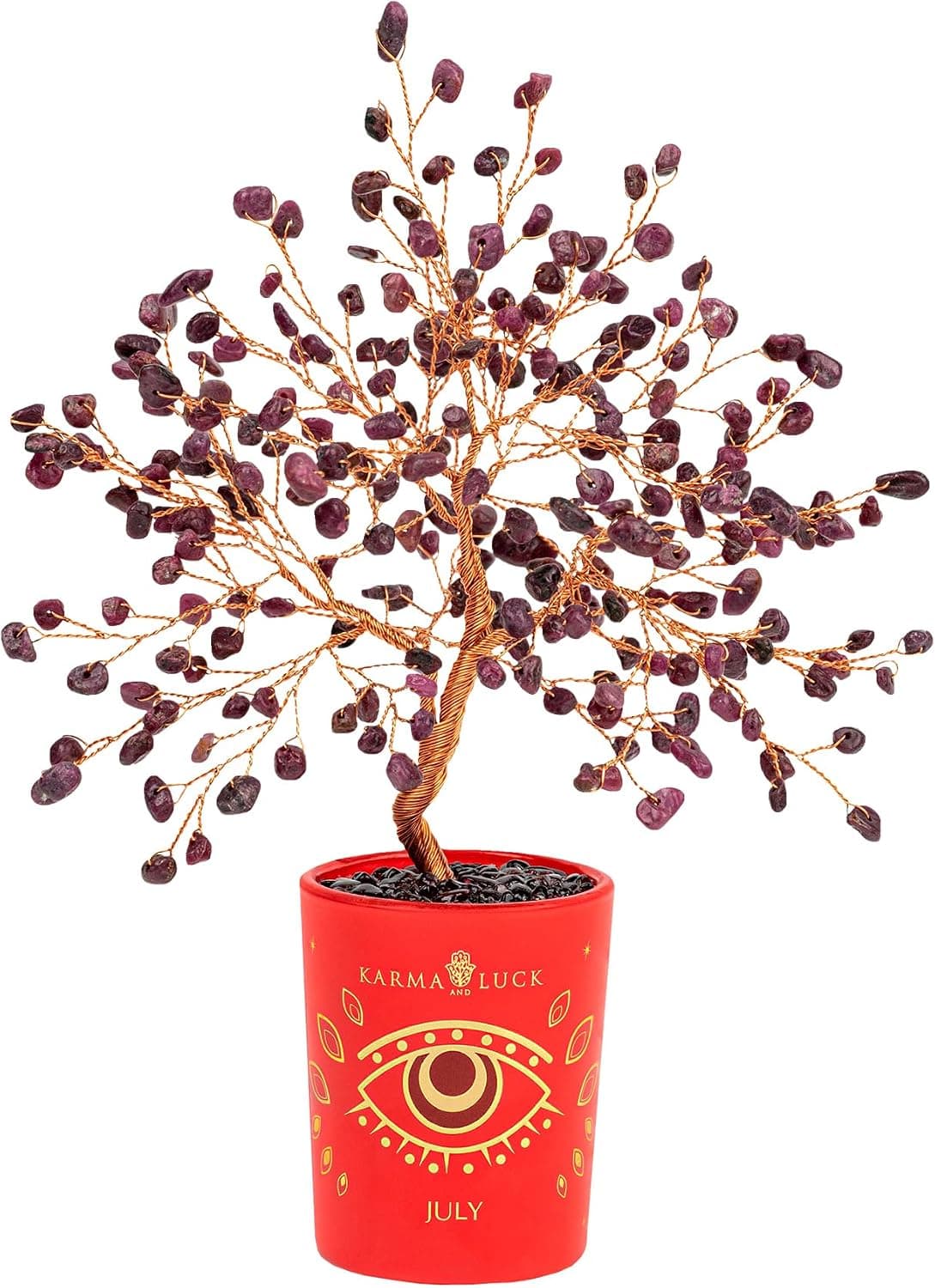 -29%
-29%Karma and Luck July Birthstone Crystal Tree of Life, Ruby Gemstone Feng Shui ...
As an Amazon Associate, we earn from qualifying purchases. We only recommend items our practitioners have personally tested.
Continue Your Journey
Explore these related guides to deepen your understanding:


Ready for Deeper Guidance?
Try our free I Ching reading for personalized wisdom, or explore our curated Feng Shui essentials.