Planting in the wrong spot can make a healthy border feel strangely flat, crowded, and tired.
The Real Story Behind best-plants for garden feng shui
When you study best-plants for garden feng shui in depth, patterns emerge that casual guides miss. I saw it last spring in a narrow courtyard behind a Victorian terrace in Portland: a row of glossy jade plants, two lucky bamboos in blue ceramic pots, and a perfect little stone path that looked straight out of a catalog. Yet the owner, a nurse named Elena, kept saying the same thing: the garden felt drained by Tuesday, and by Friday the back door stayed shut even on warm evenings.
The mistake was not the plants. It was the dead zone.
Every outdoor space has one. Sometimes it sits under an overhang where rain never lands. Sometimes it forms at the end of a long straight path, where qi races through too fast to settle. A bed can be lush on one side and strangely inert on the other because the corner never receives enough movement, warmth, or human attention. That is why common plant advice misses the mechanism: a plant can only support what the site is already doing.
In practical terms, the job is not to “add auspicious greenery” and hope. First you identify where energy pools, where it stalls, and where it leaks out. Then you place roots, texture, and height so the space starts circulating again. If that sounds less romantic than the blogs promised, good. Gardens respond to physics as much as symbolism.
Step One: Find the dead zone before you buy anything
Walk the garden at two times: just after sunrise and again near dusk. Notice where the air feels still, where leaves barely move, where your body unconsciously speeds up or veers away. Those are not mystical impressions. They are clues. Stagnant corners often have compacted soil, poor light, and fewer repeat visits, so the mind stops registering them as part of the home.
That is where mapping the yard with the bagua becomes useful, but only if you keep it grounded. The wealth area on paper means very little if the actual corner is a shaded strip behind the recycling bins. I have seen people overfeed a “prosperity” bed with red flowers while ignoring the fact that the hose never reaches it and the soil stays dry for weeks. Wrong. The symbol can’t rescue neglect.
One afternoon in a small Berkeley backyard, I stood beside a rusted metal gate painted hunter green. The couple there had placed three rosemary shrubs along the fence because they had read that evergreen herbs attract steady growth. The front two flourished. The third sat in a pocket of shade beside a shed, its needles dull and its branches sparse. That corner also held a bike with a flat tire, two cracked clay pots, and a stack of wind-blown mail. The plant wasn’t failing alone. The whole pocket had become a visual pause where life stopped arriving.
Step Two: Match the plant to the kind of deadness
Not all dead zones behave the same. Some are too dry because the wall reflects heat and rain barely reaches the soil. Others are too wet because water collects after storms and the roots sit in a cold puddle. A third type is the “silent” zone: the place no one uses, so nothing there gets pruned, watered, or admired. Each condition asks for a different plant response.
For dryness, choose tougher growth with narrow leaves or leathery foliage, because those forms lose less moisture and keep a cleaner outline in harsh light. Lavender, rosemary, and dwarf olives do this well if the drainage is sane. For damp shade, think of ferns, camellias, or hellebores, since broad impatience-plant thinking will rot the roots and leave the corner looking mushy by midsummer. For a neglected space, pick something with a visible seasonal change: hellebores in late winter, hydrangeas that flush in early summer, or a climbing jasmine that makes the area worth walking toward.
Five Elements Theory explains why good feng shui still feels wrong when the texture is mismatched. A stiff, spiky plant in a still, shaded niche can feel like a desk chair in a bathtub. A soft, round plant in blazing reflected heat can collapse before the month is out. The point is not “use wood energy” in the abstract. The point is to create a living response that fits the actual conditions underfoot.
Step Three: Build movement, then let the plant hold it
Plants do not create circulation by themselves. They catch it.
That distinction matters. A dead zone usually lacks one of three things: visual pull, foot traffic, or elemental contrast. So you introduce movement in layers. First, a path that invites the body to enter instead of cut across. Then, a plant with a shape that changes in wind or light. Finally, a small object that keeps the eye from sliding past the area too quickly, such as a stone basin, a lantern, or even a terracotta pot with a matte finish.
In a Seattle townhouse garden, I watched a retired architect solve a lifeless rear corner by shifting a bench three feet left and planting three dwarf maples behind it. Not because maples are magical. Because the bench created a reason to pause, and the maples gave the pause a frame. Within six weeks, the owner stopped treating the corner like storage overflow. He began drinking coffee there in the morning. The box of old patio string lights disappeared. So did the habit of dumping prunings beside the shed.
The center rules the room, and the same logic applies outside: the garden’s center, axis, and edges need different jobs. If your dead zone sits at the far boundary, don’t overwhelm it with a giant specimen that blocks the view. Use a layered planting instead. If it lies near the door, keep the height lower so the threshold stays open. If it is a corner where two fences meet, soften the angle with something rounded. Hard angles make people hurry. Rounded mass makes them stay.
Step Four: Choose species by function, not by hype
The internet loves to flatter plant choices. Money plant. Lucky bamboo. Fortune tree. Fine names, lazy thinking. A name does not tell you whether a plant can survive your exposure, your soil, or your watering habits. The wrong choice can do more damage than leaving the space empty, because a struggling plant broadcasts neglect faster than bare ground does.
For a sunny outer edge, I reach for structure first: boxwood if the climate suits it, rosemary if the soil drains fast, or ornamental grasses where a lighter screen is needed. For a shaded side yard, variegated fatsia or camellias can give depth without turning the corner into a black hole. For an entrance-adjacent dead zone, I like plants with welcome behavior: soft edges, upright but not rigid stems, and enough fullness to suggest abundance without blocking sightlines. The message should be, “Come in,” not “We ran out of space.”
In one San Antonio garden, a teacher named Priya had filled a west-facing strip with bright begonias because she wanted cheer. The color was lovely for two weeks. Then the afternoon sun scorched the leaves, the soil cracked, and the bed turned into a crisp border of disappointment. She replaced them with lantana and a low row of santolina, and the strip finally held its shape through August. Different plant, different mechanism, better output.
A bedroom sanctuary depends on fewer interruptions, and outdoor planting follows the same rule. If a dead zone sits beside a window you look through every day, it needs calm order. If it sits near a sitting area, it can tolerate more density. Human use changes the field. Ignore that, and even the prettiest border will feel like a display no one enters.
Step Five: Fix the soil, or the energy dies twice
Plants are not ornaments. Their roots are workers.
Soil compaction is one of the quietest causes of dead zones. People walk near the same patch, park a wheelbarrow there, or let old mulch harden into a crust. Water runs off. Roots stay shallow. Growth turns timid. A garden can look polished from a distance and still be starving underneath.
Loosen the top layer without shredding the roots, then add compost that smells like forest floor rather than ammonia. If water beads and disappears elsewhere but lingers in that patch, improve drainage before planting. If the bed is too alkaline or too acidic for the species you want, no amount of chanting will help. Big surprise. Even auspicious shrubs dislike bad chemistry.
After soil work, mulch lightly so the area reads as cared for, not smothered. Leave the plant crowns visible. Use a hose or drip line that actually reaches the corner. I know that sounds mundane. It is. Mundane fixes are why some gardens start breathing again while others keep collecting decorative failures.
Step Six: Watch for the mistake that makes people quit
The most common failure is overcorrecting. Someone notices a dead zone, buys four “lucky” plants, arranges them in a neat arc, and then wonders why the corner now feels crowded and anxious. Too much height in a tight space can pin the energy down. Too many identical pots can make the area look staged instead of alive. Too much red near a hot wall can feel like a headache waiting to happen.
Another trap: placing a plant where it receives admiration but not support. A rose in a windy, forgotten side yard may look noble for a month and then strip bare. A citrus tree in a shade pocket near a north wall may stay alive yet never fruit. Both outcomes create disappointment, and disappointment changes behavior. People stop visiting the area. They stop watering it carefully. Then the dead zone deepens.
I’ve seen dozens of gardens where the real problem was not missing decor but missing relationship. Once the owner began using the space, the space changed back. That is why a dead zone is less about emptiness than abandonment. Fill it badly and it still feels abandoned. Fill it well and the whole perimeter begins to listen.
Common mistakes that quietly undo the work
Do not put a plant in a corner just because the corner looks blank. Blankness and deadness are not the same thing. One needs design. The other needs repair.
Also, beware of treating every outdoor issue like a bagua problem. A corner can line up with wealth on the map and still be ruined by a clogged drain, a broken sprinkler head, or a fence shadow that steals afternoon light. Money corner mistakes that quietly undo the setup often come down to those ordinary details. People reach for symbolism when the hose is disconnected.
And yes, fake plants count as a mistake in most outdoor settings. They may seem harmless, but dust, UV fading, and a little wind make them look tired fast. Once that happens, the dead zone gets a second dead layer on top of it. Not helpful.
FAQ
Is conventional best-plants for garden feng shui advice reliable?
Often not, because it starts with the plant name and skips the site conditions. A so-called lucky plant can fail if the light, soil, and traffic pattern are wrong. The better question is: what kind of dead zone am I trying to repair?
Can I fix a bad corner with one plant?
Sometimes, but only if the corner already has decent structure. One well-chosen shrub near a doorway can change the feel of a cramped threshold. In a deep shade pocket or a dry wind tunnel, one plant usually needs support from soil work and a second element.
Do all gardens have a dead zone?
Surprisingly, almost every one does. Even lush yards usually contain a strip people ignore because it’s too hot, too wet, too hidden, or too awkward to reach. Once you spot that pattern, the whole layout becomes easier to read.
Should I follow the bagua before I choose plants?
Start with the physical site, then layer the bagua over it. The map helps you think about function, but the garden tells you where life is actually leaking, pooling, or stalling. If those two stories conflict, trust the ground beneath your feet.
What if the dead zone is right by the house?
Then treat it like an extension of the interior, not a leftover strip. Use calmer shapes, cleaner edges, and plants that do not shed constantly onto the threshold. A muddy, cluttered patch beside the back door changes the whole tone of coming and going.
The strange part is how fast a dead zone announces itself once you know to look. A corner you ignored for years suddenly looks like a held breath, with one cracked pot, a dry rim of soil, and a vine that never quite reached the fence. What changes first: the plants, or the way you start walking toward them?
Mei Chen
Traditionally informed guidance • Cross-referenced with classical Chinese source texts
Content draws from both Compass (Luopan) and Form (Xingshi) school traditions. Illustrative examples are composites based on consultation experiences.
Practitioner-Selected Tools for This Topic
Items our team has tested and found effective for the principles discussed above. Individual results may vary.
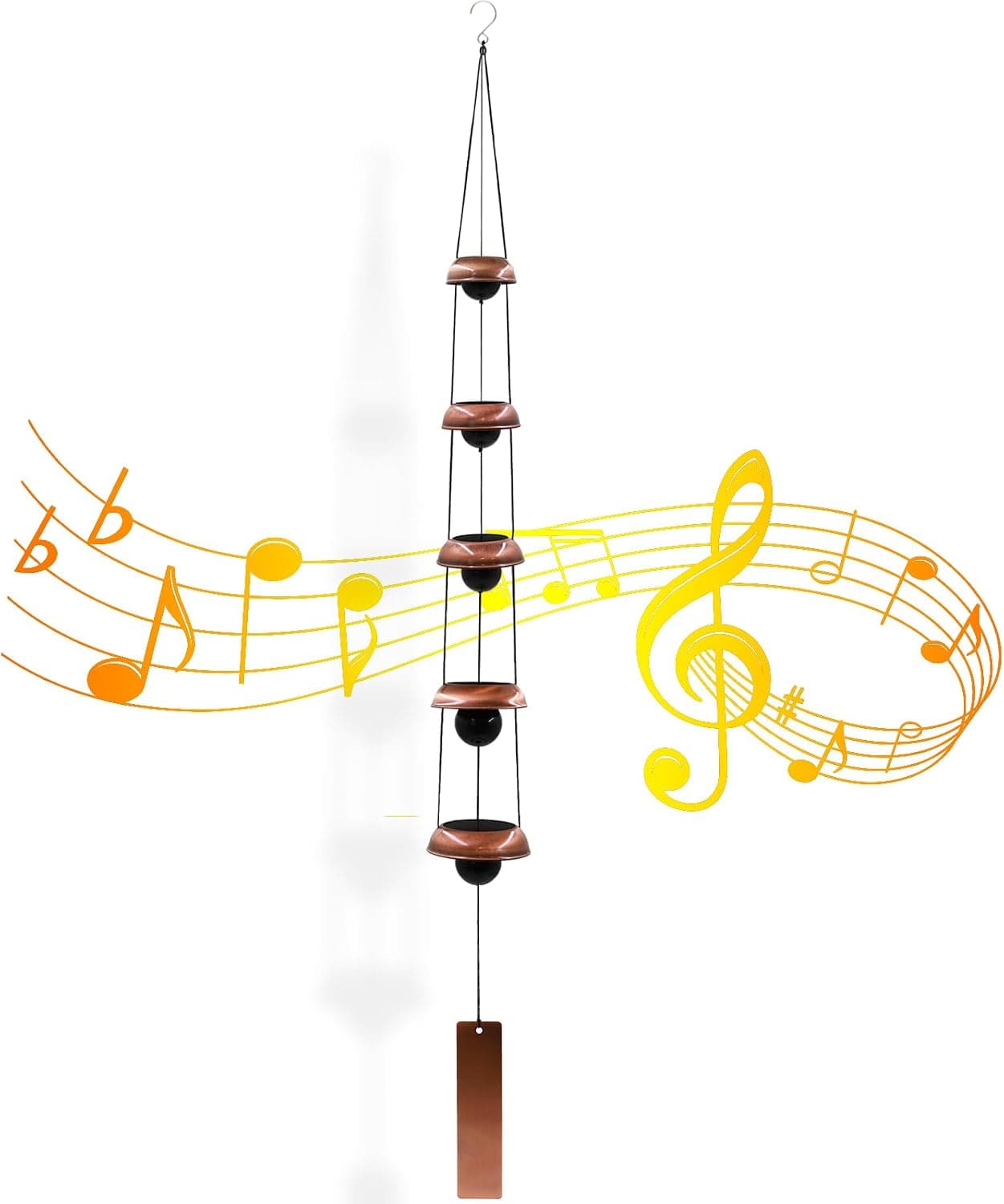 -19%
-19%Wind Chimes for Outside with 5 Bell Unique Copper Musical Chimes Feng Shui Wi...
 -5%
-5%YU FENG Evil Eye Money Tree, Blue Feng Shui Decor with Golden Buddha
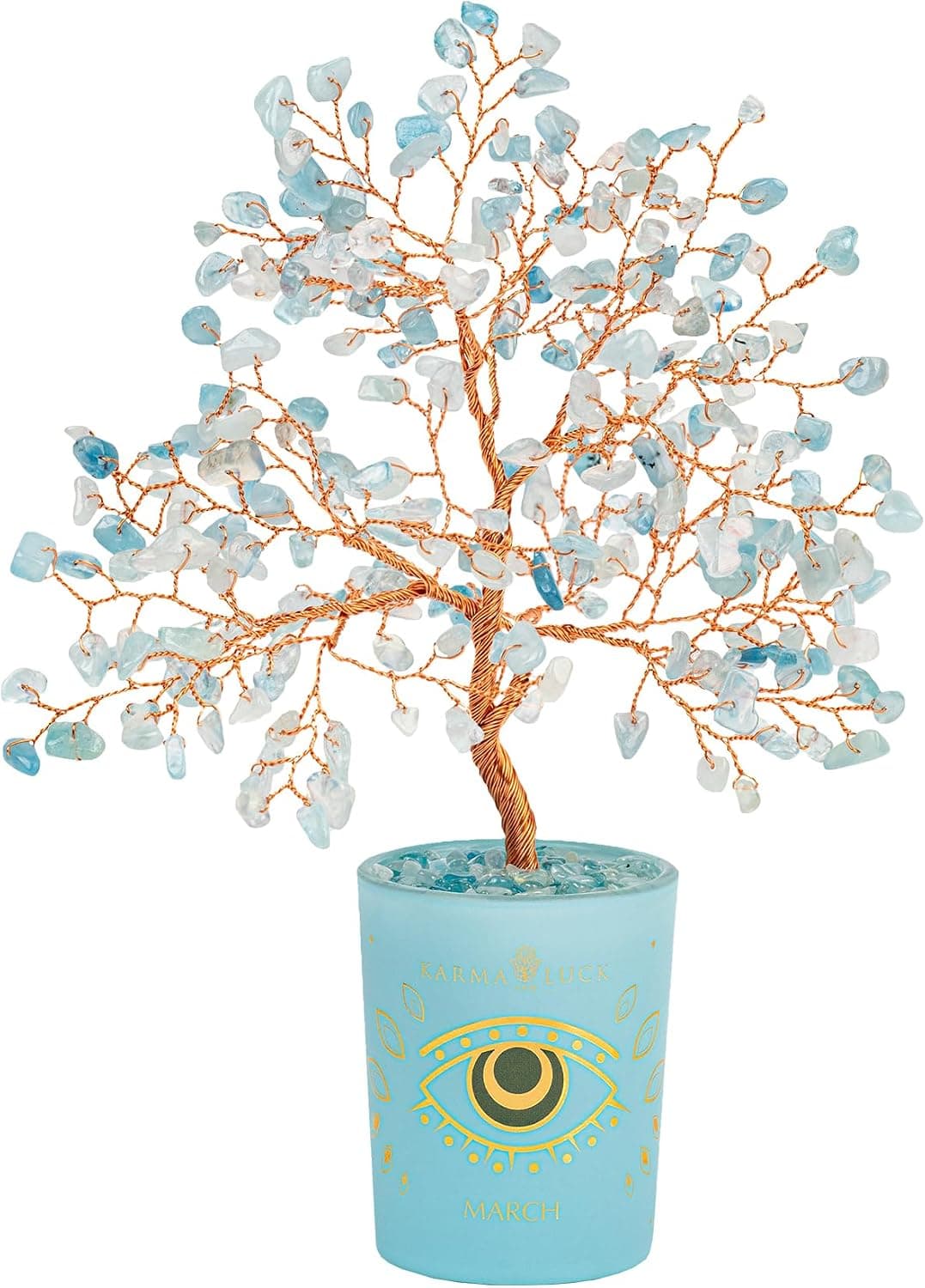 -29%
-29%Karma and Luck March Birthstone Crystal Tree of Life, Aquamarine Gemstone Fen...
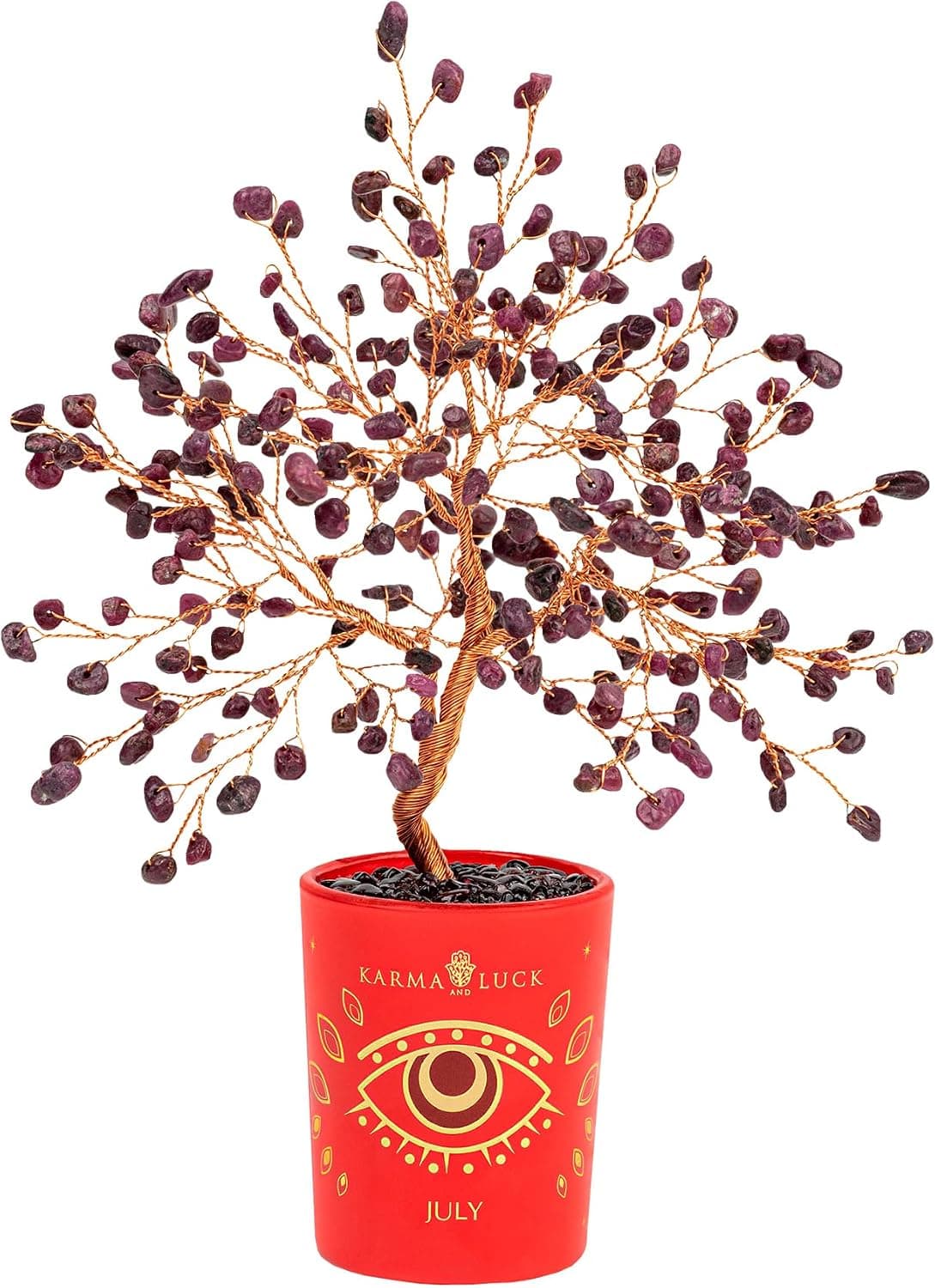 -29%
-29%Karma and Luck July Birthstone Crystal Tree of Life, Ruby Gemstone Feng Shui ...
As an Amazon Associate, we earn from qualifying purchases. We only recommend items our practitioners have personally tested.
Continue Your Journey
Explore these related guides to deepen your understanding:


Ready for Deeper Guidance?
Try our free I Ching reading for personalized wisdom, or explore our curated Feng Shui essentials.