
Most feng shui wealth items collect dust because they were placed wrong, chosen for the wrong reason, or simply don't match your space's energy profile.
Why Most Feng Shui Wealth Items Don't Work
Walk into any home goods store and you'll find shelves of laughing Buddhas, three-legged toads, and gold ingots. People buy them, bring them home, put them on a shelf, and wait. Nothing changes. Then they blame feng shui. Learn more about Five Elements Theory: Why Your Feng Shui Still Feels Off (Even When You Did Everything “Right”.
The items aren't the problem. Placement, intention, and understanding what each object actually does — that's where most people fall short. Feng shui wealth work is not decorating. It's activating specific energetic currents in your space so that opportunity, flow, and abundance have a clear path toward you.
This guide covers the items that genuinely move the needle, organized by scenario and what you're actually trying to accomplish. Before you buy anything, though, spend five minutes with The Bagua Map: How to Map Energy in Your Home to identify exactly which sector of your home governs wealth. Without that foundation, even the best item in the world is just decoration.
Items for Activating the Wealth Corner (Xun Position)
The Xun position sits in the far left corner of your home or any given room when you're standing at the main entrance looking in. This is the sector associated with wealth, abundance, and the wood element. Items placed here need to either embody wood energy or feed it through the productive cycle.
Citrine Cluster
Who it's for: Anyone beginning their feng shui practice or working with a tight budget.
Why it works: Citrine carries a naturally warm, expansive energy that resonates with the wood-to-fire productive cycle operating in the Xun sector. Unlike many crystals that absorb and need frequent cleansing, citrine is self-clearing. A raw cluster radiates outward rather than pulling energy inward, which is exactly what you want in a corner you're trying to activate, not stabilize.
Where to place it: Far left corner of your main living space, ideally elevated slightly above floor level — a shelf or side table works well. Avoid placing it in a drawer or box. It needs to breathe.
Lucky Bamboo (Three or Eight Stalks)
Who it's for: People who work from home or run a business from their residence.
Why it works: Live plants are among the most potent wood element activators available. Lucky bamboo specifically carries cultural layering that amplifies its symbolic charge. Three stalks represent happiness, longevity, and wealth converging. Eight stalks carry the energy of expansion and multiplication — the number eight resonates deeply with prosperity in Chinese numerology. The plant's upward growth pattern reinforces the upward movement of money energy.
Where to place it: Wealth corner, kept in clean water changed weekly. Never let it dry out or sit in stagnant water. A dying lucky bamboo in the wealth corner is worse than no plant at all.
Items for Steady Income and Career Wealth
Not all wealth is the same energetically. Windfall energy and steady income energy require different activations. The items below address the consistent, reliable financial flow most people actually need more than lucky breaks.
Chinese Coins Tied with Red Cord
Who it's for: Salaried workers, freelancers with irregular income, anyone wanting to stabilize cash flow.
Why it works: Traditional Chinese coins feature a square hole in the center, symbolizing the union of heaven (circle) and earth (square). Tying three coins with red cord creates a deliberate intention object. The red cord activates the coins' energy rather than leaving them dormant. I've seen this placed under welcome mats, taped inside wallets, and affixed near cash registers in small businesses, all with consistent results across very different contexts.
Where to place it: Under your desk at the wealth corner side, inside your wallet or purse behind your primary payment cards, or near your front door to welcome income into the home. Avoid placing loose coins (untied, without intention) anywhere — scattered coins symbolize scattered finances.
Pyrite Cluster or Sphere
Who it's for: Entrepreneurs, salespeople, anyone whose income depends on active effort and deal-making.
Why it works: Pyrite is sometimes called fool's gold, but that's a misnomer in feng shui terms. Its metallic luster and dense, grounded energy make it exceptional for activating metal-element wealth — the kind associated with contracts, negotiations, and financial structure. A sphere radiates energy in all directions evenly, which suits spaces where multiple income streams are being cultivated simultaneously.
Where to place it: On a desk used for business, or in the metal-element sector (west or northwest) if your wealth work focuses on business relationships and helpful people rather than personal windfalls.
Items for Removing Wealth Blockages
Sometimes the issue isn't that abundance isn't arriving. It's that something in the space is actively repelling it. These items address energetic clutter and stagnation that can neutralize everything else you've placed.
Black Tourmaline
Who it's for: Anyone who recently moved into a new space, experienced financial loss, or shares a home with someone whose energy feels draining.
Why it works: Black tourmaline transmutes heavy or stagnant energy rather than simply absorbing it. In wealth work, it functions as a clearing agent — removing the residual energy of financial stress, previous occupants' money struggles, or the psychic weight of debt anxiety that can calcify in a space over years. Place it first, before adding activating items. Trying to activate a space that's energetically clogged is like pressing the accelerator while the parking brake is on.
Where to place it: Near the front entrance to neutralize incoming energy before it circulates through the home, or in corners that feel heavy or tend to collect clutter.
Salt Lamp (Himalayan Pink)
Who it's for: People who work heavily with screens and electronics, those in high-stress professional environments who bring that energy home.
Why it works: Salt has been used across cultures for energetic purification for thousands of years. The lamp form continuously emits warmth and negative ions, creating a gentle but persistent clearing effect. For wealth work specifically, it's most useful as a preparatory tool rather than a direct activator — it softens the space so that activating items can work without resistance.
Where to place it: Home office, near the main entrance, or any room where financial discussions and decisions happen. Keep it switched on for several hours daily to maintain its effect.
Statement Items for Long-Term Wealth Cultivation
The items above can be acquired and placed within a day. These next pieces are investments — objects whose quality, craftsmanship, and symbolic weight compound over time.
Brass or Bronze Wealth Vase
Who it's for: Homeowners committed to a sustained feng shui practice, those working on generational wealth or major financial goals with a longer timeline.
Why it works: A wealth vase is not purchased off a shelf. It's assembled intentionally: a quality metal container filled with specific items including soil from a prosperous place, semi-precious stones, old coins, rice, and herbs. The construction process itself is a meditative act of intention-setting. Once sealed, it holds and amplifies the energy placed into it over years. The metal element grounds the energy so it doesn't scatter.
Where to place it: Wealth corner of the master bedroom, ideally in a cabinet or chest rather than fully exposed. Wealth vases are traditionally kept private; their energy is internal and accumulating rather than radiating outward.
Koi Fish Painting or Sculpture (Nine Fish)
Who it's for: Anyone with space for a statement piece, particularly effective in living rooms and home offices.
Why it works: Flowing water imagery activates the water element, which in the five-element system feeds wood energy (the wealth sector's primary element). Koi carry specific symbolic resonance: perseverance, transformation, and abundance. The number nine represents completion and the fullness of abundance in Chinese numerology. Eight gold fish and one black fish is the traditional arrangement; the black fish absorbs any negative energy directed at the household's prosperity.
Where to place it: On a wall that you face when entering the main living area, or in the north sector of the home if you're specifically targeting career-related wealth. Avoid placing water imagery in the bedroom — bedroom feng shui operates under different elemental rules, and water in sleeping spaces can disturb rest and emotional stability.
Comparison Table: Feng Shui Wealth Items at a Glance
| Item | Element | Best For | Placement | Budget |
|---|---|---|---|---|
| Citrine Cluster | Fire/Wood | General wealth activation | Wealth corner | Low |
| Lucky Bamboo | Wood | Business owners, home workers | Wealth corner | Low |
| Chinese Coins (tied) | Metal | Steady income stabilization | Wallet, desk, door | Very low |
| Pyrite Cluster | Metal/Earth | Entrepreneurs, deal-makers | Desk or west sector | Low-Medium |
| Black Tourmaline | Earth | Clearing blockages | Entrance, heavy corners | Low |
| Salt Lamp | Fire/Earth | Space preparation, stress clearing | Home office, entrance | Low-Medium |
| Brass Wealth Vase | Metal | Long-term, generational wealth | Bedroom wealth corner | Medium-High |
| Koi Fish Art (9) | Water | Overall abundance, career wealth | Living room, north sector | Variable |
Where to Start: A Practical First Move
If you're new to this and feeling overwhelmed by the options, start with three coins tied with red cord and a small citrine cluster. Total cost is usually under thirty dollars. Place the coins under your desk or in your wallet this week. Place the citrine in the far left corner of your main working or living space. Then spend the next month observing — not waiting for a windfall, but noticing shifts in financial conversations, unexpected opportunities, or the ease with which money-related decisions arrive.
The practice builds in layers. Once those basic activations are in place and you've mapped your home properly, you'll have a much clearer sense of which deeper investments make sense for your specific space and goals.
Frequently Asked Questions
Mei Chen
Traditionally informed guidance • Cross-referenced with classical Chinese source texts
Content draws from both Compass (Luopan) and Form (Xingshi) school traditions. Illustrative examples are composites based on consultation experiences.
Practitioner-Selected Tools for This Topic
Items our team has tested and found effective for the principles discussed above. Individual results may vary.
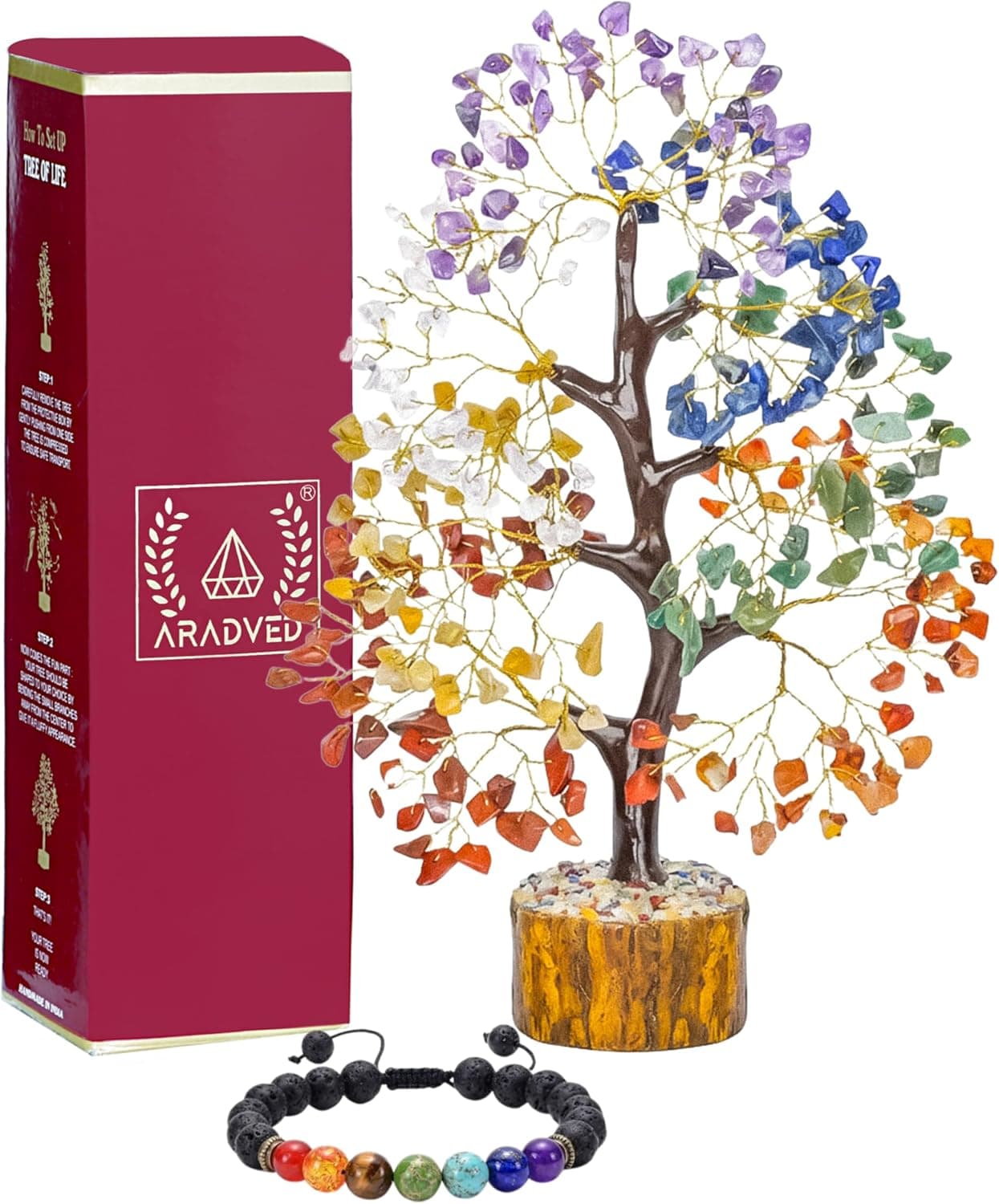 -25%
-25%ARADVED 7 Chakra Crystal Tree 300 Beads & Healing Bracelet Set - Tree of Life...
Code: SAVE25NOW26
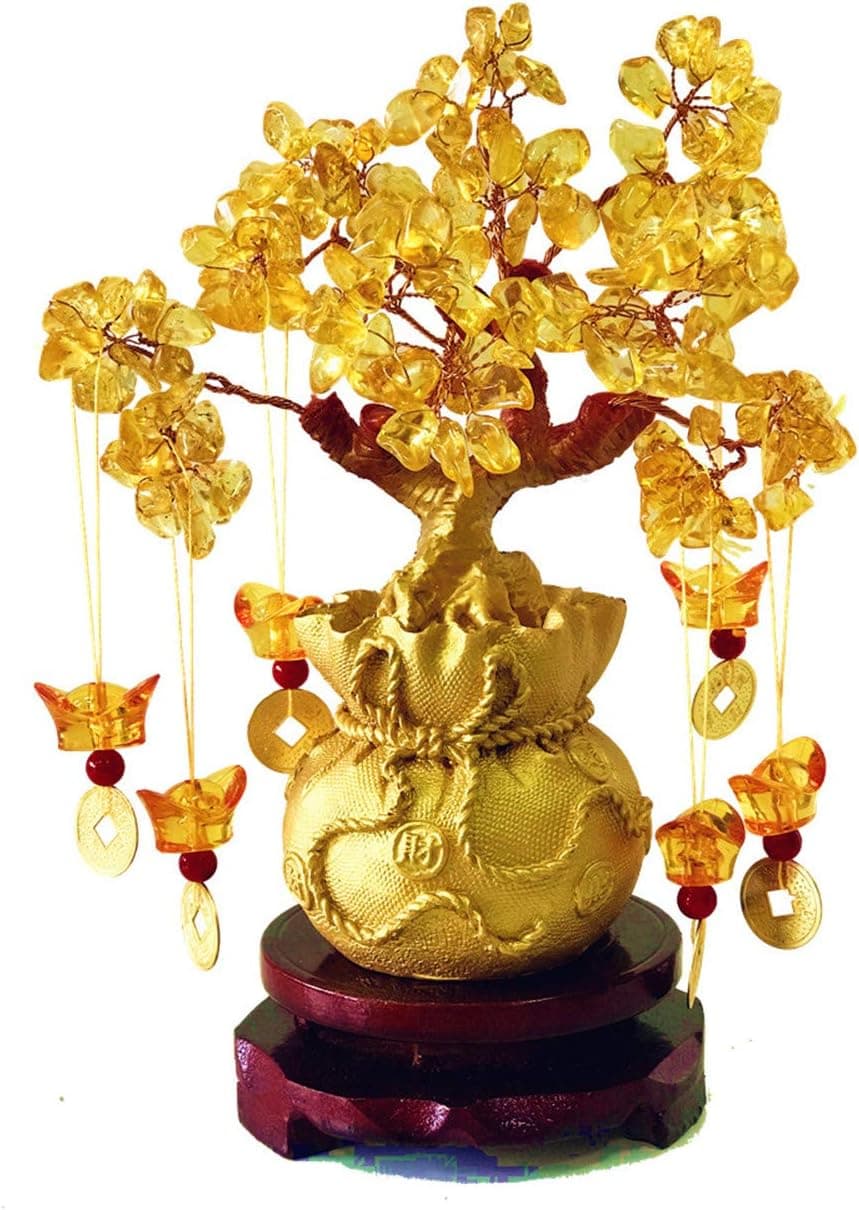 -15%
-15%Picmoo Feng Shui Citrine Money Tree and Crystal Faucet Tree - Chinese Dragon ...
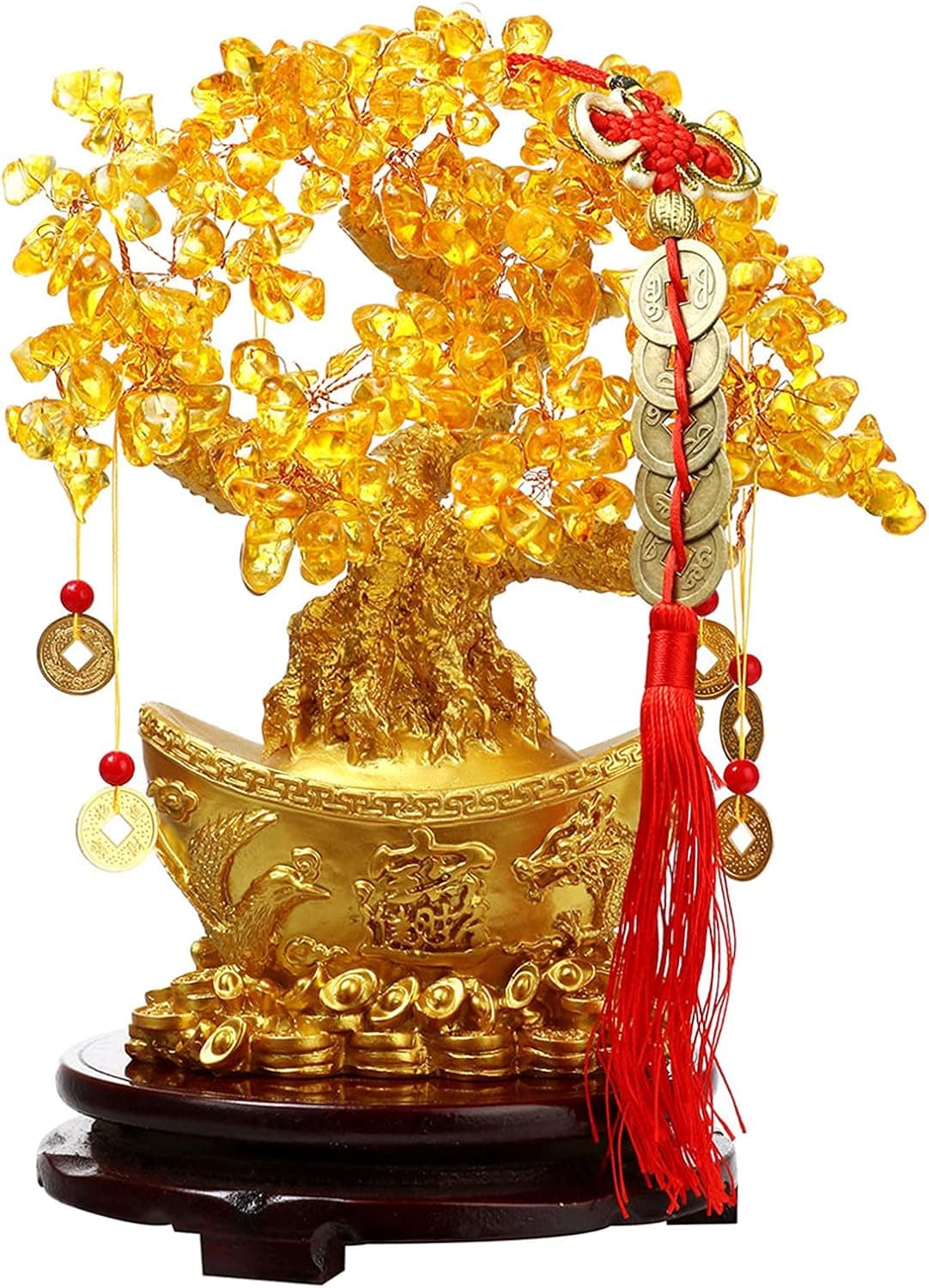 -15%
-15%Comeon Feng Shui Money Tree Crystal Quartz Lucky Tree (Trumpet: 19cm)
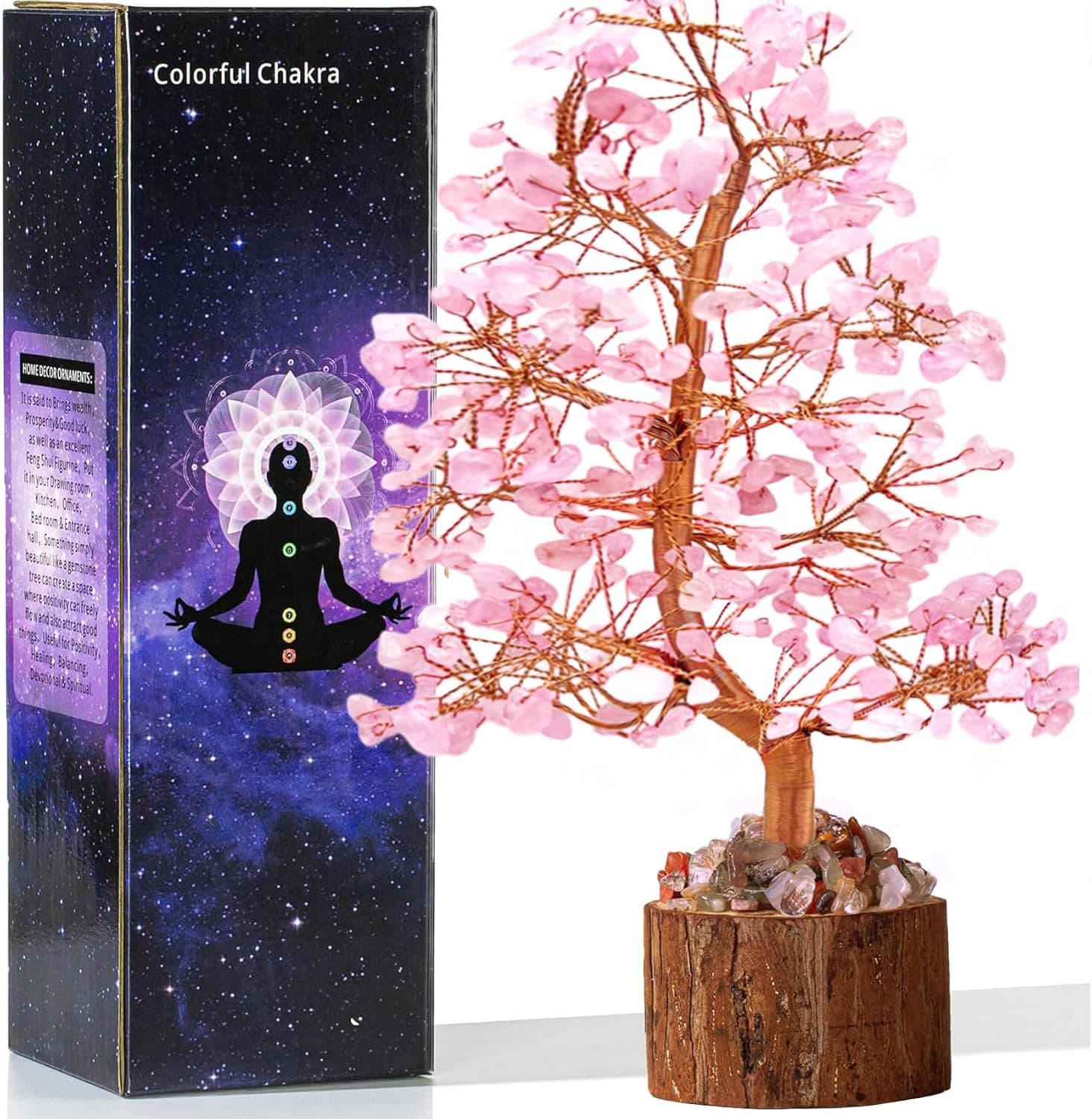 -14%
-14%Tizzomx Crystal Healing Chakra Tree of Life Rose Quartz, Sister Women Mom Bir...
As an Amazon Associate, we earn from qualifying purchases. We only recommend items our practitioners have personally tested.
Continue Your Journey
Explore these related guides to deepen your understanding:


Ready for Deeper Guidance?
Try our free I Ching reading for personalized wisdom, or explore our curated Feng Shui essentials.