The cure can be right, and still fail, when a floor drop steals the current before it reaches the room.
The Hidden Truth About best-items for wealth and abundance feng shui
I saw it in a split-level townhouse in Portland: a brass money frog on a navy console, three coins tied with red cord, a jade plant in a ceramic bowl, and a client who had followed every glossy instruction she could find. The living room looked organized, almost polished. Yet she kept saying the same thing: the bonus arrived late, the savings account never held, and every tax season felt like a surprise attack.
The problem wasn't the objects. It was the floor.
Her front entry sat one step above the main hall, and the wealth corner was down a short run of stairs beside a powder room. That's where so many people get misled. They buy cures for the item, not the path. On a split-level, qi doesn't travel in one clean sweep. It drops, slows, and leaks into side rooms before it ever gets to the place you want to charge.
That is why a cure can look perfect and still underperform. Wrong room, wrong level, wrong behavior from the home itself.
I keep a soft spot for coin placements that make money feel managed, not chaotic, because coins do what they should when the surrounding circulation is stable. Put them on a sunken landing where people rush past in socks and drop bags, and they start acting like clutter instead of support. A small brass cluster on a shelf three feet from the east window can feel steady; the same cluster near a stairwell can seem oddly restless, almost forgotten.
I once worked with a nurse named Elena who lived in a split-level with sage walls, a cedar sideboard, and a red envelope tucked under a bowl of tangerines in the dining room. She had the right symbols everywhere. After two weeks, she told me the house felt "busy in the wrong places." The insight came when we stood at the top of the lower stair and listened. The refrigerator hummed below, the dog nails clicked overhead, and every conversation seemed to split in two. Not even close to a settled wealth field.
That was the first clue: abundance cures need a room that can hold them. Open space helps, but not empty space for its own sake. They need a landing, a surface, and a route that doesn't keep dropping energy into a basement-feeling pocket. Without that, even a good jade tree can behave like decoration.
How the floor line changes everything
Split-level sabotage is subtle. The house looks connected, but the body reads it differently. Step-down areas can feel like a release valve. Step-up entries can feel guarded and slightly tense. If the wealth sector sits on the lower level, people often ignore it because they don't linger there. Mail piles up, shoes wander, and receipts drift into a bowl near the wall. Wealth qi doesn't vanish. It just loses authority.
I've seen bedrooms on the lower half of a split-level where a gold ingot statue was placed beside a mirrored closet door. The owner slept badly, then blamed the mattress. The room wasn't only sleeping wrong; it was draining. Mirrors near stairs, low landings, and hallways create visual motion, and motion keeps the mind from settling enough to trust accumulation. Turning a bedroom into a sanctuary requires less than you'd think, but a sanctuary cannot sit directly in the path of a house that keeps descending.
What helps is not more glitter. It is containment. A heavy ceramic bowl beats a fragile glass dish. A broad-leaf plant with visible trunk structure beats a spindly vine. A framed image of a hillside with a firm horizon line can do more than another rhinestone amulet because it gives the eye a place to stop. The point is simple: abundance likes a room that can hold a boundary.
And yes, direction still matters. East supports growth. Southeast supports wealth and exchange. But direction without level is only half the story. A southeast corner on the lower floor may need a stronger anchor than a similar corner on the main floor. Put the cure where the family naturally pauses. Near the tea tray. Beside the lamp. On the sideboard at shoulder height, not on the floor beside the stair return. The difference is felt before it is explained.
Small surprise? The most expensive item is often the least effective. A carved citrine tree looks impressive in a shop window. In a narrow split-level hallway, it can become visual noise. Meanwhile, a simple bowl of six Chinese coins on a walnut shelf may quietly change how people handle bills, reminders, and cash flow. The home notices practical gestures. So do the occupants.
Choosing items by the kind of home you actually live in
For a front entry that opens directly to a lower step-down, I favor objects that visually lift the path. A tall lamp with a warm shade, a healthy plant in a weighty pot, or a low console with one clean arrangement can slow the eye before it falls down the stairs. The wealth corner doesn't need drama there. It needs manners. If you already use a front-door cure, pair it with calm circulation from the entry to the main sitting area, or the item becomes isolated and decorative. See also the alcove advantage that changes a front door fast.
For a budget setup, start with one container that feels solid in the hand. Stoneware, lacquered wood, or even a matte ceramic planter works better than a shiny bowl that catches every reflection. Place it on the level where the family gathers most often, preferably along a wall that doesn't vibrate from foot traffic. If the lower floor holds the kitchen or family room, put the container there only if it won't sit at the base of the stairs. That base position is a leak point. Money symbols at a leak point tend to feel like promises, not resources.
For a more deliberate setup, use layered support rather than a single talisman. A red envelope with a meaningful amount inside can live in a drawer of the sideboard. A coin string can rest under a lamp base. A plant can stand a few feet from the east-facing window, not pressed into the corner like an afterthought. Combined, they create repetition without clutter. Repetition matters because the home learns through placement, not persuasion.
People also forget that sound changes the room. On a split-level, footsteps, appliances, and stair traffic create sharp vertical movement. A soft rug at the landing, a fabric runner on the stairs, or a wood object with some weight can settle that flicker. I have seen a family in a beige-and-olive townhouse stop arguing about bills after we changed nothing but the lower hall: we moved a brass bowl off the floor, added a wool runner, and shifted the lamp two feet toward the sitting area. The argument didn't vanish. The edge did.
And then there are the objects that look lucky but act noisy. Crystals with prismatic cuts can scatter attention in a room already split by levels. Glass shelving can do the same. A smoother surface, a darker tray, a ceramic finish—these hold attention the way a good banker holds records. Those "feng shui crystals" on Amazon? Most are just decorative glass. Put them where light needs to sparkle, not where wealth needs to settle.
Common mistake? People place their money symbols where they can admire them, not where they can use them. Admiration isn't the same as retention. A bowl on a high shelf in a guest room gets seen once a week. A modest setup beside the dining table gets touched, passed, and mentally registered every day. That's the difference between an ornament and an active cue.
If the house has a sunken living room, resist the urge to fill it with more and more objects. Depth already multiplies the sense of sinking. Use fewer items with better mass. A square side table. A lamp with a fabric shade. One healthy plant with a strong stem. Big mistake to treat depth like a display case. It needs ballast.
What works when the house keeps dropping energy
Start with the route, not the cure. Walk from the front door to the main wealth area and notice where your body tightens, slows, or changes pace. That reaction is information. A narrow stair, a dark landing, a cluttered threshold, or a lower hallway with peeling baseboards can undo the charm of anything you place nearby. Repair the path, then place the item. The sequence matters.
For a split-level, I often prefer the alcove advantage in wealth feng shui because alcoves work like catch basins. They hold. A sideboard alcove on the main floor can support a bowl of coins, a framed landscape, and a plant better than an exposed corner near the stairs. The room feels less like a chute and more like a basin.
There is also a psychological layer that gets ignored. People spend differently in homes that feel divided. They misplace things more often. They treat decisions as fragmented: one plan at the top of the stairs, another downstairs, another in the car. A stable wealth area gives the nervous system a home base. That sounds abstract until you watch receipts stop disappearing and see the same person begin answering mail on time. I have seen it too many times to call it coincidence.
Use elements with a clear job. Wood for growth, but grounded in a pot that doesn't wobble. Earth for stability, but not so much that the corner feels dead. Metal for clarity, but only in measured doses. Fire can light the area, though too much of it near a stairwell creates haste. The point is balance, not decoration. Five Elements Theory explains why good feng shui still feels wrong when one level of the house is overactive and another is underfed.
If you want a quick test, stand in the wealth sector after sunset with only one lamp on. If the area feels like a landing zone rather than a drop-off, you're close. If your eye keeps sliding toward the stairs or hallway, the room is still pulling money energy away from itself. Move one object, not ten. Watch the body response for a week. Then adjust again.
One more thing, and this surprises people: not every split-level needs a wealth cure in the wealth corner. Sometimes the real fix sits at the top of the stairs, where the home's energy first commits to either descending or staying coherent. A framed image, a grounded plant, or a low cabinet there can change the entire flow below. The house takes direction from its choke points. So do we.
There is no magical object that can outvote architecture. A lucky charm placed inside a leaking pattern becomes a silent witness to the leak. Better to pair the item with movement control, visual weight, and a level surface that the household actually uses. That is how money symbols stop looking like hope and start behaving like support.
Common errors that keep the money area thin
One mistake is treating stairs like neutral space. They're not. They act like a conveyor between states. Place a wealth cure at the bottom of a stair run and it often gets hit by traffic, dust, and visual rush. The result is interrupted sleep for the people living nearby and a constant feeling that bills are arriving before the money does.
Another is putting red everywhere because red feels auspicious. In a split-level, too much red near the lower floor can make the whole area feel agitated. I once saw a downstairs den with red candles, a red throw, and a crimson paper lantern over a money shelf. The owner said she "couldn't sit still" in that room. Of course not. The room was vibrating.
Mirrors in the wrong place are the third problem. A mirror reflecting stairs, a lower hall, or a cluttered entry keeps the energy in motion. It can also make the room look deeper than it is, which sounds nice until you notice that people avoid sitting there for long. They drift. The money area should invite pause, not speed.
Then there is the habit of buying symbol after symbol. One dragon. Three coins. A wealth ship. A money tree. A laughing figure. By the time the shelf is full, nothing reads clearly. The eye has no single story to rest on, and the home begins to feel like a souvenir shop. Clarity beats accumulation every time.
Plants can fail too. A thirsty, dropping-leaf plant in a lower-level wealth corner says exactly the wrong thing. It doesn't whisper growth; it broadcasts neglect. Replace it before it becomes a dead weight. The same logic appears in a dead plant in your wealth corner does more harm than no plant at all. That's not superstition. That's visual training.
Finally, people forget maintenance. Dust on a bowl, dead flowers, a bent red cord, coins scattered instead of bundled—these tiny lapses create a sense of erosion. The house reads them. You read them. Then you start making decisions from fatigue instead of confidence. Not a dramatic collapse. Worse. A slow leak.
FAQ
Is conventional best-items for wealth and abundance feng shui advice reliable?
Often not, because most advice ignores the home's layout. A split-level changes how qi rises, drops, and settles, so a cure that works in a flat apartment can underperform near stairs or sunken rooms. The object may be fine; the setting is what fails it.
Do I need expensive items to improve the wealth area?
No. A well-chosen ceramic bowl, a healthy plant, or a small coin arrangement can do more than a costly figurine if it sits in the right place. Homes respond to clarity and placement before they respond to price tags.
What if my wealth corner is downstairs?
Then support it with more weight and less visual noise. Use grounded materials, avoid mirrors that pull attention into motion, and keep the area clean enough that you can stand there without feeling rushed. If possible, reinforce the path above it so energy isn't dropping out before it arrives.
Can I use multiple cures at once?
Only if each one has a distinct job and enough breathing room. A shelf crowded with symbols turns into static fast. One object that can be seen, reached, and remembered will usually beat a cluster nobody notices anymore.
What should I change first in a split-level home?
Begin at the stair line and the landing. Those are the places where movement changes direction, so they're often the real leak point. Shift one object, improve the light, and watch how the room feels at night; the answer usually shows up before the calendar does.
How do I know if the cure is working?
Look for behavior before money. Receipts stop disappearing. You open mail sooner. The room feels easier to linger in. Those are small signs, but they arrive before larger shifts and tell you whether the home has started to hold rather than spill.
In that Portland townhouse, we ended by moving the money frog off the lower hallway shelf and onto a walnut sideboard near the dining room, then placing a wool runner at the stair landing and replacing the flimsy glass planter with a squat green ceramic pot. Three weeks later, Elena sent a photo of her table: one envelope stack, one lamp, one bowl, no clutter, no glitter. The funny part was her note: "The stairs feel quieter." And once a house gets quieter at the level where it used to drop, what exactly is it saving for?
Mei Chen
Traditionally informed guidance • Cross-referenced with classical Chinese source texts
Content draws from both Compass (Luopan) and Form (Xingshi) school traditions. Illustrative examples are composites based on consultation experiences.
Practitioner-Selected Tools for This Topic
Items our team has tested and found effective for the principles discussed above. Individual results may vary.
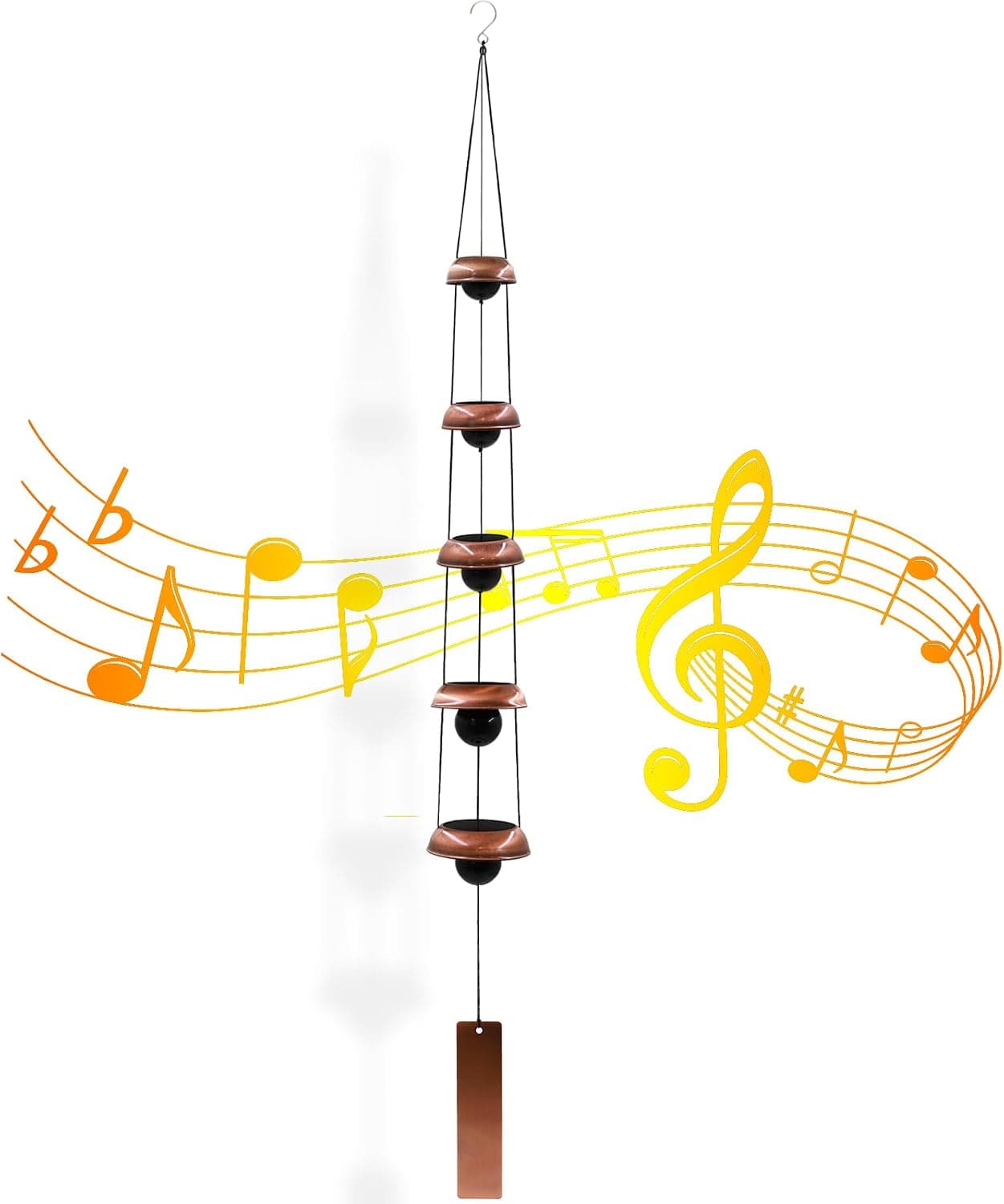 -19%
-19%Wind Chimes for Outside with 5 Bell Unique Copper Musical Chimes Feng Shui Wi...
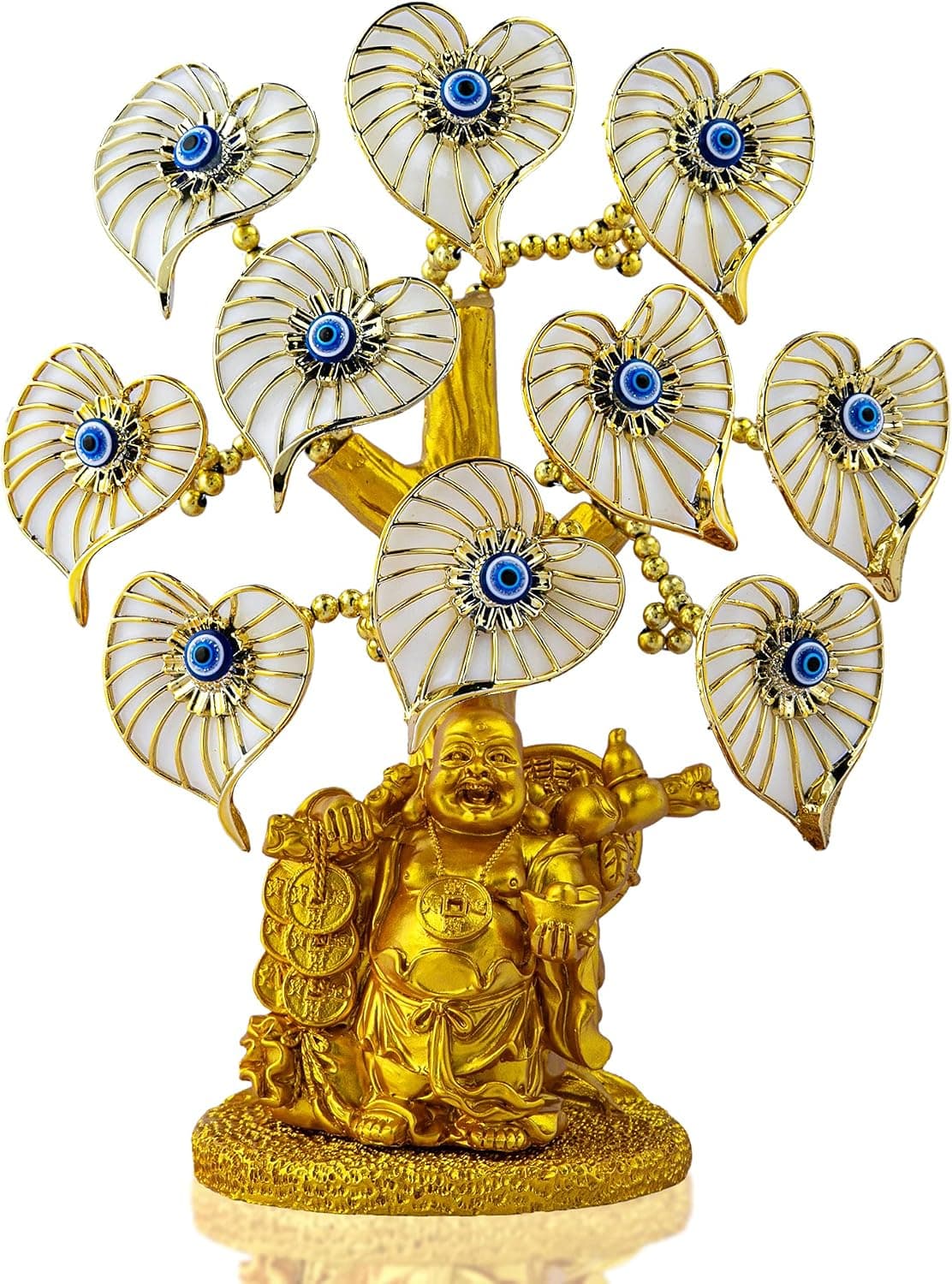 -5%
-5%YU FENG Evil Eye Money Tree, Blue Feng Shui Decor with Golden Buddha
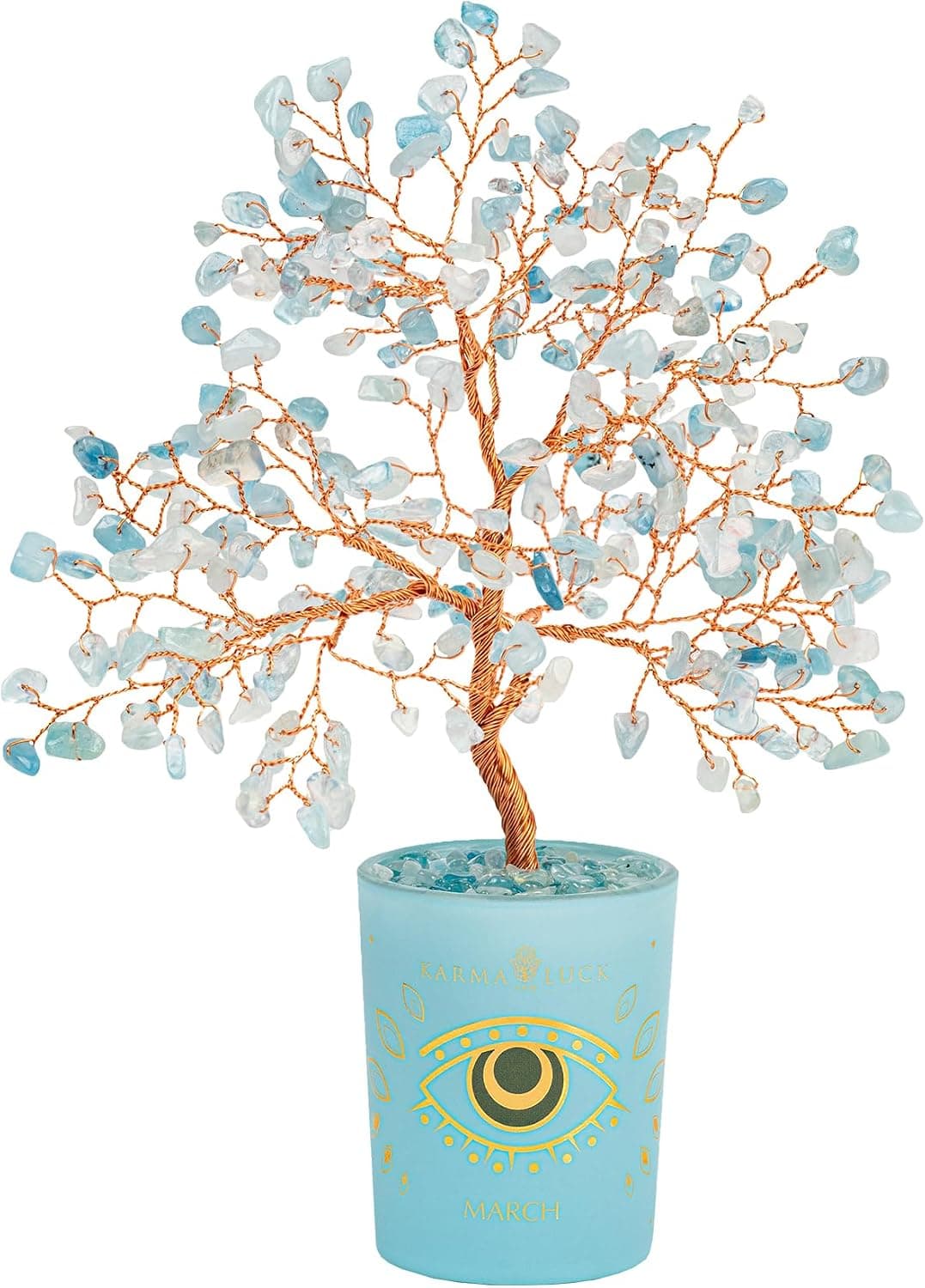 -29%
-29%Karma and Luck March Birthstone Crystal Tree of Life, Aquamarine Gemstone Fen...
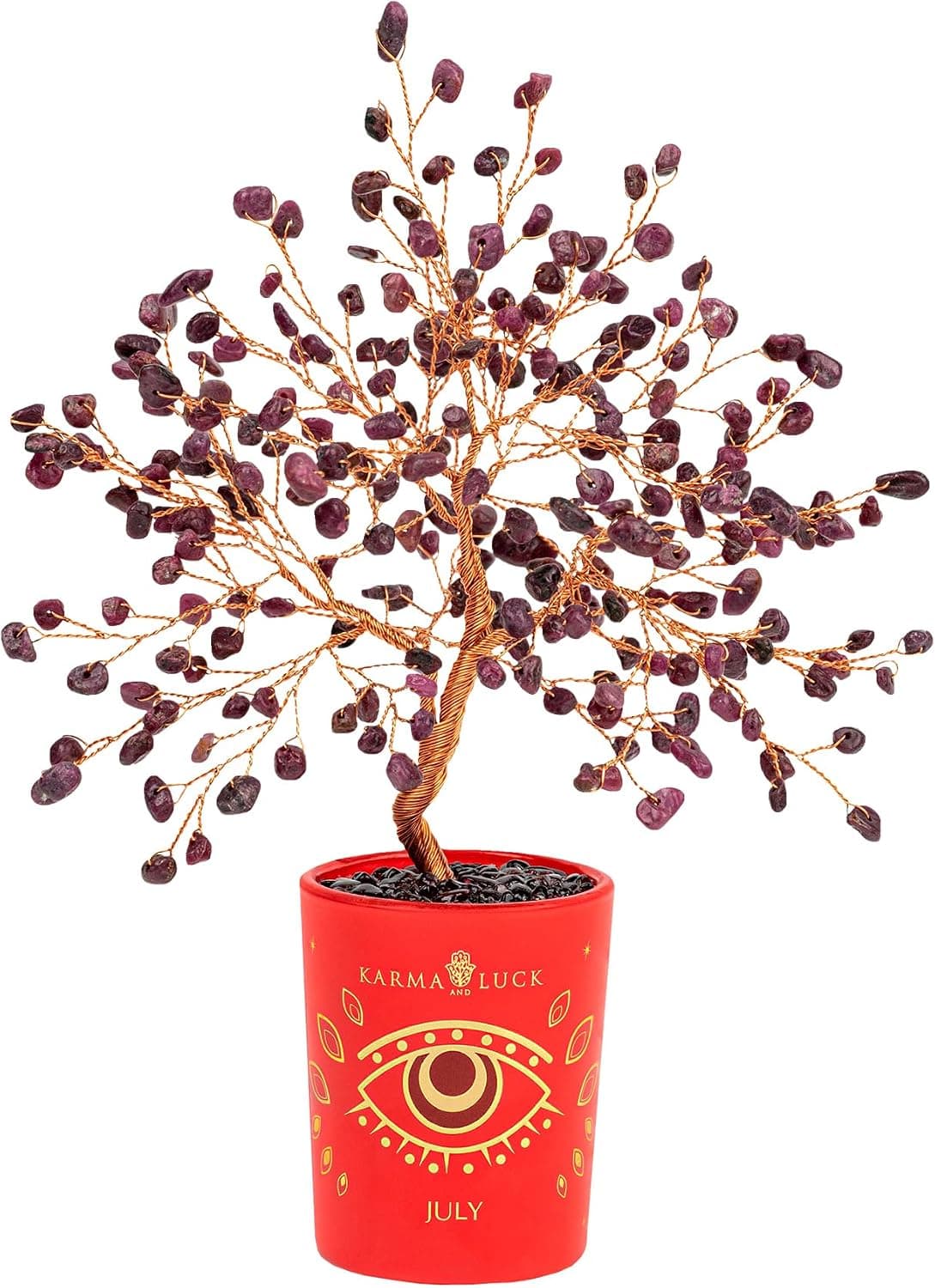 -29%
-29%Karma and Luck July Birthstone Crystal Tree of Life, Ruby Gemstone Feng Shui ...
As an Amazon Associate, we earn from qualifying purchases. We only recommend items our practitioners have personally tested.
Continue Your Journey
Explore these related guides to deepen your understanding:


Ready for Deeper Guidance?
Try our free I Ching reading for personalized wisdom, or explore our curated Feng Shui essentials.